
When planning a trip to any destination, especially one as dynamic and vibrant as Seattle, Washington (WA), understanding the local time is far more than a mere curiosity—it’s a fundamental aspect of seamless travel planning. Whether you’re coordinating flights, booking accommodation, scheduling tours to iconic landmarks, or simply trying to avoid jet lag, knowing “What time is it in Seattle?” is your first step towards a well-organized and enjoyable experience.
Seattle operates on Pacific Time, observing a standard time and a daylight saving time throughout the year. For the majority of the year, from early March to early November, the city follows Pacific Daylight Time (PDT), which is UTC-7. During the winter months, from early November to early March, it switches to Pacific Standard Time (PST), which is UTC-8. This means Seattle is typically three hours behind Eastern Standard Time in New York and one hour behind Mountain Standard Time, aligning perfectly with cities like Los Angeles and Vancouver.
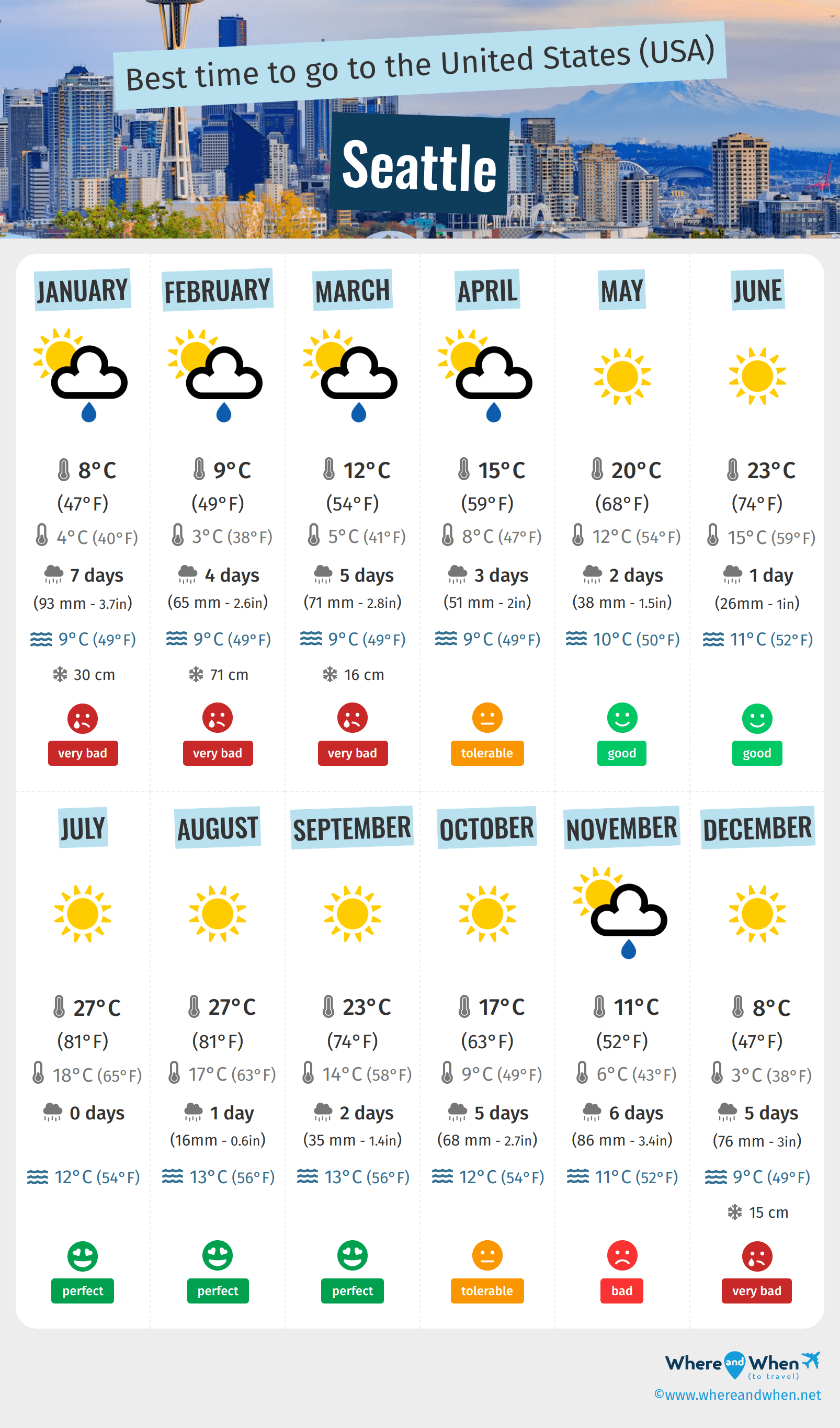
For travelers arriving from different time zones, this knowledge is paramount. An early morning flight from the East Coast of the US might land in Seattle at what feels like lunchtime to your body, yet it’s still early morning locally. This time difference affects everything from when you can check into your hotel or resort to the opening hours of Pike Place Market and the last call at a vibrant Belltown bar. By understanding Seattle’s clock, you can optimize your itinerary, manage expectations, and truly immerse yourself in the city’s unique rhythm without missing a beat.
Unraveling Seattle’s Time Zone: Pacific Standard Time Explained
Seattle proudly sits within the Pacific Time Zone, a region that spans the westernmost states of the United States and parts of Canada and Mexico. This consistent time zone makes coordinating with other major West Coast hubs like San Francisco or Portland straightforward, but it demands careful planning for visitors from further afield.
The biannual shift for Daylight Saving Time is a crucial consideration. In spring, clocks “spring forward” an hour, moving from PST to PDT. This means an extra hour of daylight in the evenings, a boon for summer tourism and outdoor activities. Conversely, in the fall, clocks “fall back,” reverting to PST, which brings earlier sunsets. While the concept might be familiar to many, forgetting to account for this shift can lead to missed appointments, early arrivals, or late departures, especially if relying solely on an internal clock or an unadjusted device.
To ensure you’re always in sync with Seattle time, the easiest method is to set your smartphone to automatically update its time zone. This feature is invaluable for travelers, as it adjusts instantly upon arrival. Alternatively, a quick search for “current time in Seattle WA” on any search engine will provide the precise local time. Apps dedicated to world clocks are also excellent tools for tracking multiple time zones, particularly useful for business travelers or those maintaining contact with home.
Understanding these nuances helps you not just know the time, but truly adapt to the local rhythm. It’s about more than just setting your watch; it’s about anticipating how your body will react to the change, planning your sleep schedule, and making sure you don’t miss that early morning ferry to Bainbridge Island or the first batch of coffee at a local Fremont cafe. For every aspect of your Seattle adventure, a clear grasp of the time zone is your secret weapon for a stress-free journey.
Time-Sensitive Travel: Planning Your Seattle Adventure
Effective time management is a cornerstone of any successful travel experience, and nowhere is this more true than in a bustling city like Seattle. From minimizing the effects of jet lag to perfectly timing your visits to popular attractions, every minute counts.
Overcoming Jet Lag and Maximizing Your Arrival
For many travelers, the biggest initial challenge upon arriving in a new time zone is jet lag. Your body’s internal clock, or circadian rhythm, needs time to adjust, which can lead to fatigue, irritability, and disrupted sleep. The best defense is a good offense:
- Adjust Before You Go: Start shifting your sleep schedule a few days before departure, moving it closer to Seattle’s time zone.
- Hydrate and Avoid Alcohol/Caffeine: Staying well-hydrated during your flight helps your body cope with the changes.
- Seek Sunlight: Upon arrival, expose yourself to natural light, especially in the morning. This helps reset your internal clock.
- Align with Local Time: Try to eat and sleep according to Seattle’s schedule as soon as possible.
- Strategic Napping: If you must nap, keep it short (20-30 minutes) to avoid deeper sleep cycles that can worsen jet lag.
Crucially, knowing the local time directly impacts your accommodation plans. Most hotels, resorts, and apartments have standard check-in times, often in the mid-afternoon. If you’re arriving early morning from an East Coast flight, consider booking an extra night or contacting your boutique hotel in advance to arrange an early check-in. Conversely, be mindful of check-out times on your departure day to avoid additional fees. Services like baggage storage are often available, allowing you to explore the city without your luggage before heading to Seattle-Tacoma International Airport.
Synchronizing with Seattle’s Iconic Landmarks and Attractions
Seattle’s wealth of attractions operates on strict schedules, and being aware of these times is key to a smooth tourism experience. From cultural institutions to bustling markets, timing your visit can make all the difference.
- Pike Place Market: While parts of the market are open early, the famous fish throwers and artisan stalls typically get into full swing mid-morning. Arriving early can help you beat the crowds, but for the full bustling experience, aim for late morning or early afternoon.
- Space Needle: This iconic landmark often has staggered entry times. Booking tickets online in advance, selecting a specific time slot, is highly recommended to avoid long queues, especially during peak travel seasons. Sunset views are particularly popular, so plan well ahead for these coveted slots.
- Chihuly Garden and Glass & Museum of Pop Culture (MoPOP): Located within Seattle Center near the Space Needle, these attractions generally open later in the morning. Combining a visit to all three can be a full day’s itinerary, so check their individual websites for the most up-to-date operating hours.
- Seattle Aquarium & Woodland Park Zoo: These family-friendly destinations are best enjoyed earlier in the day when the animals are most active and crowds are thinner. Check feeding times or special presentations for an enhanced experience.
- Ferry Terminal: If you plan to take a scenic ferry ride to destinations like Bainbridge Island, be aware that ferry schedules are precise and can vary by day of the week and season. Arrive early, especially on weekends, to ensure you get a spot and enjoy the stunning views of the Seattle skyline and Mount Rainier.
- Boeing Future of Flight Aviation Center: This attraction, located north of Seattle, offers factory tours that must be booked in advance and adhere to strict timing. Punctuality is essential here.
By incorporating these time-sensitive details into your travel itinerary, you’ll avoid unnecessary waiting, maximize your enjoyment, and ensure a smooth, memorable journey through Seattle’s best offerings.
Seattle’s Daily Rhythm: From Morning Brew to Evening Views
Seattle is a city that truly comes alive at different hours, offering a distinct ambiance and array of activities from dawn until deep into the night. Understanding this daily rhythm allows travelers to experience the city’s diverse lifestyle and culture to the fullest.
The Early Bird Catches the Coffee: Morning in Seattle
The morning in Seattle is synonymous with coffee. This city, the birthplace of Starbucks and home to countless independent roasters and cafes, starts its day with a serious caffeine ritual.
- Coffee Culture: Start your day like a local with a visit to the original Starbucks at Pike Place Market, or explore the artisan offerings at a neighborhood cafe in Capitol Hill or Fremont. The air is often crisp, and the scent of roasting beans fills the streets.
- Pike Place Market Awakenings: Arriving at the market early in the morning allows you to witness it come to life. Farmers unload fresh produce, florists arrange vibrant bouquets, and the famous fishmongers begin their playful throws. It’s a less crowded, more authentic experience before the tourist throngs arrive.
- Sunrise Views: For a truly breathtaking start to your day, head to Kerry Park in the Queen Anne neighborhood. From here, you can capture panoramic views of the Seattle skyline, including the Space Needle, Downtown Seattle, and, on a clear day, the majestic Mount Rainier bathed in the morning light.
Afternoon Adventures and Cultural Immersion
As the morning transitions to afternoon, Seattle offers a plethora of options for exploration, from its bustling urban core to serene waterfronts.
- Seattle Center Exploration: Spend your afternoon delving into the cultural heart of the city at Seattle Center. Beyond the Space Needle and Chihuly Garden and Glass, you can discover the vibrant exhibitions at MoPOP, or simply enjoy the expansive grounds and public art installations.
- Museum Visits: For art enthusiasts, the Seattle Art Museum in Downtown Seattle offers diverse collections. To delve into Seattle’s rich immigrant history, the Wing Luke Museum of the Asian Pacific American Experience provides a compelling narrative.
- Waterfront Wonders: The afternoon is an ideal time for a leisurely stroll along Seattle’s waterfront, enjoying fresh seafood, or taking one of the many harbor cruises that offer stunning views of the city from Puget Sound. A scenic ferry ride across the sound is also a perfect afternoon escape.
- Shopping: From high-end boutiques in Downtown Seattle to quirky shops in neighborhoods like Fremont and Ballard, the afternoon offers ample opportunity for retail therapy.
Twilight Delights: Dining, Entertainment, and Nightlife
As the sun begins to dip below the horizon, Seattle transforms, offering a sophisticated array of dining, entertainment, and vibrant nightlife options.
- Sunset Spectacles: Watching the sunset from the observation deck of the Space Needle or the SkyView Observatory at Columbia Center is an unforgettable experience, as the city lights begin to twinkle against the fading light.
- Culinary Explorations: Seattle’s culinary scene is a highlight. Enjoy exquisite seafood in Pioneer Square, diverse international cuisine in Capitol Hill, or trendy gastropubs in Belltown. Making reservations is always a good idea, especially for popular spots.
- Live Entertainment: The city boasts a thriving arts scene. Catch a Broadway show at the Paramount Theatre, experience live music at intimate venues across Belltown, or discover emerging artists at various clubs.
- Nightlife: From sophisticated cocktail lounges to lively dive bars, Seattle’s nightlife caters to all tastes. Capitol Hill is particularly known for its vibrant evening scene.
By harmonizing your activities with Seattle’s daily flow, you can craft a comprehensive and deeply engaging travel experience, ensuring you savor every moment of this dynamic Pacific Northwest gem.
Strategic Planning: Beyond the Clock for an Unforgettable Trip
While knowing the current time in Seattle is crucial for day-to-day planning, strategic foresight extends beyond merely checking your watch. It involves considering the best time of year to visit, leveraging local guides, and making smart booking decisions that align with your desired lifestyle and budget.
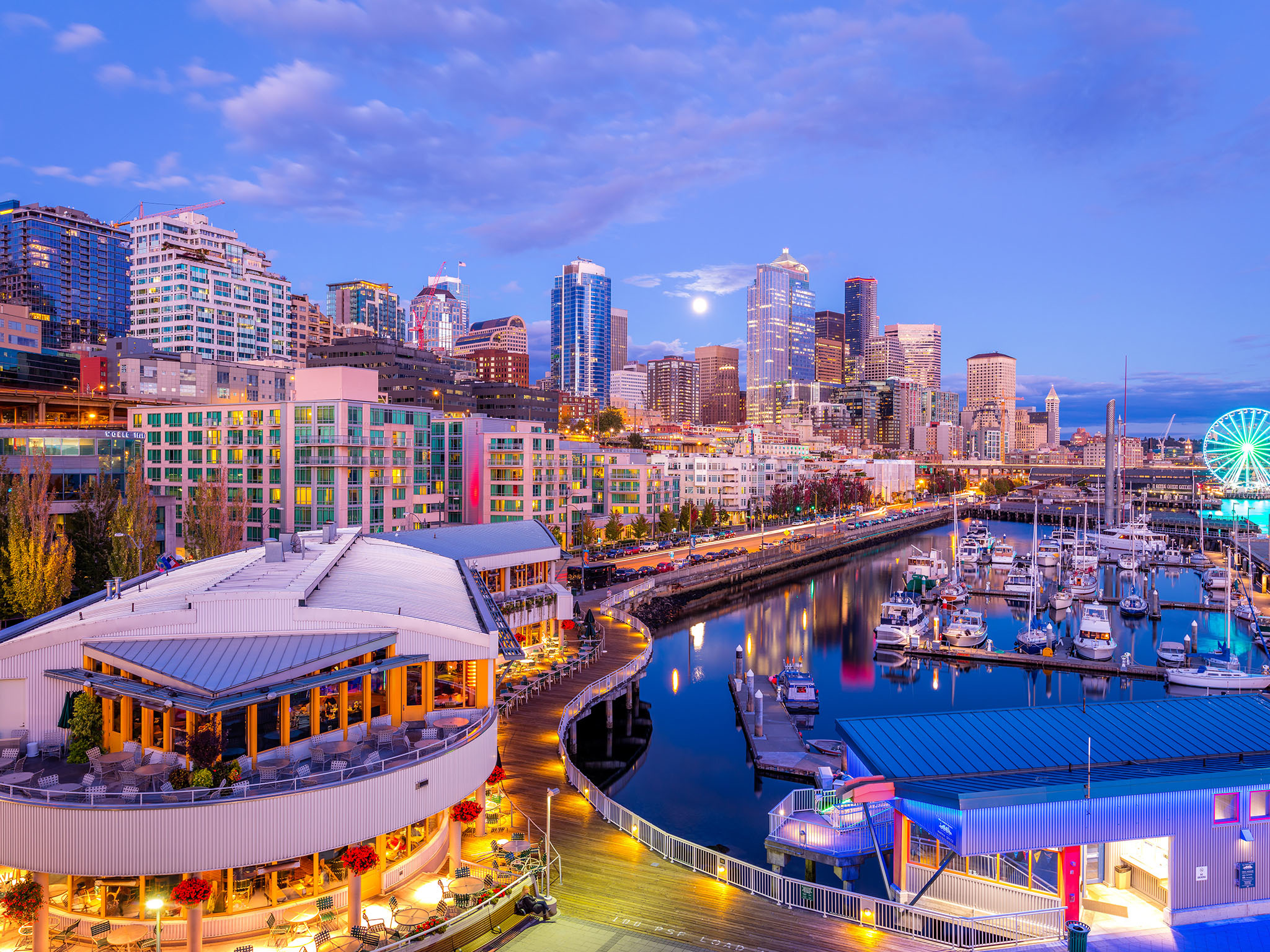
The “best” time to visit Seattle largely depends on your priorities. Summer (June to September) offers the warmest weather, longest daylight hours, and the highest concentration of outdoor events and festivals, such as Seafair. This is peak tourism season, however, meaning higher prices for hotels and flights, and larger crowds at popular attractions. If you prefer milder weather, fewer crowds, and potentially better deals, spring (April-May) and fall (October) are excellent alternatives, offering beautiful natural scenery and a slightly more relaxed pace. Winter (November-March) brings the famed Seattle rain, but also cozy indoor experiences, holiday markets, and often the lowest travel costs.
Regardless of when you choose to visit, booking key components of your trip in advance is a smart move. This is particularly true for accommodation. Whether you’re seeking luxury travel at a five-star resort, a charming boutique hotel, or a family-friendly apartment, early booking ensures better availability and often more favorable rates. Popular activities like Space Needle tickets, Boeing Future of Flight Aviation Center tours, or special dining experiences should also be reserved ahead of time to avoid disappointment, especially during high season.
For those planning to explore beyond the city limits, time management becomes even more critical. Day trips to stunning national parks like Mount Rainier National Park or Olympic National Park require early starts to maximize daylight and allow for travel time. These adventures can involve several hours of driving, so factoring in Seattle’s local time for departure and return is essential. Utilizing travel guides and online resources specific to the Pacific Northwest can help you plan these excursions efficiently.
Ultimately, being mindful of “What time is it in Seattle WA now?” is more than just a passing thought; it’s an integral part of crafting a well-orchestrated and deeply rewarding travel experience. From managing your personal rhythm to syncing with the city’s operating hours and embracing its unique daily pulse, a conscious awareness of time will unlock the full potential of your Seattle adventure. By planning strategically and staying attuned to the clock, you can ensure your journey is seamless, enjoyable, and packed with unforgettable moments.
LifeOutOfTheBox is a participant in the Amazon Services LLC Associates Program, an affiliate advertising program designed to provide a means for sites to earn advertising fees by advertising and linking to Amazon.com. Amazon, the Amazon logo, AmazonSupply, and the AmazonSupply logo are trademarks of Amazon.com, Inc. or its affiliates. As an Amazon Associate we earn affiliate commissions from qualifying purchases.