
Texas, a state as vast and diverse as the American dream itself, is a land of iconic ranches, sprawling metropolises, rich history, and vibrant culture. Whether you’re planning a luxurious escape to the Hill Country, a family adventure exploring the historical sites of San Antonio, or a business trip to the bustling energy of Houston, understanding the local time is a fundamental aspect of orchestrating a seamless experience. This article delves into the intricacies of time zones in the Lone Star State, offering insights crucial for any traveler, from those seeking the perfect hotel suite to adventurers eager to explore its many landmarks.
The sheer size of Texas means that time itself can be a nuanced concept when planning your visit. Understanding when it’s time to book that reservation at a renowned resort, when to catch a sunrise over the Palo Duro Canyon, or simply when to call home, all hinge on knowing the operational time zones within the state. For those interested in luxury travel or even budget-conscious explorations, the practicalities of time are paramount. This guide aims to demystify the temporal landscape of Texas, ensuring your journey is marked by punctuality and enjoyment, from the moment you consider a long-term stay in Austin to the instant you arrive at a famous attraction.
Navigating the Temporal Landscape of Texas
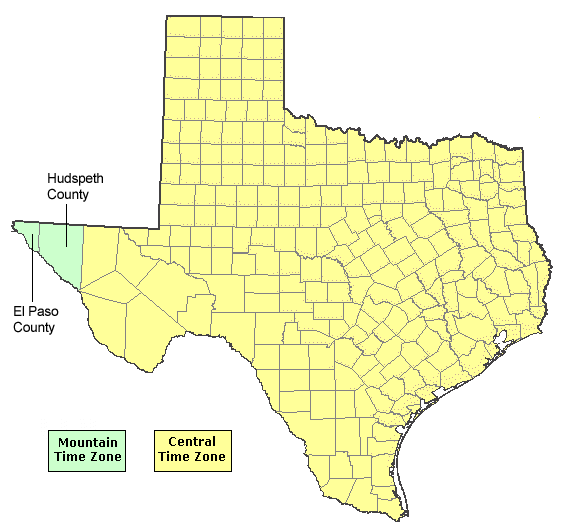
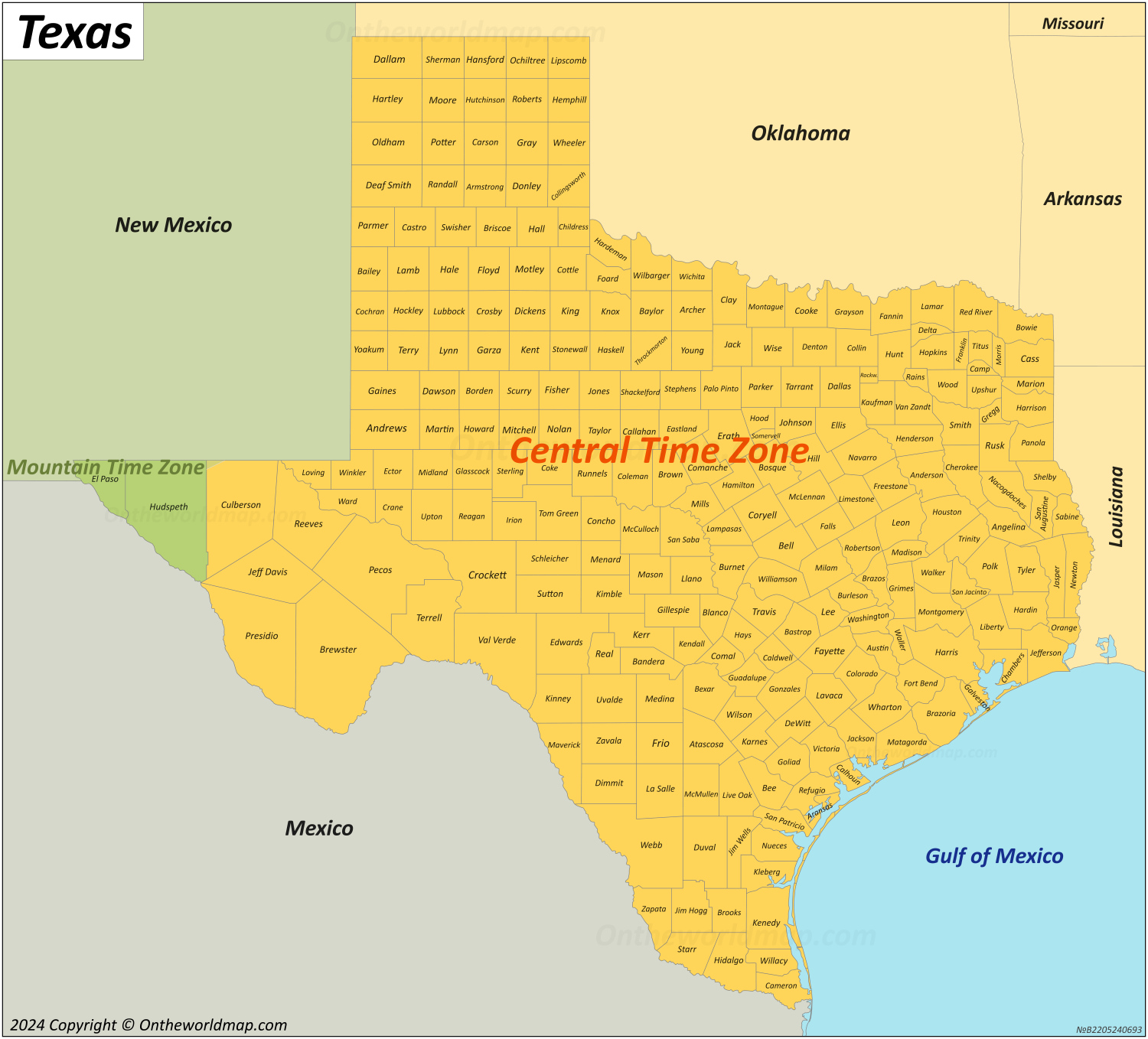
At its core, the question of “What time is it in Texas USA?” is straightforward, yet the answer requires a bit of context due to the state’s geographical expanse and its place within the broader North American timekeeping system. Texas predominantly observes the Central Time Zone (CT). However, a small portion of the state, specifically the westernmost tip, falls within the Mountain Time Zone (MT). This distinction, while seemingly minor, can have significant implications for travelers and businesses alike, especially when coordinating across different regions of the state or with other parts of the United States.
The Central Time Zone operates on Coordinated Universal Time (UTC)−6 during standard time and UTC−5 during daylight saving time. This means that during the warmer months, when daylight saving is observed, the clocks are advanced by one hour. The Mountain Time Zone, conversely, operates on UTC−7 during standard time and UTC−6 during daylight saving time. For a traveler, this difference can amount to an hour’s lag or lead, depending on where in Texas they find themselves. Understanding this temporal division is essential for booking flights, scheduling meetings, or simply enjoying the vast array of activities Texas has to offer.
Central Time Zone: The Dominant Pulse of Texas
The vast majority of Texas operates under the Central Time Zone. This encompasses major cities like Houston, Dallas, Austin, Fort Worth, San Antonio, and El Paso, along with countless smaller towns and rural areas. For most visitors, this is the time zone they will experience. The Central Time Zone is characterized by its alignment with the eastern part of the United States, meaning it is one hour ahead of Mountain Time, two hours ahead of Pacific Time, and three hours ahead of Alaska Time.
When considering your travel plans, whether it’s booking a stay at a luxurious resort like the Ritz-Carlton Dallas or a charming boutique hotel in the historic heart of San Antonio, aligning with Central Time is crucial. If you are arriving from a different time zone, understanding the adjustment is key. For instance, if you are coming from Los Angeles, which observes Pacific Time, you will need to set your watch forward by two hours upon arrival in Dallas or Austin. This is particularly important for early morning flights or planned activities.
The Central Time Zone also dictates the rhythm of daily life for locals, influencing everything from business hours at the Alamo to the opening times of local eateries serving authentic Tex-Mex cuisine. When planning your culinary explorations, from sampling barbecue in Austin to dining at a fine-dining restaurant in Houston, knowing the local time will ensure you don’t miss out on those sought-after dinner reservations or popular brunch spots. For those interested in experiencing the local culture, understanding CT helps in timing your visits to museums, art galleries, and historical landmarks across the state.
Daylight Saving Time in Texas
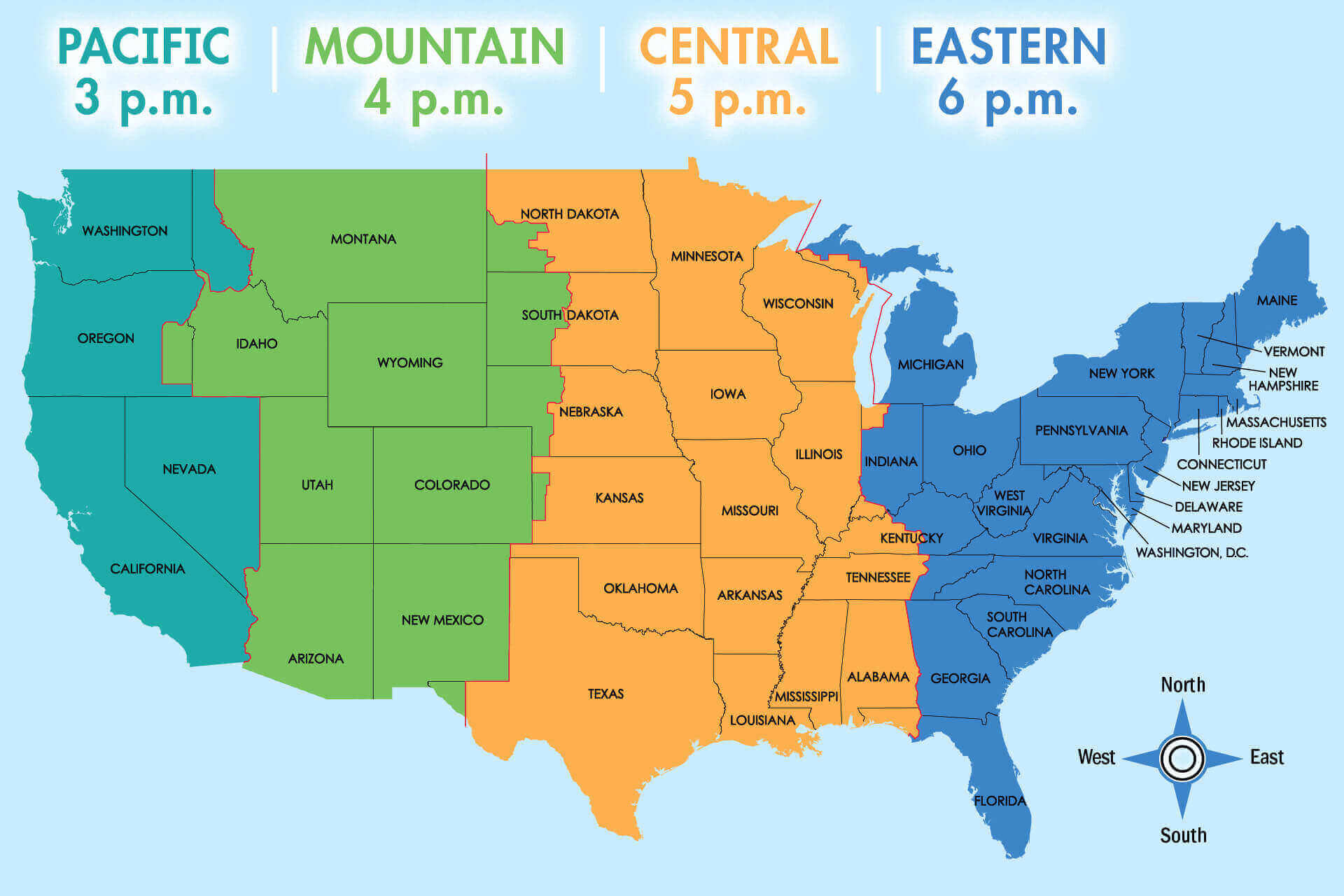
Like most of the United States, Texas observes Daylight Saving Time (DST). This annual practice, which typically begins on the second Sunday in March and ends on the first Sunday in November, sees clocks advanced by one hour. During DST, the Central Time Zone becomes Central Daylight Time (CDT), which is UTC−5. This shift is a common point of confusion for travelers, as it temporarily alters the time difference between time zones.
For example, during DST, the difference between Central Time and Pacific Time becomes three hours, rather than the two-hour difference observed during standard time. This is a vital piece of information for coordinating with family or colleagues back home, or for booking connecting flights. When you are packing for your trip to Texas, it’s always a good idea to check the current date and determine whether DST is in effect. Most smartphones and digital devices automatically adjust, but it’s wise to be aware of the change, especially when setting alarms for early morning excursions to places like the Natural Bridge Caverns.
The observance of DST means that the temporal landscape of Texas shifts twice a year. This is a consideration for anyone planning a long-term stay in a city like Fort Worth, where daily routines are governed by the clock. Understanding these transitions ensures that your accommodation bookings, whether it’s an apartment or a villa, are synchronized with your arrival and departure plans. Furthermore, for business travelers, awareness of DST is crucial for scheduling conference calls and meetings with clients in different time zones, ensuring professional punctuality.
Mountain Time Zone: The Westernmost Edge
While the majority of Texas operates under Central Time, a small, predominantly rural area in the western part of the state, primarily El Paso County and Hudspeth County, observes the Mountain Time Zone. This geographical quirk means that when it’s, for instance, 3 PM in Dallas, it is only 2 PM in El Paso. This distinction is important for travelers who might be journeying across the vast expanse of Texas or those who have specific interests in this unique region.
For those planning to explore the natural beauty and unique landscapes of West Texas, such as the Guadalupe Mountains National Park or the vast skies over Big Bend National Park, understanding Mountain Time is essential. If you’re considering a stay at a resort near El Paso or looking for accommodation with a view of the Franklin Mountains, the local time will be dictated by MT. This also means that businesses and services in this region will operate on this time.
The Mountain Time Zone operates on UTC−7 during standard time and UTC−6 during daylight saving time (Mountain Daylight Time – MDT). This aligns it with states like Colorado and Arizona (though Arizona notably does not observe DST). When planning travel that involves crossing from Central Time to Mountain Time within Texas, or vice-versa, it’s like stepping back an hour. This can be particularly relevant for drivers on long road trips who need to adjust their estimations of arrival times. For any activity, from visiting a local diner to attending a historical tour, being mindful of the time zone difference is key to a smooth experience.
Planning Your Texas Itinerary with Time Zones in Mind
Effective planning is the cornerstone of any successful trip, and understanding the time zones in Texas is no exception. Whether your focus is on exploring the iconic State Capitol in Austin, indulging in the vibrant arts scene in Dallas, or experiencing the unique culture of El Paso, temporal awareness will enhance your journey.
For travelers interested in luxury travel, ensuring that your bookings at premier hotels and resorts, such as the Four Seasons Hotel Austin, are coordinated with local time is paramount. This includes factoring in any time zone shifts if your itinerary takes you across the Central and Mountain time zones. Similarly, for those seeking budget-friendly accommodation or planning a long-term stay in an apartment in a city like San Antonio, being aware of the local time will help you maximize your days and avoid missed appointments or tours.
When researching destinations and attractions, always verify the operating hours in the local time zone. For instance, if you’re planning to visit a particular landmark or attend an event in Houston, confirm the start times in Central Time. If your plans extend to the western edge of the state, remember to make the necessary temporal adjustment. This attention to detail can prevent minor inconveniences from becoming major disruptions, allowing you to fully immerse yourself in the diverse experiences Texas has to offer. From its world-class dining to its breathtaking natural landscapes, a little temporal foresight will ensure your Texas adventure is as smooth and enjoyable as possible.
LifeOutOfTheBox is a participant in the Amazon Services LLC Associates Program, an affiliate advertising program designed to provide a means for sites to earn advertising fees by advertising and linking to Amazon.com. Amazon, the Amazon logo, AmazonSupply, and the AmazonSupply logo are trademarks of Amazon.com, Inc. or its affiliates. As an Amazon Associate we earn affiliate commissions from qualifying purchases.