
Embarking on a journey through the vast and varied landscapes of Texas is an adventure ripe with discovery, from bustling metropolises to serene natural wonders, historic landmarks, and vibrant cultural experiences. But before you finalize your itinerary, book your accommodations, or plan your dining experiences, there’s a fundamental question every traveler to the Lone Star State should consider: “What time is it in Texas?” It might seem straightforward, but this expansive state, known for its larger-than-life personality, actually spans two distinct time zones, a detail crucial for seamless travel planning, timely arrivals, and ensuring you don’t miss a moment of your incredible journey.
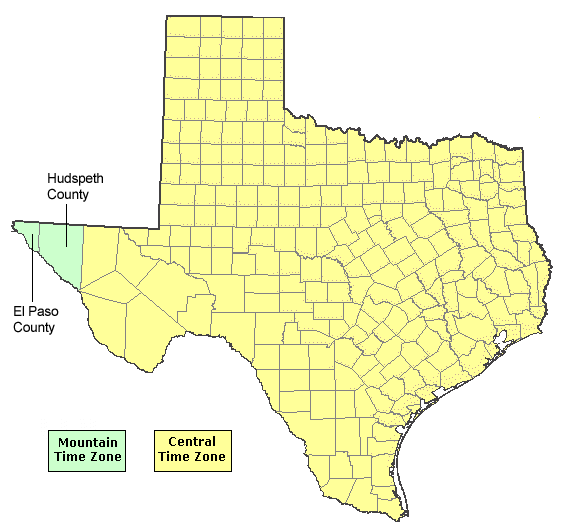
Understanding the temporal intricacies of Texas is more than just a matter of setting your watch; it’s a key element in navigating flight schedules, hotel check-in times, restaurant reservations, and the opening hours of attractions. For globetrotters and local explorers alike, a grasp of Texas’s time zones ensures a smooth, stress-free experience, allowing you to fully immerse yourself in the state’s unparalleled hospitality and diverse offerings. From the bustling Gulf Coast cities to the rugged beauty of West Texas deserts, every minute counts when you’re exploring this magnificent destination.
Understanding Texas Time Zones: A Traveler’s Essential Guide
The United States is a country of continental scale, and its varied geography necessitates multiple time zones to align solar time with standard clock time. Texas, being the second-largest state in the nation, is no exception to this rule, straddling the boundaries of two major time zones. While the vast majority of the state observes one time zone, a significant, albeit smaller, portion adheres to another, creating a unique challenge and opportunity for travelers. Recognizing which time zone governs your specific destination is paramount to avoid confusion and make the most of your valuable vacation time. This knowledge becomes particularly vital for those planning cross-state trips or connecting flights that might involve passing through the time zone demarcation. Beyond the basic time difference, factors like Daylight Saving Time also play a role, shifting clocks forward or backward depending on the season, adding another layer to your temporal considerations. Ignoring these details can lead to missed connections, late arrivals, or simply showing up at a restaurant an hour before or after your reservation.
Central Time Zone: The Heartbeat of Texas
The predominant time zone across Texas is the Central Time Zone (CT), which is UTC-6 during standard time and UTC-5 during Daylight Saving Time. This is where you’ll find virtually all of East Texas, North Texas, Central Texas, and South Texas, encompassing the state’s largest and most famous cities. When someone refers to “Texas time” without specifying, they are almost certainly referring to Central Time Zone.
Major metropolitan areas like Houston, Dallas, Austin, San Antonio, and Fort Worth all operate on Central Time Zone. This also includes popular coastal destinations such as Galveston and Corpus Christi, and the charming Hill Country towns like Fredericksburg and Gruene Hall. For the vast majority of visitors, especially those flying into major international airports like Dallas/Fort Worth International Airport or George Bush Intercontinental Airport in Houston, their entire trip will unfold within the Central Time Zone. This simplifies planning significantly, as you only need to adjust to one time once you arrive. The rich tapestry of experiences in these regions, from world-class museums and historic sites to vibrant nightlife and culinary delights, all march to the beat of Central Time Zone, making it the most common and easily managed time for visitors.
Mountain Time Zone: Where the West Begins
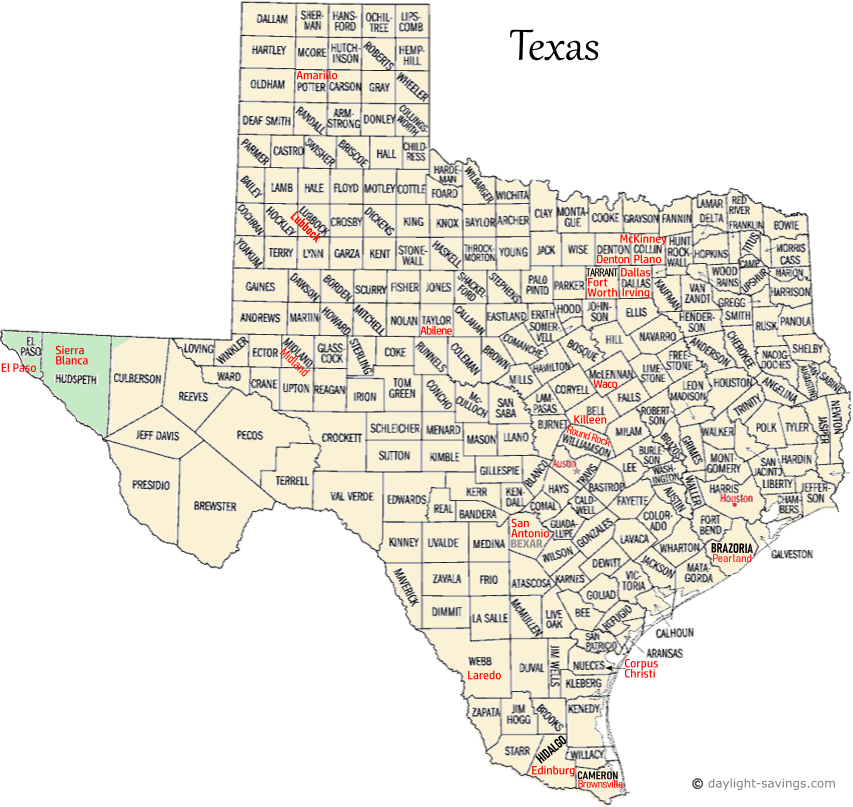
A small, yet geographically significant, portion of far West Texas observes the Mountain Time Zone (MT), which is UTC-7 during standard time and UTC-6 during Daylight Saving Time. This means that these areas are consistently one hour behind the rest of Texas. The city of El Paso is the largest and most notable metropolitan area in Texas that operates on Mountain Time Zone.
Beyond El Paso, several other counties in the extreme western part of the state also fall into this time zone. These include Hudspeth County, Culberson County, and parts of Jeff Davis County, Loving County, Reeves County, Ward County, and Winkler County. This region is distinct, characterized by its stunning desert landscapes, rugged mountains, and proximity to the New Mexico and Mexican borders. Travelers heading to natural attractions like Big Bend National Park or Guadalupe Mountains National Park, or those seeking the unique artistic vibe of Marfa, need to be acutely aware of this time difference. While many of these popular destinations are technically within the Central Time Zone, their proximity to the Mountain Time Zone and the El Paso area makes checking local times essential. Always double-check the specific time for your destination, especially if you’re traveling across the state or making connections from El Paso to other parts of Texas.
Navigating Texas: Planning Your Journey Across Time
For anyone planning a trip to Texas, the existence of two time zones is not a mere geographical footnote; it’s a critical piece of information that can significantly impact the success and enjoyment of your travel. From the moment you begin searching for flights to the minute you check out of your resort, being time-aware ensures that your experience is as seamless and stress-free as possible. Understanding the time zones allows you to synchronize your expectations with local realities, preventing frustrating delays or missed opportunities. It transforms a potential logistical hurdle into a smooth operational detail, empowering you to travel with confidence and peace of mind. Moreover, the unique distribution of these time zones often means that travelers traversing the state will encounter different local times, necessitating careful planning for everything from communication with loved ones to booking activities that span different regions. This level of foresight is a hallmark of an experienced traveler, demonstrating a commitment to an organized and enjoyable journey.
Seamless Travel and Accommodation Bookings
The implications of Texas’s dual time zones are most evident in travel logistics. When booking flights, particularly those with layovers or multiple legs within the state, pay close attention to the listed arrival and departure times and the time zone they reference. A flight arriving in El Paso at 3:00 PM Mountain Time Zone means it’s 4:00 PM in Dallas, a crucial detail if you have a connecting flight or ground transportation booked. Similarly, for hotel check-ins and check-outs, always confirm the local time. Most hotels and accommodations operate strictly by their local time, and arriving an hour early or late due to a time zone miscalculation could affect your room availability or incur additional charges.

When planning your accommodation, whether it’s a luxury suite at The Post Oak Hotel at Uptown Houston, a charming boutique stay like Hotel Ella in Austin, or a sprawling resort like JW Marriott San Antonio Hill Country Resort & Spa, always confirm the check-in and check-out times in local hours. The same applies to booking tours, excursions, or rental car pickups. Websites and booking platforms typically default to the local time of the service provider, but a quick double-check can prevent headaches. This meticulous approach to scheduling ensures that your travel day flows smoothly, from touchdown to tuck-in, allowing you to maximize your enjoyment of your chosen destinations without the stress of temporal mishaps.
Embracing Local Culture and Attractions Across Time Zones
Beyond the practicalities of travel, understanding the time zones enriches your engagement with Texas’s diverse local culture and attractions. Imagine planning to visit The Alamo in San Antonio or NASA Johnson Space Center in Houston – both firmly in Central Time Zone – only to realize you’ve been operating on Mountain Time Zone mentally. You could miss opening hours or scheduled tours. Likewise, when crossing into the Mountain Time Zone for a hike in Big Bend National Park or exploring the art installations of Marfa, remember that the day effectively “starts later” compared to Central Texas, granting you an extra hour of daylight if you travel west.
Dining reservations, especially for popular Tex-Mex joints or iconic BBQ spots, should also be confirmed with local time in mind. Festivals, concerts, and live music events, particularly in Austin, the self-proclaimed Live Music Capital of the World, adhere strictly to their local schedules. The beauty of Texas lies in its regional variations, and this extends to its temporal rhythm. Embrace the change as part of the adventure. By being mindful of the clock, you can fully immerse yourself in every unique Texan experience, from a sunrise desert safari in West Texas to a late-night stroll along the San Antonio Riverwalk, knowing you’re always on schedule. This thoughtful approach to time management allows for more genuine and unhurried interactions with the local culture, ensuring that every minute of your trip contributes to a rich tapestry of memories.
Texas Beyond the Clock: A Kaleidoscope of Experiences
While understanding Texas’s time zones is fundamental for efficient travel, it merely sets the stage for the boundless experiences awaiting visitors. The Lone Star State is a microcosm of diverse cultures, stunning landscapes, and unforgettable adventures, catering to every type of traveler. From the vibrant arts scenes of its major cities to the tranquil beauty of its national parks, and from the sophisticated elegance of luxury resorts to the rustic charm of authentic ranch stays, Texas promises a journey filled with discovery. The state’s vastness means that each region offers a unique flavor, distinct in its history, cuisine, and lifestyle. Whether you’re seeking a fast-paced urban exploration, a relaxing beach getaway, an immersive historical deep dive, or an exhilarating outdoor adventure, Texas delivers. The sheer variety of attractions and activities ensures that there’s always something new to see and do, making every visit a fresh and exciting prospect.
Iconic Cities and Their Timeless Allure
Each major city in Texas offers a distinct allure, contributing to the state’s rich tapestry of experiences. Houston, a global hub of energy and space exploration, boasts world-class museums, a thriving culinary scene, and the renowned NASA Johnson Space Center. Dallas, known for its sophisticated style, offers high-end shopping, a vibrant Dallas Arts District, and historical landmarks. Austin, the state capital and Live Music Capital of the World, pulsates with live music venues, eclectic eateries, and outdoor activities around Lady Bird Lake and the Texas State Capitol. San Antonio enchants with its deep historical roots, featuring The Alamo, the picturesque San Antonio Riverwalk, and Spanish colonial missions.
Beyond these giants, Fort Worth retains its cowboy heritage in the Stockyards National Historic District, offering daily cattle drives and rodeos. Coastal cities like Corpus Christi and Galveston provide sun-drenched beaches and fresh seafood, while South Padre Island is a prime destination for spring break and wildlife viewing. Even the smaller towns add to the charm: Waco draws visitors to Magnolia Market at the Silos, and the Hill Country towns like Fredericksburg are renowned for their burgeoning wine scene and German heritage. Each city offers a unique blend of attractions, from historical sites to modern entertainment, ensuring that there’s something to captivate every traveler, regardless of their interests or the time of year.
From Historic Landmarks to Natural Wonders
Texas’s landscape is as diverse as its culture, offering an incredible array of landmarks and natural wonders that captivate the imagination. History buffs can delve into the past at The Alamo, the cradle of Texas liberty, or explore the architectural grandeur of the Texas State Capitol in Austin. For those fascinated by the cosmos, the NASA Johnson Space Center offers a glimpse into space exploration.
Nature enthusiasts will find paradise in the vast expanses of Texas. Big Bend National Park, located in the remote Mountain Time Zone region, offers dramatic desert scenery, mountainous vistas, and unparalleled stargazing opportunities. Nearby, Guadalupe Mountains National Park is home to the state’s highest peak and stunning canyons. For coastal beauty, Padre Island National Seashore provides miles of undeveloped beaches, perfect for birdwatching and relaxation. Inland, the Hill Country boasts rolling hills, spring-fed rivers, and scenic drives, while the piney woods of East Texas offer dense forests and preserves like Big Thicket National Preserve. Theme parks like Six Flags Over Texas provide thrills for families, complementing the array of historical sites, museums, and outdoor adventures available across the state. The combination of historical significance and breathtaking natural beauty ensures that every traveler can find their ideal experience, creating memories that last a lifetime.
Making the Most of Your Texas Adventure
Ultimately, knowing “What time is it in Texas?” is more than just a trivial detail; it’s an essential part of a well-planned and enjoyable travel experience. By understanding the nuances of the Central Time Zone and the Mountain Time Zone, you empower yourself to navigate the state’s diverse offerings with confidence and ease. Whether you’re savoring the vibrant nightlife of Austin, exploring the historical depths of San Antonio, or hiking the rugged trails of Big Bend National Park, every moment will be maximized.
Embrace the unique temporal rhythm of the Lone Star State, and let it guide you through its incredible array of destinations, attractions, hotels, and cultural experiences. From luxury travel to budget-friendly family trips, Texas offers something for everyone, all within its fascinating two-time-zone landscape. So, set your watch, double-check your itinerary, and get ready to discover the timeless charm and boundless spirit of Texas. Your adventure, perfectly timed, awaits.
LifeOutOfTheBox is a participant in the Amazon Services LLC Associates Program, an affiliate advertising program designed to provide a means for sites to earn advertising fees by advertising and linking to Amazon.com. Amazon, the Amazon logo, AmazonSupply, and the AmazonSupply logo are trademarks of Amazon.com, Inc. or its affiliates. As an Amazon Associate we earn affiliate commissions from qualifying purchases.