
When planning a trip, one of the most fundamental questions often overlooked is “What time is it?” For travelers heading to Tucson, Arizona, understanding the local time isn’t just about setting your watch; it’s crucial for seamless travel, effective planning, and fully immersing yourself in the unique rhythm of this vibrant Sonoran Desert city. Whether you’re booking flights, scheduling tours, or simply coordinating with loved ones back home, knowing the exact time and how Tucson’s time zone operates is an essential first step for any itinerary. This guide dives deep into Tucson’s time, intertwining it with the myriad travel experiences, accommodations, and lifestyle offerings that make the Old Pueblo an unforgettable destination.
Understanding Tucson’s Time Zone: A Traveler’s Essential
Before you even consider which attractions to visit or where to stay, grasping Tucson’s time zone is paramount. It dictates everything from your arrival schedule to the timing of your desert adventures and evening plans.
Mountain Standard Time (MST) Explained
Tucson, like most of Arizona (with the notable exception of the Navajo Nation), operates on Mountain Standard Time (MST). This time zone is seven hours behind Coordinated Universal Time (UTC-7). For travelers arriving from other parts of the United States or international destinations, this means a potential time difference that needs to be accounted for. For instance, if you’re flying in from New York (Eastern Standard Time, EST), Tucson will be three hours behind. From Los Angeles (Pacific Standard Time, PST), it’s one hour ahead during standard time, but this shifts dramatically when Daylight Saving Time comes into play elsewhere.
Daylight Saving Time – Or Lack Thereof
Here’s the critical distinction: Arizona (again, excluding the Navajo Nation) does not observe Daylight Saving Time (DST). This unique policy significantly impacts how Tucson’s time relates to other states during different seasons. From March to November, when most of the United States “springs forward” an hour, Tucson remains on MST. This means that during DST, Tucson’s time effectively aligns with Pacific Daylight Time (PDT), meaning it is the same time as Los Angeles or San Francisco. This can often be a source of confusion for first-time visitors, but once understood, it streamlines planning.
Implications for Travel Planning and Coordination
Understanding Tucson’s consistent MST status simplifies numerous aspects of your travel planning.
- Flight Bookings: Always confirm arrival and departure times based on the local time zones.
- Hotel Check-ins/Check-outs: Coordinate your arrival at hotels or resorts with precision, especially if arriving from a different time zone. Most accommodation providers will operate on local time, and knowing the difference prevents unexpected delays or early arrivals.
- Tour Schedules: Guided tours of Saguaro National Park or visits to Mission San Xavier del Bac will adhere to Tucson’s local time. Double-checking schedules is always recommended.
- Business Stays: For those on business trips, coordinating meetings with colleagues in different time zones, particularly during Daylight Saving Time periods, requires careful attention to avoid miscommunications.
- Communicating with Home: Keeping track of the time difference ensures you don’t inadvertently call friends or family in the middle of the night.
Tucson’s Rhythmic Allure: Experiencing the Destination by the Clock
The consistent MST in Tucson isn’t just a technical detail; it shapes the very rhythm of life and tourism in the city. The desert climate dictates when activities are best enjoyed, making the “time of day” a critical factor in maximizing your Tucson experience.
Early Mornings and Desert Sunrises: A Time for Exploration
The cool, crisp air of a Tucson morning, especially from October to April, is nothing short of magical. This is the prime time for outdoor exploration. Waking up with the sun (or even before it) allows you to witness breathtaking desert sunrises, painting the sky with hues of orange, pink, and purple.
- Hiking and Biking: Trails in Saguaro National Park (both East and West districts), Catalina State Park, and the Sabino Canyon Recreation Area are best enjoyed in the cooler morning hours. Plan to hit the trails shortly after dawn to avoid the mid-day heat and enjoy the tranquility.
- Wildlife Viewing: Many desert creatures are most active during the cooler parts of the day. Early mornings offer the best chance to spot javelina, roadrunners, and various bird species.
- Hot Air Balloon Rides: For a truly unforgettable experience, consider a pre-dawn hot air balloon ride. Soaring above the Sonoran Desert as the sun ascends is a quintessential Tucson memory.
- Golf: Tucson’s numerous world-class golf courses, such as those at Omni Tucson National Resort or Ventana Canyon Golf & Racquet Club, are ideal for a morning tee-off.
Mid-Day Discoveries: From Museums to Missions
As the sun climbs higher, and the desert heat intensifies, especially during the summer months, Tucson offers a wealth of indoor and shaded attractions perfect for mid-day exploration.
- Cultural Landmarks: Dive into history at Mission San Xavier del Bac, often called the “White Dove of the Desert.” Its stunning architecture and rich history make it a must-visit.
- Museums: The Arizona-Sonora Desert Museum is a unique blend of zoo, botanical garden, and natural history museum, with many shaded exhibits. Other excellent choices include the Pima Air & Space Museum, showcasing incredible aircraft, or the Arizona State Museum for regional archaeology.
- Shopping and Dining: Explore the vibrant shops and local culture of downtown Tucson or Fourth Avenue. Enjoy leisurely lunches at Tucson’s renowned Mexican restaurants, famous for being a UNESCO City of Gastronomy.
Enchanting Evenings: Culinary Delights and Stargazing
As the sun sets, Tucson transforms. The cooler temperatures make for perfect evenings, whether you’re seeking culinary experiences, entertainment, or celestial wonders.
- Sunset Views: Head to scenic spots like Gates Pass or the Catalina Mountains for spectacular desert sunsets, often followed by vibrant afterglows.
- Dining Out: Tucson’s food scene truly shines in the evening. From authentic Sonoran hot dogs from a street vendor to upscale dining experiences at The Ritz-Carlton, Dove Mountain, there’s something for every palate.
- Stargazing: With its clear skies and minimal light pollution, Tucson is a prime location for stargazing. Visit Kitt Peak National Observatory for an unparalleled astronomical experience, or simply find a quiet spot outside the city limits.
- Nightlife and Arts: Enjoy live music, theater, or a stroll through art galleries in the downtown area.
Where to Rest Your Head: Accommodations Aligned with Your Schedule
Tucson’s diverse range of accommodations caters to every type of traveler and schedule, from those seeking timeless relaxation to those on a packed adventure itinerary.
Luxury Resorts and Spa Retreats for Timeless Relaxation
For travelers seeking an indulgent escape where time seems to slow down, Tucson boasts a collection of exquisite luxury resorts and spa retreats. These establishments offer a seamless blend of desert tranquility and opulent amenities, perfect for extended stays or a weekend getaway.
- The Ritz-Carlton, Dove Mountain: Nestled in the foothills of the Tortolita Mountains, this resort offers championship golf, a rejuvenating spa, and breathtaking views, inviting guests to unwind at their own pace.
- Loews Ventana Canyon Resort: Set against the backdrop of the Catalina Mountains, this resort features two PGA golf courses, a full-service spa, and a stunning desert waterfall.
- JW Marriott Starr Pass Resort & Spa: Known for its vibrant desert setting, challenging golf course, and an array of pools and water features, offering a resort experience that encourages guests to forget the clock.
These resorts often include fine dining options, ensuring guests can enjoy world-class cuisine without leaving the property, perfect for those who want to savor every moment.
Boutique Hotels and City Stays for Urban Explorers
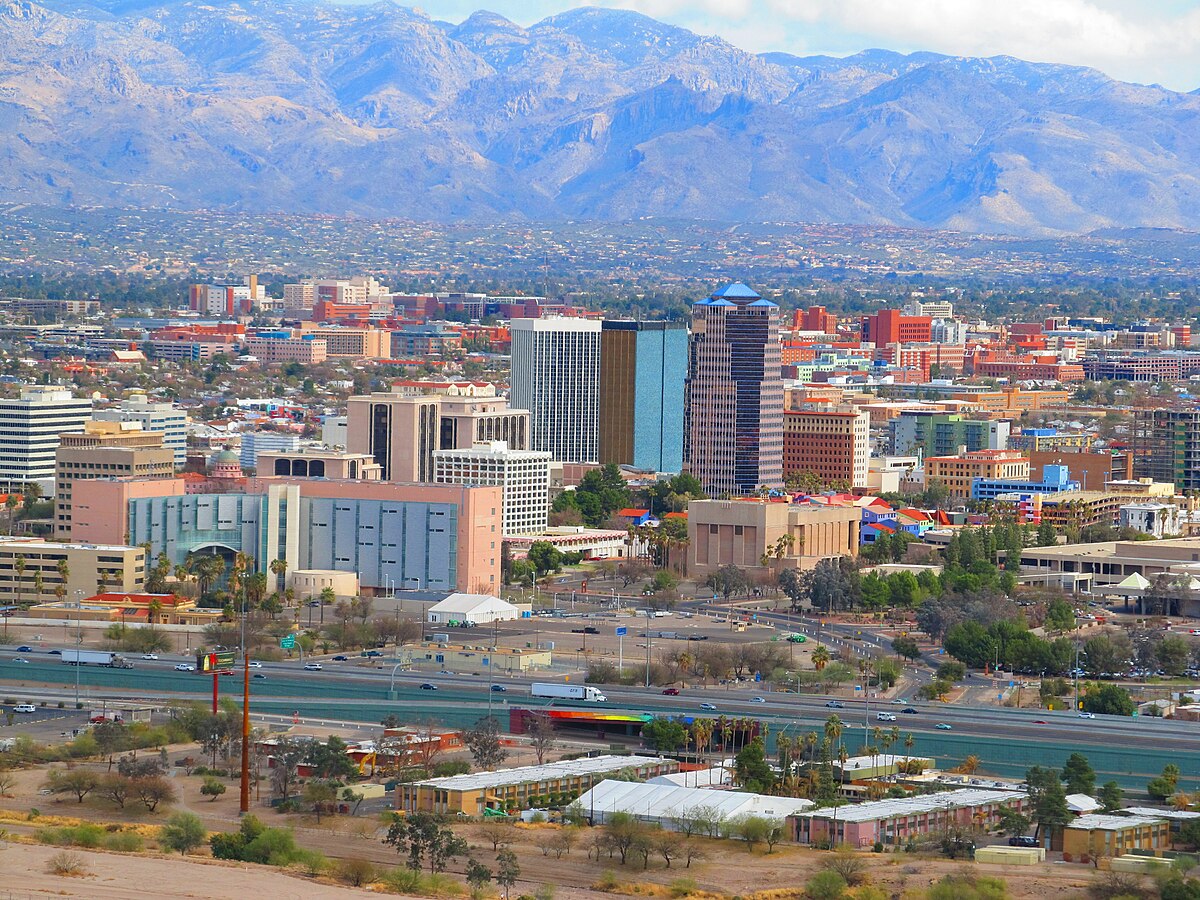
If your Tucson agenda involves exploring the downtown scene, vibrant art districts, and culinary hotspots, a boutique hotel or a city stay provides the ideal base. These accommodations are typically centrally located, offering easy access to Tucson’s urban pulse, allowing you to optimize your schedule for sightseeing and nightlife.
- Arizona Inn: A historic, charming boutique hotel offering a tranquil oasis close to the University of Arizona and downtown attractions. Its timeless elegance and serene gardens provide a delightful contrast to the desert landscape.
- Hotel Congress: Located in the heart of downtown, this iconic hotel is a historic landmark and a hub for Tucson’s music and arts scene, perfect for those seeking a lively urban experience.
- AC Hotel by Marriott Tucson Downtown: A modern option offering convenience and contemporary design, ideal for business travelers or those who prioritize proximity to downtown attractions and restaurants.
Booking a city stay ensures you’re never far from the action, allowing you to maximize your time exploring Tucson’s cultural offerings, from art galleries to live performances.
Budget-Friendly Options for Extended Adventures
Tucson is also welcoming to budget travelers and those planning long-term stays or family trips. A range of affordable hotels, motels, and vacation rentals offer comfortable and convenient bases for exploration without breaking the bank.
- Homewood Suites by Hilton Tucson/St. Philip’s Plaza University: Offers spacious suites with full kitchens, ideal for families or those planning a more extended visit.
- Embassy Suites by Hilton Tucson Paloma Village Canyon: Provides ample space and amenities for a comfortable stay, with the added benefit of complimentary breakfast, helping to keep budget travel costs down.
- Vacation Rentals: Apartments and villas available through platforms like Airbnb or VRBO offer flexibility and often kitchen facilities, perfect for travelers managing their meal times and daily schedules independently.
These budget-friendly options allow travelers to allocate more of their funds to experiences, whether it’s an adventurous day trip to a nearby ghost town or sampling more of Tucson’s famous food scene.
Beyond the Clock: Immersing Yourself in Tucson’s Lifestyle
While understanding the local time is practical, truly embracing Tucson means stepping beyond the rigid tick-tock of the clock and flowing with the city’s unique pace and natural rhythms.
Seasonal Timings and Best Times to Visit
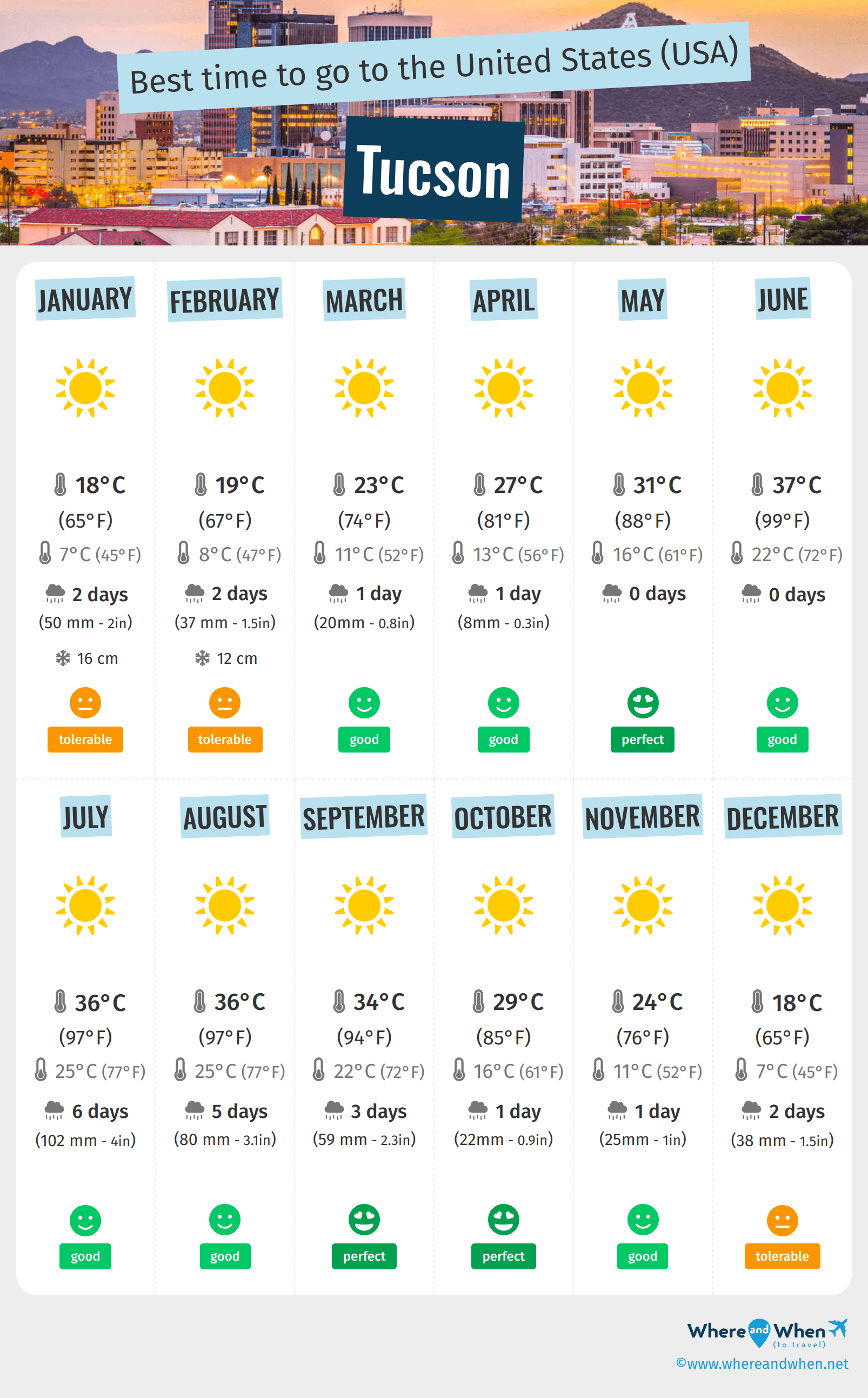
Tucson’s desert climate means that the “best time to visit” isn’t a fixed date but a season-dependent preference.
- Fall (October-November) and Spring (March-April): These are generally considered the peak tourism seasons, with mild temperatures perfect for outdoor activities and comfortable exploration. Hotels and resorts are busier, and booking well in advance is advisable.
- Winter (December-February): Enjoy cool days and crisp nights, ideal for hiking and exploring without the intense heat. This is also when many snowbirds flock to Tucson, contributing to a lively lifestyle.
- Summer (May-September): Characterized by intense heat, particularly in June and July. However, this is also the “monsoon season” (July-August), bringing dramatic afternoon thunderstorms that are a spectacle in themselves. Summer offers lower accommodation prices and fewer crowds, provided you plan indoor activities for the hottest parts of the day and embrace early morning or late evening outdoor ventures.
Planning Your Days: Activities and Tours
Effective time management allows you to pack in more experiences without feeling rushed. A flexible schedule, built around Tucson’s climate, is key.
- Morning Adventures: Dedicate mornings to major outdoor landmarks like Saguaro National Park, Sabino Canyon, or the Arizona-Sonora Desert Museum.
- Afternoon Delights: Transition to indoor attractions like the Pima Air & Space Museum, Old Tucson Studios, or the University of Arizona Museum of Art. Explore downtown Tucson’s shops or enjoy a leisurely lunch.
- Evening Culture: Enjoy Tucson’s diverse culinary scene, attend a performance, or indulge in stargazing.
Booking tours in advance, especially during peak season, ensures you secure your spot and helps structure your days efficiently.

The Local Pace: Embracing Sonoran Desert Living
Ultimately, while the question “What time is it in Tucson, Arizona?” is straightforward, the answer unfolds into a rich tapestry of practical information and cultural insight. Beyond the numerical time, it’s about understanding the subtle nuances of Sonoran Desert living. The local pace is often a little slower, a little more deliberate, encouraging visitors to savor moments rather than rush through them. Embrace the early mornings, retreat from the mid-day sun, and relish the enchanting evenings. This relaxed approach, coupled with precise time zone awareness, will allow you to fully appreciate the unique beauty, culture, and experiences that Tucson has to offer, making your travels truly unforgettable.
LifeOutOfTheBox is a participant in the Amazon Services LLC Associates Program, an affiliate advertising program designed to provide a means for sites to earn advertising fees by advertising and linking to Amazon.com. Amazon, the Amazon logo, AmazonSupply, and the AmazonSupply logo are trademarks of Amazon.com, Inc. or its affiliates. As an Amazon Associate we earn affiliate commissions from qualifying purchases.