
Navigating the nuances of time zones is an essential aspect of planning any journey, whether for business or leisure. For those venturing into the heart of the USA, specifically the state of Oklahoma, understanding the local time is paramount. This guide delves into Oklahoma’s time zone, its implications for travel and tourism, and how a keen awareness of the clock can enhance your entire experience, from booking accommodations to exploring its vibrant culture and landmarks.
Understanding Oklahoma’s Place in the Central Time Zone
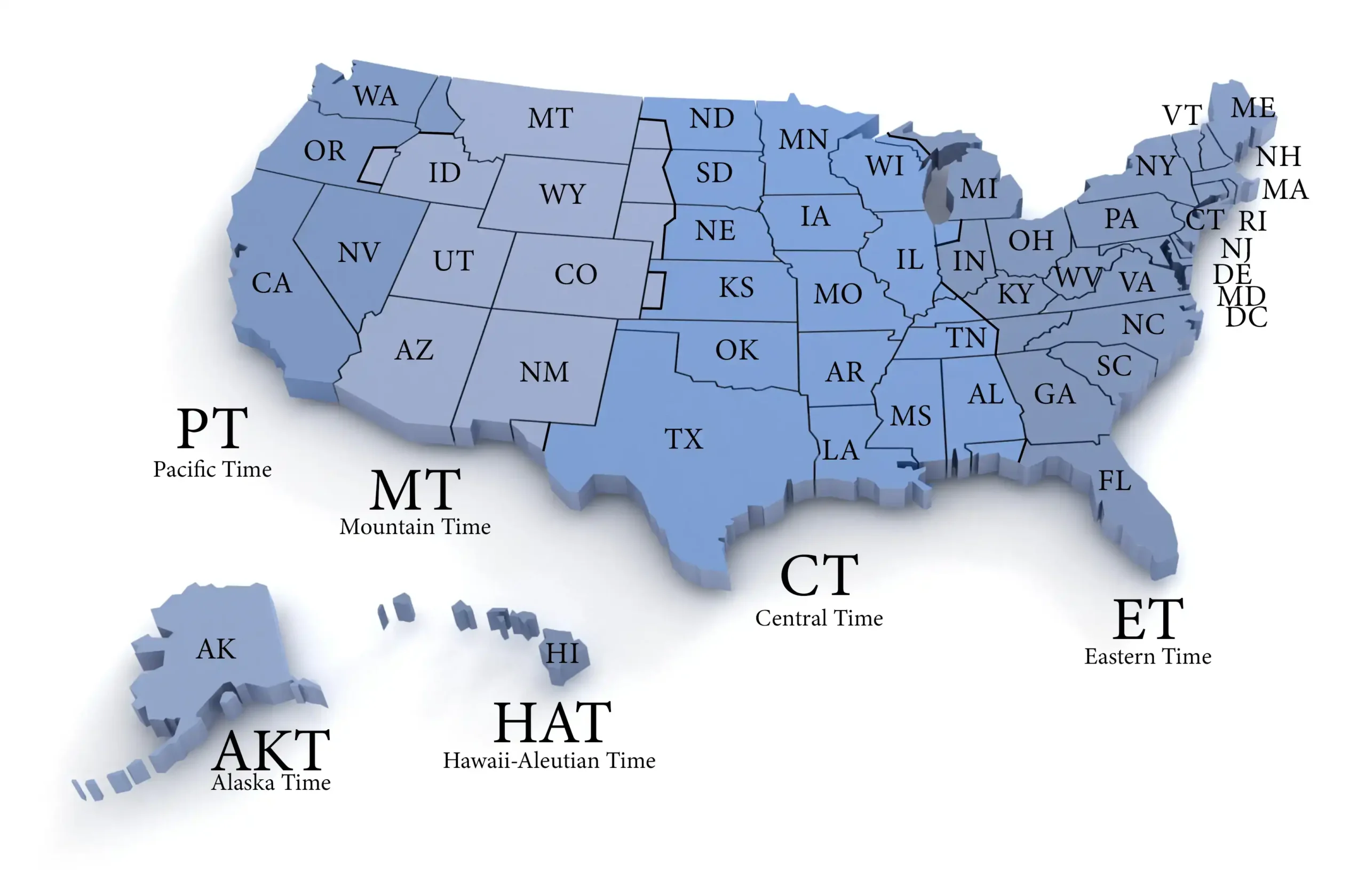
At its core, determining the current time in Oklahoma is straightforward: the entire state observes the Central Time Zone (CT). This consistency across the state simplifies planning considerably, eliminating the complications that states with multiple time zones might present.
The Basics of Central Time (CT)
The Central Time Zone is six hours behind Coordinated Universal Time (UTC-6). This means that if it’s noon UTC, it’s 6:00 AM in Oklahoma. This time zone broadly covers a swathe of the central USA and parts of Canada and Mexico. States like Texas, Kansas, Missouri, and Arkansas, which border Oklahoma, also primarily fall within the Central Time Zone, making regional travel relatively seamless from a time perspective. For those traveling from the East Coast, Oklahoma is one hour behind, while visitors from the West Coast will find Oklahoma two hours ahead. This differential is crucial for managing potential jet lag and coordinating schedules, especially for business stays or family trips involving young children.
Daylight Saving Time in Oklahoma
Like most of the USA, Oklahoma observes Daylight Saving Time (DST). This annual adjustment means that on the second Sunday in March, clocks “spring forward” by one hour, shifting the state to Central Daylight Time (CDT), which is UTC-5. On the first Sunday in November, clocks “fall back” by one hour, returning to Central Standard Time (CST), or UTC-6.
Understanding this bi-annual change is vital for tourists and residents alike. A flight booked for March, for instance, might be affected by the shift, potentially leading to missed connections or delayed arrivals if not accounted for. Similarly, the operating hours of attractions, restaurants, and other services will adjust with Daylight Saving Time. For example, a sunset viewing point or a timed entry to a museum would require careful checking of the local time change. When planning your trip, always confirm if your travel dates fall within a Daylight Saving Time transition period and adjust your itinerary accordingly to avoid any disruptions to your travel experiences.
Time Zone Travel Planning: Navigating Oklahoma with Precision
Precise time management is the bedrock of successful travel, especially when coordinating intricate itineraries that involve flights, hotel check-ins, attractions, and dining reservations. For those exploring Oklahoma, an understanding of the Central Time Zone is not just a convenience but a necessity for a smooth and enjoyable journey.
Seamless Hotel Bookings and Check-ins
Accommodation is often the first thing travelers book, and time zones play a critical role here. When booking a hotel, resort, or apartment in Oklahoma City or Tulsa from a different time zone, it’s essential to confirm all booking times (arrival, check-in, check-out) are understood in Oklahoma’s local time. What might seem like a late afternoon check-in at your home location could be early morning in Oklahoma, potentially leading to an unexpected early arrival or a wait for your room.
Consider an early morning flight arrival into Will Rogers World Airport in Oklahoma City at 8:00 AM CT. If you’re coming from the Eastern Time Zone, your body clock might feel it’s 9:00 AM, making an immediate check-in at a hotel like the Skirvin Hilton Oklahoma City or the 21c Museum Hotel Oklahoma City appealing. However, standard check-in times are often in the mid-afternoon. Being aware of this allows you to plan accordingly, perhaps arranging for an early check-in, or having a plan for luggage storage and immediate exploration of nearby attractions like Myriad Botanical Gardens while you wait.

Similarly, when dealing with customer service for hotels, suites, or even long-term stay apartments, always clarify the time zone for any discussions or appointments. This prevents miscommunication regarding amenities, special requests, or even cancellations. For luxury travel or business stays, where precision is paramount, misjudging the time can lead to missed meetings or a less-than-perfect experience.
Coordinating Attractions and Experiences
Oklahoma offers a wealth of attractions, from historical landmarks to vibrant cultural districts and natural wonders. Each has specific operating hours that strictly adhere to local Central Time. Failing to account for this can lead to arriving at a closed venue or missing out on a timed experience.
For example, a visit to the solemn and poignant Oklahoma City National Memorial & Museum or an exploration of the bustling Bricktown entertainment district will require an understanding of their opening and closing times. In Tulsa, the world-renowned Gathering Place or the elegant Philbrook Museum of Art also operate on strict schedules. If you’re planning a family trip, ensuring that kid-friendly activities like Science Museum Oklahoma or Frontier City are open when you arrive is crucial to maintain a smooth itinerary and happy travelers.
Furthermore, many experiences, such as guided tours, local culture workshops, or even booking a table at a popular restaurant in the Paseo Arts District, operate on a reservation system. Double-checking the time zone when making these bookings is a simple yet effective way to avoid disappointment. For those embarking on a budget travel adventure, optimizing your time to visit free attractions during their open hours can significantly enhance your experience without incurring extra costs. Always refer to the official websites of attractions for their most current operating hours, noting any seasonal changes or adjustments for Daylight Saving Time.
Experiencing Oklahoma: Time, Culture, and Lifestyle
Beyond the practicalities of booking and scheduling, understanding Oklahoma’s time zone enriches your immersion into the state’s unique local culture, its culinary scene, and its distinctive lifestyle. The rhythm of daily life in Oklahoma is intrinsically linked to the Central Time Zone, influencing everything from dining hours to the timing of community events.
Dining and Local Activities: Adapting to the Clock
Oklahoma’s food scene is a delightful blend of hearty comfort food, Tex-Mex influences, and emerging culinary innovations. From the famed onion burgers to exceptional barbecue and diverse international cuisines, a key part of the tourism experience is sampling these local flavors. Restaurants, diners, and food trucks across cities like Norman, Stillwater, and Lawton adhere strictly to Central Time for their operating hours. Lunch typically runs from noon to 2 PM, and dinner service often begins around 5 PM, extending to 9 PM or 10 PM.
Travelers arriving from time zones significantly different from CT may find their internal clock (circadian rhythm) out of sync with local meal times. This phenomenon, commonly known as jet lag, can affect appetite and energy levels. For those on a long-haul journey, gradually adjusting your sleep and meal schedule a few days before departure can ease the transition. Once in Oklahoma, embracing the local time for meals and activities will help you acclimate faster and fully enjoy the experiences, whether it’s catching a live music performance in Bricktown or participating in a festival.
Local activities, from farmers’ markets to outdoor concerts and sporting events, are all scheduled according to Central Time. If you plan to attend a University of Oklahoma football game in Norman or explore the boutiques in Utica Square in Tulsa, verify the schedule using local Oklahoma time to avoid missing out. This attention to detail ensures you can fully participate in the vibrant local lifestyle and cultural offerings.
Exploring Oklahoma’s Landmarks and Natural Beauty
Oklahoma is home to an impressive array of landmarks, historical sites, and natural beauty, each with its own operational hours tied to the local clock. From the historical significance of Route 66 attractions to the serene landscapes of its state parks, time dictates access and experience.
Consider a visit to the Woolaroc Museum & Wildlife Preserve near Bartlesville, where you can explore a stunning collection of Western art and encounter bison and longhorns. Or perhaps the breathtaking waterfalls of Turner Falls Park in the Arbuckle Mountains. These attractions have specific opening and closing times that shift with the seasons and Daylight Saving Time. For nature enthusiasts, sunrise and sunset times in Oklahoma are also governed by the Central Time Zone, providing ideal windows for photography or enjoying the outdoors. Planning your exploration of these landmarks and natural wonders with an awareness of the local time ensures you can maximize your time and appreciate their full splendor.
Many of Oklahoma’s landmarks also offer insights into its rich Native American heritage. The Chickasaw Cultural Center in Sulphur, for example, provides an immersive experience into Chickasaw history and traditions. These cultural institutions are integral to the tourism landscape and their accessibility is entirely dictated by the local Central Time. A quick check of their websites for operating hours before you visit is a simple step that can save valuable travel time and enhance your appreciation for Oklahoma’s diverse history and culture.
Beyond the Clock: Maximizing Your Oklahoma Visit
Understanding the time zone in Oklahoma is more than just knowing what time it is; it’s a foundational element for a truly successful and enriching travel experience. Whether you’re a seasoned globetrotter or planning your first visit, a mindful approach to the clock can transform your trip from ordinary to extraordinary.
For luxury travel, meticulous planning around the Central Time Zone ensures seamless transitions between private car services, exclusive dining reservations, and spa treatments at high-end resorts like The Mayo Hotel in Tulsa or the Shangri-La Resort on Grand Lake O’ the Cherokees. Every minute counts when you’re seeking a premium experience, and being in sync with local time minimizes any potential for disruption. Similarly, for business stays, punctuality is paramount. Coordinating meeting schedules, presentations, and client dinners with precision in Oklahoma’s local time ensures professionalism and productivity, whether you’re staying at the Ambassador Hotel Tulsa or a corporate apartment in Oklahoma City.
Budget travelers also benefit immensely from time zone awareness. By carefully planning daily itineraries around public transport schedules, happy hour deals, and free attractions, they can optimize their spending and maximize their experiences. Knowing precisely when museums offer free admission or when park gates close allows for efficient resource allocation and a more fulfilling journey without breaking the bank.
For family trips, managing time zones is often about managing energy levels and avoiding meltdowns. Aligning children’s sleep schedules with Oklahoma’s local time as quickly as possible is crucial. Planning activities around peak energy times and accounting for travel time between locations, such as driving to see the iconic Blue Whale of Catoosa along Route 66, ensures a more enjoyable and less stressful experience for everyone.
In conclusion, the answer to “What time is it in USA Oklahoma?” is always the Central Time Zone, adjusted for Daylight Saving Time. This seemingly simple fact is a powerful tool in the traveler’s arsenal. By integrating this knowledge into every aspect of your trip planning—from accommodation bookings and transportation logistics to exploring local culture, dining, and landmarks—you unlock the potential for a richer, more efficient, and ultimately more memorable Oklahoma adventure. Embrace the clock, and let it guide you through the wonders of the Sooner State.
LifeOutOfTheBox is a participant in the Amazon Services LLC Associates Program, an affiliate advertising program designed to provide a means for sites to earn advertising fees by advertising and linking to Amazon.com. Amazon, the Amazon logo, AmazonSupply, and the AmazonSupply logo are trademarks of Amazon.com, Inc. or its affiliates. As an Amazon Associate we earn affiliate commissions from qualifying purchases.