
For any traveler embarking on an adventure to the vast and vibrant Lone Star State, understanding the local time isn’t just a matter of curiosity – it’s a fundamental aspect of planning, logistics, and truly immersing oneself in the rhythm of this unique destination. Whether you’re flying in from across the globe, booking a stay at a luxurious Dallas hotel, or coordinating a tour of San Antonio’s historic sites, knowing what time it is in Texas is your first step towards a seamless experience.
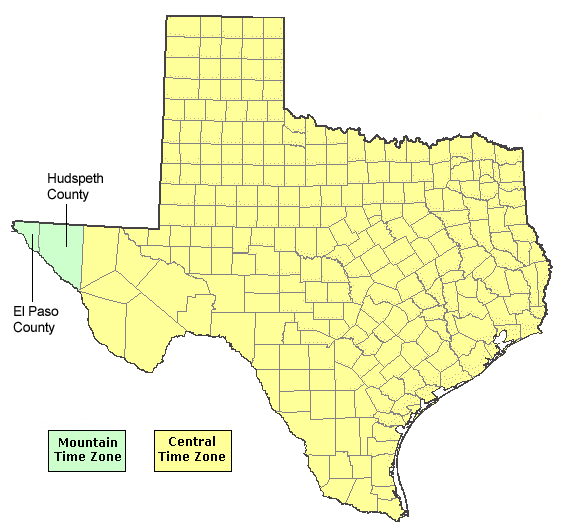
So, what time is it in Texas, USA? The majority of the state observes the Central Time Zone (CT). This means that during standard time, it is Central Standard Time (CST), which is UTC-6. When Daylight Saving Time (DST) is in effect, it shifts to Central Daylight Time (CDT), which is UTC-5. However, like any large and diverse geographical area, there’s a small but significant exception that savvy travelers should be aware of, especially when journeying to the far western reaches of the state.
This comprehensive guide will delve into the intricacies of Texas’s time zones, offering essential insights for travelers, from optimizing your itinerary and battling jet lag to understanding the local pace of life and timing your visits to the state’s iconic landmarks and attractions.
Navigating Texas’s Time Zones: More Than Just a Clock
Understanding Texas’s time zones is crucial for any travel planner. While most of the state adheres to one primary time zone, the sheer size of Texas means that this isn’t universally true, and even minor shifts can impact your plans significantly.
The Dominant Central Time Zone (CST/CDT)
The vast majority of Texas, including its major metropolitan areas like Houston, Dallas, Austin, and San Antonio, falls within the Central Time Zone. This means that for the bulk of your Texas adventures, you’ll be operating on either Central Standard Time (CST) or Central Daylight Time (CDT).
- Central Standard Time (CST): This is observed from early November to mid-March. During this period, Texas is six hours behind Coordinated Universal Time (UTC-6). If it’s noon UTC, it’s 6:00 AM CST.
- Central Daylight Time (CDT): From mid-March to early November, Texas observes Daylight Saving Time. Clocks “spring forward” one hour, placing Texas at five hours behind Coordinated Universal Time (UTC-5). This means more daylight in the evenings, perfect for extended sightseeing or enjoying al fresco dining experiences. If it’s noon UTC, it’s 7:00 AM CDT.
For most visitors flying into Dallas/Fort Worth International Airport, George Bush Intercontinental Airport in Houston, or Austin-Bergstrom International Airport, the Central Time Zone will be your primary reference. This consistency simplifies planning for the majority of the state’s offerings, from vibrant urban explorations to the sprawling beauty of the Hill Country and the charming communities of East Texas.
The Mountain Time Zone Anomaly: El Paso and Western Texas
Here’s where the time zone map for Texas gets interesting: a small, but culturally significant, portion of the westernmost part of the state observes the Mountain Time Zone (MT). The city of El Paso, nestled on the border with New Mexico and Mexico, and parts of Hudspeth County to its east, follow Mountain Standard Time (MST) or Mountain Daylight Time (MDT).
- Mountain Standard Time (MST): UTC-7.
- Mountain Daylight Time (MDT): UTC-6.
This means that El Paso is consistently one hour behind the rest of Texas’s Central Time Zone residents. For travelers exploring the vast landscapes of West Texas, including natural wonders like Big Bend National Park and Guadalupe Mountains National Park, this distinction is vital. While these parks themselves are generally in the Central Time Zone, reaching them might involve passing through El Paso, or you might consider side trips to the border city. Always double-check local times, especially if you have flight connections, hotel bookings, or scheduled tours in this region. A one-hour difference can make or break a tight itinerary.
Time-Sensitive Travel: Planning Your Lone Star State Adventure
Time awareness extends far beyond merely setting your watch. For a memorable and stress-free trip to Texas, integrating time zone considerations into your travel planning is paramount.
Flights, Check-ins, and Itinerary Harmony
The most immediate impact of time zones will be on your travel logistics.
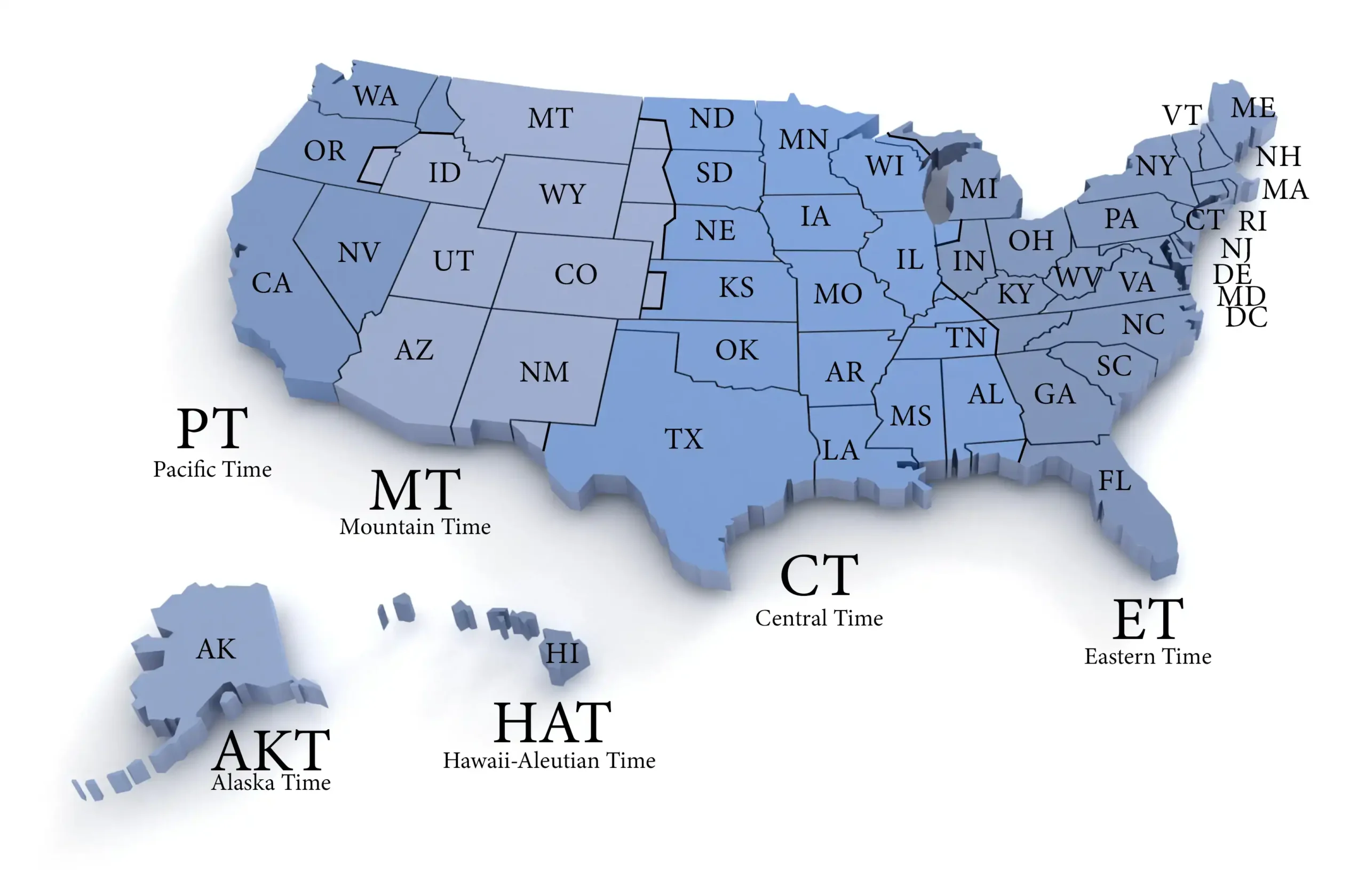
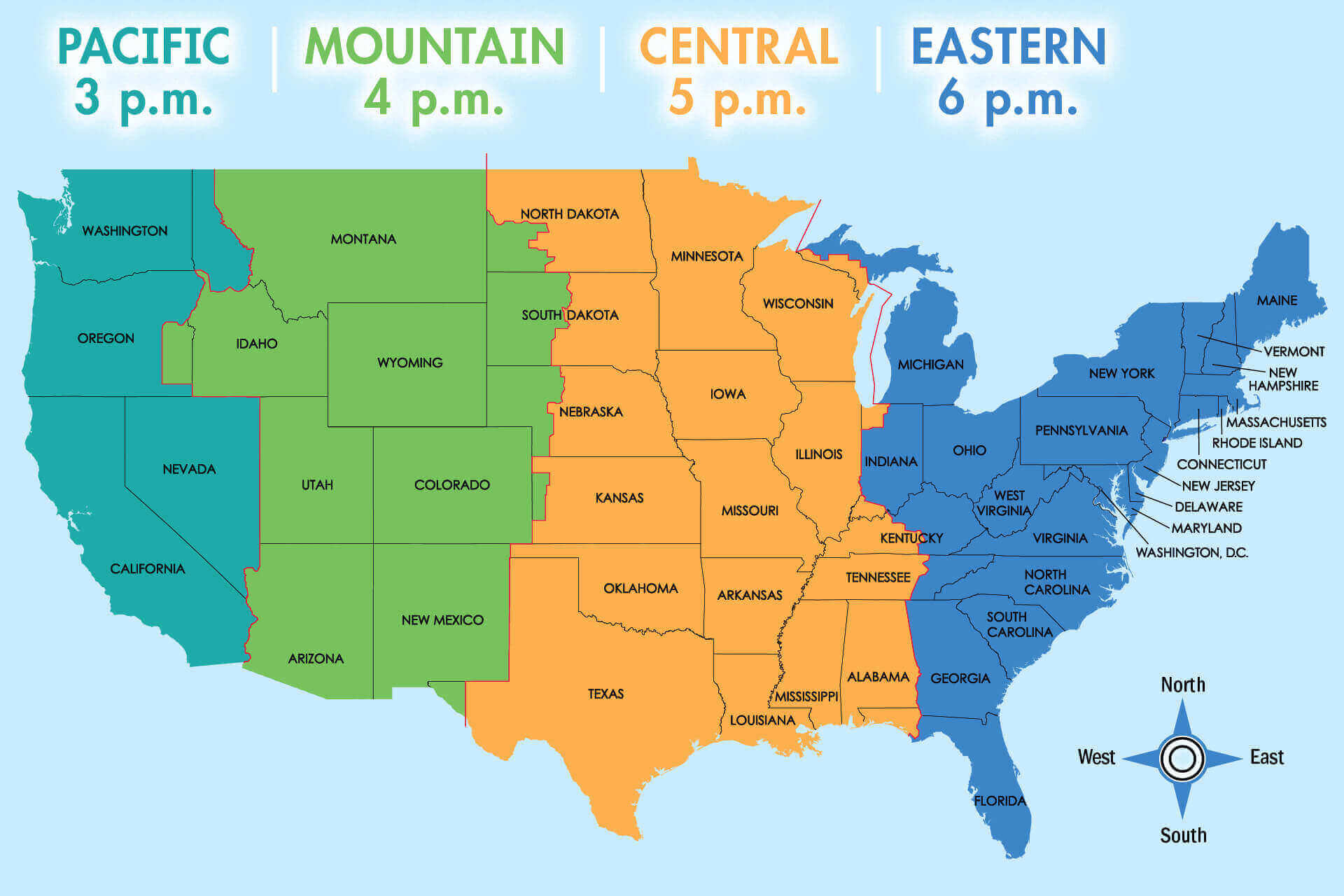
- Flight Bookings: When flying into Texas from the Pacific Time Zone (like California) or the Eastern Time Zone, remember to factor in the two-hour or one-hour difference, respectively. An early morning flight from New York might land you in Dallas feeling like it’s still the middle of the night if you don’t adjust your internal clock. Confirm arrival and departure times for flights, especially for connecting flights within Texas if El Paso is involved.
- Hotel Check-ins and Check-outs: Most hotels in Texas will have a standard check-in time, typically in the afternoon (e.g., 3:00 PM or 4:00 PM), and a check-out time around noon. If you arrive early after a long flight, knowing the local time allows you to plan for activities like exploring the hotel amenities, grabbing lunch, or dropping your bags with the concierge before your room is ready. Conversely, be mindful of check-out times to avoid late fees or ensure you have enough time for a leisurely breakfast.
- Booking Tours and Reservations: Whether you’re reserving a table at a critically acclaimed restaurant in Austin, booking a ghost tour in Galveston, or securing tickets for Space Center Houston, all times will be quoted in the local Texas time zone. If you’re scheduling these remotely from a different time zone, always do the conversion carefully to avoid missed appointments or double bookings.
Making the Most of Daylight: Attractions and Experiences
Texas boasts an incredible array of attractions, from historical sites and world-class museums to sprawling national parks and vibrant outdoor markets. Optimizing your visit often means understanding their operating hours in relation to the local time.
- Opening and Closing Times: Landmarks like the Alamo in San Antonio, museums in Houston’s Museum District, or shops in Dallas’s West End strictly adhere to local time schedules. Always check their websites for the most current information, as hours can change seasonally or for special events.
- Peak Hours: To avoid crowds at popular spots, consider visiting right at opening time or during the last hour before closing. This strategy is particularly effective for outdoor attractions during warmer months, allowing you to enjoy cooler temperatures and smaller groups.
- Outdoor Activities: Planning hikes in Big Bend National Park, fishing trips along the Gulf Coast, or exploring Austin’s numerous trails is best done with an eye on the clock. Early mornings or late afternoons often provide the most comfortable weather conditions, especially during the hot Texas summer. The extra daylight provided by Central Daylight Time can be a real boon for these activities.
Dining, Entertainment, and Texas Nights
The social rhythm of Texas cities also revolves around local time, influencing everything from meal schedules to nightlife.
- Dining Habits: While many restaurants in major cities cater to a variety of schedules, understanding typical Texas dining times can enhance your experience. Breakfast might be early for those seeking authentic breakfast tacos. Lunch is often between noon and 1:30 PM. Dinner can start as early as 5:30 PM in some areas, but in bustling cities like Austin or Dallas, late-night dining options are plentiful, and reservations for prime dinner slots might be for 7:00 PM or later.
- Nightlife and Entertainment: Texas is known for its vibrant live music scenes, especially in Austin, and diverse entertainment options across its major cities. Live music venues often have bands starting later in the evening, sometimes not until 9:00 PM or 10:00 PM, with shows running into the early hours. Bars and clubs typically open in the late afternoon and remain active until legal closing times, often around 2:00 AM. Plan your evenings accordingly to catch your favorite acts or enjoy the local scene without feeling rushed.
Mastering the Clock: Practical Tips for a Seamless Texas Trip
Beyond understanding the official time, there are practical strategies you can employ to ensure time zones and schedules work for you, not against you, during your Texas journey.
Beating Jet Lag and Adapting to Local Rhythms
For travelers coming from significantly different time zones, jet lag can be a real concern. Managing your internal clock effectively is key to enjoying your trip from day one.
- Adjust Before You Arrive: If possible, start shifting your sleep schedule a few days before your departure. For example, if you’re traveling from the Pacific Time Zone to Texas (moving forward two hours), try going to bed and waking up an hour earlier each day.
- Embrace Local Time Immediately: Once you land, set your watch to Texas time and try to adhere to local meal and sleep schedules. Even if you’re tired, try to stay awake until the local bedtime. Exposure to natural light during the day helps reset your circadian rhythm.
- Stay Hydrated and Limit Alcohol/Caffeine: Dehydration can exacerbate jet lag symptoms. Drink plenty of water and go easy on alcohol and caffeine, especially on travel days.
- Short Naps, Not Long Sleeps: If you must nap, keep it short (20-30 minutes) to avoid falling into deep sleep and further disrupting your night’s rest.
- Engage with Local Culture: Participating in daytime activities and immersing yourself in the local scene helps distract from fatigue and encourages your body to adapt to the new schedule. Enjoy a morning stroll along the San Antonio Riverwalk, explore a museum, or grab an early lunch.
Digital Tools and Double-Checking
In the age of smartphones, keeping track of time zones is easier than ever, but vigilance is still key.
- World Clock Apps: Utilize the world clock feature on your smartphone or a dedicated time zone app. These allow you to instantly see the current time in your home city and your Texas destination, making it easy to coordinate calls home or manage remote work if necessary.
- Automatic Time Updates: Most smartphones automatically update to the local time zone when you arrive, but it’s always a good practice to manually verify, especially if you’re renting a car with its own navigation system that might not update automatically.
- Confirm Everything: Before heading out for a critical appointment, a reserved tour, or a special dining experience, double-check the time and date. A quick call or a refresh of a website can prevent a major headache. This is particularly important around the transition dates for Daylight Saving Time (spring forward, fall back), as some older systems might not update immediately.
Time and Texas Through the Seasons: When to Visit
While the clock marks the hours of the day, the calendar marks the seasons, each bringing its own unique experiences and considerations for visiting Texas. Understanding the optimal times to visit different regions can significantly enhance your travel experience.
Spring Blooms and Festivals
(March to May)
Spring in Texas is a glorious time, characterized by pleasant temperatures, vibrant wildflowers like the iconic Bluebonnet Trails, and a calendar packed with events.
- Ideal for: Outdoor activities, city exploration, festivals.
- Key events: South by Southwest (SXSW) in Austin (March), Houston Livestock Show and Rodeo (March), Bluebonnet Festival in Burnet (April).
- Time considerations: Expect crowds and higher accommodation prices during major festivals. Book well in advance. Daylight Saving is in full effect, offering long, bright evenings for outdoor concerts and patio dining.
Summer Heat and Water Fun
(June to August)
Texas summers are hot, especially in North Texas and South Texas. However, this is also prime time for water-based activities and indoor attractions.
- Ideal for: Beaches along the Gulf Coast (e.g., Galveston, South Padre Island), floating rivers (e.g., San Marcos River, Comal River), indoor museums, theme parks.
- Time considerations: Plan outdoor activities for early mornings or late afternoons to avoid the intense midday heat. Hydration is crucial. Museums and indoor attractions offer a cool respite during the hottest parts of the day. Embrace the later sunsets with extended beach time or evening strolls.
Autumn Adventures and Cooler Climates
(September to November)
As temperatures begin to drop, autumn brings a welcome change, making it another fantastic time to visit Texas, particularly for outdoor enthusiasts and foodies.
- Ideal for: Hiking in state parks, exploring vineyards in the Hill Country, enjoying outdoor dining, football games.
- Key events: Texas State Fair in Dallas (September-October), Austin City Limits Music Festival (October), Oktoberfest celebrations.
- Time considerations: The transition out of Daylight Saving Time in early November means evenings get darker earlier, so plan outdoor activities accordingly. The milder weather encourages longer exploration periods.
Winter Escapes and Holiday Cheer
(December to February)
While Texas doesn’t typically experience harsh winters like more northern states, the season offers unique charm, particularly in the southern regions and during the holidays.
- Ideal for: Exploring historical sites without the crowds, enjoying holiday light displays (e.g., San Antonio Riverwalk), visiting South Texas for warmer temperatures.
- Time considerations: Shorter daylight hours mean earlier sunsets, making evening light displays even more magical. While the weather is generally mild, some days can be chilly, especially in North Texas or the Panhandle. Check forecasts for any unexpected cold snaps. This is generally the quietest time for tourism, offering more relaxed experiences and potentially better accommodation deals.
From the two-hour difference with the Pacific Time Zone to the singular hour of the Mountain Time Zone in El Paso, time in Texas is more than just a number on a clock face. It’s a critical element that shapes travel logistics, enhances cultural immersion, and dictates the pace of your adventures. By understanding and accounting for the local time, you empower yourself to navigate this immense and captivating state with confidence, ensuring every moment of your journey through the Lone Star State is truly memorable and well-spent. So set your watch, plan wisely, and prepare to experience Texas on its own terms.
LifeOutOfTheBox is a participant in the Amazon Services LLC Associates Program, an affiliate advertising program designed to provide a means for sites to earn advertising fees by advertising and linking to Amazon.com. Amazon, the Amazon logo, AmazonSupply, and the AmazonSupply logo are trademarks of Amazon.com, Inc. or its affiliates. As an Amazon Associate we earn affiliate commissions from qualifying purchases.