
Embarking on a journey to the majestic mountains of Vail, Colorado, is an experience that promises breathtaking scenery, world-class outdoor adventures, and unparalleled luxury. Whether you’re planning a thrilling ski trip, a serene summer hike, or a romantic getaway, understanding the local time is more than just a trivial detail – it’s a foundational element for a seamless and memorable visit. Knowing the precise time in Vail allows you to perfectly orchestrate your itinerary, from catching the first chairlift up Vail Mountain to securing a coveted dinner reservation at a gourmet restaurant in Vail Village.
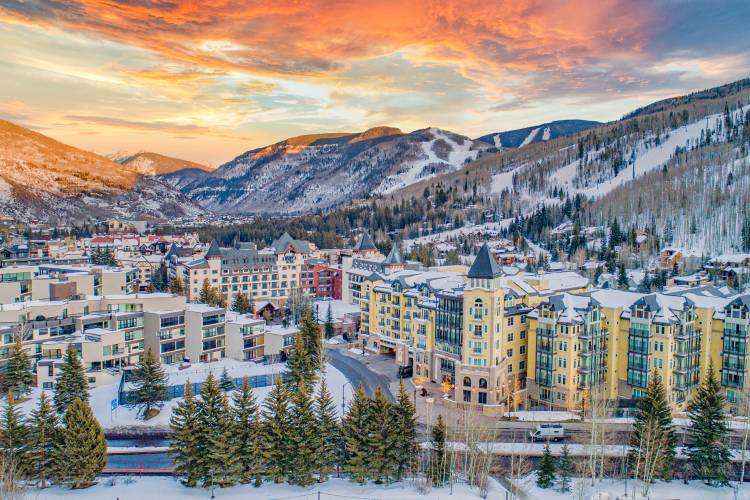
So, what time is it in Vail, Colorado? Vail observes the Mountain Time Zone (MT). This means during standard time, it is Mountain Standard Time (MST), which is UTC-7. When Daylight Saving Time is in effect, it switches to Mountain Daylight Time (MDT), which is UTC-6. Daylight Saving Time typically begins on the second Sunday in March and ends on the first Sunday in November. This shift means that for roughly eight months of the year, Vail is one hour ahead of MST, bringing more daylight into the evenings – a welcome bonus for extended outdoor activities and vibrant après-ski scenes. For travelers arriving from different time zones, especially those from the East or West Coasts, understanding this difference is crucial for minimizing jet lag and maximizing every precious moment in this stunning resort town.
Understanding Vail’s Time Zone: Mountain Standard Time and Mountain Daylight Time
The observance of the Mountain Time Zone is a defining characteristic for anyone planning to visit Vail. Unlike some regions that maintain a constant time offset year-round, Colorado fully participates in Daylight Saving Time, which has significant implications for visitors.
The Basics: MST vs. MDT
During the winter months, from early November to early March, Vail operates on Mountain Standard Time (MST). This period coincides with the peak ski season, when the crisp morning air and early sunsets define the rhythm of the day. Lift operations often begin around 9:00 AM MST, and the slopes typically close by 4:00 PM MST, leaving ample time for an après-ski experience before darkness fully sets in. For those arriving from the Eastern Time Zone, Vail will be two hours behind, while visitors from the Pacific Time Zone will find Vail one hour ahead. This difference is vital for coordinating flights, hotel check-ins, and activity bookings, especially if you’re traveling with a group or have connecting flights through hubs like Denver International Airport (DIA).
Navigating Daylight Saving Time in Colorado
As spring arrives and the days lengthen, Vail springs forward to Mountain Daylight Time (MDT). This shift occurs on the second Sunday in March, when clocks advance by one hour. The transition to MDT means that evenings become noticeably brighter, extending opportunities for outdoor recreation well into the later hours. For summer travelers, this extra hour of daylight is a tremendous asset. You can enjoy an afternoon hike through the scenic trails surrounding Vail, explore the vibrant Betty Ford Alpine Gardens, or indulge in a leisurely al fresco dinner, all bathed in the warm glow of the setting sun. The shift back to MST happens on the first Sunday in November, marking the approach of winter and the beginning of another ski season. Always remember to adjust your watches and devices accordingly upon arrival or departure, or better yet, rely on your smartphone’s automatic time zone detection for hassle-free synchronization.
The Rhythm of Vail: How Time Shapes Your Mountain Experience
Vail is a destination where time takes on a different meaning, dictated by the sun’s path across the mountains and the distinct seasons. Every aspect of your journey, from thrilling adventures to serene relaxation, is intrinsically linked to the clock.
Timing Your Adventures: From First Chair to Last Call
For many, Vail is synonymous with world-class skiing and snowboarding. During the winter, the opening of the lifts, such as Gondola One in Vail Village or the Eagle Bahn Gondola in Lionshead Village, marks the start of an exhilarating day on the slopes. Typically, lifts begin operating around 8:30 or 9:00 AM MST, giving early risers the chance to carve fresh tracks in the famed Back Bowls or explore runs in Game Creek Bowl, Sun Up Bowl, or Sun Down Bowl. Lift closing times, usually between 3:30 PM and 4:00 PM MST, signal the transition to après-ski revelry.
In the summer, Vail transforms into a vibrant hub for hiking, mountain biking, and white-water rafting. The longer daylight hours of MDT allow for extended morning excursions or leisurely afternoon activities. A morning hike to higher elevations provides cooler temperatures and stunning panoramic views, while an afternoon bike ride can stretch into the early evening, with the sun casting golden hues over the landscape. Booking guided tours or equipment rentals often requires adherence to specific time slots, making punctual planning essential.
Dining in Vail is an experience in itself, ranging from casual cafes to Michelin-starred restaurants. Breakfast service typically starts early, catering to those eager to hit the slopes or trails. Lunch can be a quick bite on the mountain or a relaxed affair in the villages. Dinner, especially at popular establishments, demands reservations, often weeks in advance for peak season. Happy hour, a cherished tradition in Vail, usually runs from late afternoon into early evening, offering a perfect opportunity to unwind after a day of activity. Nightlife in Vail heats up after dinner, with bars and lounges buzzing with energy, often well into the early morning hours, particularly on weekends.
Seamless Stays: Accommodation and Check-in/Check-out Times
Accommodation is a core component of any Vail trip, and understanding time-related protocols is crucial for a smooth experience. Most hotels, resorts, and vacation rentals in Vail adhere to standard industry check-in and check-out times. Check-in is typically in the late afternoon, often between 3:00 PM and 4:00 PM MST or MDT, while check-out is usually by 10:00 AM or 11:00 AM. This allows housekeeping ample time to prepare rooms for new arrivals.
For travelers arriving early or departing late, many establishments like the Grand Hyatt Vail, The Sebastian Vail, or the Four Seasons Resort and Residences Vail offer luggage storage services, allowing you to enjoy extra time on the mountain or explore the villages without the burden of your bags. Some luxury resorts might offer early check-in or late check-out options, subject to availability and sometimes an additional fee. It’s always advisable to confirm these details directly with your chosen accommodation, whether it’s a hotel, a private villa, or an apartment rental, to avoid any last-minute surprises. This planning also extends to booking amenities like spa treatments, fitness classes, or even ski valet services, which often require scheduled appointments.
Conquering Jet Lag for an Optimal Start
For international visitors or those traveling across multiple time zones within the United States, jet lag can be a real concern. Arriving in Vail from the East Coast, for example, means adjusting to a two-hour time difference. While seemingly minor, this can disrupt sleep patterns and energy levels. To mitigate jet lag, try to adjust your sleep schedule gradually a few days before your trip. Upon arrival, expose yourself to natural light during the day, stay hydrated, and try to synchronize with the local Vail time as quickly as possible, even if it means pushing through initial fatigue. Avoiding heavy meals and excessive alcohol on travel day can also aid in a smoother transition, ensuring you’re refreshed and ready to embrace all that Vail has to offer from your very first morning.
Beyond the Clock: Maximizing Your Vail Itinerary
While knowing the current time is a practical necessity, understanding the broader temporal flow of Vail – its seasons, peak times, and operational hours – empowers you to craft an itinerary that truly captures the essence of this magnificent destination.
Planning Around Peak Seasons and Events
Vail’s allure shifts with the seasons, each offering a distinct experience that impacts planning and crowd levels. Winter, especially from mid-December through March, is prime ski season, drawing visitors globally. During this period, particularly around holidays like Christmas, New Year’s, and President’s Day week, the villages are bustling, restaurants are booked solid, and lift lines can be longer. Booking accommodations, flights (especially into Eagle County Regional Airport (EGE) or DIA with a drive up Interstate 70 (I-70)), and activities well in advance is paramount.
Summer (June to September) offers a different kind of vibrancy, with festivals, concerts, and endless outdoor activities. The Vail Dance Festival and various art markets bring a cultural richness, while the mountains are perfect for hiking, biking, and golfing. Fall brings stunning foliage and a quieter, more reflective atmosphere before the snow returns. Planning your trip around these seasonal rhythms and local events, often announced months ahead, allows you to align your expectations with the prevailing mood and available activities.
Exploring Vail’s Landmarks and Attractions by the Hour
Vail boasts numerous landmarks and attractions, each with its own operational schedule that tourists should consider. Vail Mountain itself is the primary landmark, accessible via the Gondola One and Eagle Bahn Gondola, which operate during daylight hours. In winter, this means early morning to late afternoon for skiing; in summer, they ferry hikers and sightseers up the mountain, often with extended hours on specific days for scenic rides or mountaintop dining.
The Betty Ford Alpine Gardens, the highest botanical garden in North America, typically has visitor center hours from late morning to late afternoon, though the outdoor gardens are often accessible from dawn till dusk. The Colorado Ski & Snowboard Museum, located in Vail Village, also operates within standard museum hours, usually closing in the late afternoon. For those seeking relaxation, spa and wellness centers at luxury hotels like The Lodge at Vail or Vail Health offer a range of treatments that require pre-booked appointments, often available from morning until early evening. Understanding these operating hours is vital for constructing a realistic and enjoyable daily schedule that avoids disappointment.
Culinary Delights and Cultural Immersion: When to Indulge
The culinary scene in Vail is as diverse as its landscapes, offering everything from casual eateries to fine dining experiences. Timing plays a crucial role in enjoying these offerings. For breakfast, many cafes open early, around 7:00 AM MST or MDT, perfect for fueling up before a day on the slopes or trails. Lunch service generally runs from 11:00 AM to 2:00 PM. Dinner, the highlight for many, typically begins around 5:00 PM, with peak reservation times between 6:30 PM and 8:30 PM. To secure a table at highly sought-after restaurants, especially during peak season, making reservations weeks or even months in advance is not uncommon.
Beyond dining, Vail offers opportunities for cultural immersion. Farmers markets, art walks, and live music performances have specific timeframes, often in the late mornings or afternoons. Checking local event calendars upon arrival or beforehand will ensure you don’t miss out on these enriching experiences. From a sunrise yoga session with mountain views to a starlit concert under the clear Colorado sky, the timing of these activities enhances their magic.
Practical Tips for Time Management in Vail
Efficient time management in Vail is key to a stress-free and fulfilling vacation, allowing you to balance activity with much-needed relaxation.
Staying Synced: Tools and Habits
In today’s connected world, keeping track of time in Vail is easier than ever. Your smartphone will automatically adjust to the local time zone, making it a reliable tool. However, it’s always wise to have a backup, such as a traditional watch, especially for activities where phone usage might be impractical. Before your trip, create a rough itinerary that blocks out time for major activities, meals, and travel between locations. While it’s good to plan, remember that flexibility is also important; mountain weather can be unpredictable, sometimes necessitating a change of plans. Confirming operating hours for lifts, restaurants, and attractions a day or two in advance can prevent last-minute frustrations. Setting reminders on your phone for reservations or appointments is a simple yet effective way to stay on schedule.
The Art of Unwinding: Embracing Vail’s Leisurely Pace
While Vail offers a plethora of activities, don’t forget to schedule time for relaxation and simply soaking in the serene mountain atmosphere. Part of the Vail lifestyle is knowing when to slow down. Whether it’s enjoying a leisurely coffee on your hotel balcony, indulging in a spa treatment, or simply sitting by a fireplace with a good book, these moments are just as crucial as the high-energy adventures. Allocating “buffer” time between activities can prevent rushing and allow for spontaneous discoveries, such as a charming boutique or a scenic viewpoint you hadn’t planned for. Balancing a packed itinerary with periods of mindful relaxation ensures that your trip to Vail is not just exciting, but also rejuvenating.
In conclusion, knowing what time it is in Vail, Colorado – Mountain Time with Daylight Saving Time adjustments – is fundamental to orchestrating a flawless mountain getaway. From the practicalities of travel logistics and activity planning to immersing yourself in Vail’s vibrant culinary and cultural scenes, every moment counts. By understanding and embracing the local time, you empower yourself to fully experience the beauty, adventure, and luxury that make Vail an unforgettable destination.
LifeOutOfTheBox is a participant in the Amazon Services LLC Associates Program, an affiliate advertising program designed to provide a means for sites to earn advertising fees by advertising and linking to Amazon.com. Amazon, the Amazon logo, AmazonSupply, and the AmazonSupply logo are trademarks of Amazon.com, Inc. or its affiliates. As an Amazon Associate we earn affiliate commissions from qualifying purchases.