
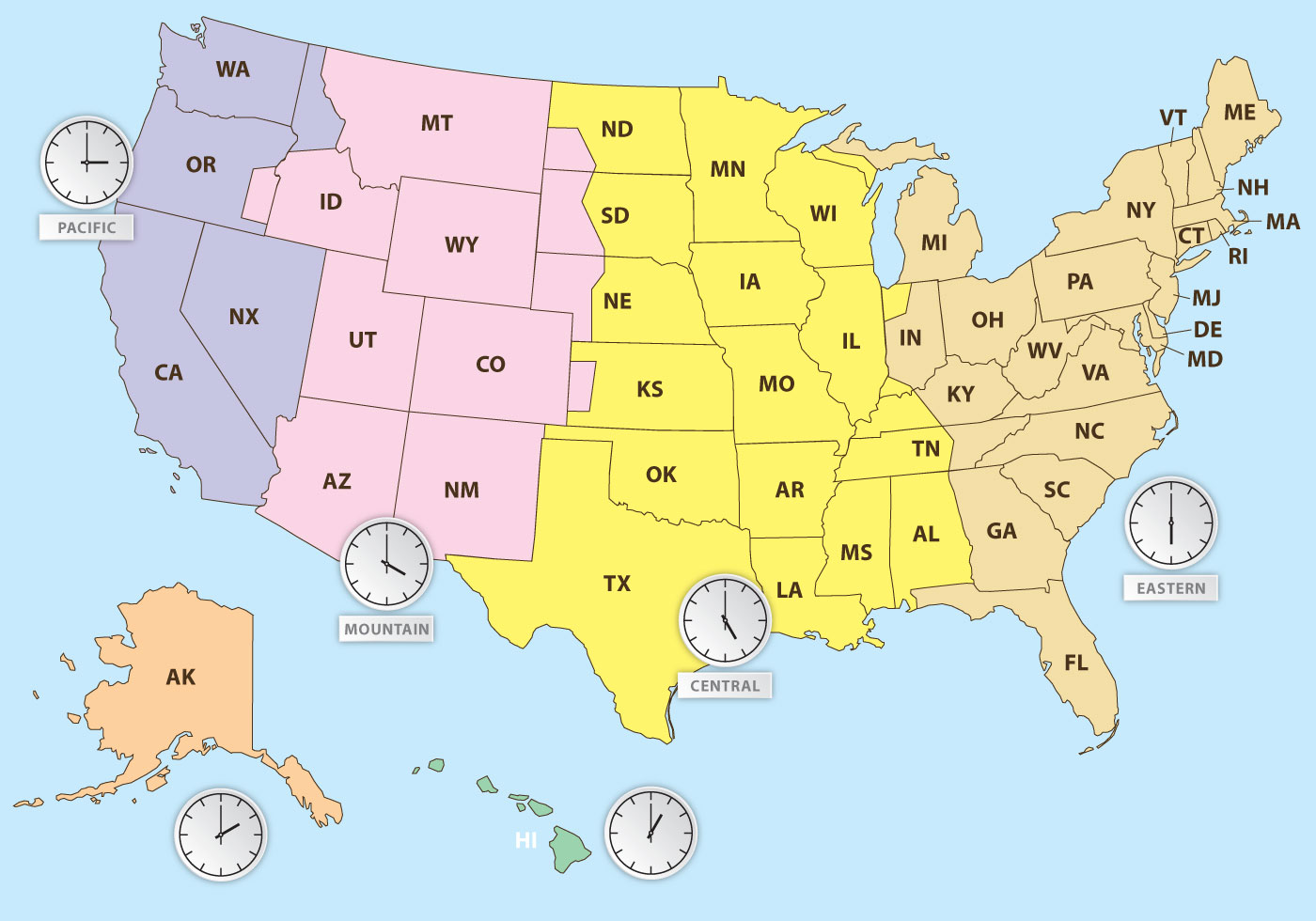
Beyond a simple glance at a clock, understanding “what time it is” in a place like Yuma, Arizona unlocks a deeper appreciation for its unique rhythm, lifestyle, and history. At its core, Yuma operates on Mountain Standard Time (MST) year-round, notably observing permanent standard time and not adjusting for Daylight Saving Time. This means that for much of the year, Yuma aligns with Pacific Daylight Time (PDT) when other states are observing it, while maintaining its MST identity. This peculiar temporal stability isn’t just a quirk on the clock; it’s a foundational element that shapes daily life, influences tourism, and helps define Yuma’s distinctive charm, making it an intriguing destination for travelers seeking a sun-drenched escape with a relaxed pace.
For visitors planning a trip to this vibrant corner of the Sonoran Desert, understanding this time zone consistency is the first step in synchronizing with Yuma’s unique pulse. It’s a city where the desert sun dictates schedules, where history is deeply etched into the landscape, and where the Colorado River provides a refreshing counterpoint to the arid surroundings. This article delves into the temporal intricacies of Yuma, exploring how its time zone impacts everything from its daily routines to its appeal as a premier travel destination, rich in culture, adventure, and unparalleled warmth.
Unraveling Yuma’s Timeless Charm: The MST Difference
The question of “what time is it?” in Yuma quickly leads to a fascinating discussion about Arizona’s unique approach to timekeeping. Unlike most of the United States, Arizona famously opts out of Daylight Saving Time, a decision rooted in its historical and geographical context. This choice has profound implications for how life unfolds in Yuma, influencing everything from morning commutes to sunset experiences and the flow of its robust tourism industry.
A Deep Dive into Yuma’s Time Zone
Yuma, like the majority of Arizona, remains on Mountain Standard Time throughout the year. This means that from March to November, when most other states “spring forward” into Daylight Saving Time, Yuma does not. Consequently, during these months, Yuma’s clocks align with what would typically be Pacific Daylight Time. When the rest of the country “falls back” in November, Yuma then returns to being an hour ahead of the Pacific Time Zone. This consistent MST observance is not just a quirky detail for residents; it’s a significant factor for travelers, especially those arriving from neighboring California or Nevada, who often find themselves making mental adjustments.
The rationale behind Arizona’s decision to forgo Daylight Saving Time is largely practical. With its intense desert heat, especially in cities like Yuma, extending daylight into the evening hours during summer would simply mean more hours of scorching sun. By sticking to standard time, the sun sets earlier, allowing for cooler evenings and more comfortable outdoor activities, which aligns perfectly with the local lifestyle and energy conservation efforts. This unique temporal position also simplifies scheduling for businesses and residents, eliminating the bi-annual clock changes that can disrupt sleep patterns and routines.
The Rhythms of Daily Life in Yuma
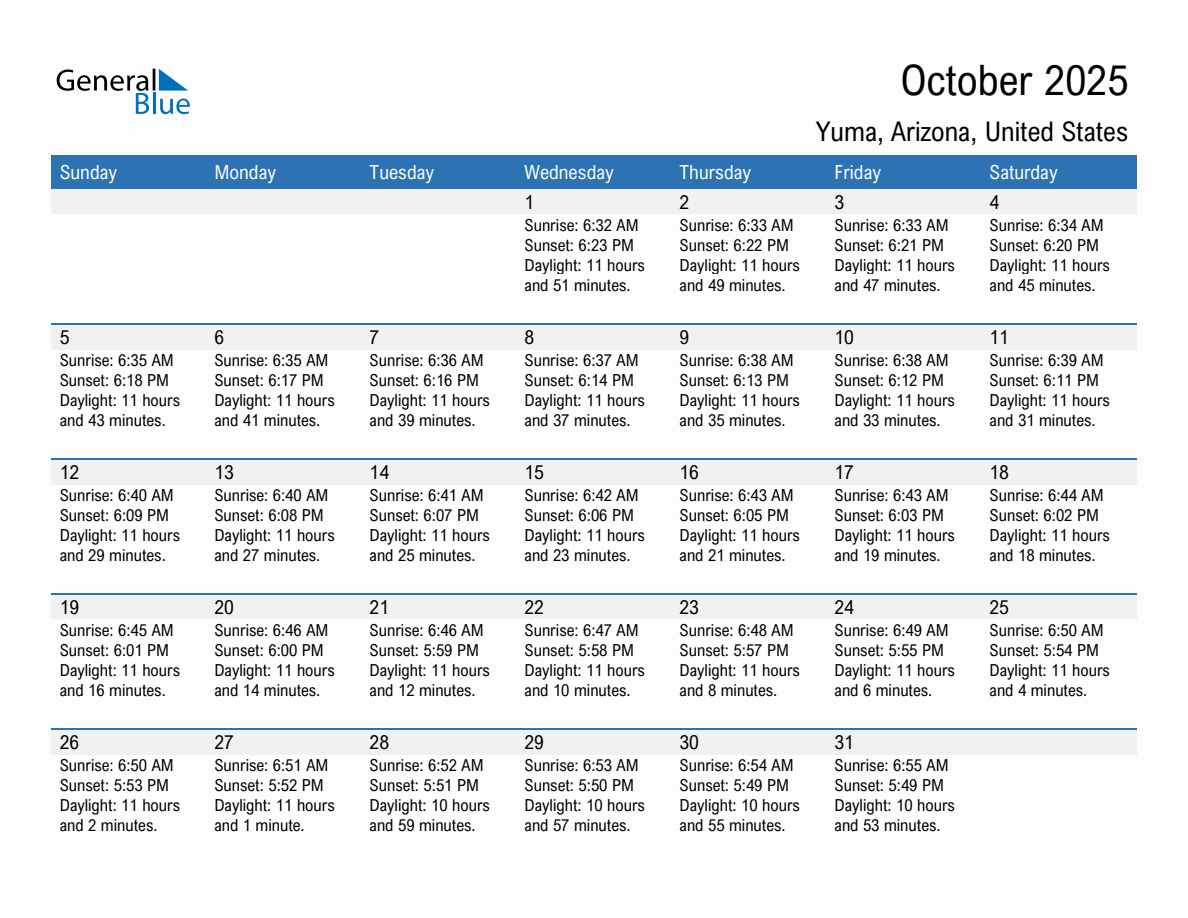
The stable MST fosters a predictable rhythm of life in Yuma that greatly influences its character as a destination. Mornings start early, embracing the cooler hours for work, recreation, and outdoor exploration. Many shops and attractions open their doors with the sunrise, and the city comes alive with the energy of locals and visitors alike. This early start allows people to enjoy activities such as hiking, golf, or a stroll along the Colorado River before the midday heat becomes too intense.
As the sun climbs higher, the pace tends to slow. Locals and “snowbirds” (seasonal residents who flock to Yuma for its mild winters) often retreat indoors for a siesta or enjoy air-conditioned comforts. This midday lull provides an excellent opportunity to explore indoor attractions like museums, art galleries, or enjoy a leisurely lunch. Come late afternoon, as temperatures begin to drop, Yuma reawakens. Evenings are dedicated to dining out, enjoying cultural events, or simply relaxing outdoors as the desert sky transforms into a canvas of vibrant colors. The consistent time zone simplifies planning social gatherings and events, ensuring that visitors can seamlessly integrate into Yuma’s relaxed yet active lifestyle without the confusion of shifting clocks. This stable temporal environment contributes significantly to Yuma’s reputation as an easygoing and hospitable locale, particularly appealing for those seeking an extended escape from colder climates.
Beyond the Clock: Yuma’s Rich Tapestry of History and Nature
While its unique time zone offers a fascinating starting point, the true essence of Yuma lies in its profound history and stunning natural landscapes. The city is a crossroads of ancient and modern, a place where pivotal moments in American expansion unfolded and where the raw beauty of the Sonoran Desert meets the life-giving flow of the Colorado River. Exploring Yuma is a journey through time itself, from ancient river crossings to dramatic historical events and the timeless allure of its natural environment.
Echoes of the Past: Iconic Landmarks and Heritage Sites
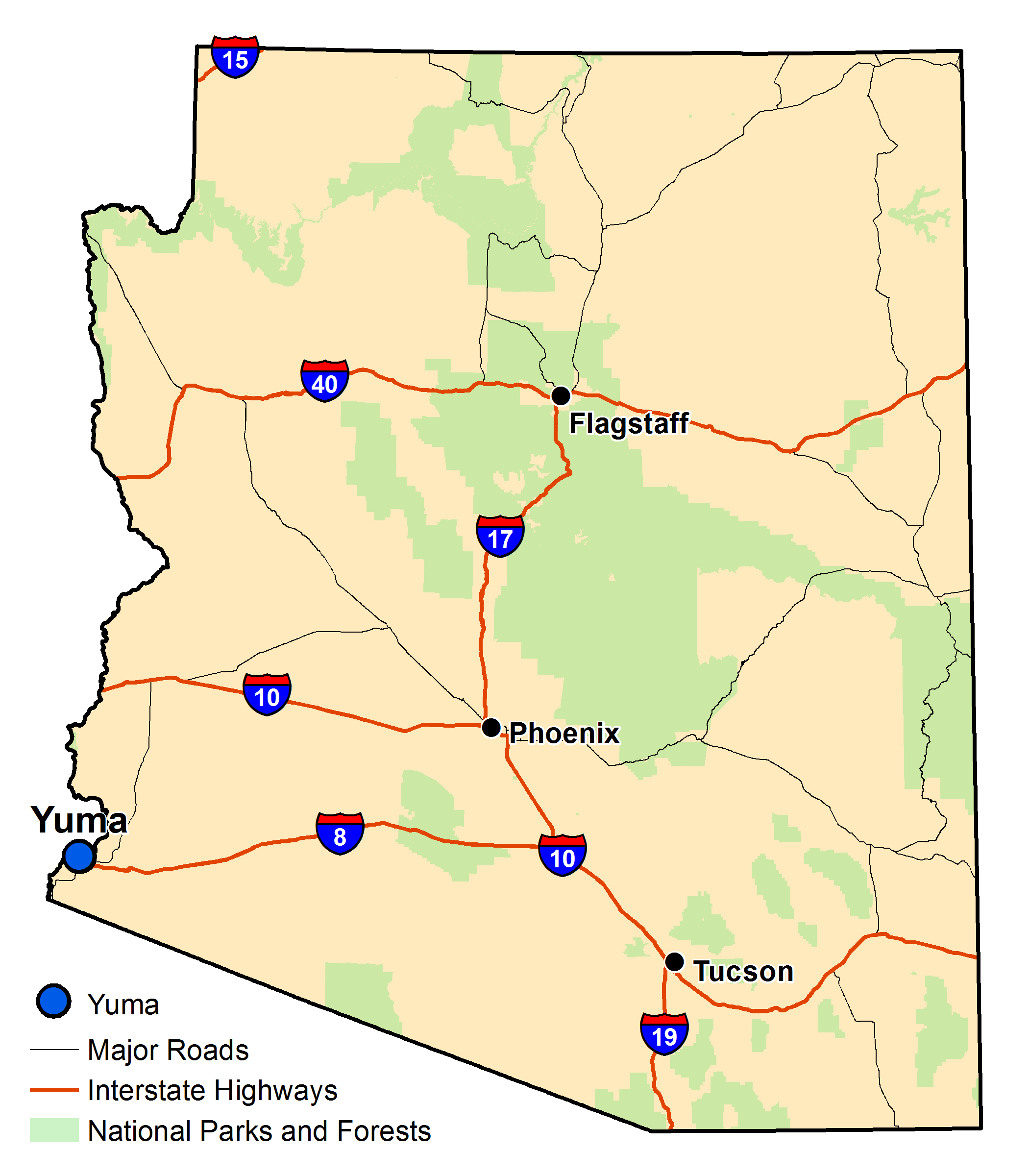
Yuma’s strategic location at the narrowest point of the Colorado River, where it could be easily forded, made it a critical gateway for millennia. Indigenous peoples, Spanish explorers, and American pioneers all recognized its significance. This rich past is vividly preserved in several key landmarks.
Perhaps the most famous is the Yuma Territorial Prison State Historic Park. Operating from 1876 to 1909, this formidable stone structure housed some of the West’s most notorious outlaws. Visitors can walk through its original cellblocks, solitary confinement cells, and guard tower, experiencing a chilling glimpse into the harsh realities of frontier justice. The museum offers compelling exhibits and stories of the inmates and the prison’s history, making it a powerful and educational stop.
Adjacent to the prison lies the Yuma Quartermaster Depot State Historic Park. This site was once a vital supply hub for military posts across the Southwest, utilizing the Colorado River for transport. Today, its restored buildings house exhibits detailing Yuma’s role as a major port and supply center, showcasing the logistical challenges and entrepreneurial spirit of the era. From this vantage point, visitors can also take in sweeping views of the Colorado River and the historic Yuma Crossing National Heritage Area, which commemorates the historic river crossing point and its profound impact on westward expansion.
Other notable historical sites include the Cocopah Museum, offering insights into the rich cultural heritage of the Cocopah Indian Tribe, and the fascinating Castle Dome Mine Museum & Ghost Town, an authentic 1878 mining town preserved with original buildings and artifacts, providing a unique window into Arizona’s mining boom.
Nature’s Playground: Outdoor Adventures on the Colorado River and Desert
Beyond its historical gravitas, Yuma is a paradise for outdoor enthusiasts, offering a diverse array of activities across its contrasting landscapes. The Colorado River is the city’s aquatic heart, providing a cool respite and endless recreational opportunities. Boating, kayaking, paddleboarding, and fishing are popular pastimes, with abundant sunshine ensuring pleasant conditions for most of the year. Numerous parks line the riverbanks, such as Gateway Park and West Wetlands Park, offering amenities for picnics, swimming, and leisurely strolls with scenic views.
The surrounding Sonoran Desert offers a completely different, yet equally captivating, set of adventures. Hiking and biking trails crisscross the desert landscape, revealing unique flora and fauna, including saguaro cacti and diverse bird species. Birdwatching is particularly rewarding, especially during migration seasons, with the Kofa National Wildlife Refuge providing a sanctuary for desert bighorn sheep and other wildlife. For those seeking adrenaline, off-roading in the vast Imperial Sand Dunes Recreation Area, just west of Yuma, is an exhilarating experience. These massive dunes, often used as a backdrop for films, attract ATV and dune buggy enthusiasts from across the region. Yuma’s consistently clear skies also make it an ideal spot for stargazing, where the Milky Way often puts on a spectacular show, reminding visitors of the timeless beauty of the desert night.
The Yuma Experience: Culture, Cuisine, and Community
Yuma is not just a collection of historical sites and natural wonders; it’s a living, breathing community with a distinctive culture shaped by its geography, history, and the people who call it home. The city offers a delightful blend of authentic local flavors, a vibrant arts scene, and a welcoming atmosphere that makes visitors feel like part of the family, especially the seasonal residents who greatly enrich its social fabric.
A Taste of Yuma: Culinary Delights and Local Flavors
Yuma’s culinary scene is a delicious reflection of its location at the crossroads of Arizona, California, and Mexico. The influence of Mexican cuisine is undeniable, with numerous eateries serving up authentic tacos, enchiladas, and regional specialties that rival those found south of the border. From bustling taquerias to more upscale sit-down restaurants, the options are varied and consistently flavorful.
One of Yuma’s most unique and celebrated agricultural products is the Medjool date. The fertile soils of the Colorado River basin provide ideal growing conditions, and Yuma is a major producer of these sweet, caramel-like fruits. Visitors can experience this local specialty firsthand by touring a date farm, such as Martha’s Gardens Date Farm, where they can learn about date cultivation, sample fresh dates, and purchase a variety of date-infused products, from shakes to breads. Beyond dates and Mexican fare, Yuma also offers a range of American comfort food, fresh seafood, and international cuisines, catering to diverse palates. Many local restaurants emphasize farm-to-table ingredients, benefiting from the region’s agricultural bounty, which includes a wide variety of winter vegetables.
Yuma’s Welcoming Vibe: Festivals, Arts, and the Snowbird Lifestyle
The community spirit in Yuma is palpable, particularly evident in its lively calendar of events and its embrace of the “snowbird” lifestyle. During the cooler winter months, Yuma’s population swells significantly as retirees and travelers from colder northern states migrate south, transforming the city into a bustling hub of activity. This influx of seasonal residents creates a vibrant, communal atmosphere, fostering numerous social clubs, events, and a strong sense of camaraderie.
The city hosts a variety of festivals and events throughout the year that celebrate its heritage, agriculture, and arts. The annual Yuma Medjool Date Festival showcases the local date industry with food, music, and entertainment. The Yuma Crossing Day commemorates the city’s historical significance, while various art walks and craft fairs highlight local talent. The historic Main Street area is a hub for art galleries, boutique shops, and live music venues, providing ample opportunities for evening entertainment.
The arts scene in Yuma is surprisingly robust for a city of its size, with community theaters, musical performances, and public art installations adding to its cultural richness. Whether it’s catching a local band, attending a play, or simply enjoying a sunset drink on a patio, the options for engaging with Yuma’s community are plentiful. This friendly, inclusive atmosphere, combined with the mild winter climate, makes Yuma not just a destination but a temporary home for many, solidifying its reputation as a place where time slows down just enough to truly enjoy life.
Planning Your Stay: Accommodation and Travel Essentials in Yuma
With its year-round sunshine, rich history, and vibrant community, Yuma offers a compelling escape for a diverse range of travelers. Whether you’re seeking a short historical dive, an adventurous outdoor excursion, or a long-term winter retreat, planning your visit involves understanding the best times to go and securing the right accommodation to suit your needs and lifestyle.
Where to Rest Your Head: Diverse Accommodation Options
Yuma caters to a wide spectrum of accommodation preferences, ranging from budget-friendly options to more luxurious stays, and particularly excelling in long-term solutions for its seasonal visitors.
For traditional hotel stays, Yuma offers a selection of well-known national brands and local establishments. These typically provide amenities such as swimming pools (a must-have in the desert), fitness centers, and complimentary breakfasts, suitable for both short leisure trips and business stays. You can find options ranging from economical motels to mid-range hotels offering comfortable suites and family-friendly environments.
The city is especially renowned for its extensive network of RV parks and resorts. Given the massive influx of snowbirds, these facilities are often top-tier, offering a wealth of amenities like clubhouses, organized activities, swimming pools, pickleball courts, and social events. Many provide options for long-term leases, fostering a strong sense of community among residents. These RV parks aren’t just for mobile homes; some also feature cabins or park models for rent, providing a unique alternative to traditional hotel rooms.
Beyond hotels and RV parks, visitors can also explore a growing market of vacation rentals, including apartments, condos, and private homes available for short-term or extended stays. These offer more space, privacy, and often fully equipped kitchens, ideal for families, groups, or those planning a longer sojourn in Yuma. When booking, especially during the peak winter season (November to April), it’s advisable to reserve well in advance, as popular options fill up quickly.
Navigating Yuma: Practical Tips for Travelers
Understanding Yuma’s unique charm and practical considerations can significantly enhance your travel experience.
The best time to visit Yuma largely depends on your activity preferences. For those seeking mild weather ideal for outdoor recreation, the winter months (November to April) are paramount. Daytime temperatures are pleasant, averaging in the 60s and 70s Fahrenheit (15-25°C), making it perfect for hiking, golf, and exploring. However, this is also peak season, meaning higher prices and larger crowds. If you’re accustomed to heat and seek a quieter, more budget-friendly trip, the shoulder seasons (October and May) can be appealing, though summer months (June to September) bring intense heat, with temperatures often exceeding 100°F (38°C), limiting outdoor activities to early mornings and evenings.
Getting to Yuma is straightforward. The Yuma International Airport (YUM) offers regional flights, often connecting through larger hubs like Phoenix or Las Vegas. Many visitors also choose to drive, as Yuma is conveniently located near Interstate 8, making it an accessible road trip destination from San Diego, Phoenix, or Tucson. Once in Yuma, having a rental car is highly recommended for exploring the city and its surrounding attractions at your own pace, as public transportation options are limited.
Regardless of when you visit, remember to stay hydrated in the desert climate by drinking plenty of water, even in cooler months. Sun protection – hats, sunglasses, and sunscreen – is essential year-round. Embrace the slower pace, engage with the friendly locals, and allow yourself to synchronize with Yuma’s unique rhythm, where the stable time zone allows for unhurried exploration and deep enjoyment of its historical treasures and natural beauty.
In conclusion, “What time is it in Yuma, Arizona?” is far more than a simple query. It’s an invitation to explore a city defined by its consistent Mountain Standard Time, a decision that has shaped its lifestyle, drawn generations of visitors, and allowed its rich history and vibrant natural beauty to be enjoyed without the disruption of changing clocks. From its iconic historical landmarks to the refreshing embrace of the Colorado River and the warm hospitality of its community, Yuma offers a timeless experience where every moment can be savored.
LifeOutOfTheBox is a participant in the Amazon Services LLC Associates Program, an affiliate advertising program designed to provide a means for sites to earn advertising fees by advertising and linking to Amazon.com. Amazon, the Amazon logo, AmazonSupply, and the AmazonSupply logo are trademarks of Amazon.com, Inc. or its affiliates. As an Amazon Associate we earn affiliate commissions from qualifying purchases.