
For many travelers, understanding the local time zone is a fundamental, almost subconscious, part of trip planning. However, when it comes to the state of Arizona, this seemingly simple question often leads to a moment of delightful confusion and requires a unique explanation. Unlike most of the United States, Arizona largely does not observe Daylight Saving Time, maintaining a consistent clock year-round. This peculiar characteristic is not just a geographical quirk; it profoundly influences everything from travel itineraries and booking accommodations to experiencing the vibrant local culture and majestic landmarks. For anyone planning an Arizona escape, grasping this singular time zone policy is the first step towards a seamless and unforgettable journey.

Understanding Arizona’s Unique Time Zone: A Traveler’s Guide
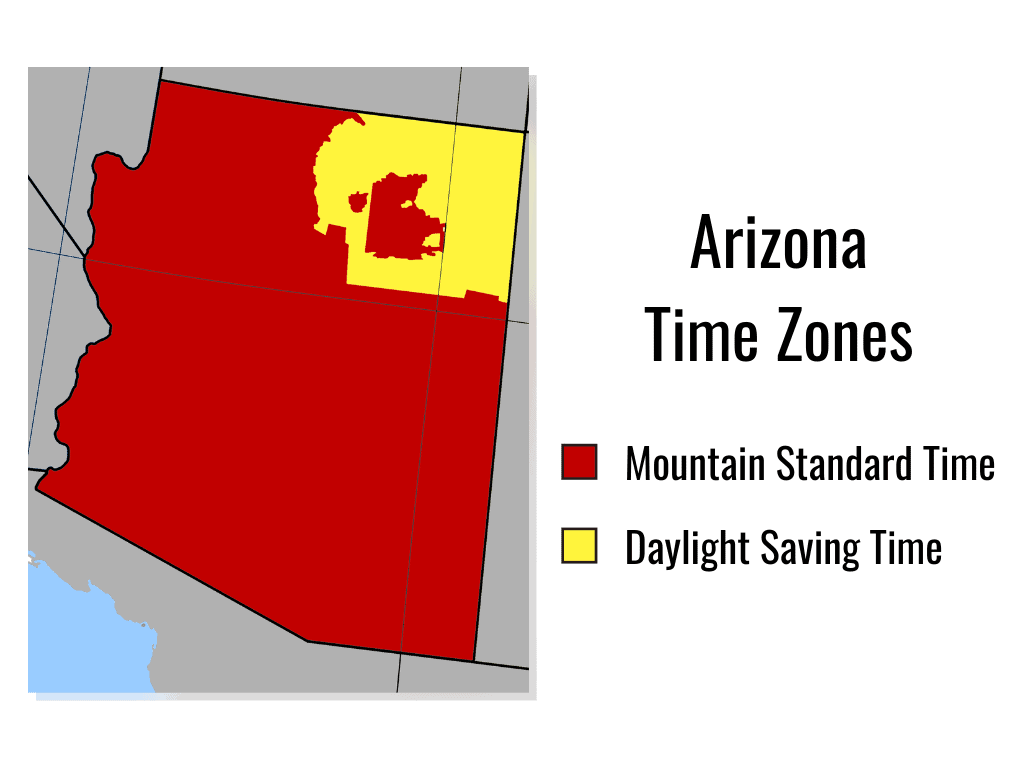
The question “What time is it now in Arizona?” doesn’t have a straightforward answer that remains constant throughout the year, primarily because of the state’s fascinating relationship with Daylight Saving Time. Most of Arizona adheres to Mountain Standard Time (MST) year-round. This means that from March to November, when most of the country “springs forward” for Daylight Saving Time, Arizona effectively aligns its clocks with Pacific Daylight Time (PDT). However, during the winter months, when the rest of the Mountain Time Zone falls back to MST and the Pacific Time Zone reverts to Pacific Standard Time (PST), Arizona remains on MST, putting it one hour ahead of PST. This creates a dynamic where Arizona effectively oscillates between being the same time as California and Nevada for half the year, and an hour ahead for the other half.
The Mountain Standard Time (MST) Anomaly
At the heart of Arizona’s unique time zone lies its consistent adherence to MST. This decision, rooted in a desire to optimize evening daylight for energy conservation and outdoor activities in the desert heat, means the state bypasses the twice-yearly ritual of adjusting clocks. The logic is compelling: by not observing Daylight Saving Time, Arizona avoids pushing sunset even later into the already hot summer evenings, making twilight hours more comfortable for everything from hiking to enjoying al fresco dining.
There is one significant exception to this rule: the Navajo Nation. This vast sovereign territory, which stretches across parts of northeastern Arizona, New Mexico, and Utah, does observe Daylight Saving Time. This creates a fascinating and sometimes perplexing time shift within Arizona itself. For example, if you’re traveling from Phoenix (MST) to a destination within the Navajo Nation, such as Monument Valley or Antelope Canyon, during the spring and summer months, you’ll need to advance your clock by an hour. The Hualapai Nation, which encompasses the western rim of the Grand Canyon, also does not observe Daylight Saving Time, aligning with the rest of Arizona’s MST policy. This intricate setup underscores the importance of checking local times, especially when crossing tribal lands.
The Impact on Neighboring States and Time Adjustments
For travelers arriving in Arizona, particularly from neighboring states, understanding these time differences is paramount.
- From California and Nevada: During Daylight Saving Time (spring/summer), Arizona is on the same time as PDT. In fall/winter, when California and Nevada revert to PST, Arizona becomes one hour ahead. This means a direct flight from Los Angeles to Phoenix might seem to take less or more time than expected, depending on the season.
- From Utah and New Mexico: These states observe Mountain Daylight Time (MDT) during Daylight Saving Time. Consequently, for much of the year, Arizona is one hour behind its eastern neighbors. When those states revert to MST in the winter, then Arizona and its Mountain Standard Time neighbors are in sync.
- Border Crossings and Road Trips: This becomes particularly relevant for road-trippers. Driving from Las Vegas, Nevada, to the Grand Canyon Skywalk (on Hualapai Nation land, following Arizona time) during summer means no time change. However, crossing into the Navajo Nation from Flagstaff (Arizona proper) during the same period requires a one-hour jump forward. Always confirm tour times and reservation schedules with local providers, especially when dealing with areas near state or tribal borders, to avoid missing appointments.
Planning Your Arizona Adventure: Time and Destinations
The unique time zone adds an intriguing layer to planning an Arizona itinerary. From sunrise photo ops at natural landmarks to evening reservations in vibrant city centers, being time-aware ensures you maximize every moment of your journey.
Exploring Iconic Landmarks with Time in Mind
Arizona is home to some of the world’s most breathtaking natural wonders, and timing is everything for an optimal experience.
- Grand Canyon National Park: As one of the most visited landmarks, sunrise and sunset viewings are quintessential experiences. Since the main areas of the park (South and North Rims) are within Arizona proper, they operate on MST year-round. This means that if you’re coming from Utah or the Navajo Nation during Daylight Saving Time, you’ll effectively gain an hour when entering the park, giving you more time for that perfect photo. Conversely, if you’re coming from Las Vegas in winter, you’ll lose an hour. Always check specific sunrise/sunset times for the park directly to plan your visit to popular viewpoints like Mather Point or Hopi Point.
- Sedona: Famed for its red rock formations and spiritual vortexes, Sedona also adheres to MST. Early morning hikes to places like Cathedral Rock or Bell Rock are popular, and the consistent time means easier planning for dawn patrols or stargazing tours without worrying about a clock change.
- Antelope Canyon and Horseshoe Bend: These iconic slot canyons and river bend are located near Page, within the Navajo Nation. Therefore, they observe Daylight Saving Time. For visitors coming from Phoenix or Flagstaff during spring and summer, remember to set your watch forward one hour when heading to your pre-booked Antelope Canyon tour. Missing a tour due to a time zone miscalculation is a common, and very avoidable, mistake.
- Hoover Dam: Situated right on the border between Arizona and Nevada, the Hoover Dam presents a unique time zone challenge. The Nevada side operates on PST/PDT, while the Arizona side is MST. This means that during Daylight Saving Time, the Arizona side is the same time as Nevada. In winter, Arizona is one hour ahead. Tour schedules for the dam typically align with Nevada time, so it’s always best to verify.

Cityscapes and Cultural Experiences
Arizona’s cities offer a vibrant contrast to its natural beauty, and knowing the time impacts how you engage with their cultural and culinary scenes.
- Phoenix and Scottsdale: As the state capital and a hub for luxury travel, Phoenix and neighboring Scottsdale thrive with museums, art galleries, high-end shopping, and a renowned dining scene. Because Arizona doesn’t observe Daylight Saving Time, summer evenings in Phoenix remain “later” by the clock (compared to if DST were observed), extending the perceived daylight hours and making evening strolls through Old Town Scottsdale or visits to the Desert Botanical Garden more enjoyable. This also means restaurant reservations and showtimes align consistently with MST throughout the year, simplifying planning for local activities. Popular attractions like the Heard Museum and Taliesin West also operate on this consistent schedule.
- Tucson: Known for its rich Sonoran Desert culture and vibrant culinary scene, Tucson also benefits from Arizona’s consistent time. Exploring Saguaro National Park or visiting Mission San Xavier del Bac can be comfortably planned without second-guessing your clock. The longer, cooler evenings in summer are perfect for enjoying outdoor patios or exploring the historic Presidio San Agustín del Tucson Museum and its surrounding cultural activities.
- Other Cities: Whether it’s the historic charm of Flagstaff, the Wild West allure of Tombstone, or the water sports haven of Lake Havasu City, all follow Arizona’s no-DST policy, providing a predictable schedule for your adventures.
Accommodation and Lifestyle: Making the Most of Arizona Time
Beyond navigating attractions, understanding Arizona’s time zone influences your choice of accommodation and how you engage with the local lifestyle. From booking flights and hotel check-ins to planning your daily routine, a consistent time zone simplifies logistics, enhancing your overall experience.
Choosing Your Stay: Resorts, Hotels, and Unique Accommodations
Arizona offers a diverse range of accommodations, from sprawling luxury resorts to charming boutique hotels and unique desert villas. When booking, the consistent time zone can be a subtle but significant advantage.
- Seamless Booking and Check-in: Since Arizona doesn’t change its clocks, booking times for hotels and flights will always align with MST. This reduces the likelihood of confusion for check-in and check-out times, especially for travelers arriving early morning or late evening. Many resorts, such as the historic Arizona Biltmore, A Waldorf Astoria Resort in Phoenix or the serene Enchantment Resort in Sedona, offer numerous amenities and experiences that are time-sensitive, from spa appointments to guided hikes. Their operational schedules remain stable, providing reliability for guests.
- Luxury Stays and Amenities: Arizona’s luxury travel scene is exceptional, boasting world-class properties like The Ritz-Carlton, Dove Mountain in Tucson or the JW Marriott Scottsdale Camelback Inn Resort & Spa. These resorts often have intricate schedules for their golf courses, pools, fine dining, and entertainment. The absence of Daylight Saving Time means these schedules remain predictable, making it easier for guests to plan their day from a sunrise yoga session to a gourmet dinner under the stars. The Hyatt Regency Scottsdale Resort & Spa at Gainey Ranch and the Loews Ventana Canyon Resort are other prime examples where consistent time aids in smooth guest experiences. Even smaller, charming boutique hotels in Wickenburg or Prescott benefit from this stability, offering guests a stress-free stay.
- Long-Term Stays and Apartments: For those considering a long-term stay or renting an apartment to experience the Arizona lifestyle, the consistent time zone simplifies daily routines, from school drop-offs to business meetings, especially if you’re working remotely with colleagues in different time zones.
Embracing the Arizona Lifestyle: Activities and Relaxation
The consistent MST in Arizona also shapes the local lifestyle and the rhythm of daily tourism and activities.
- Outdoor Activities: With abundant sunshine, Arizona is an outdoor enthusiast’s paradise. The decision to forgo Daylight Saving Time means that during the warmer months, the sun sets an hour “earlier” by the clock than it would in states observing DST. This creates longer, cooler evenings, perfect for after-work hikes, twilight golf games, or simply relaxing by the pool. Activities like exploring the Apache Trail, kayaking on the Colorado River near Lake Havasu City, or delving into the natural wonders of Petrified Forest National Park are planned with this consistent light in mind.
- Dining and Entertainment: The culinary scene across Arizona, from Phoenix’s upscale eateries to Tucson’s authentic Mexican restaurants, operates on this steady clock. Dinner reservations, happy hour specials, and evening entertainment schedules remain predictable, allowing both locals and visitors to plan their social activities with ease.
- Business Stays and Remote Work: For business stays or remote workers, the constant time zone simplifies scheduling virtual meetings and coordinating with teams across the United States. It eliminates the bi-annual headache of adjusting schedules for a week or two as other states catch up or fall behind. This stability makes Arizona an attractive destination for “workations” or extended professional visits.
In conclusion, while the question “What time is it now in Arizona?” might seem simple, its answer unveils a unique aspect of the state that impacts every facet of travel and tourism. From meticulously planning your visit to the majestic Grand Canyon or the spiritual Sedona, to enjoying the vibrant city life of Phoenix and Scottsdale, or choosing the perfect accommodation, understanding Arizona’s consistent Mountain Standard Time is crucial. This distinctive approach to time not only offers practical benefits for visitors, simplifying logistics and enhancing predictability, but it also reflects a harmonious alignment with the state’s natural environment and the desires of its residents. So, as you pack your bags for the Grand Canyon State, remember to factor in its timeless charm – literally – and prepare for an adventure where every moment counts, on its own unique schedule.
LifeOutOfTheBox is a participant in the Amazon Services LLC Associates Program, an affiliate advertising program designed to provide a means for sites to earn advertising fees by advertising and linking to Amazon.com. Amazon, the Amazon logo, AmazonSupply, and the AmazonSupply logo are trademarks of Amazon.com, Inc. or its affiliates. As an Amazon Associate we earn affiliate commissions from qualifying purchases.