
For travelers heading to the historic and vibrant city of Boston, Massachusetts, understanding the local time is more than just a matter of curiosity; it’s a fundamental aspect of planning a seamless and enjoyable trip. Boston operates on Eastern Time (ET), a time zone that observes a seasonal shift between Eastern Standard Time (EST) and Eastern Daylight Time (EDT). This dynamic often causes confusion for visitors from different parts of the globe, yet mastering it is key to coordinating flights, booking accommodations, scheduling tours, and even simply communicating with friends and family back home.

This guide delves into the intricacies of Boston’s time zone, offering essential insights for travelers and weaving in comprehensive advice on how to make the most of your visit. From historic landmarks and world-class dining to diverse accommodation options and unique lifestyle experiences, a well-timed trip to Boston promises unforgettable memories.
Understanding Boston’s Time Zone: ET, EST, and EDT
The concept of time zones, while seemingly straightforward, holds critical implications for travel. Boston, like much of the East Coast of the United States, follows Eastern Time. This means that depending on the time of year, you’ll either be operating on Eastern Standard Time or Eastern Daylight Time.
Eastern Standard Time (EST) vs. Eastern Daylight Time (EDT)
The switch between EST and EDT is a crucial aspect of planning any trip to Boston. Eastern Standard Time is observed during the colder months, typically from early November to mid-March. During this period, Boston is 5 hours behind Coordinated Universal Time (UTC), denoted as UTC-5. This means that when it’s noon UTC, it’s 7 AM in Boston.
However, with the arrival of warmer weather, Boston shifts to Eastern Daylight Time (EDT). This change typically occurs on the second Sunday in March, when clocks “spring forward” by one hour. EDT is 4 hours behind UTC, or UTC-4. The purpose of daylight saving time is to make better use of natural daylight, pushing sunset later into the evening. This also means earlier sunrises during summer months. The return to EST happens on the first Sunday in November, when clocks “fall back” by one hour.
For travelers, this seasonal shift has practical implications. If you’re arriving in March or November, be mindful of the time change to avoid missing flights or appointments. Daylight saving time also impacts the amount of daylight available for sightseeing, with EDT offering longer evenings perfect for outdoor activities and extended exploration of the city’s landmarks. Planning your itinerary around these changes can significantly enhance your travel experience.
Global Time Differences and Travel Planning
Understanding Boston’s time zone is especially vital for international travelers or those connecting from distant parts of the United States. The further you travel, the greater the time difference, and the more pronounced the effects of jet lag can be.
Consider these approximate time differences when planning your trip to Boston (assuming Boston is on EST for simplicity, adjust for EDT by adding an hour):
- London, UK: Boston is 5 hours behind London. If it’s noon in London, it’s 7 AM in Boston.
- Los Angeles, CA: Boston is 3 hours ahead of Los Angeles. If it’s noon in Los Angeles, it’s 3 PM in Boston.
- Tokyo, Japan: Boston is 14 hours behind Tokyo. If it’s noon on Tuesday in Tokyo, it’s 10 PM on Monday in Boston.
These differences highlight the importance of careful planning. When booking flights, confirm arrival and departure times in local time. For business travelers, coordinating virtual meetings requires meticulous attention to time zone converters. Even for leisure, knowing the time difference helps manage expectations for family calls or social media updates. Utilize online time zone converters or your smartphone’s world clock feature to stay on top of the current time in both Boston and your home location. Planning for jet lag by adjusting your sleep schedule a few days before departure, staying hydrated, and getting some daylight exposure upon arrival can also significantly ease the transition.
Beyond the Clock: Maximizing Your Boston Experience
Once you’ve got the time zone figured out, it’s time to dive into the myriad experiences Boston has to offer. This city is a treasure trove of history, culture, and innovation, making it a premier destination for travelers.
Iconic Landmarks and Attractions
Boston boasts a rich tapestry of historical sites and modern attractions that cater to every interest. Planning your visits around operating hours and potential crowd times, which are all time-dependent, will allow for a more relaxed and immersive experience.
Begin your historical journey along the Freedom Trail, a 2.5-mile red-lined path leading to 16 historically significant sites. Must-see stops include the Boston Common, the oldest park in the United States; Faneuil Hall Marketplace, a bustling hub of shops, restaurants, and street performers; and the Paul Revere House, the oldest building in downtown Boston. Don’t miss the chance to step aboard the USS Constitution, the world’s oldest commissioned warship afloat, docked in Charlestown Navy Yard. These sites typically open mid-morning and close in the late afternoon or early evening, so check their specific schedules, especially during the seasonal time changes.
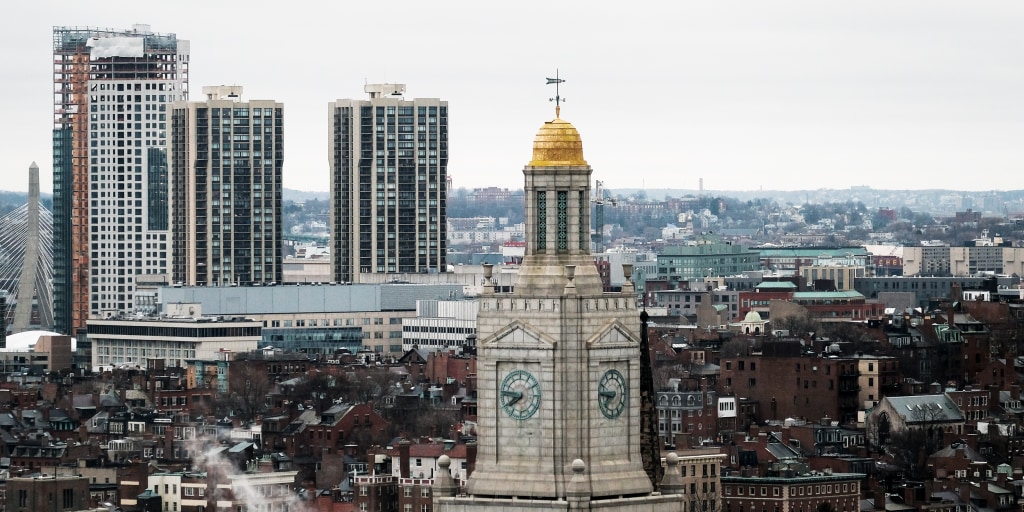
For art lovers, the Museum of Fine Arts and the Isabella Stewart Gardner Museum offer world-class collections. Sports enthusiasts will want to catch a Boston Red Sox game at historic Fenway Park, the oldest ballpark in Major League Baseball. Tickets for games should be booked well in advance, and game times can vary from afternoon to evening, so factor this into your daily schedule. Families will delight in the interactive exhibits at the New England Aquarium or a visit to the Boston Tea Party Ships & Museum for a truly immersive historical experience.
Consider visiting popular outdoor attractions like the Boston Public Garden or taking a Swan Boat ride during EDT months to enjoy the extended daylight. Conversely, winter visits during EST might mean earlier closures for some attractions and a focus on indoor activities.
Culinary Delights and Local Culture
Boston’s culinary scene is as rich and diverse as its history, offering everything from classic New England fare to innovative international cuisine. No trip to Boston is complete without indulging in a bowl of creamy New England Clam Chowder or a succulent lobster roll. For dessert, the iconic Boston Cream Pie is a must-try.
Explore the charming streets of the North End, Boston’s oldest residential community, renowned for its authentic Italian restaurants and pastry shops. Dinner reservations, especially in popular districts like the North End or the chic Seaport District, are highly recommended, often weeks in advance, and precise timing is crucial.
Beyond food, Boston’s cultural landscape thrives. Catch a show at the historic Boston Opera House or a concert at the Symphony Hall. Experience the lively atmosphere of Quincy Market for casual dining and people-watching. The city also hosts numerous festivals and events throughout the year, from the Boston Marathon in April to holiday festivities in December, all of which are time-specific and require advance planning if you wish to participate or observe. Take a leisurely stroll through Beacon Hill with its gas-lit streets and federal-style rowhouses, or explore the upscale boutiques and brownstones of the Back Bay. Even a simple walk along the Charles River Esplanade offers stunning views of the city skyline, best enjoyed during sunrise or sunset.
Accommodation and Lifestyle: Finding Your Perfect Boston Stay
Boston’s appeal extends to its diverse range of accommodations and a lifestyle that seamlessly blends historic charm with modern sophistication.
Choosing Your Boston Accommodation
Finding the right place to stay is paramount for a comfortable and convenient trip. Boston offers an extensive selection, from luxurious hotels to cozy boutique inns and practical long-term apartments.
For those seeking luxury, options like the Four Seasons Hotel Boston overlooking the Public Garden, The Langham Boston housed in a former Federal Reserve Bank, or the historic Omni Parker House (the birthplace of the Boston Cream Pie) offer impeccable service and prime locations. The Boston Harbor Hotel provides breathtaking waterfront views and easy access to the waterfront attractions.
If a more boutique or budget-friendly experience is desired, districts like the South End or areas around Cambridge (home to Harvard University and MIT) offer charming guesthouses and value-oriented hotels. For longer stays or family trips, serviced apartments provide the comfort of home with hotel amenities. When booking, always consider the time of year, as peak seasons (like fall foliage or summer) can see higher prices and lower availability. Booking well in advance, ideally several months out, is a smart strategy to secure preferred rates and locations. Reading reviews and comparing amenities is also crucial for finding accommodation that perfectly suits your travel style and budget.

Navigating Boston’s Lifestyle and Practical Tips
Experiencing Boston’s lifestyle involves more than just sightseeing; it’s about immersing yourself in the city’s rhythm. The city is incredibly walkable, but its public transportation system, the MBTA, affectionately known as “The T,” is efficient and covers most major areas. Purchasing a CharlieCard or CharlieTicket will make navigating the subway and bus system a breeze. Taxis and rideshares are also readily available, particularly during peak hours or late at night.
For those looking to manage their budget, Boston offers numerous free attractions, such as walking the Freedom Trail, exploring Boston Common, or visiting the historic King’s Chapel Burying Ground. Many museums offer free admission days or evenings, which, again, are time-specific and require prior checking. Luxury travelers can indulge in high-end shopping on Newbury Street or enjoy gourmet dining experiences.
Connectivity is generally excellent, with widespread Wi-Fi availability in hotels, cafes, and public spaces. Local etiquette is straightforward: be polite, respect historical sites, and enjoy the friendly, often witty, banter of Bostonians.
Packing appropriately for Boston is also essential. Summers are warm and humid, while winters can be bitterly cold with significant snowfall. Spring and fall offer pleasant temperatures but can be unpredictable, so layered clothing is always a good idea. Regardless of the season, comfortable walking shoes are a must for exploring the city’s charming cobblestone streets and extensive pedestrian paths.
Lastly, and bringing it back to our original point, always keep track of the time. Whether it’s to make your John F. Kennedy Presidential Library and Museum entry slot, catch the last MBTA train, or simply enjoy a sunset cruise on the Charles River, effective time management will allow you to savor every moment of your Boston adventure.
In conclusion, knowing the current time in Boston is the first step toward a well-orchestrated and deeply rewarding travel experience. By understanding Eastern Time, embracing the city’s rich history, savoring its culinary delights, and choosing suitable accommodations, visitors can fully immerse themselves in the unique charm of this iconic New England metropolis. From the cobblestone streets of Beacon Hill to the bustling Seaport District, Boston truly is a city where every moment counts. Plan wisely, and prepare for an unforgettable journey through time and culture.
LifeOutOfTheBox is a participant in the Amazon Services LLC Associates Program, an affiliate advertising program designed to provide a means for sites to earn advertising fees by advertising and linking to Amazon.com. Amazon, the Amazon logo, AmazonSupply, and the AmazonSupply logo are trademarks of Amazon.com, Inc. or its affiliates. As an Amazon Associate we earn affiliate commissions from qualifying purchases.