
For anyone planning a trip, conducting business, or simply connecting with friends and family in the Golden State, knowing the exact time in California, USA, is more than just a matter of curiosity – it’s a cornerstone of effective planning. California, a sprawling state renowned for its diverse landscapes, vibrant cities, and groundbreaking industries, operates on a single time zone, but understanding its nuances, particularly with daylight saving, is crucial for seamless travel, efficient communication, and maximizing your visit to this iconic destination. From coordinating hotel check-ins and flight departures to scheduling tours of world-famous landmarks or simply timing a call to loved ones, the rhythm of California time dictates many aspects of the visitor experience. This comprehensive guide will not only clarify California’s current time but also delve into why this knowledge is indispensable for travel, tourism, accommodation, and lifestyle choices within the state.
Understanding California’s Time Zones: Pacific Standard Time (PST) and Pacific Daylight Time (PDT)
California operates predominantly under one time zone system throughout the year, making it relatively straightforward compared to some other states. However, the annual shift for Daylight Saving Time is a key factor to remember.
The Basics of Pacific Time
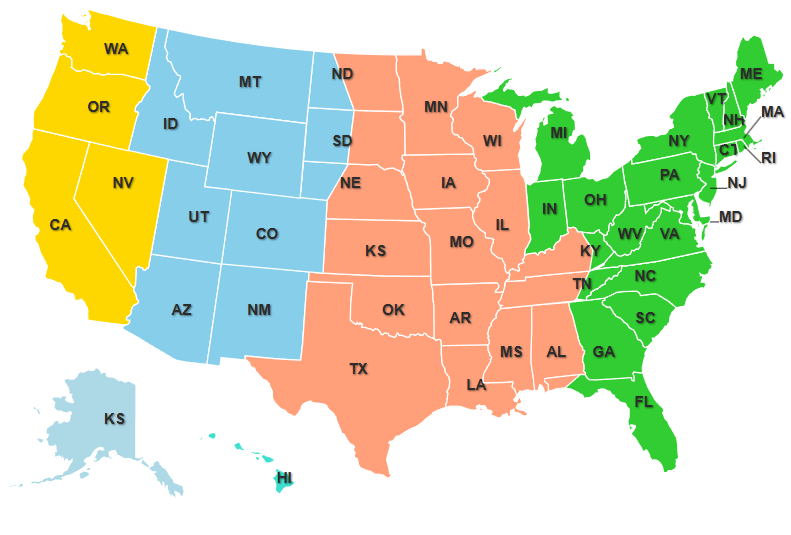
Officially, California observes Pacific Time. During the winter months, from early November to mid-March, this is known as Pacific Standard Time (PST). PST is UTC-8, meaning it is eight hours behind Coordinated Universal Time. This fixed standard helps synchronize clocks across the region, from the bustling streets of Los Angeles to the serene vineyards of Napa Valley. When you see a time listed with “PST,” you know exactly where it stands relative to global time markers. This consistent base is particularly helpful for international travelers attempting to calculate time differences from their home countries, ensuring they can accurately predict when businesses will be open or when they should make contact for travel-related bookings.
Daylight Saving Time in California
Like most of the United States (with notable exceptions like most of Arizona), California observes Daylight Saving Time (DST). This annual change occurs on the second Sunday in March when clocks “spring forward” by one hour. During this period, California switches to Pacific Daylight Time (PDT), which is UTC-7. This means PDT is seven hours behind Coordinated Universal Time. The shift allows for more daylight in the evenings, a boon for tourism and lifestyle activities, enabling longer outdoor excursions and extending the operating hours of many attractions. The transition back to Pacific Standard Time happens on the first Sunday in November when clocks “fall back” by one hour. For travelers, especially those arriving in March or November, being aware of these shifts is vital to avoid missing flights, appointments, or crucial travel connections. For instance, if you book an early morning flight on the day DST begins, ensure your phone and watch have automatically adjusted, or you might find yourself an hour late.
Why Time Matters for Your California Travel Plans
Understanding the local time in California is far more than a trivial detail; it’s a critical component of a stress-free and enjoyable travel experience. From the moment you begin planning to your final departure, time plays a pivotal role in almost every aspect of your journey.
Planning Your Arrival and Departures
One of the most immediate impacts of time zone knowledge is on air travel. Miscalculating time differences can lead to missed flights, inconvenient layovers, or simply an exhausting arrival. When booking flights to major California airports like Los Angeles International Airport (LAX), San Francisco International Airport (SFO), or San Diego International Airport, always confirm the arrival and departure times in local Pacific Time. This is especially important if you’re traveling from a time zone significantly different from California’s, such as the East Coast of the USA or international destinations like Europe or Asia. Beyond flights, understanding arrival times is crucial for coordinating airport transfers, hotel check-ins, or meeting points with tour groups. A perfectly timed arrival can mean the difference between promptly starting your vacation and waiting hours for your room to be ready or your ride to show up.
Navigating Business Hours and Attractions
California’s vibrant tourism sector thrives on a schedule that caters to its visitors. Whether you’re planning to visit Disneyland Park in Anaheim, explore the museums in San Francisco, or enjoy a wine tasting tour in Sonoma Valley, all attractions and businesses operate within specific hours. Knowing the current local time ensures you arrive when gates are open and services are available. Imagine planning a drive along the Pacific Coast Highway to see Hearst Castle, only to arrive after its last tour has departed because you misjudged the time. Similarly, restaurants, shops, and tour operators all adhere to Pacific Time. For those interested in local culture and food, evening events or farmer’s markets often have precise start times that you wouldn’t want to miss.
Synchronizing with Loved Ones and Colleagues
For many, travel isn’t just about personal exploration; it involves staying connected. Whether you’re calling home to update family on your adventures or attending a virtual business meeting, knowing the time difference is paramount. Trying to reach someone on the East Coast of the USA from California means accounting for a three-hour difference (e.g., 9 AM PDT is noon EDT). For international calls, the differences can be even more significant. Proper time management prevents inconvenient calls in the middle of the night for your contacts and ensures you don’t miss important virtual appointments, a common occurrence for business travelers or digital nomads enjoying the California lifestyle.
Top California Destinations and How Time Influences Your Visit
California’s vastness means travel often involves significant distances, and understanding time, especially when planning multi-city itineraries, becomes even more important. Each region offers unique experiences, all governed by the same Pacific Time.
Southern California Adventures
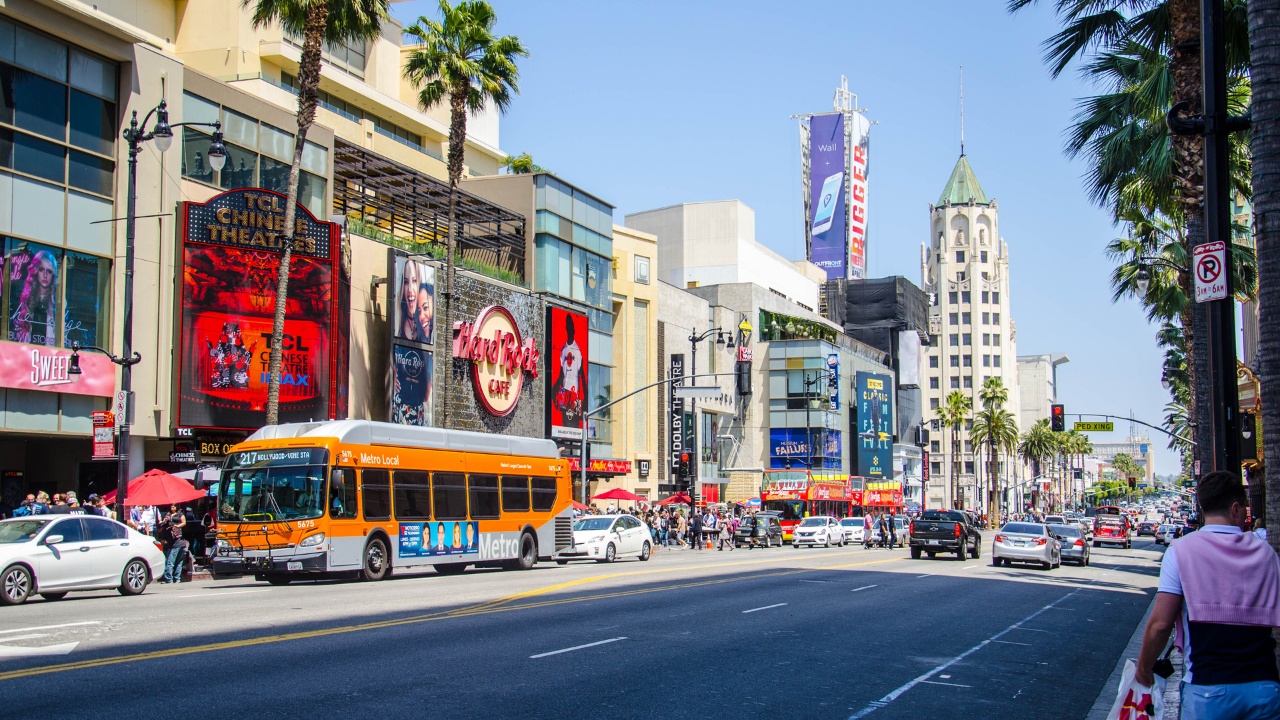
Southern California is a hub of iconic attractions. In Los Angeles, early mornings are best for avoiding traffic, especially if you’re heading to popular spots like the Hollywood Walk of Fame or Universal Studios Hollywood in Universal City. Theme parks like Disneyland Resort in Anaheim often open early and close late, requiring stamina and strategic planning to maximize your ticket value. Knowing the time allows you to arrive before the crowds, secure Lightning Lane reservations, and experience more rides. Further south in San Diego, tours to Balboa Park or boat trips around San Diego Bay are often time-sensitive. Similarly, visiting coastal towns like Santa Monica and its famous Santa Monica Pier is best timed for sunset, a popular evening activity that requires careful consideration of the time of day. Even a day trip to Catalina Island requires strict adherence to ferry schedules.
Northern California Exploration
Moving north, San Francisco presents its own set of time-related considerations. Crossing the Golden Gate Bridge to Sausalito or catching a ferry to Alcatraz Island requires booking well in advance and arriving punctually. Alcatraz tours, in particular, have strict departure times, and missing your slot can mean missing the experience entirely. Wine tours in Napa Valley or Sonoma Valley are also typically scheduled for specific times, often starting in the late morning and concluding in the afternoon. For visitors keen on experiencing the culinary scene, knowing restaurant reservation times is critical in food-centric cities like San Francisco.
Natural Wonders and National Parks
California’s natural beauty extends to its stunning national parks and scenic drives. Yosemite National Park, Joshua Tree National Park, and Death Valley National Park are vast, and timing your excursions is key for safety and enjoyment. Hiking trails often have recommended start times to avoid extreme heat or finish before dark. Photographers will also be keen to capture the “golden hour” – the hour after sunrise and before sunset – which changes throughout the year with daylight saving. Driving the iconic Pacific Coast Highway through Big Sur is an all-day affair, and understanding when dusk will settle allows for safe navigation of its winding roads and planning for overnight stays. For those visiting Lake Tahoe, boat rentals and ski resort operations adhere to strict schedules that depend on the time of day and season.
Maximizing Your California Experience: Time-Saving Tips and Accommodations
A well-planned itinerary, with careful consideration of local time, is the secret to unlocking the full potential of your California adventure. By integrating time management into your travel strategy, you can enhance your experience, reduce stress, and truly embrace the lifestyle California offers.
Choosing the Right Accommodation
Your choice of accommodation can significantly impact your time management. Opting for hotels, resorts, or apartments that offer flexible check-in/check-out times can be a huge advantage, especially when dealing with early arrivals or late departures caused by time zone changes. Many premium properties, for example, the Ritz-Carlton, Laguna Niguel or the Fairmont San Francisco, understand the needs of travelers and may offer early access to amenities even before your room is ready. When booking through platforms for accommodation, always note the local check-in time and plan your arrival accordingly. Consider properties that are centrally located to the attractions you wish to visit; this can save valuable commuting time, particularly in sprawling cities like Los Angeles or San Diego, giving you more daylight hours for exploration.
Efficient Itinerary Planning
Strategic itinerary planning is paramount. Grouping nearby attractions together for a single day, like visiting Universal Studios Hollywood and the Hollywood Walk of Fame on the same day, minimizes travel time. Utilize apps for real-time traffic updates, particularly in metropolitan areas, to adjust your schedule on the fly. Booking tickets for popular attractions online in advance, often for a specific time slot, can save hours waiting in lines. For instance, reserving your entry time for the Getty Center in Los Angeles or a winery tour in Napa Valley ensures you maximize your sightseeing time. For extended stays, consider a long-term rental or villa, which often provides more flexibility and a ‘home away from home’ feel, allowing you to settle into the local rhythm.
Beating Jet Lag
Traveling to California from a different time zone, especially eastward, can lead to jet lag. Plan to hydrate well during your flight and try to adjust to Pacific Time as soon as you board. Upon arrival, expose yourself to natural light during the day and try to stick to California mealtimes and sleep schedules, even if it feels unnatural initially. A short nap might be helpful, but avoid long naps that interfere with nighttime sleep. Many California resorts and spas, particularly in wellness-focused destinations like Palm Springs or along the coast, offer amenities and treatments specifically designed to combat travel fatigue, helping you recalibrate your body clock faster and enjoy your trip from day one.
In conclusion, while “What time is it now in California, USA?” might seem like a simple question, its answer holds significant implications for anyone visiting this diverse state. From understanding the difference between Pacific Standard Time and Pacific Daylight Time to meticulously planning your travel itinerary, acknowledging the role of time is essential. By being informed and prepared, you can navigate California’s attractions, accommodations, and unique lifestyle seamlessly, ensuring your journey is as enriching and memorable as the destination itself. So, whether it’s 8 AM PDT and you’re planning a hike in Yosemite or 6 PM PST and you’re looking for dinner reservations in San Francisco, a little time-awareness goes a long way.
LifeOutOfTheBox is a participant in the Amazon Services LLC Associates Program, an affiliate advertising program designed to provide a means for sites to earn advertising fees by advertising and linking to Amazon.com. Amazon, the Amazon logo, AmazonSupply, and the AmazonSupply logo are trademarks of Amazon.com, Inc. or its affiliates. As an Amazon Associate we earn affiliate commissions from qualifying purchases.