
Embarking on a journey to the heartland of America, where vast prairies meet vibrant cities, promises an enriching experience filled with history, culture, and natural beauty. However, for the discerning traveler, understanding a seemingly minor detail can significantly impact the seamlessness of their trip: time. Kansas, a state renowned for its hospitality and diverse landscapes, presents a unique temporal nuance – it straddles two distinct time zones. This dual-time reality is not merely a geographic curiosity but a critical piece of information for anyone planning travel, booking accommodations, or scheduling activities within the Sunflower State. From bustling urban centers to serene rural escapes, navigating Kansas’s time zones is key to maximizing every moment of your exploration, ensuring you arrive on time for that fascinating museum tour or catch that breathtaking sunset vista without a hitch.
Navigating Kansas’s Dual Time Zones: A Traveler’s Guide
For many, the idea of a single state encompassing two time zones might come as a surprise, yet it’s a practical reality born from historical and geographical factors. Kansas is predominantly located within the Central Time Zone (CT), observing Central Daylight Time (CDT) during the warmer months and Central Standard Time (CST) for the remainder of the year. However, a cluster of counties in the westernmost part of the state operates on the Mountain Time Zone (MT), following Mountain Daylight Time (MDT) and Mountain Standard Time (MST) accordingly. This means that while most of the state is synchronized with major hubs like Chicago or Dallas, the western edge aligns with cities like Denver or Salt Lake City.
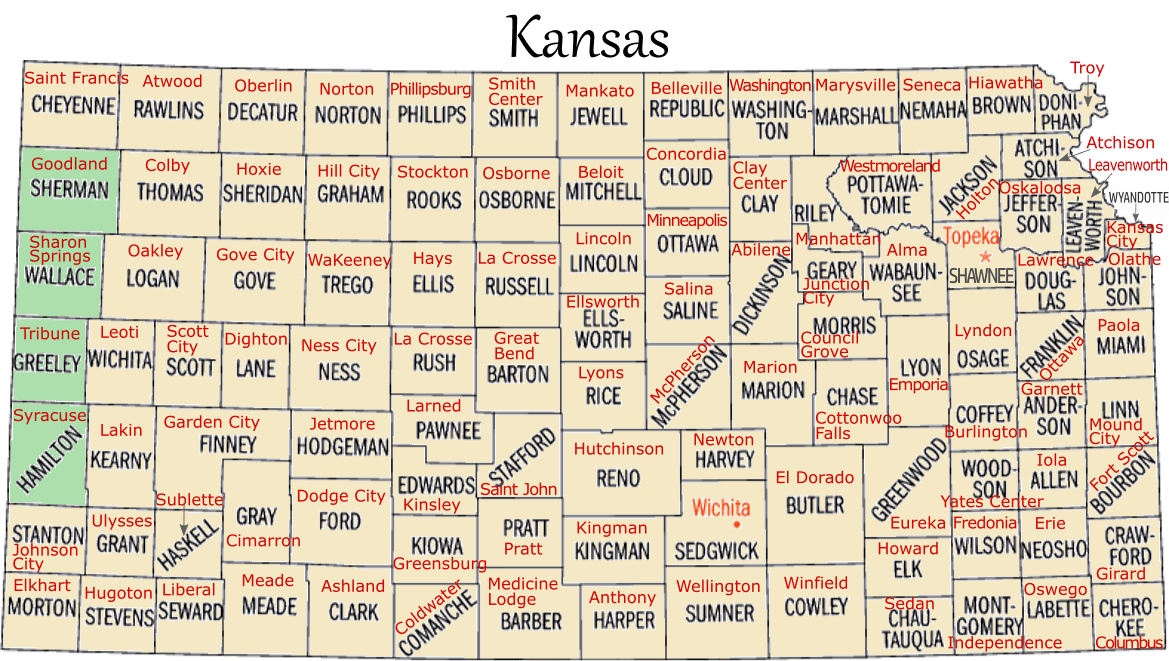
The geographical divide roughly follows the 100th meridian, a significant demarcation line that has historically influenced everything from settlement patterns to agricultural practices. The counties officially observing Mountain Time are Greeley, Hamilton, Sherman, and Wallace. Additionally, parts of Morton County also fall into Mountain Time. This arrangement has deep roots, partly stemming from railroad schedules in the late 19th and early 20th centuries and the natural alignment with neighboring states like Colorado. For travelers crossing this invisible line, it essentially means gaining an hour when heading west and losing an hour when heading east – a subtle shift that can have big implications if not anticipated. Understanding this geographical nuance is the first step towards a perfectly timed Kansas adventure.
Why Time Zones Matter for Your Kansas Journey
The importance of recognizing Kansas’s dual time zones extends far beyond mere trivia; it’s a fundamental aspect of practical travel planning, affecting everything from transportation logistics to leisure activities and business commitments. Imagine arriving at Kansas City International Airport (MCI) in the Central Time Zone for a connecting flight to Goodland, which is in the Mountain Time Zone. A simple miscalculation could mean missing your flight, delaying your arrival at a booked accommodation, or frustrating your hosts.
For those embarking on a road trip across the state, particularly along Interstate 70, the shift occurs subtly around the Thomas County and Sherman County border, near the town of Colby. Suddenly, an hour is either gained or lost, which could impact hotel check-in times, dinner reservations, or scheduled tours. Business travelers, in particular, must be meticulous. A conference call scheduled for 9 AM CST could be 8 AM MST for attendees in western Kansas, leading to missed connections or delayed starts. Similarly, for those on a family vacation, coordinating with local attractions or restaurants requires precision. A booking for a 7 PM dinner in Wichita (CT) is straightforward, but if your next day’s activity involves a sunrise hot air balloon ride near Sharon Springs (MT), remembering that hour difference becomes critical for punctual arrival and a successful, memorable experience. This careful attention to time zones ensures that every aspect of your Kansas itinerary unfolds exactly as planned, enhancing your overall travel experience and allowing you to fully immerse yourself in the local culture and attractions without unnecessary stress.

Exploring Kansas: Time-Sensitive Destinations and Experiences
To truly appreciate the diversity of Kansas, it’s essential to consider how its two time zones shape the experience of exploring its many destinations. Whether you’re seeking the vibrant energy of its eastern cities or the tranquil beauty of its western plains, understanding the local time is paramount for smooth travel and enjoyment. Our journey through Kansas will highlight key regions, offering insights into their attractions, accommodation options, and unique lifestyle characteristics, all viewed through the lens of time zone awareness.
Eastern Kansas: The Central Time Zone Hub
The vast majority of Kansas operates within the Central Time Zone, encompassing its most populous cities and a wealth of tourist attractions. This region is a melting pot of history, innovation, and vibrant urban life, offering a dynamic experience for any traveler.
Kansas City (Kansas side): Often overshadowed by its Missouri counterpart, Kansas City, Kansas, boasts a rich barbecue scene, distinct neighborhoods like the Strawberry Hill district, and attractions like the Kansas Speedway. For accommodation, travelers can find a range of options, from well-known chains to boutique hotels closer to the city center. The Holiday Inn Express Kansas City at The Legends offers convenience for shoppers, while closer to downtown, the historic elegance of the Hotel Phillips Kansas City, Curio Collection by Hilton provides a luxurious stay. Its proximity to the Country Club Plaza and other Kansas City, Missouri landmarks makes it an ideal base. The lifestyle here is fast-paced, with a thriving arts scene, professional sports, and diverse culinary experiences, all perfectly aligned with Central Time expectations.
Topeka: As the state capital, Topeka offers a glimpse into Kansas’s political heart and significant historical moments. The majestic Kansas State Capitol Building is a must-see, as is the Brown v. Board of Education National Historic Site. Accommodation ranges from modern hotels near the city center, like the Hotel Topeka at City Center, which caters to both business and leisure travelers, to charming bed and breakfasts that offer a more personalized experience. Topeka’s lifestyle is steeped in history and community, with local festivals, farmers’ markets, and a burgeoning craft brewery scene providing ample opportunities for cultural immersion, all scheduled in Central Time.
Lawrence: Home to the University of Kansas, Lawrence is a vibrant college town known for its progressive atmosphere, bustling downtown, and rich civil rights history. Visitors can explore Massachusetts Street, lined with unique shops, restaurants, and art galleries, or delve into the town’s past at the Watkins Museum of History. Hotels here range from contemporary options, such as The Oread Hotel, offering stunning views of the KU campus and convenience to downtown, to cozier, independent lodgings that capture the town’s eclectic spirit. The lifestyle in Lawrence is energetic and diverse, with live music venues, independent cinemas, and a strong emphasis on local businesses, all operating on Central Time.
Wichita: As Kansas’s largest city, Wichita is a hub of aerospace innovation, arts, and culture. Attractions include the Botanica, The Wichita Gardens, the world-class Sedgwick County Zoo, and the historic Old Town district with its lively entertainment scene. For accommodation, Wichita offers a wide array of choices, from luxury downtown hotels like the Ambassador Hotel Wichita, Autograph Collection to family-friendly resorts with extensive amenities. The lifestyle here is a blend of urban sophistication and Midwestern charm, offering everything from professional theatre to outdoor adventures along the Arkansas River, all within the Central Time Zone.
Western Kansas: Embracing Mountain Time
Venturing westward, the landscape transitions to vast plains and rugged beauty, and with it, the time zone shifts to Mountain Time. This region offers a different pace of life and unique attractions, perfect for those seeking solitude, natural wonders, and a touch of the Old West.
Goodland: As one of the primary towns in Sherman County, Goodland welcomes travelers into the Mountain Time Zone. It’s famously home to the Giant Easel, a colossal reproduction of a Van Gogh painting, making for an iconic roadside stop. Accommodation options are typically comfortable, locally-run motels and inns, such as the Quality Inn Goodland, providing convenient access for travelers on Interstate 70. The lifestyle in Goodland is relaxed, centered around community and the vast open spaces, ideal for those looking to experience genuine rural Kansas life.
Sharon Springs: Located in Wallace County, another Mountain Time county, Sharon Springs offers visitors a taste of authentic western Kansas. It’s an excellent base for exploring the nearby natural wonders, including the unique chalk formations of Monument Rocks National Natural Landmark, often called “The Kansas Pyramids,” and the Little Jerusalem Badlands State Park. Accommodation here is typically smaller, family-run establishments or guesthouses that offer a warm, personalized stay, allowing travelers to connect with the local community. The lifestyle is about embracing the outdoors, stargazing under vast skies, and enjoying the tranquility of the plains, all while being an hour behind the bustling cities of eastern Kansas.
Practical Tips for Time-Conscious Travelers in Kansas
Navigating Kansas’s dual time zones doesn’t have to be complicated. With a few simple strategies, you can ensure your travel plans unfold smoothly, allowing you to focus on the joy of discovery rather than the anxiety of mismanaged timings.
-
Always Confirm Local Time: This is the golden rule. When booking hotels, making restaurant reservations, scheduling tours, or arranging meetings, explicitly ask or confirm the local time zone. Don’t assume. For instance, if you’re booking a tour from Wichita to a site near Sharon Springs, confirm if the departure time is Central or Mountain Time.
-
Utilize Smart Devices: Modern smartphones, GPS systems, and smartwatches are incredibly adept at automatically adjusting to local time zones. Ensure your device’s automatic time zone setting is enabled. As you cross the time zone boundary in Kansas, your device should update, providing the correct local time. However, always double-check against a reliable source if you have any doubts, especially for critical appointments.
-
Be Aware of Daylight Saving Time: Both the Central and Mountain Time Zones observe Daylight Saving Time, meaning the hour “springs forward” in March and “falls back” in November. While the change happens uniformly within each zone, it’s an extra layer to consider. Always check the current date against the Daylight Saving Time schedule if your travel falls near these transition periods.
-
Clearly Communicate Time Zones: If you’re coordinating with locals, family, or business contacts across the time zone divide, always specify the time zone. Instead of just saying “meet at 10 AM,” say “meet at 10 AM CST” or “10 AM MST.” This eliminates any ambiguity and prevents misunderstandings.
-
Plan Buffer Time: When traveling across time zones, especially if you have tight connections or important appointments, build in extra buffer time. This allows for unexpected delays, provides leeway for time zone adjustments, and reduces stress, ensuring a more relaxed and enjoyable trip.
Kansas is a state of remarkable contrasts, from its bustling eastern cities to its serene western plains. While its dual time zones might seem like a minor detail, mastering this aspect of travel planning can significantly enhance your experience. By staying mindful of local times and utilizing practical tips, you can navigate the Sunflower State with confidence, ensuring every destination, attraction, and accommodation booking aligns perfectly. So, whether you’re chasing the urban thrills of Kansas City or the quiet beauty of Wallace County, you’ll always know exactly what time it is, allowing you to fully immerse yourself in the rich tapestry of experiences that Kansas has to offer.
LifeOutOfTheBox is a participant in the Amazon Services LLC Associates Program, an affiliate advertising program designed to provide a means for sites to earn advertising fees by advertising and linking to Amazon.com. Amazon, the Amazon logo, AmazonSupply, and the AmazonSupply logo are trademarks of Amazon.com, Inc. or its affiliates. As an Amazon Associate we earn affiliate commissions from qualifying purchases.