
Embarking on a journey to the heartland of the United States offers a unique blend of vibrant city life, rich history, and breathtaking natural beauty. Whether you’re planning a business trip, a family vacation, or a solo adventure, understanding the local time is often the first crucial step in orchestrating a seamless travel experience. So, if you’re wondering, “What time is it now in Oklahoma?”, you’re asking a question that unlocks a host of considerations for your itinerary, from booking flights and hotel check-ins to scheduling sightseeing and dining.
Oklahoma operates predominantly within one time zone, simplifying planning for most visitors. This guide will not only answer the fundamental question of current time but also delve into why this knowledge is paramount for any traveler looking to make the most of their visit to the Sooner State. We’ll explore how time zones influence everything from experiencing iconic landmarks to savoring local cuisine, ensuring your Oklahoma adventure is perfectly timed.
Understanding Oklahoma’s Time Zone: A Traveler’s Guide
For travelers heading to Oklahoma, one of the first logistical details to confirm is the time zone. This seemingly simple piece of information can significantly impact your travel plans, from arrival times and meeting schedules to ensuring you don’t miss out on local attractions and experiences. Oklahoma’s time zone alignment means that whether you’re landing in Oklahoma City or exploring the vibrant arts scene in Tulsa, your clock will be set uniformly across the state.
Central Standard Time (CST) and Central Daylight Time (CDT)
Oklahoma observes the Central Time Zone, which means it follows Central Standard Time (CST) for roughly eight months of the year, and Central Daylight Time (CDT) during Daylight Saving Time.
- Central Standard Time (CST): This is the baseline time, observed from early November to mid-March. CST is 6 hours behind Coordinated Universal Time (UTC-6). When Oklahoma is on CST, if it’s noon in London (UTC+0), it’s 6 AM in Oklahoma.
- Central Daylight Time (CDT): This is observed during Daylight Saving Time, from mid-March to early November. Clocks are moved forward by one hour, making CDT 5 hours behind Coordinated Universal Time (UTC-5). During CDT, if it’s noon in London, it’s 7 AM in Oklahoma. This adjustment provides an extra hour of daylight in the evenings, which is particularly beneficial for tourism and outdoor activities.
The transition between CST and CDT typically occurs on the second Sunday in March (clocks spring forward) and the first Sunday in November (clocks fall back). For international travelers or those coming from different time zones within the United States, understanding these shifts is critical. It impacts flight arrival and departure times, hotel check-in windows, and any pre-booked tours or reservations. A simple oversight could mean missing an early morning flight or arriving too late for a scheduled event. Always double-check your itinerary against the current time observation, especially if your travel dates fall around these transition periods.
Why Knowing the Time Matters for Your Oklahoma Adventure
Beyond the practicalities of flights and hotel stays, understanding Oklahoma’s current time is essential for truly immersing yourself in the local culture and making the most of your travel experiences. The rhythm of daily life in Oklahoma, from bustling morning markets to serene sunset views, is dictated by the clock.
Planning Itineraries and Attractions: Many of Oklahoma’s premier attractions, such as the Oklahoma City National Memorial & Museum, the Myriad Botanical Gardens, or the Philbrook Museum of Art in Tulsa, operate on specific opening and closing hours. Knowing the current time, and especially how it aligns with sunrise and sunset, allows you to strategically plan your visits. You can maximize daylight for outdoor excursions like exploring the Wichita Mountains Wildlife Refuge or enjoying a stroll along Tulsa’s Riverside Drive, reserving evening hours for vibrant nightlife in Bricktown or a show at a local theatre.
Dining Schedules and Nightlife: Oklahoma’s culinary scene offers everything from classic American diners to upscale farm-to-table restaurants and authentic Native American cuisine. Restaurants adhere to typical lunch and dinner hours, which often align with local time preferences. Missing these windows could mean limited options or longer waits. For those seeking nightlife, bars and entertainment venues in cities like Oklahoma City and Tulsa kick into gear in the evenings, with peak times typically later in the CDT months. Being aware of the local time ensures you catch your desired dining experience or enjoy the vibrant after-hours scene without a hitch.
Business Travel and Communication: For business travelers, time zone awareness is non-negotiable. Scheduling meetings, conference calls, or presentations requires precision, especially when collaborating with teams or clients in different time zones. Even for leisure travelers, staying in touch with family and friends back home requires a quick mental calculation to avoid late-night or early-morning calls. Utilizing online time zone converters or your smartphone’s world clock feature can be invaluable tools to manage these communications effectively. Ultimately, being time-savvy is about respecting local customs and maximizing every moment of your journey, transforming potential confusion into seamless exploration.

Discovering Oklahoma: Beyond the Clock
While knowing the time is crucial for logistical reasons, Oklahoma offers an abundance of experiences that transcend the tick-tock of the clock. This state is a treasure trove of culture, history, and natural beauty, inviting travelers to explore at their own pace, day or night, through every season. From bustling cityscapes to serene natural wonders, Oklahoma promises a diverse travel experience that caters to every lifestyle.
Iconic Landmarks and Must-Visit Attractions
Oklahoma’s landscape is dotted with landmarks that tell compelling stories, showcase stunning architecture, or simply offer breathtaking views. Each offers a unique experience, often enhanced by the time of day you choose to visit.
In Oklahoma City, the solemn yet powerful Oklahoma City National Memorial & Museum is a must-see. While the outdoor Symbolic Memorial is accessible 24/7, the museum itself has specific hours, making a daytime visit ideal for a comprehensive understanding of its history and message. For a lighter, yet equally enriching experience, the Myriad Botanical Gardens offer a verdant escape in the heart of the city, best enjoyed during daylight hours for optimal plant viewing and strolls. The lively Bricktown Entertainment District truly comes alive in the evenings, with boat tours, dining, and vibrant nightlife making it a perfect after-dark destination.
Heading northeast to Tulsa, the city boasts a remarkable collection of Art Deco architecture and world-class museums. The Philbrook Museum of Art, housed in an exquisitely preserved villa with stunning gardens, is best explored during the day when natural light illuminates its extensive collections. Similarly, the Gilcrease Museum, home to one of the world’s most comprehensive collections of art and artifacts of the American West, requires ample daylight hours to fully appreciate its exhibits. Don’t miss the Woody Guthrie Center for a deep dive into American folk music history.
For nature enthusiasts, Oklahoma offers stunning outdoor attractions. The Wichita Mountains Wildlife Refuge provides opportunities for hiking, wildlife viewing (bison, elk, longhorns), and photography, best undertaken during the cooler morning or late afternoon hours to avoid the midday sun and catch animals at their most active. Nearby, the quaint cobblestone streets of Medicine Park offer a charming respite. Further south, Turner Falls Park, with its natural swimming areas and the tallest waterfall in Oklahoma, is a fantastic spot for a full day of family fun, requiring good daylight for exploration and water activities. These natural wonders underscore the importance of aligning your visit with optimal daylight for both safety and enjoyment.
Embracing Oklahoma’s Local Culture and Cuisine
Oklahoma’s cultural tapestry is rich and diverse, woven from Native American heritage, cowboy traditions, and a distinct Midwestern charm. Engaging with this culture is a highlight for many travelers, and often involves specific timing.
Culinary Delights: Oklahoma’s food scene is an unexpected pleasure, offering more than just steak and potatoes. Barbecue is king here, and finding the best smokehouse often means visiting during prime lunch or dinner hours when the pits are fired up and the brisket is fresh. Beyond BBQ, explore the state’s significant Native American influence through traditional dishes available at cultural centers or specialized restaurants. For example, the Chickasaw Cultural Center offers a taste of authentic tribal cuisine. In Oklahoma City, the Paseo Arts District or the Plaza District offer trendy eateries that come alive in the evenings. Tulsa’s Blue Dome and Brady Arts Districts also boast a vibrant array of dining options perfect for an evening out, with many local spots offering happy hour deals and live music.
Festivals and Events: To truly immerse yourself in Oklahoma’s culture, consult a local events calendar. The state hosts numerous festivals throughout the year, celebrating everything from jazz and blues to Native American heritage and rodeos. Events like the Red Earth Festival, Oklahoma State Fair, or Tulsa International Mayfest are deeply ingrained in the local lifestyle and offer a fantastic glimpse into the state’s spirit. These events typically have set schedules and performance times, making awareness of the local clock crucial for catching your desired shows or activities.
Historical Exploration: Oklahoma is deeply intertwined with the history of the American West and the Dust Bowl era. A drive along parts of Historic Route 66 offers a nostalgic journey through roadside diners and classic motels, many of which adhere to traditional operating hours. Visiting the National Cowboy & Western Heritage Museum or the Museum of Osteology provides fascinating insights into the state’s past and natural world. The expansive history of the various Native American nations, including the Cherokee Nation, can be explored through dedicated cultural centers and museums, each with their own schedules for exhibits and performances. Engaging with these historical narratives during their operational hours enriches your understanding and appreciation of Oklahoma’s unique identity.
Where to Stay and How to Plan Your Oklahoma Getaway
Once you’ve grasped the essentials of Oklahoma’s time zone and pinpointed the attractions that beckon, the next vital step is securing your accommodation and crafting a travel plan that maximizes every moment. Oklahoma offers a diverse range of lodging options, catering to every preference and budget, ensuring your stay is as comfortable and convenient as possible.
Accommodation Options for Every Lifestyle
From luxurious resorts that offer every amenity to charming boutique hotels and practical extended-stay apartments, Oklahoma’s accommodation landscape is robust. Your choice of lodging can significantly influence your travel experience, providing a base from which to explore the state’s attractions at your leisure.
For those seeking luxury and historical elegance in Oklahoma City, the Skirvin Hilton Oklahoma City offers a blend of classic charm and modern amenities. Its central location makes it ideal for exploring downtown attractions like Bricktown and the Myriad Botanical Gardens without worrying about extensive travel times. In Tulsa, the Ambassador Hotel Tulsa, Autograph Collection, provides a sophisticated stay with easy access to the city’s burgeoning arts and cultural districts. These high-end options often come with concierge services that can help with timed bookings for shows or dining.
If a resort experience is more your style, the River Spirit Casino Resort in Tulsa combines entertainment, dining, and comfortable lodging, perfect for a getaway where everything you need is under one roof. For travelers prioritizing privacy or a home-away-from-home feel, vacation rentals and apartments available through various platforms offer excellent alternatives, particularly for families or longer stays. These options often provide kitchens, allowing for flexibility in meal times, which can be especially helpful when adjusting to a new time zone or catering to specific dietary needs.
When booking, consider not only the price and amenities but also the location relative to the attractions you plan to visit and your transportation method. Read recent reviews to get a sense of the guest experience and ensure the accommodation aligns with your expectations. Many hotels and resorts also offer package deals that might include tickets to local attractions or dining credits, which can be a value-add for your trip.
Maximizing Your Time: Travel Tips for Oklahoma
Effective planning is the cornerstone of any successful trip, and in Oklahoma, it means making sure you leverage the local time to your advantage.
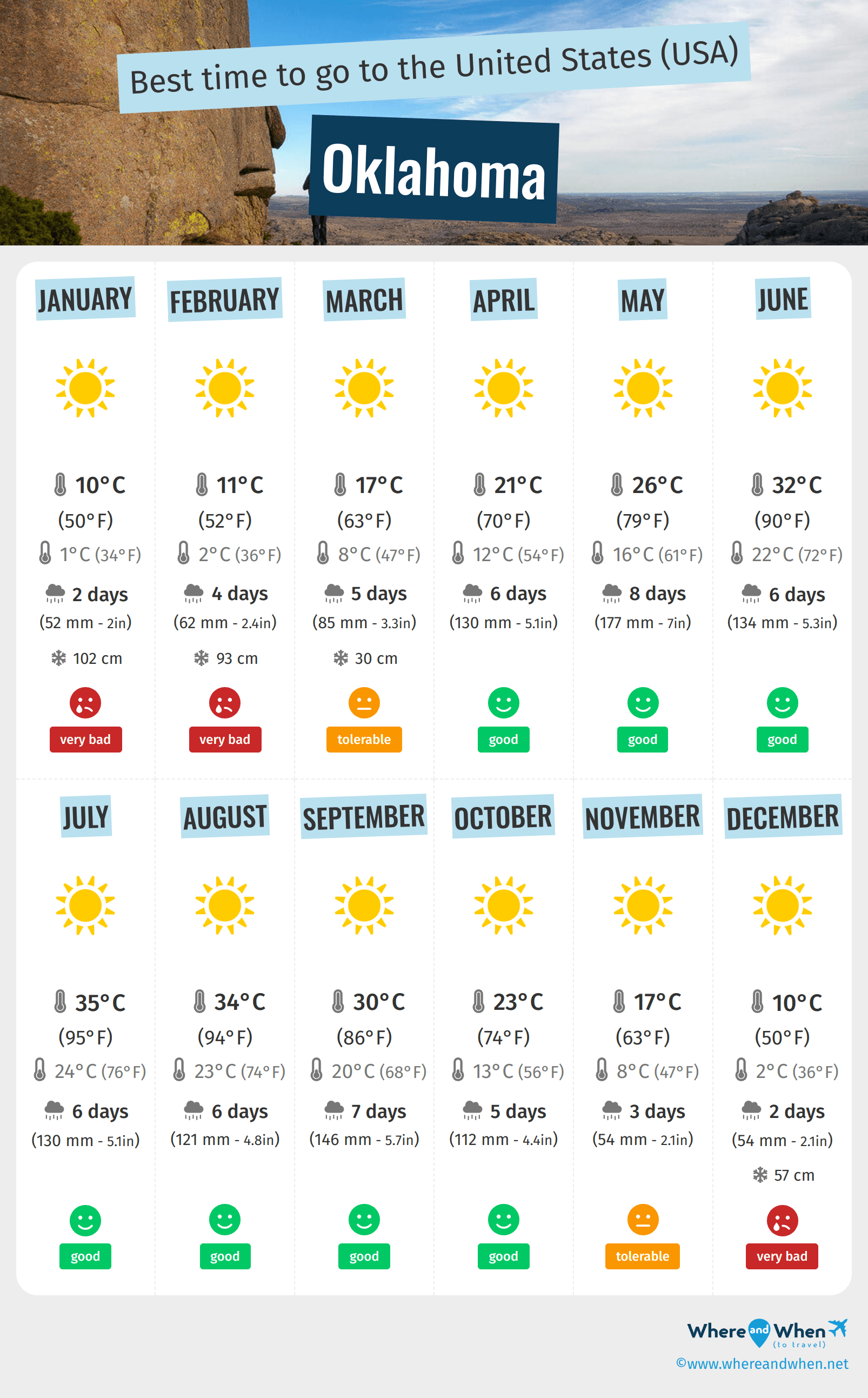
Best Seasons to Visit: Oklahoma experiences distinct seasons, each offering a different flavor of the state. Spring (April-May) and Fall (September-October) generally offer the most pleasant weather, with mild temperatures perfect for outdoor activities and festivals. Summer can be hot, making water-based activities or early morning/late afternoon excursions more appealing. Winter, while sometimes chilly, can be quieter and offer unique experiences like holiday light displays or fewer crowds at indoor attractions. Aligning your visit with your preferred activities and weather conditions is crucial for an enjoyable experience.
Transportation within the State: While Oklahoma City and Tulsa offer public transportation options, having a rental car is often recommended for exploring the wider state, especially for reaching natural landmarks like the Wichita Mountains Wildlife Refuge or iconic stretches of Route 66. Factor in drive times between destinations when planning your daily schedule, remembering that the state’s vastness means travel between major cities can take a few hours. For those staying within the metropolitan areas, ride-sharing services and taxis are readily available, especially during peak hours.
Budgeting and Lifestyle Choices: Oklahoma caters to various travel lifestyles. Budget travelers can find numerous affordable motels, campsites, and free attractions like parks or historical markers. For those seeking a luxurious experience, high-end hotels, gourmet dining, and exclusive experiences such as private tours or tickets to horse races at Remington Park are readily available. Family trips often benefit from attractions like Frontier City theme park or children’s museums, while business travelers can find well-equipped convention centers and business-friendly hotels. Consider booking some activities in advance, especially during peak seasons, to secure your spot and avoid disappointment.
By paying attention to the clock and meticulously planning your itinerary, from where you stay to what you experience, your Oklahoma adventure will be nothing short of memorable. The state is ready to unveil its charm, history, and beauty, all on Central Time. So, check your watch, set your schedule, and prepare to discover the wonders of Oklahoma.
LifeOutOfTheBox is a participant in the Amazon Services LLC Associates Program, an affiliate advertising program designed to provide a means for sites to earn advertising fees by advertising and linking to Amazon.com. Amazon, the Amazon logo, AmazonSupply, and the AmazonSupply logo are trademarks of Amazon.com, Inc. or its affiliates. As an Amazon Associate we earn affiliate commissions from qualifying purchases.