
Understanding the precise time in any given location is a fundamental aspect of seamless travel, especially when venturing into states like North Dakota, which straddles two distinct time zones. For travelers planning a visit to the Peace Garden State, coordinating schedules, managing expectations, and fully immersing oneself in the local rhythm hinges on a clear grasp of its temporal divisions. This guide delves into the specifics of North Dakota’s time zones, offering insights crucial for navigating its vast landscapes, bustling cities, and serene natural attractions. From planning your arrival and departure to scheduling your excursions and dining experiences, knowing the correct time ensures a harmonious and stress-free journey through this captivating Midwestern destination.
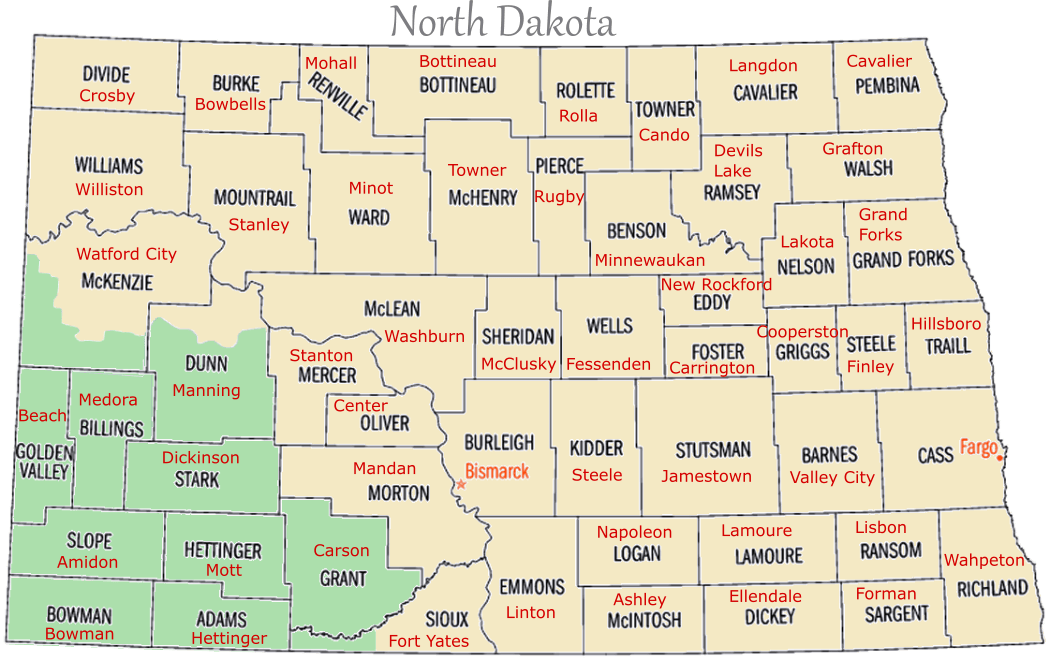
Navigating Time Zones in the Peace Garden State
North Dakota presents a unique temporal landscape, divided between the Central Time Zone (CT) and the Mountain Time Zone (MT). This division is not merely a line on a map but a practical consideration for anyone traveling within or to the state. The vast majority of North Dakota operates on Central Time, adhering to Central Standard Time (CST) during the fall and winter months and Central Daylight Time (CDT) when Daylight Saving Time is in effect. However, a significant portion of its western counties observes Mountain Time, specifically Mountain Standard Time (MST) and Mountain Daylight Time (MDT). This temporal split can lead to confusion if not properly accounted for, affecting everything from flight connections to the timing of local events and business hours.
Central vs. Mountain: Understanding the Divide
The boundary between Central and Mountain Time in North Dakota primarily follows the western edges of Burleigh, Morton, Mercer, Oliver, and Grant counties, among others, extending northward and southward. Essentially, the bulk of the state’s population and its eastern and central regions fall within Central Time. This includes major population centers and agricultural heartlands. The western sliver of the state, bordering Montana, aligns with the Mountain Time Zone. This particular geographic alignment is a key factor for travelers moving from the state’s eastern metropolitan areas to its rugged western Badlands or oil-rich regions. Understanding this delineation is paramount for accurate scheduling and communication, preventing missed appointments or premature arrivals.
Major Cities and Their Time Affiliations
To provide clarity for travelers, it’s helpful to identify which time zone the prominent cities and towns adhere to:
- Fargo: As North Dakota’s largest city and a bustling hub in the eastern part of the state, Fargo operates on Central Time. This applies to all its attractions, businesses, and transport services.
- Bismarck: The state capital, situated more centrally along the Missouri River, also observes Central Time. Visitors to the North Dakota State Capitol Building or the Lewis & Clark Riverboat will find themselves on CT.
- Grand Forks: Located in the northeastern part of the state, home to the University of North Dakota, Grand Forks is firmly within the Central Time Zone.
- Minot: Positioned in the north-central part of North Dakota, known for the Norsk Høstfest and Minot Air Force Base, Minot also adheres to Central Time.
- Williston: A key city in the far western part of the state, deeply integrated into the Bakken oil fields, Williston operates on Mountain Time. This is a crucial distinction for travelers heading to this region.
- Medora: The gateway to the South Unit of Theodore Roosevelt National Park, Medora is another prominent location that observes Mountain Time. Its proximity to the Montana border dictates this temporal alignment, which is important for visitors planning their park activities or attending the Medora Musical.
For travelers, it is always advisable to verify the local time zone of their specific destination, especially if their itinerary involves traversing the state from east to west or vice-versa. Online mapping services and weather apps typically adjust automatically, but a quick manual check can avert potential travel mishaps.
The Impact of Time Zones on Travel Planning
The seemingly simple concept of time zones takes on significant importance when planning a trip to a geographically diverse state like North Dakota. From the moment of booking to the execution of daily activities, time zone awareness is a critical component of successful travel logistics. Ignoring these distinctions can lead to missed connections, closed attractions, or simply unnecessary stress. Thoughtful consideration of time zone shifts will enhance the overall travel experience, ensuring that every minute counts in exploring the unique offerings of North Dakota.
Coordinating Flights and Ground Transportation
When booking flights into or out of North Dakota’s airports, such as Hector International Airport (FAR) in Fargo or Bismarck Airport (BIS), all times listed are local to the airport. This is straightforward for arrivals. However, if your itinerary includes a drive from, say, Fargo (CT) to Theodore Roosevelt National Park near Medora (MT), you will effectively “gain” an hour upon crossing into the Mountain Time Zone. This means an hour less driving time than you might initially calculate or an extra hour to enjoy at your destination. Conversely, traveling eastward from Williston to Bismarck means “losing” an hour, requiring an earlier departure to maintain a schedule. Accounting for these one-hour shifts is crucial for arrival times for hotel check-ins, scheduled tours, or even meeting friends.
Scheduling Attractions and Dining Experiences
North Dakota’s attractions, from the Frontier Village in Jamestown to the North Dakota Heritage Center & State Museum in Bismarck, operate on local time. This means if you are traveling from Central Time to a Mountain Time attraction, its opening hours will effectively feel an hour later to you. For instance, an attraction opening at 9:00 AM MT would feel like 10:00 AM CT to someone who hasn’t adjusted. This distinction is especially important for timed entry tickets, guided tours, or specific event schedules. The same applies to dining reservations. A dinner reservation at 7:00 PM MT in Medora would be 8:00 PM CT to a traveler arriving from Fargo, potentially leading to a late and hungry arrival if not properly anticipated.

Business Travel and Meeting Logistics
For those visiting North Dakota for business, especially in the western Bakken region, time zone accuracy is non-negotiable. Conference calls, client meetings, and site visits must be scheduled with precision. Miscalculating a time zone difference could result in missed opportunities or a perception of unprofessionalism. Businesses in Williston or Watford City will operate on Mountain Time, while those in Fargo or Bismarck will use Central Time. When coordinating across these zones, explicit communication of the time zone for any scheduled event is a best practice. This attention to detail reflects preparedness and ensures all parties are on the same page, both literally and figuratively.
Experiencing North Dakota’s Attractions Across Time
The geographical expanse of North Dakota means that its diverse attractions are spread across its two time zones, offering distinct experiences that are influenced by their temporal setting. Understanding these regional differences enhances the travel guide aspect, enabling visitors to plan their adventures more effectively.
Eastern North Dakota: Fargo and the Red River Valley
In Eastern North Dakota, the heartbeat of cities like Fargo and Grand Forks ticks to Central Time. This region, characterized by its fertile Red River Valley and vibrant urban centers, offers a wealth of attractions. In Fargo, travelers can explore the vibrant downtown district, home to unique boutiques, art galleries, and acclaimed restaurants, or delve into history at the Fargo Air Museum. Grand Forks beckons with the North Dakota Museum of Art and its picturesque greenway along the Red River. All these experiences, from a morning coffee run to an evening concert, will naturally align with the CT schedule, making planning straightforward for those arriving from other Central Time locations.
Western North Dakota: Badlands and Theodore Roosevelt National Park
Venturing west into the Mountain Time Zone reveals a dramatic shift in landscape and pace. The rugged beauty of the North Dakota Badlands and the expansive Theodore Roosevelt National Park define this region. Here, activities like sunrise photography over the colorful canyons, scenic drives along the Maah Daah Hey Trail, or attending the Medora Musical are governed by Mountain Time. When transitioning from Central Time, travelers will notice an apparent “extra” hour in the morning, which can be perfectly utilized for early park explorations, beating the heat, or simply savoring a leisurely breakfast before embarking on a day of adventure. The perceived “earlier” sunsets in MT also mean earlier prime stargazing opportunities, a highlight for many visitors to the national park.
Practical Tips for Seamless Time Zone Transitions
Navigating time zones doesn’t have to be a source of stress. With a few practical strategies, travelers can ensure a smooth transition and maximize their time exploring North Dakota. These tips are designed to make your journey through the state as enjoyable and punctual as possible, regardless of which time zone you find yourself in.
Adjusting Your Devices
The simplest and most effective way to manage time zone changes is to ensure your electronic devices are set to update automatically. Smartphones, smartwatches, and GPS systems typically detect changes in time zones and adjust accordingly. However, it’s always prudent to double-check manually upon arrival, especially if you are near the time zone boundary where signals might fluctuate. For non-smart devices, a manual adjustment is necessary. Consider carrying a traditional watch set to your destination’s time or a secondary device to keep track of both your home time and local time for easy reference. This small step can prevent significant scheduling errors.
Planning for Daylight Saving Time
Like most of the United States, North Dakota observes Daylight Saving Time (DST), where clocks “spring forward” in March and “fall back” in November. This means that Central Standard Time (CST) becomes Central Daylight Time (CDT), and Mountain Standard Time (MST) becomes Mountain Daylight Time (MDT). The important thing to remember is that the time difference between the two zones (one hour) remains constant, but the absolute offset from Coordinated Universal Time (UTC) changes. Travelers planning trips during these transition periods should be particularly vigilant, as the change occurs simultaneously across both zones, effectively shifting the entire state’s clock forward or backward by an hour. Always confirm travel dates against DST changes to avoid confusion.

Beating Jet Lag (or Time Zone Lag)
While the one-hour time difference within North Dakota is unlikely to induce severe jet lag, it can still cause a minor disruption to your internal clock, often referred to as “time zone lag.” To minimize its effects, especially when traveling from other parts of the country with larger time differences:
- Adjust gradually: If possible, start shifting your sleep schedule by 30-60 minutes a few days before your trip.
- Hydrate: Drink plenty of water and avoid excessive caffeine and alcohol, especially during travel days.
- Seek natural light: Expose yourself to natural light upon arrival, particularly in the morning, to help reset your circadian rhythm.
- Stick to the local schedule: Try to eat and sleep according to the local time as soon as you arrive, even if you don’t feel tired or hungry.
- Short naps: If you must nap, keep it short (20-30 minutes) to avoid deeper sleep cycles that can worsen disorientation.
By understanding North Dakota’s dual time zones and implementing these practical tips, your travel experience will be not only smooth but also enriched, allowing you to fully engage with all the state has to offer, exactly on time.
LifeOutOfTheBox is a participant in the Amazon Services LLC Associates Program, an affiliate advertising program designed to provide a means for sites to earn advertising fees by advertising and linking to Amazon.com. Amazon, the Amazon logo, AmazonSupply, and the AmazonSupply logo are trademarks of Amazon.com, Inc. or its affiliates. As an Amazon Associate we earn affiliate commissions from qualifying purchases.