
Planning a trip to the sprawling metropolis of Los Angeles, California, involves more than just picking a flight and booking a hotel. To truly immerse yourself in the vibrant lifestyle and seamless experiences this iconic city offers, understanding its local time is paramount. Whether you’re coordinating a business call with a client in Europe, scheduling a dinner reservation at a trendy Hollywood restaurant, or simply aiming to conquer jet lag, knowing “what time is Los Angeles right now?” is your first step towards an unforgettable California adventure.
At any given moment, Los Angeles operates on either Pacific Standard Time (PST) or Pacific Daylight Time (PDT), depending on the season. This places the city firmly within the Pacific Time Zone in the United States. During PST, which typically runs from early November to mid-March, Los Angeles is eight hours behind Coordinated Universal Time (UTC) or Greenwich Mean Time (GMT), expressed as UTC-8. When Daylight Saving Time kicks in, usually from mid-March to early November, the clocks spring forward by one hour, shifting Los Angeles to PDT, or UTC-7. This seasonal shift is a crucial detail for anyone planning a visit or needing to connect with the city’s vibrant pulse.
Understanding this temporal framework isn’t just an academic exercise; it’s a practical necessity that touches upon every aspect of travel, accommodation, tourism, and lifestyle planning in Los Angeles. From ensuring you don’t miss your pre-booked Universal Studios Hollywood tour to coordinating a video call with family back home, time zone awareness is your secret weapon for a smooth and enjoyable journey.
Navigating the Rhythms of the Pacific Time Zone
The dynamic nature of time zones, especially with the biannual shift for Daylight Saving Time, means that staying informed is key. For a city as bustling and diverse as Los Angeles, these details can significantly impact your experience.
PST vs. PDT: Understanding California’s Clock
The distinction between PST and PDT is fundamental for anyone interacting with Los Angeles. When Daylight Saving Time begins, typically on the second Sunday in March, clocks move forward one hour. This means an extra hour of daylight in the evenings, a beloved feature for both locals and tourists eager to make the most of the city’s outdoor attractions and longer days. Conversely, on the first Sunday in November, clocks fall back, returning to PST, signaling the arrival of shorter days and earlier sunsets.
For international travelers, aligning with Los Angeles time requires a simple calculation from your own location. If you’re coming from London (GMT/UTC+0), Los Angeles will be 8 hours behind during PST and 7 hours behind during PDT. From New York (Eastern Standard Time/EST, UTC-5), there’s a consistent three-hour difference: Los Angeles is always three hours behind the East Coast of the U.S. Understanding these differentials is crucial for international calls, virtual meetings, or simply telling friends and family back home when you’ll next be available.
The Impact on Travel Planning and Communication
Effective trip planning revolves around accurate timing. When booking flights, tours, hotel check-ins, or even arranging airport transfers at Los Angeles International Airport (LAX), all schedules will be based on Los Angeles local time. A flight departing Tokyo on Monday evening might arrive in LA on Monday afternoon due to crossing the International Date Line and significant time zone differences, creating an intriguing temporal paradox for the traveler.
For business travelers, managing meeting schedules across different time zones is an art form. A 9 AM meeting in Los Angeles means 12 PM in New York and likely evening or even the next day in Asia or Europe. Clear communication regarding specific time zones (e.g., “9 AM PST”) prevents costly misunderstandings. Likewise, coordinating with tour operators, car rental agencies, or even contacting a specific hotel’s front desk for a last-minute request should always be done with the local LA time in mind to ensure prompt responses and avoid unexpected delays. This diligent approach helps ensure that every aspect of your Los Angeles journey, from initial booking to final departure, unfolds seamlessly.
Maximizing Your Los Angeles Experience: Time-Sensitive Planning
Los Angeles is a city of endless possibilities, but to truly experience its magic, you need to align your schedule with its unique rhythm. From world-class landmarks to vibrant nightlife, every attraction and experience operates on its own clock.
Attractions and Entertainment: Operating Hours and Peak Times
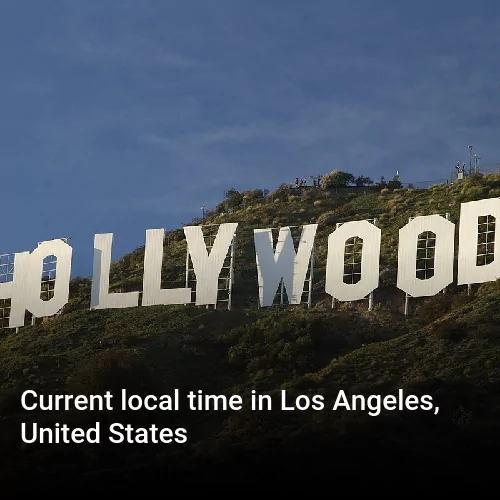
Many of Los Angeles’s most iconic destinations have specific operating hours that visitors must consider. The majestic Griffith Observatory, offering breathtaking views of the city skyline and the Hollywood Sign, typically closes in the late evening, meaning prime sunset viewing requires careful timing. Theme parks like Universal Studios Hollywood and nearby Disneyland (located in Anaheim, a short drive away) have seasonal opening and closing times, which can be influenced by holidays or special events. Checking their official websites for the most current schedule is highly recommended to avoid disappointment.
Museums such as the renowned Getty Center often have specific closing days (e.g., Mondays) and hours, which may vary. Even seemingly free and open spaces like Venice Beach or the shops along Rodeo Drive in Beverly Hills have peak times. Early mornings at the beach offer a tranquil experience, while midday brings bustling crowds. Understanding these patterns helps you plan your day efficiently, minimizing wait times and maximizing enjoyment. Furthermore, navigating LA’s infamous rush hour (typically 7-10 AM and 4-7 PM) is critical. Planning visits to attractions during off-peak traffic hours can save you precious vacation time and frustration.
Dining and Nightlife: Aligning with Local Rhythms
Los Angeles boasts a diverse culinary scene, from casual food trucks to Michelin-starred restaurants. Most breakfast spots in areas like Santa Monica or Malibu open around 7-8 AM, while lunch service typically begins at 11:30 AM or noon. Dinner is usually served from 5:30 PM onwards, with peak dining times between 7 PM and 9 PM, especially in popular neighborhoods. Securing reservations for highly sought-after restaurants is often essential, and these must, of course, be made with LA local time in mind.
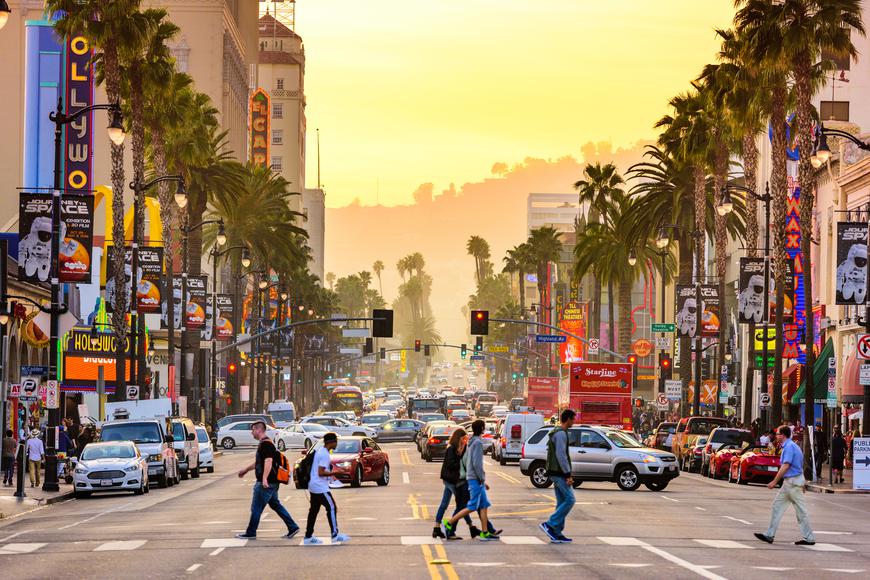
The city’s vibrant nightlife truly comes alive after 9 PM. From live music venues on the Sunset Strip to trendy bars in Downtown Los Angeles, entertainment options abound. Shows at the TCL Chinese Theatre or events along the Walk of Fame will have precise start times, which should be double-checked. Remember that last call for alcohol in California is generally 2 AM, so plan your evenings accordingly if you wish to enjoy a full nightlife experience. Respecting these local rhythms allows you to fully engage with the city’s social fabric and enjoy its unique ambiance without feeling rushed or out of sync.
Conquering Jet Lag: Strategies for a Smooth Los Angeles Arrival
For many travelers, especially those arriving from distant time zones like Europe or Asia, the temporal shift to Los Angeles can lead to jet lag. This common affliction, characterized by fatigue, disorientation, and disrupted sleep, can significantly impact the initial days of your trip. However, with a few proactive strategies, you can minimize its effects and hit the ground running.
Pre-Trip Adjustments and In-Flight Tips
The battle against jet lag begins even before you board your flight to LA. A few days prior to departure, try to gradually shift your internal sleep schedule closer to Los Angeles time. If flying west, stay up a bit later; if flying east (less common for LA visitors from distant lands), try to go to bed earlier.
During your flight, proper hydration is paramount. Drink plenty of water and avoid excessive alcohol and caffeine, which can exacerbate dehydration and interfere with sleep. Set your watch to Los Angeles time as soon as you settle into your seat. This mental adjustment helps your brain start adapting to the new schedule. If you plan to sleep on the flight, try to do so during what would be nighttime in LA. Eye masks and noise-canceling headphones can be invaluable tools for creating a restful environment.
Post-Arrival Accommodation and Lifestyle Hacks
Once you’ve landed at LAX and settled into your accommodation, the key is to embrace the local time immediately. The most effective weapon against jet lag is natural sunlight. Spend time outdoors as soon as possible after arrival, even if it’s just a stroll around your hotel’s grounds or a nearby park. Natural light helps reset your circadian rhythm more effectively than anything else.
Choosing the right hotel or resort can also aid in your recovery. Look for hotels that offer blackout curtains, comfortable beds, and quiet rooms – essential amenities for undisturbed sleep. Resist the urge to take long naps during the day. If you absolutely need to rest, limit it to a short power nap of 20-30 minutes early in the afternoon. Prioritize healthy eating and light exercise, such as walking along the beach in Santa Monica or hiking in the Hollywood Hills. These lifestyle adjustments will signal to your body that it’s time to align with Los Angeles’s clock, ensuring you quickly feel refreshed and ready to explore.
Embracing the LA Time Zone: Your Gateway to an Unforgettable California Adventure
Understanding “what time is Los Angeles right now?” is far more than a simple query about the clock. It’s a foundational element for seamless travel, thoughtful accommodation choices, enriching tourism experiences, and a truly integrated lifestyle during your visit. This vibrant city thrives on its own schedule, and by aligning yourself with its temporal pulse, you unlock a deeper, more rewarding California adventure.
From the moment you begin planning, to your first sunrise over the Pacific Ocean in Malibu, every decision benefits from time awareness. Whether you’re booking luxury travel experiences in Beverly Hills, finding budget travel accommodation in a cozy apartment, or meticulously crafting a family trip itinerary around attractions like Universal Studios Hollywood, the local time dictates the rhythm. Knowing when to make that critical dining reservation, when to hit the beach to avoid crowds, or how to conquer jet lag for an energetic start to your day – these are the practical tips that transform a good trip into an exceptional one.
Los Angeles invites you to explore its diverse neighborhoods, iconic landmarks, and rich local culture at your own pace. By understanding and respecting its time zone, you gain the freedom to fully immerse yourself in everything from early morning hikes at Griffith Observatory to late-night entertainment in Downtown Los Angeles. So, check the current time, adjust your watch, and get ready to experience the City of Angels in perfect sync. Your Californian dream awaits, precisely on schedule.
LifeOutOfTheBox is a participant in the Amazon Services LLC Associates Program, an affiliate advertising program designed to provide a means for sites to earn advertising fees by advertising and linking to Amazon.com. Amazon, the Amazon logo, AmazonSupply, and the AmazonSupply logo are trademarks of Amazon.com, Inc. or its affiliates. As an Amazon Associate we earn affiliate commissions from qualifying purchases.