
Stepping into New York City, the vibrant heart of the United States, means entering a realm defined by its relentless energy, iconic landmarks, and a distinct rhythm. Central to understanding this rhythm, whether you’re planning a quick getaway, a business trip, or an extended stay, is knowing its time zone. New York consistently operates on Eastern Time (ET), a designation that fluctuates between Eastern Standard Time (EST) and Eastern Daylight Time (EDT) depending on the season. This seemingly simple fact carries profound implications for travelers, influencing everything from flight schedules and hotel check-ins to sightseeing itineraries and even adapting to the city’s unique lifestyle.
For those embarking on a journey to the Big Apple, understanding New York’s time zone is the first crucial step in seamless travel planning. It dictates when you can board that Broadway show, when the doors of the Metropolitan Museum of Art open, or when your reservation at a coveted restaurant like Per Se or Le Bernardin beckons. Beyond mere scheduling, adapting to ET is essential for minimizing jet lag, maximizing your experience, and truly immersing yourself in the fast-paced, 24/7 culture that defines this global metropolis. From luxurious suites in Manhattan to charming boutique hotels in Brooklyn, every aspect of your accommodation and activities will revolve around the Eastern Time clock.
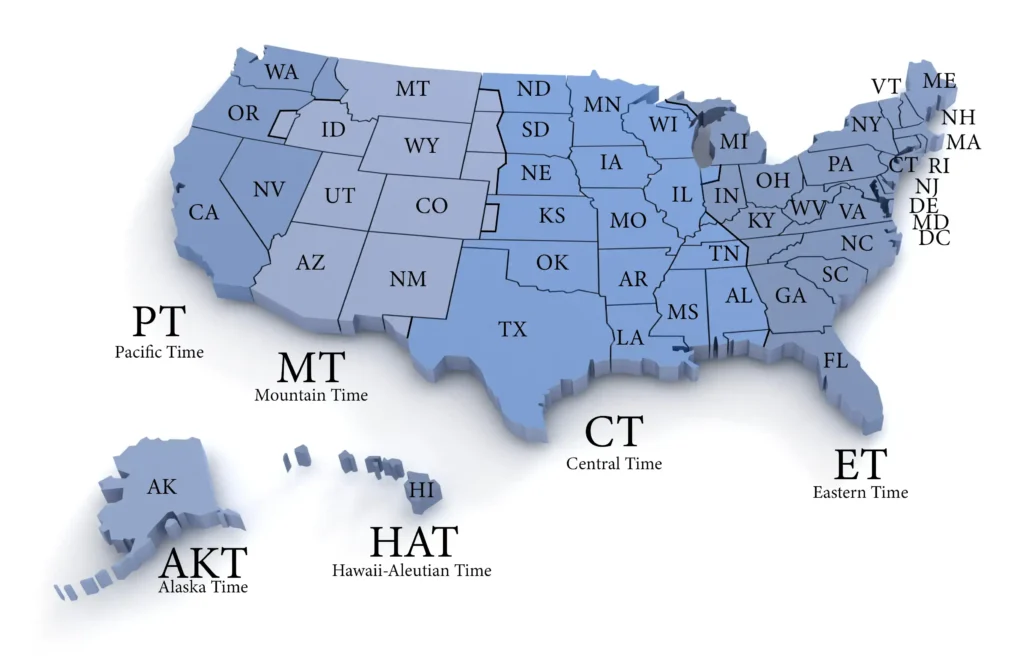
Understanding Eastern Time: EST vs. EDT
The bedrock of New York’s temporal framework is Eastern Time. This broad time zone encompasses a significant portion of the eastern United States and Canada, along with parts of Mexico and the Caribbean. However, within ET, there’s a critical distinction to be made between its two seasonal manifestations: Eastern Standard Time (EST) and Eastern Daylight Time (EDT).
The Core of New York’s Clock: UTC-5 and UTC-4
During the colder months, roughly from early November to mid-March, New York observes Eastern Standard Time (EST). This means the local time is five hours behind Coordinated Universal Time (UTC-5). As spring approaches, typically on the second Sunday in March, the clocks “spring forward” by one hour to usher in Eastern Daylight Time (EDT). During this period, which lasts until the first Sunday in November, New York is four hours behind Coordinated Universal Time (UTC-4). This shift, commonly known as Daylight Saving Time, is implemented to make better use of natural daylight, pushing sunset later into the evening.
Understanding this bi-annual change is paramount for any visitor. While New York is the primary focus, it’s worth noting that many other popular destinations share this time zone, including major cities like Miami in Florida, the nation’s capital Washington D.C., and Canadian provinces such as Ontario and Quebec. Smaller island nations and territories, including Cuba, the Bahamas, and Jamaica also align with parts of Eastern Time at various points in the year, simplifying cross-border travel within these regions.
Why Time Zones Matter for Travelers
The seemingly simple concept of a time zone takes on significant weight when you’re traveling, particularly across continents.
- Minimizing Jet Lag: Perhaps the most immediate impact of crossing multiple time zones is jet lag. Your body’s internal clock, or circadian rhythm, struggles to adjust to the new local time. Understanding the time difference in advance allows you to proactively adjust your sleep schedule, hydration, and meal times before and during your journey. For example, if you’re flying from London (on GMT/BST), you’ll be adjusting to a 5-hour or 6-hour difference, which can be considerable. Planning your arrival with a buffer day to rest and acclimate can make a world of difference in your overall experience.
- Seamless Itinerary Planning: Every aspect of your trip hinges on the local time. Your flight arrival and departure gates operate on ET. Your hotel check-in (often 3 PM local time) and check-out (typically 11 AM or 12 PM local time) are strictly bound by it. Missing a pre-booked tour, a dinner reservation, or even the opening hours of a major attraction because of a time zone miscalculation can be frustrating and costly. Advanced planning with a time zone converter app can become your best friend.
- Effective Communication: Staying connected with family, friends, or business associates back home requires a keen awareness of time differences. Scheduling calls, sending updates, or participating in virtual meetings when you’re on a business trip to New York necessitates knowing the exact time in both locations to avoid inconvenient or missed connections.
Navigating Travel and Tourism in the Big Apple
New York City is a kaleidoscope of experiences, from historic landmarks to cutting-edge cultural institutions. Each attraction, restaurant, and event operates on the Eastern Time clock, making time zone awareness indispensable for maximizing your visit.
Seamless Itinerary Planning with ET
Your journey through New York begins with meticulous planning, and the time zone is at the core of it. Imagine planning to see the city’s iconic landmarks:
- A morning visit to the Statue of Liberty and Ellis Island requires booking an early ferry, which departs punctually by ET.
- Ascending the Empire State Building for breathtaking panoramic views is best timed for sunset, a moment dictated by the local clock.
- Experiencing the dazzling lights of Times Square truly comes alive after dark, a time that shifts with the Daylight Saving Time changes.
Beyond sightseeing, New York’s world-renowned entertainment scene demands precise timing. Securing tickets for a Broadway show, such as the timeless spectacle of The Lion King at the Minskoff Theatre, means adhering to curtain times that are strictly ET. Similarly, reservations at highly sought-after dining establishments, from Michelin-starred fine dining to trendy Greenwich Village bistros, are often booked weeks or months in advance for specific time slots. Even navigating the city’s extensive public transport system, the MTA, relies on schedules that are, of course, presented in local time. Being aware of peak hours for subways and buses can save you precious minutes when trying to get to your next destination.
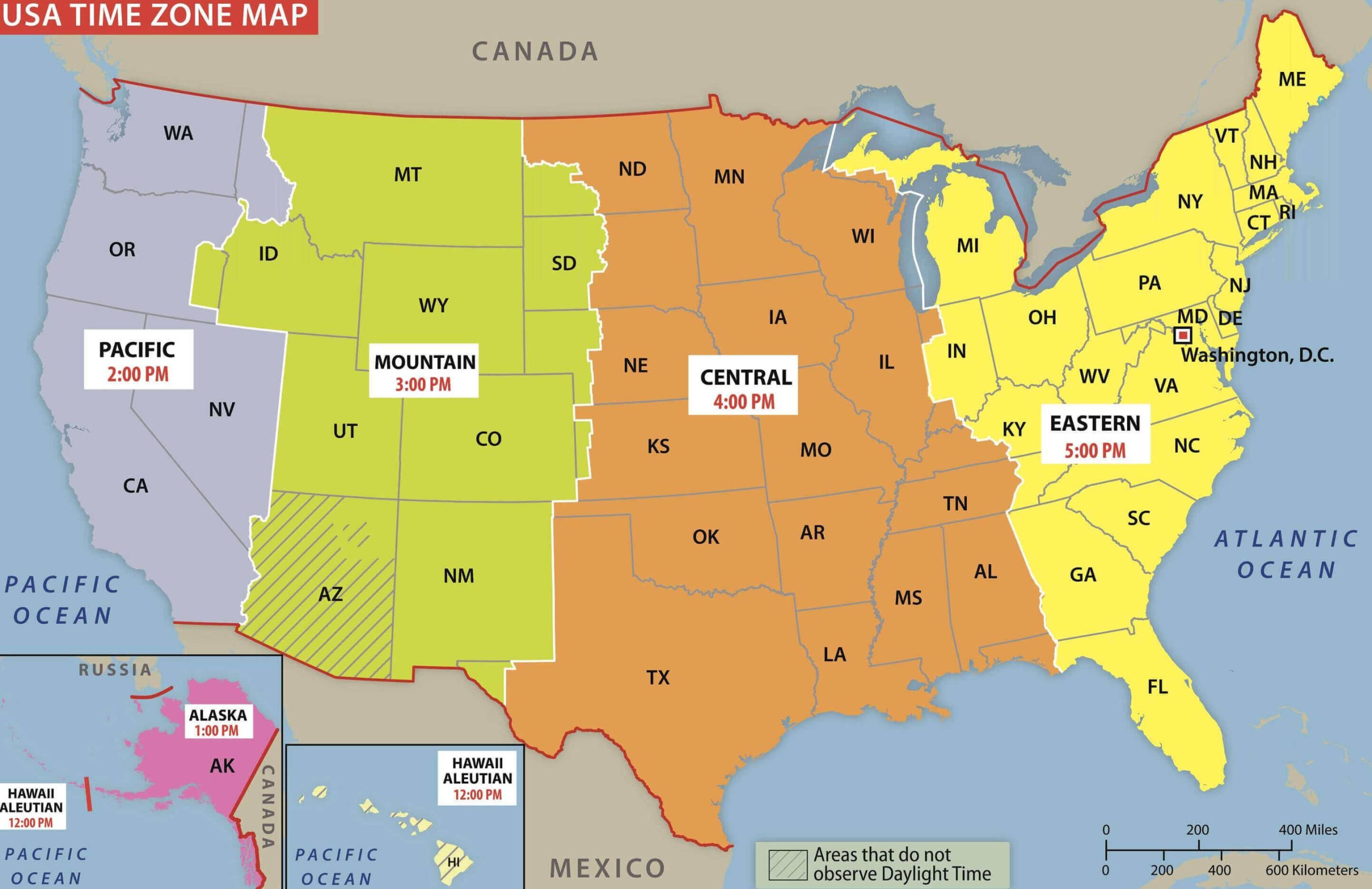
Experiencing New York Culture and Cuisine on Time
New York’s rich local culture and diverse culinary scene are inextricably linked to its temporal rhythm. From the moment you wake up, your day is shaped by ET.
- Breakfast and Brunch Culture: Whether it’s grabbing a bagel and coffee from a local deli at 7 AM or indulging in a leisurely Sunday brunch in the West Village at 11 AM, these experiences are timed precisely.
- Museums and Galleries: World-class institutions like the Museum of Modern Art (MoMA) or the American Museum of Natural History have strict opening and closing hours, usually between 10 AM and 5 PM ET, with extended hours on certain evenings. Planning your visits to avoid long lines often means arriving shortly after opening.
- Shopping Districts: A shopping spree on Fifth Avenue or through the boutiques of SoHo generally aligns with standard retail hours (10 AM – 8 PM ET), but knowing the time helps you catch sales or avoid the busiest crowds.
- Evening Entertainment: Beyond Broadway, New York’s nightlife thrives on ET. Jazz clubs in Harlem, comedy shows in Midtown, and live music venues across the boroughs all have specific showtimes, and missing the start can disrupt the entire experience.
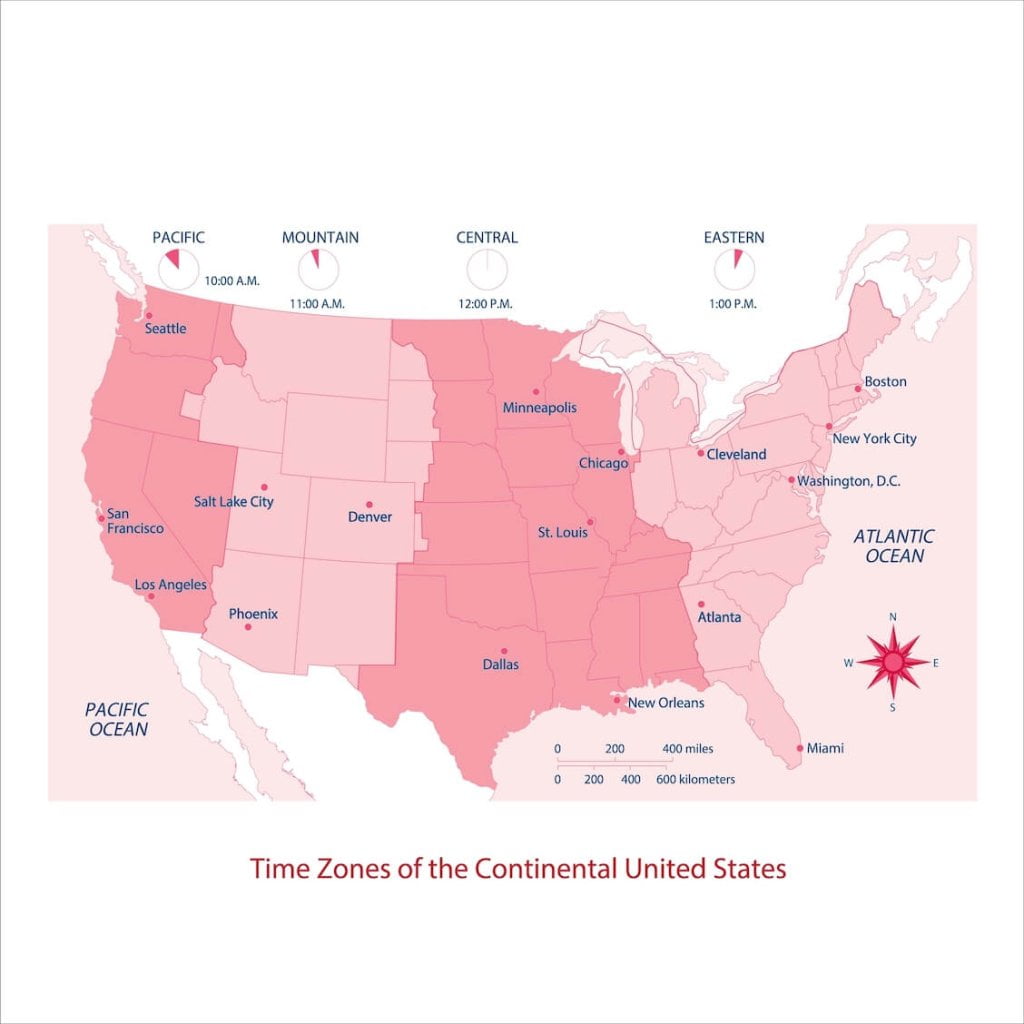
The impact of time extends to the city’s energy. Early mornings are bustling with commuters, while evenings transform into a vibrant tapestry of diners, theater-goers, and revelers. Understanding these temporal shifts allows you to align your plans with the city’s natural flow, enhancing your immersion in the unique New York experience.
Accommodation and Lifestyle: Making the Most of New York Hours
Your choice of accommodation and how you adapt to the city’s lifestyle are critically influenced by New York’s time zone. Beyond simply having a bed to sleep in, a well-chosen hotel or apartment can be a sanctuary from jet lag and a launchpad for your urban adventures.
Choosing the Right Accommodation with Time in Mind
When selecting your lodging, consider how it can help you manage the time difference.
- Check-in/Check-out Times: Most hotels adhere to a standard 3 PM check-in and 11 AM or 12 PM check-out. For international travelers arriving on early morning flights, securing an early check-in or booking the room for the night before arrival can be invaluable to avoid waiting for hours, especially when battling jet lag. Similarly, if your departure is late, a late check-out or access to the hotel’s amenities (like a lounge or gym) after check-out can provide a comfortable transition.
- Luxury and Boutique Hotels: Upscale establishments like The Plaza Hotel or The St. Regis New York often offer more flexible options or dedicated services to assist with time zone adjustments, such as 24-hour room service, opulent spas for relaxation, or concierge services to help reconfirm your schedule. Boutique hotels like The Standard, High Line in the Meatpacking District might offer unique amenities and vibrant social spaces that help you unwind and integrate into the local rhythm at any hour.
- Serviced Apartments and Villas: For longer stays, especially for families or business travelers, serviced apartments offer more flexibility with kitchens, allowing you to prepare meals on your own schedule, which can be beneficial when your internal clock is still adjusting.
- Amenities for Jet Lag: Look for hotels with 24/7 fitness centers, allowing you to exercise at any time, which can help regulate sleep patterns. Hotels with on-site restaurants or coffee shops that open early or close late can also be a godsend for those waking up at odd hours.
Adapting to the New York Pace of Life
New York City is famously the “city that never sleeps,” and this adage is deeply intertwined with its Eastern Time existence. The city’s energy is palpable at all hours, but understanding its rhythms can help you navigate it more effectively.
- Early Mornings and Late Nights: Locals often start their days early, with coffee shops bustling before 7 AM and subways packed with commuters. Evening activities often stretch late into the night, with dinner reservations common at 9 PM or even later, and cultural events extending past midnight. Adapting to this dynamic pace means embracing flexibility and perhaps adjusting your own sleep patterns.
- Business Stays: For professionals, dealing with New York’s time zone means coordinating conference calls and meetings with colleagues across Pacific, Central, or even international time zones. Many hotels cater to business travelers with robust Wi-Fi, business centers, and soundproof rooms to facilitate these interactions.
- Family Trips: Managing children’s sleep schedules while battling jet lag requires patience and strategic planning. Early bedtimes in New York might align with evening activities back home, making for difficult adjustments. Choosing family-friendly accommodation with amenities like separate living areas can be beneficial.
- Budget Travel: Savvy budget travelers can use off-peak hours to their advantage. Visiting popular attractions first thing in the morning or later in the evening can mean shorter lines and a more relaxed experience, making the most of every ET moment.
- The “Power Hour”: Many New Yorkers have a “power hour” – a specific time of day when they are most productive. For visitors, finding your own power hour, whether it’s an early morning walk through Central Park before the crowds, or a late-night exploration of Times Square when the energy is different, can define your unique New York lifestyle experience.
Beyond the Clock: New York’s Enduring Appeal
While the practicalities of New York’s time zone are undeniable, the city’s deeper appeal transcends mere scheduling. Its temporal rhythm is woven into its very fabric, from its historical roots to its current status as a global powerhouse.
Landmarks and Historical Significance within ET
The city’s most famous landmarks, like the majestic Brooklyn Bridge, the financial pulse of Wall Street, or the solemnity of the 9/11 Memorial & Museum, are all experienced within the framework of Eastern Time. The history of New York itself, from its colonial beginnings to its rise as a world capital, has unfolded on this clock. The opening bell of the New York Stock Exchange at 9:30 AM ET is a symbol of global finance, echoing across continents. Walking through the historical districts, you’re not just seeing buildings; you’re stepping into moments in time, all measured by the same ET clock that governs the city today.
The Rhythms of a Global City
New York’s placement within Eastern Time is strategic. It allows for overlap with European business hours in the morning and with Pacific Coast businesses in the afternoon, cementing its role as a critical hub for international commerce, media, and diplomacy. This constant interaction with other time zones contributes to the city’s dynamic, diverse, and perpetually active character. The unique energy that draws millions of visitors annually is, in many ways, a product of this global interaction, creating a lifestyle where possibilities seem endless at any given hour.
In conclusion, “What time is New York time zone?” is more than a simple question; it’s an entry point into understanding the logistical, cultural, and experiential fabric of one of the world’s most captivating cities. Whether you’re a first-time tourist marveling at Times Square, a business traveler closing deals across continents, or a seasoned explorer seeking hidden gems, mastering the nuances of Eastern Time is crucial. By embracing the ET rhythm, meticulously planning your itinerary, thoughtfully selecting your accommodation, and adapting to the city’s unique pace, you unlock the full potential of your New York adventure, ensuring an unforgettable journey through a city that truly never sleeps.
LifeOutOfTheBox is a participant in the Amazon Services LLC Associates Program, an affiliate advertising program designed to provide a means for sites to earn advertising fees by advertising and linking to Amazon.com. Amazon, the Amazon logo, AmazonSupply, and the AmazonSupply logo are trademarks of Amazon.com, Inc. or its affiliates. As an Amazon Associate we earn affiliate commissions from qualifying purchases.