
Navigating the vibrant streets of Chicago is an essential part of any visit to this iconic Midwestern metropolis. Whether you’re a first-time tourist eager to explore its world-class museums and architectural marvels, a business traveler with tight schedules, or a local resident seeking to optimize their daily commute, understanding the rhythm of Chicago‘s traffic is paramount. The question of “What Time Is Rush Hour In Chicago?” is more than just a query about traffic congestion; it’s a key to unlocking a more efficient, enjoyable, and less stressful Chicago experience. This guide will delve into the intricacies of Chicago‘s rush hour, offering practical advice for travelers and residents alike, ensuring you can plan your movements around the city’s busiest periods with confidence.
Understanding Chicago’s Peak Travel Times
Chicago, a city renowned for its stunning skyline, deep-dish pizza, and rich cultural tapestry, also experiences significant traffic patterns. Rush hour is a daily phenomenon shaped by the city’s commuter habits, the layout of its transportation network, and the concentration of its business districts. For visitors, recognizing these peak times can dramatically influence everything from airport transfers and hotel check-ins to sightseeing plans and dining reservations. Avoiding gridlock can mean more time spent at the Art Institute of Chicago, enjoying the panoramic views from the Willis Tower, or strolling along Navy Pier, and less time stuck in traffic.
The Morning Commute: A City Wakes Up
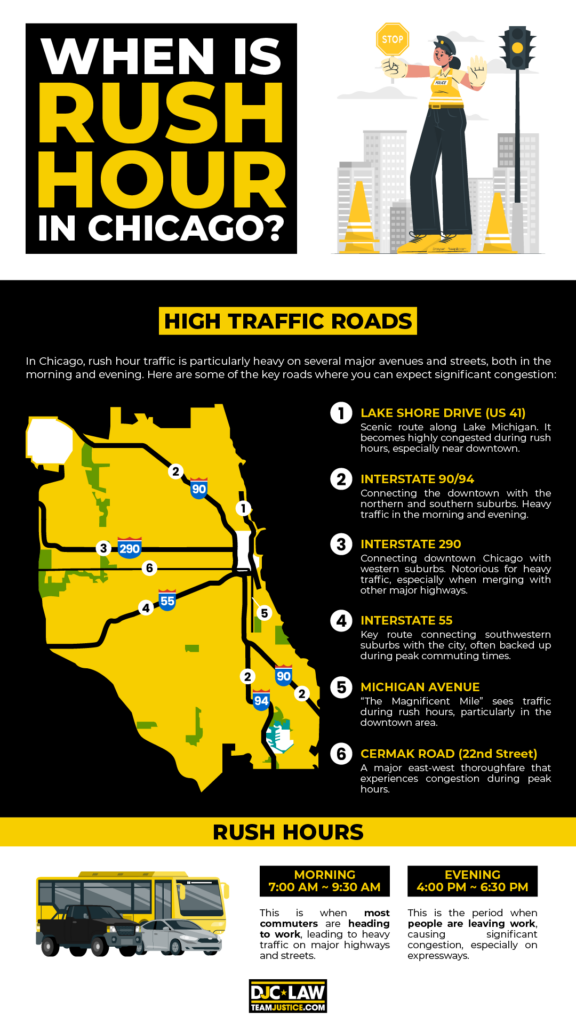
The morning rush hour in Chicago typically begins around 6:00 AM and extends until 9:30 AM. This is when the city’s workforce heads into the central business districts, primarily the Loop and the surrounding River North and West Loop areas. The influx of vehicles on major arteries like the Kennedy Expressway (I-90/94), the Dan Ryan Expressway (I-90/94), the Stevenson Expressway (I-55), and the Eisenhower Expressway (I-290) can lead to considerable delays.
- Key Areas of Congestion: The Loop and its adjacent neighborhoods are the focal points. Expect slowdowns as drivers merge onto expressways and navigate downtown streets. Bridges across the Chicago River also become points of congestion.
- Public Transportation as an Alternative: For many, Chicago‘s extensive public transportation system, operated by the Chicago Transit Authority (CTA), offers a viable escape from road traffic. The ‘L’ train system, with its various colored lines, can be a significantly faster way to traverse the city during peak hours. However, even the ‘L’ can become crowded during these times, so factoring in a few extra minutes for boarding and finding a comfortable spot is advisable. The Metra commuter rail service is also crucial for those coming from the surrounding suburbs.
The Evening Commute: Heading Home
The evening rush hour generally mirrors the morning’s intensity, usually starting around 3:30 PM and lasting until 6:30 PM, sometimes extending later into the evening, especially on Fridays. As the workday concludes, a similar surge of vehicles heads out of the downtown core and towards the suburbs. The same expressways that experienced morning slowdowns will once again become heavily congested.
- Weekend Variations: While weekdays are predictable, weekend rush hours can be more varied. During major sporting events, concerts at venues like the United Center or Wrigley Field, or during the summer festival season, traffic can spike unexpectedly, particularly around the venues and popular entertainment districts.
- Impact on Travel Planning: If you’re arriving at O’Hare International Airport or Midway International Airport in the late afternoon or early evening, be prepared for potentially longer travel times to your accommodation. Similarly, if you have evening plans, such as a show in the Theater District or dinner in a popular neighborhood like Lincoln Park, allow ample buffer time. Consider a late dinner reservation or an earlier departure from your hotel to avoid the worst of the evening traffic.
Navigating Chicago: Strategies for Smoother Travel
Understanding Chicago‘s rush hour is the first step; implementing strategies to navigate it effectively is the next. Whether you’re staying at a luxury hotel in the Magnificent Mile or a cozy boutique hotel in Wicker Park, or looking for budget-friendly apartments for a longer stay, your choice of transport and timing can greatly impact your experience.
Embracing Public Transportation
As mentioned, Chicago‘s public transit is a lifeline for many. The CTA offers a comprehensive network of bus routes and ‘L’ train lines that connect virtually every corner of the city.
- Purchasing Passes: For visitors planning to use public transit frequently, purchasing a Ventra card or a day pass can be cost-effective and convenient. This allows for seamless boarding without the need to purchase individual tickets each time.
- Real-Time Information: The CTA provides real-time updates through its website and mobile app, allowing you to track train and bus arrivals, which is invaluable for planning your journeys during busy periods.
- Subway and Elevated Lines: The ‘L’ system, with its elevated tracks, often provides a clear path above the street-level congestion, making it a preferred choice for many commuters. Key lines like the Blue Line (connecting to O’Hare International Airport) and the Red Line (running north-south through the city center) are essential for navigating Chicago.
The Role of Ride-Sharing and Taxis
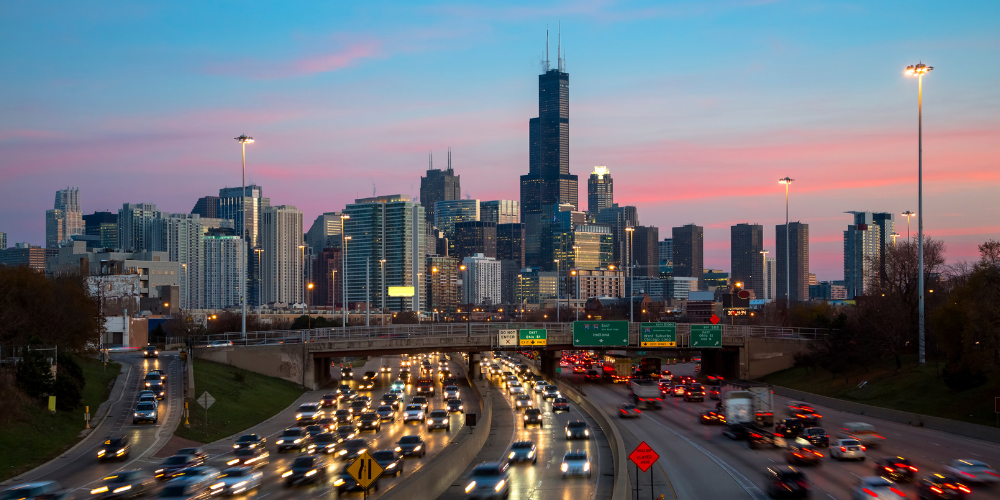
Ride-sharing services like Uber and Lyft, along with traditional taxis, are readily available in Chicago. While they offer door-to-door convenience, their usefulness during peak rush hour can be diminished.
- Increased Travel Times: During rush hour, ride-sharing vehicles and taxis are subject to the same traffic delays as private cars. In some cases, surge pricing may also apply due to high demand.
- Strategic Use: These services are often best utilized outside of peak rush hour for airport transfers or for getting to a specific destination when public transit might involve multiple transfers. For example, a taxi from a hotel near Millennium Park to a restaurant in the West Loop might be more efficient at 10:00 AM than at 5:00 PM.
The Convenience of Walking and Biking
Chicago is a remarkably walkable and bikeable city, especially within its denser neighborhoods and downtown areas.
- Downtown Exploration: Within the Loop, Magnificent Mile, and surrounding areas, many attractions are within walking distance of each other. This is often the most enjoyable and efficient way to explore, allowing you to soak in the city’s atmosphere and architecture without the stress of traffic.
- Divvy Bike Share: Chicago‘s Divvy bike-share program offers a flexible option for short to medium-distance travel. During off-peak hours or for journeys between nearby attractions, biking can be a pleasant and efficient alternative. However, be mindful of road rules and bike lane availability, especially during busy periods.
Beyond the Commute: Planning Your Chicago Adventures
Understanding rush hour is not just about avoiding traffic; it’s about maximizing your time to experience all that Chicago has to offer. Whether your interest lies in its world-renowned museums, its vibrant culinary scene, or its architectural wonders, strategic timing can enhance your trip.
Optimizing Sightseeing and Attractions
For popular attractions, timing your visit can also help you avoid crowds, even outside of rush hour.
- Museums and Galleries: The Art Institute of Chicago, the Field Museum of Natural History, and the Shedd Aquarium are significant draws. Arriving shortly after opening or in the late afternoon can often mean fewer crowds than during the midday peak. For example, visiting the Museum Campus in the late afternoon after the morning rush has subsided can be more enjoyable.
- Iconic Landmarks: Ascending the Willis Tower for the Skydeck Chicago or experiencing 360 Chicago at the John Hancock Center are popular activities. While traffic won’t directly impact your ascent, planning your travel to these locations during off-peak hours will make your journey smoother.
- Neighborhood Exploration: Exploring vibrant neighborhoods like Wicker Park, Lincoln Park, or the historic Gold Coast is best done when you can leisurely wander. Avoiding the worst of the rush hour means more time to discover unique boutiques, local eateries, and charming streets.
Dining and Entertainment Strategies
Chicago is a culinary powerhouse, and booking popular restaurants or catching a show requires foresight.
- Restaurant Reservations: Many of Chicago‘s acclaimed restaurants are in high demand. Booking well in advance is often necessary, but so is considering your travel time to the reservation. A reservation at 8:00 PM might mean arriving after the main evening rush has begun to dissipate, whereas a 6:00 PM reservation might mean encountering more lingering traffic.
- Theater and Live Music: The Chicago Theater District hosts numerous Broadway shows and performances. If you’re attending an evening show, leaving your hotel by 7:00 PM for an 8:00 PM curtain call is generally a safe bet, allowing for potential traffic delays. For smaller music venues, timing might be less critical but still worth considering if traveling across town.

Accommodation and Lifestyle Considerations
The type of accommodation you choose and the lifestyle you adopt during your Chicago visit can also be influenced by rush hour.
- Hotel Location: Staying in a hotel located near your primary points of interest, or within easy access of a CTA station, can significantly reduce travel time and stress. Hotels in the Loop offer proximity to business centers and many attractions, while hotels in areas like Streeterville or River North provide access to shopping and dining. For those seeking a more residential feel, exploring Lincoln Park hotels or Lakeview apartments might be appealing, but consider their distance from downtown and the corresponding commute times.
- Long-Term Stays: If you’re in Chicago for an extended period, perhaps for a business assignment or a longer vacation, understanding the daily traffic patterns is crucial for establishing a routine. Renting an apartment in a neighborhood with good transit links, or within walking or biking distance of your daily activities, can be a wise lifestyle choice.
- Luxury vs. Budget: Regardless of your budget, whether you’re opting for a five-star resort like the Ritz-Carlton, Chicago, or a budget-friendly hostel, efficiently managing your time through traffic awareness will enhance your overall experience. Luxury travel often prioritizes seamless transitions, making rush hour avoidance a key consideration. Budget travelers can save money and time by mastering public transit and strategically planning their outings.
In conclusion, while the exact minutes of Chicago‘s rush hour can fluctuate, understanding the general windows of 6:00 AM to 9:30 AM and 3:30 PM to 6:30 PM on weekdays is essential. By embracing public transportation, being strategic with ride-sharing, and factoring in ample travel time, you can transform potential traffic frustrations into opportunities to fully immerse yourself in the dynamic energy of Chicago. Whether you’re here for business or leisure, conquering rush hour will undoubtedly lead to a more rewarding and memorable visit to the Windy City.
LifeOutOfTheBox is a participant in the Amazon Services LLC Associates Program, an affiliate advertising program designed to provide a means for sites to earn advertising fees by advertising and linking to Amazon.com. Amazon, the Amazon logo, AmazonSupply, and the AmazonSupply logo are trademarks of Amazon.com, Inc. or its affiliates. As an Amazon Associate we earn affiliate commissions from qualifying purchases.