
When planning a trip to the vibrant Emerald City of Seattle, Washington, one of the fundamental details often overlooked but crucial for a seamless experience is understanding its time zone. Far more than just knowing what to set your watch to, comprehending Seattle’s time can significantly influence everything from flight bookings and hotel check-ins to sightseeing schedules and even how you manage jet lag. This comprehensive guide will delve into the intricacies of Seattle’s time, weaving in essential travel tips, accommodation considerations, and insights into the local lifestyle, ensuring your visit to this jewel of the Pacific Northwest is as smooth and enjoyable as possible.
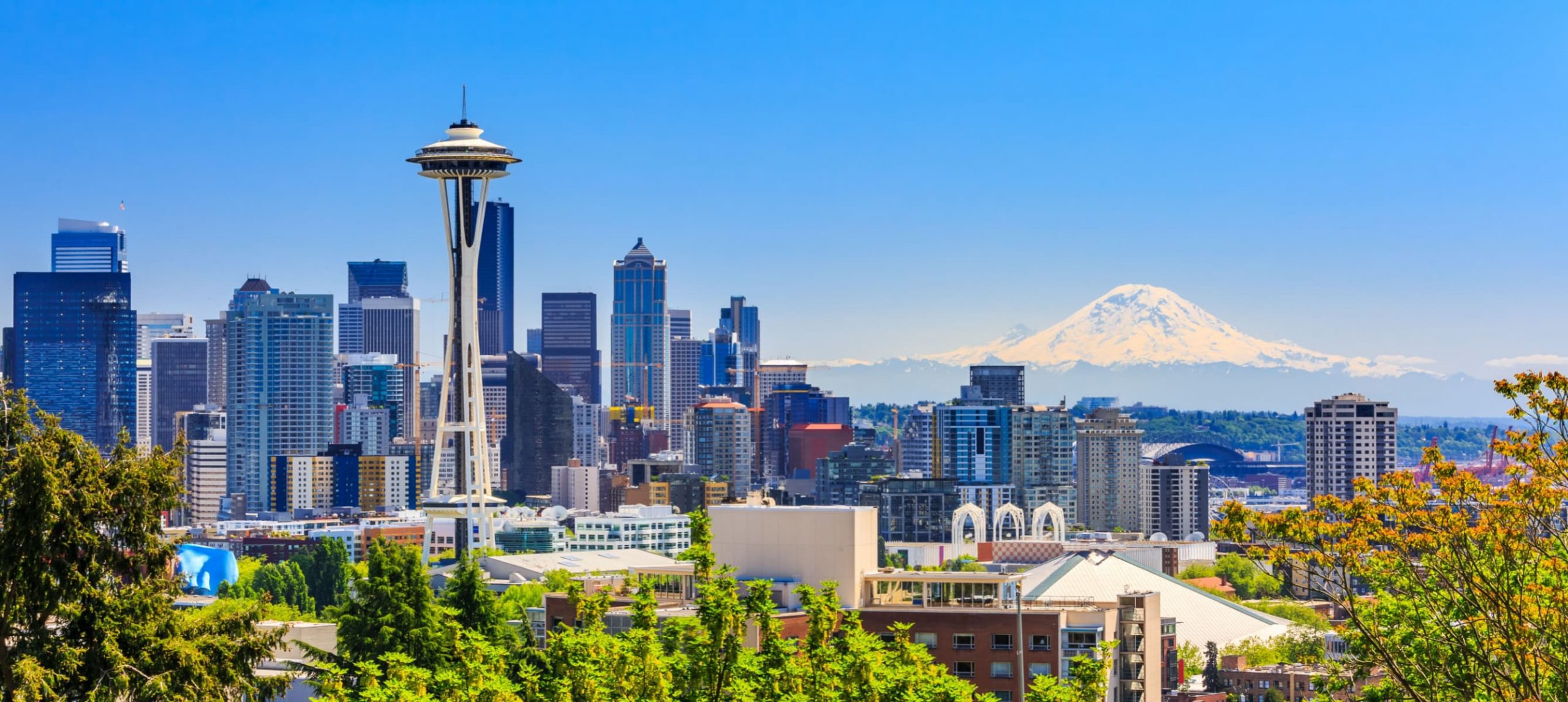
Navigating Time in the Emerald City: An Overview
At its core, knowing the time in Seattle is about understanding its position on the global clock. Like any major city, Seattle operates within a specific time zone, which dictates its daily rhythm and how it interacts with the rest of the world. For travelers, this knowledge is the first step in orchestrating an efficient and enjoyable itinerary.
Understanding Pacific Time: PST vs. PDT
Seattle observes the Pacific Time Zone, which is largely defined by two distinct periods throughout the year:
- Pacific Standard Time (PST): This is the base time, observed during the fall and winter months. PST is UTC-8, meaning it is eight hours behind Coordinated Universal Time (and thus eight hours behind Greenwich Mean Time).
- Pacific Daylight Time (PDT): During spring and summer, Seattle switches to PDT to make better use of daylight hours. PDT is UTC-7, putting it seven hours behind Coordinated Universal Time. This shift occurs on the second Sunday in March when clocks “spring forward” one hour, and reverts on the first Sunday in November when they “fall back.”
This observance of Daylight Saving Time is crucial, as it affects not only the local time but also flight schedules, opening hours for attractions, and even the perception of daylight during your visit. For instance, a summer visit under PDT means longer evenings, perfect for enjoying outdoor activities or late dinners, while a winter visit under PST means earlier sunsets and potentially more indoor activities.
Why Time Zone Matters for Travelers
For visitors arriving in Seattle from different time zones within the United States or internationally, understanding this distinction is paramount.
Travel from the East Coast (Eastern Time, UTC-5/-4) means a three-hour time difference, while international travelers might face a much larger discrepancy. This difference directly impacts:
- Jet Lag: The larger the time difference, the more pronounced the effects of jet lag, which can disrupt your first few days in Seattle.
- Communication: Coordinating with friends, family, or business contacts back home requires careful consideration of the time difference.
- Booking Logistics: Ensuring your flights, hotel reservations, and tour bookings align with Seattle local time is essential to avoid missed connections or lost bookings.
A little planning around Seattle’s time zone can go a long way in making your travel experience stress-free and enjoyable.
Time-Savvy Travel Planning and Logistics
Travel is all about timing, and this holds especially true for a destination like Seattle where every hour can be packed with unique experiences. From the moment you book your flight to the last souvenir purchase, time plays a pivotal role.
Flights, Arrivals, and Beating Jet Lag
Booking flights requires careful attention to arrival times in relation to your body clock. An early morning arrival in Seattle after a long flight from the East Coast might feel like mid-day to your body, making check-in a priority. Conversely, a late-night arrival might mean you’re ready for bed when Seattle is still buzzing.
To mitigate jet lag:
- Adjust Before You Go: Try to shift your sleep schedule gradually in the days leading up to your trip.
- Hydrate: Drink plenty of water during your flight.
- Embrace Daylight: Upon arrival, expose yourself to natural light to help reset your circadian rhythm. A walk around your hotel or a visit to a nearby park like Pioneer Square can be incredibly beneficial.
- Strategic Naps: If you must nap, keep it short (20-30 minutes) to avoid deeper sleep cycles that can worsen jet lag.
- Stay Active: Gentle exercise can help. Consider exploring nearby attractions such as Pike Place Market for a sensory wake-up call.
Maximizing Your Itinerary: Daily Rhythms and Peak Hours
Understanding Seattle’s daily rhythm allows you to plan your tourism activities more effectively. Early mornings are often best for popular attractions to avoid crowds, while late afternoons can offer stunning photo opportunities as the light changes.
- Morning: Hit major attractions like the Space Needle or Chihuly Garden and Glass right at opening to experience them with fewer people.
- Mid-day: Explore Pike Place Market, allowing ample time for browsing shops and grabbing lunch. Be aware that this is generally the busiest time.
- Afternoon: Visit museums such as the Museum of Pop Culture or take a ferry ride for scenic views of the skyline and mountains.
- Evening: Enjoy Seattle’s vibrant dining scene, catch a show, or experience the city lights from the Seattle Great Wheel or a scenic viewpoint like Kerry Park.
Always check operating hours, especially for attractions and restaurants, as these can vary seasonally and by day of the week.
Accommodation and Hospitality: Synchronizing Your Stay
Your choice of accommodation and how you manage your stay are intrinsically linked to the clock. Hotels, resorts, apartments, and villas all operate on a strict schedule of check-ins and check-outs, which can either work with or against your travel plans.
Hotel Check-ins, Check-outs, and Time-Sensitive Amenities
Most accommodations in Seattle adhere to standard check-in times around 3:00 PM or 4:00 PM and check-out times around 11:00 AM or 12:00 PM. If your flight arrives early, or departs late, you’ll need to plan accordingly.
- Early Arrival: Inquire about early check-in availability or luggage storage options. Many hotels, especially luxury ones like the Fairmont Olympic Hotel or Four Seasons Hotel Seattle, are often accommodating, but it’s not guaranteed. Consider booking an extra night if you absolutely need immediate access to your room.
- Late Departure: Similarly, ask for a late check-out. If unavailable, hotels will usually store your luggage, allowing you to enjoy your last hours in Seattle without hauling your bags. Some properties, like The Edgewater Hotel or Thompson Seattle, might offer day-use rates or dedicated lounge areas for departing guests.
- Amenities: Be aware of the operating hours for hotel amenities such as pools, fitness centers, and breakfast services. If you’re struggling with jet lag, having access to these at off-peak times can be a huge benefit.
Booking services for hotels, suites, apartments, or villas often provide options to specify preferred check-in times or notes for the property, which can be useful for managing time-sensitive needs.
Finding Your Ideal Base: Adapting to Seattle’s Pace
The type of accommodation you choose can also impact how you experience Seattle’s time. A centrally located hotel like the Hyatt Regency Seattle means less travel time to attractions, maximizing your sightseeing hours. For longer stays or those preferring a more local experience, an apartment or villa might offer more flexibility with personal schedules, allowing for later starts or more relaxed evenings.
Consider these factors when choosing your stay:
- Location: How much time will you spend commuting vs. exploring?
- In-room Amenities: Does the accommodation offer features that help with time management, like a kitchenette for quick breakfasts or laundry facilities for extended trips?
- Services: Are there 24-hour concierge services or on-site dining options for those irregular schedules brought on by travel or jet lag?
Ultimately, selecting the right accommodation involves balancing convenience, budget, and how you intend to spend your precious hours in the city.
Experiencing Seattle Through the Lens of Time
Seattle is a city rich in culture, history, and natural beauty. To fully appreciate its offerings, understanding the temporal aspects of its landmarks, dining, and entertainment is key.
Iconic Landmarks and Their Operating Hours
Every major landmark in Seattle has specific operating hours, which can fluctuate by season, holiday, or special events. Always check these in advance.
- Space Needle: Offers panoramic views that are breathtaking at any time of day, but sunsets are particularly popular. Booking timed tickets is often recommended, especially during peak tourist seasons, to minimize wait times.
- Pike Place Market: While the market is technically open all day, specific vendors, especially the fishmongers and artisanal shops, have varying hours. Arriving early in the morning allows you to see the market awaken and avoid the mid-day rush.
- Museums (e.g., Museum of Pop Culture, Seattle Art Museum): Most museums typically operate from mid-morning to late afternoon, with some offering extended evening hours on specific days. This is a great way to escape any afternoon rain showers Seattle is known for.
- Parks and Outdoors (Discovery Park, Gas Works Park): These natural landmarks are generally accessible from dawn to dusk, offering flexibility for hiking, picnicking, or simply enjoying the views of the city skyline and Mount Rainier.
Careful scheduling helps you see more, queue less, and capture the perfect moments, whether it’s the golden hour glow over Puget Sound or the vibrant energy of morning market life.
Dining, Entertainment, and Local Events: A Timely Exploration
Seattle’s culinary scene, nightlife, and cultural events also operate on their own timelines.
- Dining: Breakfast typically starts early (7 AM onwards), lunch peaks around noon, and dinner rushes usually begin around 6 PM, especially in popular neighborhoods like Capitol Hill or Ballard. Many high-demand restaurants require reservations well in advance, so plan your meals strategically.
- Happy Hour: A cherished Seattle tradition, happy hour usually runs from mid-afternoon (3 PM-6 PM) and sometimes late-night, offering deals on food and drinks. It’s a great way to experience local eateries and bars on a budget.
- Live Music and Shows: Seattle has a rich music history. Venues often have specific showtimes, and it’s wise to arrive early for good seating or to soak in the pre-show atmosphere.
- Festivals and Events: The city hosts numerous festivals and events throughout the year, from summer music festivals to winter holiday markets. Check the local events calendar to integrate these into your itinerary, but remember these often mean larger crowds and increased demand for accommodation and transport.
Embracing the local rhythms of Seattle ensures you don’t just visit the city, but genuinely experience its lively culture and dynamic offerings.
Beyond the Clock: Embracing Seattle’s Lifestyle and Seasons
While the precise hour and minute are important, understanding Seattle’s broader relationship with time – its lifestyle, seasonal shifts, and the balance between work and leisure – offers a richer travel experience.
Business and Leisure: Time for Every Pursuit
Seattle is a major hub for technology and business, but it also champions a robust outdoor and leisure culture.
- Business Stays: For those on business trips, understanding Seattle’s time zone is critical for scheduling meetings, managing communications with colleagues in different time zones, and planning efficient use of non-work hours. Many hotels cater to business travelers with early breakfast options and late-night services.
- Leisure Travel: Whether it’s a luxury getaway, a budget-conscious adventure, or a family trip, managing your time allows for more flexibility. Want to spend a full day exploring Olympic National Park or hiking near Mount Rainier? An early start is essential. Prefer a leisurely morning with coffee and a good book? Seattle’s numerous cafes are ready to oblige.
The city’s lifestyle encourages a blend of productivity and relaxation, often with an emphasis on enjoying the natural beauty surrounding it. Time management here is about balancing urban exploration with outdoor excursions.
Seasonal Shifts and Their Impact on Your Visit
Seattle’s distinct seasons profoundly impact how visitors experience the city and manage their time.
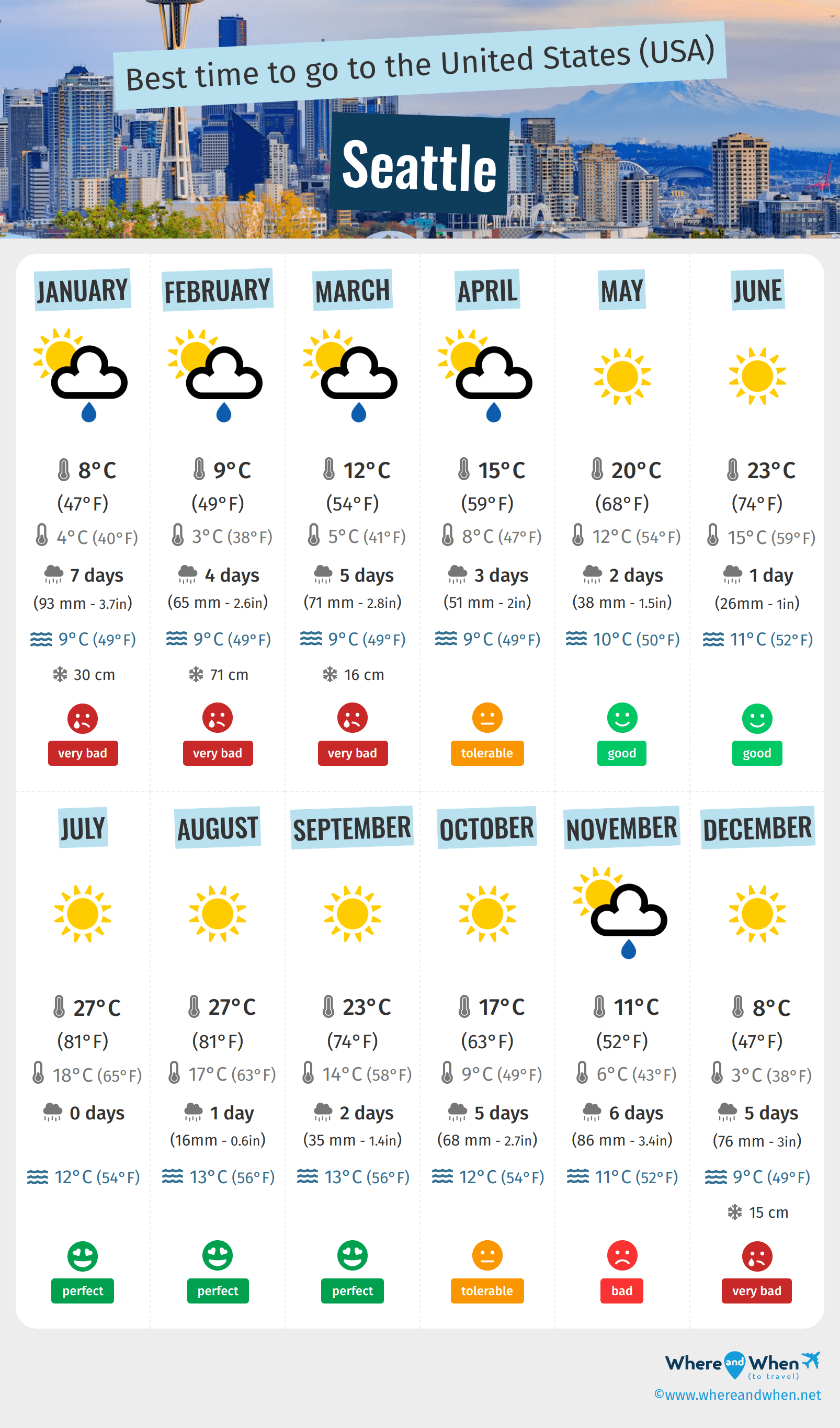
- Summer (PDT): Long daylight hours (sunsets around 9 PM or later) mean more time for outdoor activities, ferry rides, and evening strolls. This is peak tourist season, so expect larger crowds and higher prices for hotels and flights. Booking well in advance is crucial.
- Fall (PDT transitioning to PST): Cooler temperatures and changing foliage offer beautiful scenery. Daylight hours begin to shorten, requiring earlier starts for outdoor activities. Fewer crowds compared to summer.
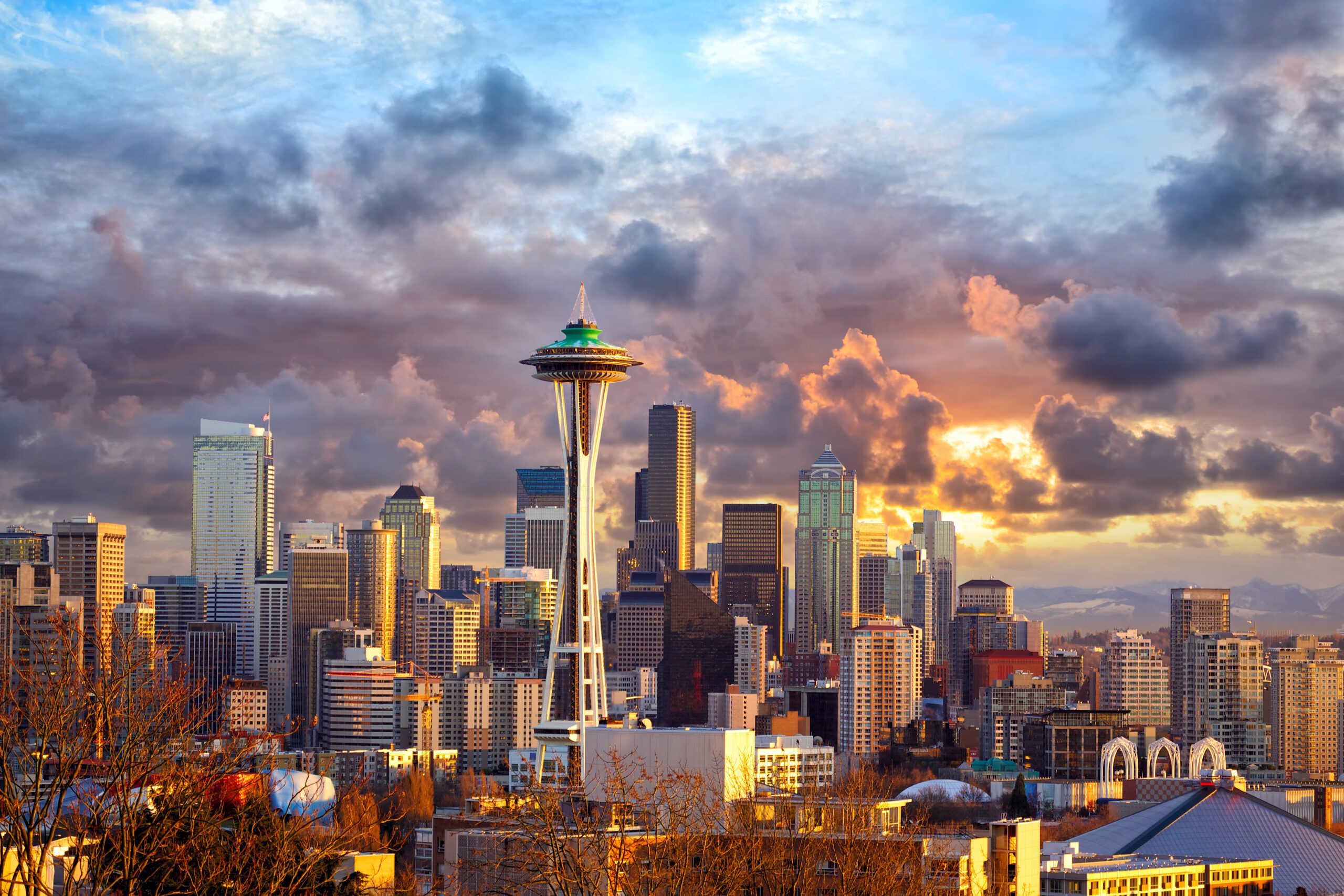
- Winter (PST): Shorter daylight hours (sunsets as early as 4 PM) mean more focus on indoor attractions like museums, theaters, and cozy restaurants. While often associated with rain, winter can also bring crisp, clear days with stunning views of snow-capped mountains. The holiday season introduces unique events and markets.
- Spring (PST transitioning to PDT): The city bursts into bloom, and daylight hours progressively lengthen. This is a fantastic time for garden visits and experiencing the city as it awakens from winter. Weather can be unpredictable, so pack layers.
Understanding these seasonal time shifts helps you set realistic expectations for your daily itinerary and plan appropriate activities, ensuring your trip aligns with Seattle’s natural rhythms. From managing jet lag to timing your visit to a famous landmark, every minute counts in creating an unforgettable Seattle experience. By appreciating the nuances of “what time is Seattle, Washington?”, you empower yourself to travel smarter, live more deeply, and truly connect with the Emerald City.
LifeOutOfTheBox is a participant in the Amazon Services LLC Associates Program, an affiliate advertising program designed to provide a means for sites to earn advertising fees by advertising and linking to Amazon.com. Amazon, the Amazon logo, AmazonSupply, and the AmazonSupply logo are trademarks of Amazon.com, Inc. or its affiliates. As an Amazon Associate we earn affiliate commissions from qualifying purchases.