
For visitors and residents in New York alike, the rhythm of the week is deeply influenced by the Jewish calendar. Observing Shabbat—the Sabbath—is a cornerstone of local culture, particularly within the vibrant communities of Brooklyn, Manhattan, and Queens. Understanding when the day of rest concludes is essential for planning activities, dining, and navigating the unique cultural landscape of the city once the sun sets on Saturday.
The Significance of Shabbat in the Urban Landscape
Shabbat is not merely a day of rest; it is a time of spiritual transition. Beginning at sunset on Friday and concluding with the appearance of three stars on Saturday evening, it shapes the operational hours of kosher restaurants, museums, and community centers throughout New York City.
Cultural Integration
In neighborhoods like Crown Heights or the Upper West Side, the atmosphere on Saturday is notably different from the rest of the week. Streets are quieter, traffic patterns shift, and the social focus turns toward community gathering and study. For those traveling to these areas, respecting this cultural tempo is part of an immersive experience, providing a glimpse into the diverse fabric that makes United States metropolitan hubs so distinct.
The Observance Timeline
Because Shabbat ends based on astronomical occurrences rather than a clock-based schedule, the precise time of “Havdalah”—the ceremony marking the end of the Sabbath—shifts every week. This flux reflects the Earth’s rotation and the changing seasons, meaning that what is true for a winter evening in December will be significantly different from a long, light-filled night in June.
How to Determine the End of Shabbat
Calculating the end of Shabbat requires an understanding of both geography and tradition. While the general rule is “nightfall,” practitioners often rely on specific markers to determine when the transition to the new week begins.
The Role of Astronomical Sunset
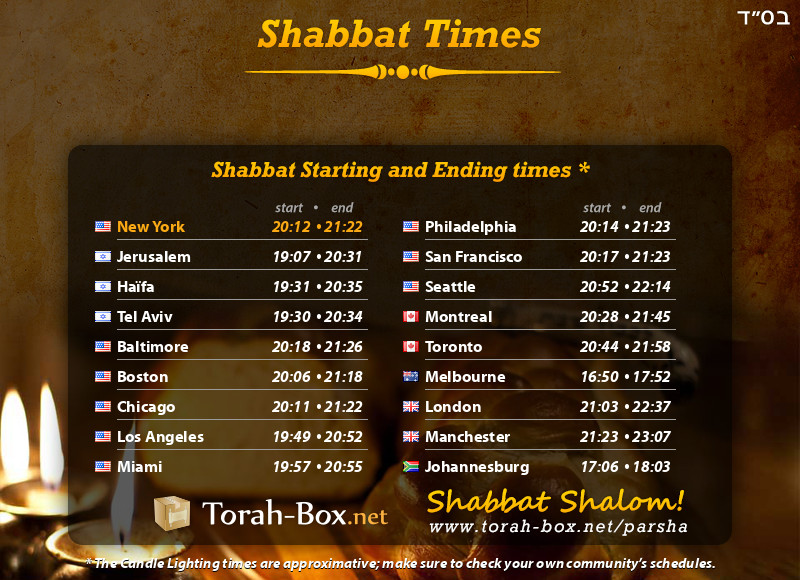
The baseline for all calculations is the sunset in New York State. During the height of summer, when days are long, Shabbat can end quite late, sometimes well after 9:00 PM. In the winter, the end of the Sabbath arrives much earlier, sometimes even before 5:00 PM. Travelers planning to attend shows on Broadway or visit landmarks like the Empire State Building on Saturday evenings must check local calendars for the exact timing of Havdalah.
Standardized Community Calendars
Most observant locals utilize widely accepted resources to track these times. Websites like Chabad or the Orthodox Union provide precise, location-specific data that accounts for the exact longitude and latitude of Manhattan. It is recommended that visitors download a specialized app or bookmark a reliable Jewish calendar site to ensure accuracy, as relying on general sunset times can lead to slight discrepancies.
Planning Your Saturday Evening Activities
Once Shabbat concludes, the city undergoes a palpable transformation. The bustling energy returns to the streets, and a myriad of cultural activities become available.
Culinary Experiences and Dining Out
For those who keep Kosher, the end of Shabbat marks the time when many local eateries reopen. From fine dining establishments in Midtown to casual delis in Williamsburg, the Saturday night post-Shabbat rush is a lively time to experience the city’s food culture. Many restaurants curate special “post-Shabbat” menus, offering a relaxed environment for those concluding their day of rest.
Entertainment and Nightlife
Saturday night is a primary time for social engagement in New York City. Whether you are catching a performance near Lincoln Center or exploring the galleries in Chelsea, understanding that the city “wakes up” after the Sabbath is key. Many cultural institutions schedule late-night viewings that coincide with the conclusion of the weekend, allowing visitors to make the most of their trip without feeling rushed.
Navigating the City During Transition Hours
Traveling across New York while observing or navigating around Shabbat requires a bit of foresight.
Transportation Considerations
On Friday afternoons, as the Sabbath approaches, public transit—such as the New York City Subway—remains fully operational, but the volume of foot traffic increases significantly in specific districts. If you are staying in a hotel near Central Park, anticipate that streets may be busy with pedestrians walking to synagogues. Conversely, once the Sabbath concludes, the roads see a spike in vehicle traffic as residents transition back into their weekday routines.
Best Practices for Visitors
- Stay Informed: Always check the specific end-of-Shabbat time for your exact zip code, as times can vary slightly from one end of New York City to the other.
- Respect the Space: If you find yourself in a heavily observant neighborhood on a Saturday morning, be mindful of the silence and the pedestrian-focused nature of the area.
- Plan Around the Havdalah Hour: If you are dining at a kosher-certified restaurant, expect a high demand for tables immediately following the end of the Sabbath. Consider making reservations well in advance to avoid long wait times.
- Cultural Sensitivity: Use the time to appreciate the diversity of New York. Engaging with local customs provides a much deeper understanding of the city than a standard tourist itinerary ever could.

Embracing the Local Rhythm
Ultimately, the timing of Shabbat in New York is a testament to the city’s ability to host a multitude of cultures, beliefs, and lifestyles simultaneously. By aligning your travel plans with the natural cycle of the week, you gain more than just a schedule—you gain a perspective on how this global metropolis balances tradition with the rapid pace of modern life. Whether you are observing the Sabbath yourself or simply enjoying the unique atmosphere it brings to the neighborhoods of Manhattan and beyond, being aware of the timing ensures a seamless and enriching experience in one of the world’s most dynamic urban environments. From the quiet beauty of a Saturday afternoon in Brooklyn to the electrifying energy of a Saturday night in Times Square, the city offers something for every traveler who takes the time to notice its pulse.
LifeOutOfTheBox is a participant in the Amazon Services LLC Associates Program, an affiliate advertising program designed to provide a means for sites to earn advertising fees by advertising and linking to Amazon.com. Amazon, the Amazon logo, AmazonSupply, and the AmazonSupply logo are trademarks of Amazon.com, Inc. or its affiliates. As an Amazon Associate we earn affiliate commissions from qualifying purchases.