
California, often referred to as the Golden State, is renowned for its breathtaking natural beauty, vibrant cities, and diverse landscapes. From the rugged Pacific Coast to the serene deserts and towering mountains, the state offers an unparalleled array of experiences for every type of traveler. Among its many charms, the daily spectacle of sundown holds a special place, transforming ordinary moments into extraordinary memories. Understanding “what time is sundown in California” is more than just a matter of checking a clock; it’s about unlocking a dimension of travel planning, tourism experiences, and lifestyle enrichment that can elevate your entire trip.
Sundown, or sunset, marks the transition from day to evening, a golden hour that bathes landscapes in soft, warm light before giving way to twilight and night. For travelers, this period is often a highlight, offering perfect conditions for photography, romantic dinners, or simply unwinding after a day of exploration. Whether you’re planning a drive along Highway 1, a hike in a national park, or a leisurely evening at a beachfront resort, knowing the approximate sundown time is crucial for scheduling, optimizing views, and making the most of California’s magical evenings. This guide will delve into the factors influencing sundown times across the state, highlight iconic locations for spectacular views, and offer practical tips for integrating this daily event into your unforgettable California adventure.
The Science and Seasonality of California Sunsets
The exact moment of sundown in California is not a fixed hour; it’s a dynamic phenomenon influenced by several astronomical and geographical factors. Understanding these elements can help you better anticipate and plan for the perfect sunset viewing.
Understanding the Factors Influencing Sundown
Primarily, sundown time is dictated by the Earth’s rotation and its orbit around the sun, which results in predictable changes throughout the year. The further west you are within a time zone, the later the sun sets. Given California’s significant north-south and east-west expanse, there can be notable variations even within the state.
- Latitude and Longitude: California stretches over a vast latitude, from its northern border with Oregon down to the southern border with Mexico. Generally, locations further north experience earlier sunsets in winter and later sunsets in summer compared to their southern counterparts, though the difference across the state’s latitude isn’t as dramatic as its longitude. However, it’s the longitudinal position within the Pacific Time Zone that causes the most noticeable variations. Places along the coast, like San Francisco or Los Angeles, will experience sundown later than locations in Eastern California, such as Death Valley or the Sierra Nevada mountain range, which are geographically further east within the same time zone.
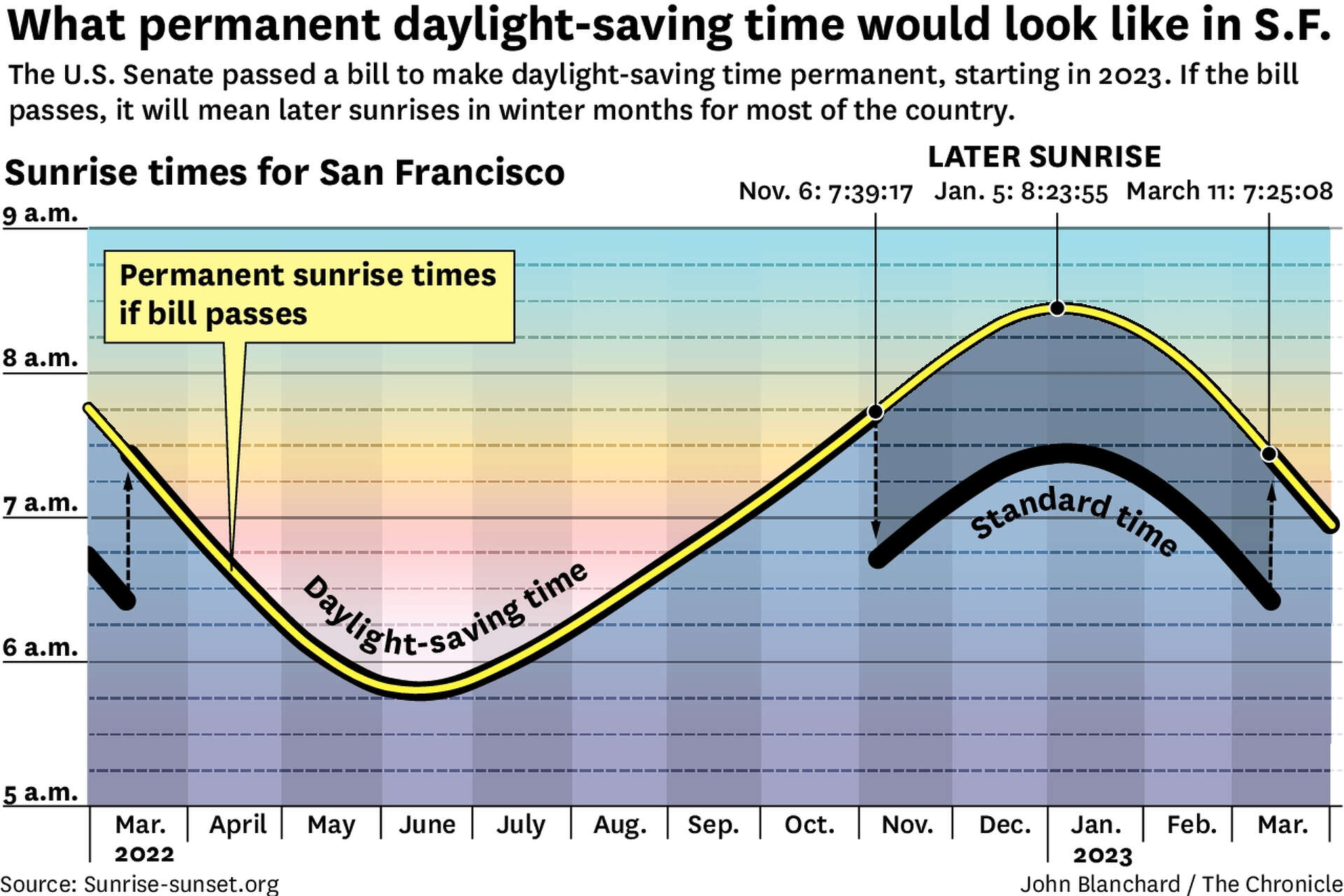
- Daylight Saving Time: From early spring to late autumn, California observes Daylight Saving Time. This effectively pushes sundown an hour later by the clock, giving travelers more daylight hours in the evening to explore, dine al fresco, or relax by the beach. This shift is crucial to remember when planning activities, especially during peak travel seasons.
- Altitude and Horizon: While not impacting the official astronomical sundown time, your physical elevation and the local horizon can influence when you perceive the sun to set. From a high vantage point, such as a mountain peak or a skyscraper rooftop, you might enjoy a few extra minutes of visible sunlight compared to sea level, as the horizon appears lower.
Seasonal Variations Across the Golden State
The time of sundown changes significantly with the seasons, impacting everything from your driving schedule to your dinner reservations.
- Summer (June, July, August): This is when sundown occurs latest in California. Along the coast, you can expect the sun to dip below the horizon often past 8:00 PM, sometimes even closer to 8:30 PM in late June and early July, especially in westernmost locations. These long, lingering evenings are perfect for beach strolls, outdoor dining, and extended sightseeing.
- Autumn (September, October, November): As the days shorten, sundown gradually shifts earlier. By early September, it might be around 7:00 PM to 7:30 PM, moving towards 6:00 PM to 6:30 PM by October. After the end of Daylight Saving Time in early November, sundown can occur even earlier, often between 4:30 PM and 5:00 PM. The crisp air and vibrant fall colors, combined with these earlier sunsets, create a cozy, romantic atmosphere.
- Winter (December, January, February): This is when sundown is earliest, typically between 4:45 PM and 5:15 PM across most of California. While the days are shorter, the low angle of the sun often creates dramatic lighting, especially in the deserts and mountains, ideal for photographers seeking rich, golden hues.
- Spring (March, April, May): With the arrival of spring, sundown begins to push later. After the clocks “spring forward” for Daylight Saving Time in March, sundown quickly moves past 7:00 PM, extending towards 7:30 PM or 8:00 PM by late May. The blooming wildflowers and comfortable temperatures make these lengthening evenings particularly delightful for outdoor activities.
Iconic Locations to Experience California’s Sundown Splendor
California’s diverse geography provides a wealth of unique backdrops for experiencing sundown. Whether you seek the roar of the ocean, the silence of the desert, or the buzz of the city, there’s a perfect spot for every preference.
Coastal Magic: From San Diego to Big Sur
The Pacific Coast offers perhaps the most quintessential California sunset experience. The sun’s descent into the vast Pacific Ocean creates a mesmerizing display of colors.
- San Diego and La Jolla: Known for its idyllic beaches and laid-back vibe, San Diego boasts spectacular sunsets. Head to Sunset Cliffs Natural Park in Ocean Beach for dramatic views from atop sandstone bluffs. In La Jolla, La Jolla Cove and Children’s Pool Beach offer charming backdrops with playful seals. Many hotels and accommodations here, like the historic Hotel del Coronado, offer prime ocean-facing rooms for an unforgettable sundown.
- Los Angeles County Beaches: From the iconic Santa Monica Pier and Venice Beach to the more secluded coves of Malibu, Los Angeles offers diverse coastal sunset opportunities. The Ferris wheel on the Santa Monica Pier illuminated against the twilight sky is a classic Southern California image. For a luxury lifestyle experience, the Terranea Resort in Rancho Palos Verdes provides panoramic ocean views perfect for an evening cocktail.
- Big Sur: This rugged stretch of coastline is arguably the most dramatic in California. Sundown here, with the sun sinking below towering cliffs and crashing waves, is an awe-inspiring experience. Pull off at one of the many viewpoints along Highway 1 or book a stay at a luxurious hideaway like Post Ranch Inn for unparalleled vistas.
- San Francisco Bay Area: The Golden Gate Bridge is a world-famous landmark that glows magnificently during sundown. Head to Baker Beach, Crissy Field, or Hawk Hill for quintessential postcard views. The city’s hills and bays also offer unique perspectives, with vibrant hues reflecting off the water.
Desert Hues and Mountain Majesties

Beyond the coast, California’s deserts and mountains offer equally stunning, yet distinct, sundown spectacles.
- Joshua Tree National Park: The Mojave and Colorado Deserts converge here, creating a surreal landscape of twisted Joshua trees and dramatic rock formations. Sundown transforms the desert into a canvas of oranges, purples, and deep reds. Keys View offers an expansive panorama, while Hidden Valley and Cholla Cactus Garden provide intimate settings for watching the light fade.
- Death Valley National Park: One of the hottest and driest places on Earth, Death Valley offers sunrises and sunsets of intense beauty. The vast, stark landscape with its salt flats and badlands takes on an otherworldly glow. Zabriskie Point or Dante’s View are popular spots for capturing these dramatic scenes.
- Sierra Nevada and Yosemite National Park: The towering granite peaks of the Sierra Nevada, particularly within Yosemite National Park, offer majestic sundown experiences. As the sun dips, iconic formations like El Capitan and Half Dome catch the last rays, turning a fiery orange before fading into serene twilight. Glacier Point provides one of the most famous vantage points, though requires seasonal road access.
Urban Panoramas and Elevated Views
For those who prefer a city backdrop, California’s metropolitan areas also offer fantastic sundown spots, often coupled with vibrant evening activities.
- Los Angeles Rooftops and Hills: Beyond the beaches, Los Angeles offers incredible city sunsets. Griffith Observatory provides panoramic views of the entire Los Angeles basin, the Hollywood Sign, and the Pacific Ocean. Many rooftop bars and restaurants in downtown LA or West Hollywood offer chic spots to watch the sky ignite.
- San Francisco Cityscapes: In addition to coastal views, San Francisco boasts excellent vantage points within the city itself. Twin Peaks offers a 360-degree view, showcasing the city lights gradually twinkling to life as the sun sets. Coit Tower and the SkyStar Observation Wheel in Golden Gate Park also provide elevated perspectives.
Maximizing Your California Trip: Sundown Strategies for Travelers
Incorporating sundown into your travel itinerary can significantly enhance your California experience. It’s not just about witnessing beauty; it’s about shaping your daily travel rhythm and making the most of every moment.
Planning Your Evening Adventures
Knowing the sundown time allows you to perfectly time various activities, transforming them into golden hour highlights.
- Romantic Dinners: Reserve a table at a beachfront restaurant or a rooftop eatery approximately 30-45 minutes before the projected sundown for the best views. Many establishments specifically cater to this “sunset dining” experience.
- Photography Expeditions: The hour before and after sundown, often called the “golden hour” and “blue hour,” provides exceptional lighting for photography. Plan your visits to landmarks or scenic spots to coincide with this period for truly stunning shots.
- Stargazing: After sundown, especially in less light-polluted areas like the deserts or national parks, the sky comes alive with stars. Knowing when it will be fully dark allows you to plan stargazing excursions, whether independently or through guided tourism programs.
- Beach Walks and Picnics: Extend your beach day into a magical evening. A post-sundown stroll along the shore or a picnic dinner as the last colors fade from the sky can be incredibly serene.
- Road Trips: If driving scenic routes like Highway 1, plan your segments to hit key viewpoints during the golden hour, or even conclude your day at a destination famous for its sunset vistas.
Accommodation with a View: Hotels and Resorts for Sunset Lovers
For many travelers, a truly memorable sundown experience is one savored from the comfort and privacy of their accommodation. California boasts an incredible selection of hotels, suites, resorts, and even villas that prioritize sunset views.
- Beachfront Resorts: Properties like the Ritz-Carlton, Laguna Niguel or the aforementioned Terranea Resort offer rooms and suites with private balconies directly overlooking the Pacific Ocean. These often come with luxurious amenities that enhance the sunset viewing, such as infinity pools or fire pits.
- Boutique Hotels with Coastal Charm: In towns like Carmel-by-the-Sea or Santa Barbara, charming boutique hotels often feature ocean-facing rooms or communal terraces where guests can gather to watch the sunset, perhaps with a glass of local California wine.
- Mountain and Desert Lodges: For those exploring national parks, lodges within or near the parks, such as Yosemite Valley Lodge or Furnace Creek Ranch in Death Valley, offer access to stunning natural sundown backdrops, providing a rustic yet comfortable base for nature lovers.
- City Hotels with Rooftop Access: In Los Angeles and San Francisco, many upscale hotels feature rooftop bars or lounges. These provide sophisticated settings for enjoying urban sunsets, with city lights twinkling below as the sky changes color. For a taste of luxury travel, consider properties with private penthouse suites offering exclusive panoramic views.
When booking accommodation, always check if “ocean view” or “city view” rooms are available and specifically inquire about sunset orientation if this is a priority. Reading reviews can also give insights into the quality of sunset views offered by different properties.

Essential Tips for Tracking Sundown in California
While the experience of sundown is about immersion, a little preparation goes a long way. Fortunately, with modern technology, finding precise sundown times is easier than ever.
- Use Reliable Apps and Websites: Dedicated weather apps (like AccuWeather, The Weather Channel) and astronomy apps (like PhotoPills, SkyView) provide accurate sundown times for your specific location and date. Many general search engines will also display the current day’s sundown time if you search “sunset time [city name], California.”
- Check for Your Specific Location: Remember that sundown times vary even within California. Always input your exact city or nearby landmark for the most accurate information.
- Arrive Early: For popular sunset viewing spots, especially on weekends or during peak season, arrive at least 30-60 minutes before the projected sundown time. This allows you to find parking, secure a good vantage point, and enjoy the magical “golden hour” leading up to the main event.
- Be Mindful of the Horizon: While the official sundown time is when the sun disappears below the horizon, if you are in a valley or surrounded by tall buildings or mountains, the sun might visually disappear earlier. Plan accordingly.
- Stay for the “Blue Hour”: The beauty doesn’t end when the sun dips below the horizon. The “blue hour” that follows, roughly 20-40 minutes after sundown, offers a different, often equally stunning, quality of light, perfect for atmospheric photos and enjoying the transition to night.
- Consider Local Conditions: Weather conditions, such as fog in San Francisco or haze in Los Angeles, can impact visibility and the vibrancy of the sunset colors. While you can’t control the weather, checking the forecast can help manage expectations.
In conclusion, knowing “what time is sundown in California” is a fundamental piece of information for any traveler looking to unlock the full potential of their visit. By understanding the seasonal shifts and geographical nuances, and by strategically planning your travel activities, accommodation, and tourism experiences around this daily phenomenon, you can transform a great trip into an unforgettable journey. From the dramatic coastal cliffs to the tranquil desert expanses and the glittering cityscapes, California’s sunsets are a golden invitation to slow down, appreciate the moment, and soak in the unparalleled beauty of the Golden State.
LifeOutOfTheBox is a participant in the Amazon Services LLC Associates Program, an affiliate advertising program designed to provide a means for sites to earn advertising fees by advertising and linking to Amazon.com. Amazon, the Amazon logo, AmazonSupply, and the AmazonSupply logo are trademarks of Amazon.com, Inc. or its affiliates. As an Amazon Associate we earn affiliate commissions from qualifying purchases.