
Understanding the precise timing of the sunset is an essential component of the traveler’s toolkit when visiting Los Angeles. In a city where the light has inspired decades of cinema and the “Golden Hour” is a celebrated daily event, knowing when the sun dips below the horizon of the Pacific Ocean dictates the rhythm of evening activities. Whether you are planning a romantic dinner, a photography session at a famous landmark, or a casual stroll along the coast, the timing of sundown is the primary pivot point for your itinerary in Southern California.

Understanding the Seasonal Rhythm of the Los Angeles Sun
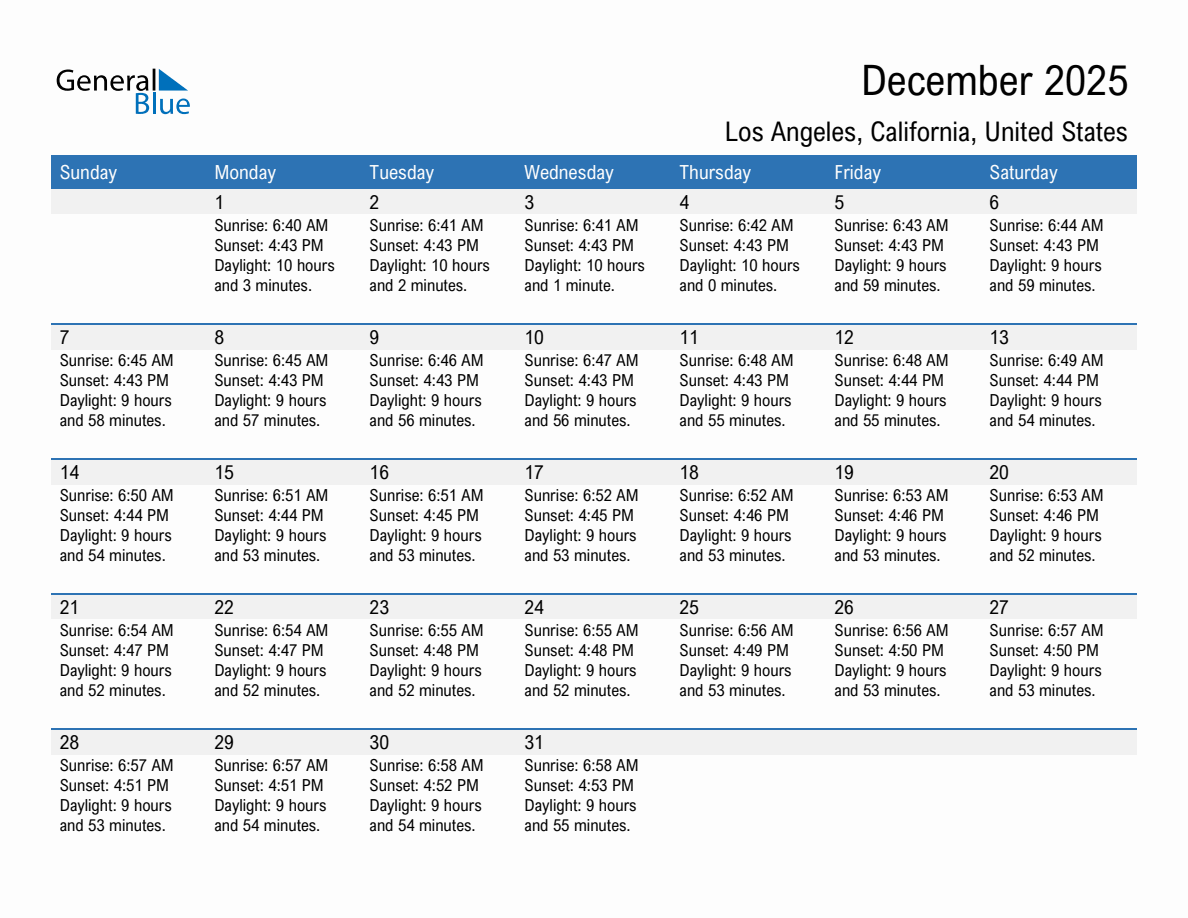
The sunset in California is not a static event. Because of the city’s geographical position in the Northern Hemisphere, the time of sundown fluctuates significantly throughout the year. For tourists, this variation means that a “sunset dinner” in December requires a vastly different schedule than one in June.
The Shift Between Solstices
During the winter months, specifically around the Winter Solstice in late December, Los Angeles experiences its earliest sunsets, often occurring as early as 4:45 PM. This early darkness shifts the focus of tourism toward the city’s vibrant indoor culture, including the world-class museums and theater districts. Conversely, during the Summer Solstice in late June, the sun lingers in the sky until nearly 8:10 PM. These long summer evenings are the lifeblood of the local tourism industry, allowing for extended beach days and outdoor concerts that stretch deep into the night.
The Phenomenon of the Marine Layer
One unique aspect of the sunset experience in Southern California is the “Marine Layer.” Often referred to by locals as “May Gray” or “June Gloom,” this meteorological condition brings a thick blanket of clouds from the Pacific Ocean over the coastal areas. While it may obscure the actual sun, it often creates a diffused, ethereal light that is highly prized by professional photographers. Understanding this pattern is crucial for visitors who might be disappointed by a cloudy afternoon, only to find that the clouds break just in time for a spectacular, multi-colored display at dusk.
Iconic Destinations for a Twilight Itinerary
To truly appreciate the sundown in Los Angeles, one must select the right vantage point. The city’s diverse topography—ranging from sandy beaches to rugged mountains—offers a variety of perspectives on the closing of the day.
Coastal Vistas and Beach Culture
The most traditional way to witness the sunset is from the western edge of the United States. Santa Monica serves as the primary hub for this experience. The Santa Monica Pier, with its iconic Ferris wheel, provides a nostalgic backdrop as the sky turns shades of orange and purple. Further south, Venice Beach offers a more bohemian atmosphere, where street performers and drum circles often provide a rhythmic soundtrack to the descending sun.
For those seeking a more rugged and natural setting, Malibu is an unparalleled destination. Sites like El Matador State Beach feature dramatic sea caves and rock formations that catch the light in extraordinary ways. If you prefer a sophisticated coastal vibe, Manhattan Beach offers a pristine pier and a high-end promenade that is perfect for a post-sunset walk.
Urban Perspectives and Architectural Marvels
Moving inland, the elevation of the city provides a different kind of beauty. The Griffith Observatory, perched on the slopes of Mount Hollywood, is arguably the most famous sunset spot in the world. From this vantage point, visitors can see the sun set behind the Hollywood Sign while the lights of the vast Los Angeles basin begin to twinkle below.
Another architectural masterpiece for sunset viewing is the Getty Center. Located in the Santa Monica Mountains, its white travertine walls reflect the changing colors of the sky, and its gardens offer panoramic views that stretch from the San Bernardino Mountains to the sea. For a more central urban experience, Echo Park Lake provides a beautiful reflection of the Downtown Los Angeles skyline amidst lotus beds and swan boats.
Immersing in the Cultural Fabric of Sunset Activities
In Los Angeles, sundown is more than just a time of day; it is a cultural transition. As the sun sets, the city’s energy shifts from the frantic pace of business and sightseeing to a more relaxed, communal celebration of the evening.
Rooftop Culture and Twilight Dining
The rise of rooftop culture has transformed how tourists experience the sunset. High-altitude venues along Wilshire Boulevard and in Hollywood allow visitors to sip artisanal cocktails while watching the horizon. This “Golden Hour” dining is a staple of the local lifestyle, where the menu is often designed to complement the cooling temperatures of the evening. Many establishments even offer “Sunset Menus,” featuring light bites and refreshments specifically timed for the hour before the sun disappears.
Outdoor Entertainment and Artistic Expression
The onset of dusk often signals the start of unique cultural activities. During the summer, the Hollywood Bowl hosts world-class musical performances where the transition from day to night is part of the show’s choreography. Similarly, the Greek Theatre in Griffith Park offers an intimate outdoor setting surrounded by trees that seem to glow in the late afternoon light. For those interested in local traditions, watching the sunset from the Chinatown central plaza or the historic Olvera Street provides a glimpse into the diverse heritage that makes the city unique.
Practical Logistics for Chasing the Sunset in Southern California
To ensure that your sunset experience is seamless, there are several practical considerations that every tourist should keep in mind. Los Angeles is a vast metropolis, and timing is everything when it comes to capturing the perfect twilight moment.
Navigating Traffic and Transit Timing
The most significant hurdle for any visitor in Los Angeles is the traffic. The period leading up to sunset often coincides with the city’s afternoon rush hour. If you are staying in Beverly Hills and plan to watch the sunset at Santa Monica, you must account for significant delays on the Santa Monica Freeway. A general rule of thumb for tourists is to arrive at your chosen sunset destination at least 60 to 90 minutes before the scheduled time. This allows for parking, walking to the prime viewing spot, and enjoying the gradual transition of the “Blue Hour” that precedes the main event.
Preparation and Packing
Even in a Mediterranean climate, the temperature in Southern California can drop rapidly once the sun goes down. A warm day at Universal Studios Hollywood can turn into a chilly evening quite quickly. Visitors are encouraged to dress in layers. Additionally, if your sunset viewing involves a hike in Runyon Canyon Park, ensure you have a flashlight or a fully charged phone for the trek back down, as many trails are not illuminated.

Photography and Technology
For those looking to capture the sunset on camera, understanding the “Magic Hour” is vital. This is the period shortly after sunrise or before sunset when the light is softer and redder. Most smartphones now have “Night Mode” features that are excellent for low-light conditions, but for the best results, consider a tripod if you are filming at places like the Griffith Observatory where the contrast between the dark sky and the bright city lights is sharp.
The question of “What time is sundown in Los Angeles today?” is the beginning of a larger exploration of the city’s identity. From the glamorous heights of West Hollywood to the tranquil shores of Long Beach, the sunset serves as a daily reminder of the natural beauty that coexists with the urban sprawl. By planning ahead and choosing the right location, visitors can turn a simple chronological fact into the highlight of their journey through the United States.
LifeOutOfTheBox is a participant in the Amazon Services LLC Associates Program, an affiliate advertising program designed to provide a means for sites to earn advertising fees by advertising and linking to Amazon.com. Amazon, the Amazon logo, AmazonSupply, and the AmazonSupply logo are trademarks of Amazon.com, Inc. or its affiliates. As an Amazon Associate we earn affiliate commissions from qualifying purchases.