
For many travelers, witnessing a sunrise can transform a simple trip into an unforgettable journey. In Arizona, the magic of dawn takes on a uniquely spectacular hue, painting vast desert landscapes, towering red rock formations, and immense canyons with an ethereal glow. Understanding “what time is sunrise in Arizona” is more than just knowing a clock time; it’s about unlocking unparalleled experiences, optimizing your travel itinerary, and immersing yourself in the state’s breathtaking natural beauty. This guide delves into the specifics of Arizona’s sunrise patterns, offering insights and practical advice for travelers keen to embrace the dawn in the Grand Canyon State.

Understanding Arizona’s Unique Timekeeping
Arizona stands out in the contiguous United States for its distinctive approach to time, which significantly impacts sunrise and sunset times throughout the year. Most of the state does not observe Daylight Saving Time (DST), a detail crucial for any traveler planning their day around natural light.
The Mountain Standard Time Anomaly
Since 1968, the majority of Arizona has opted out of Daylight Saving Time, remaining on Mountain Standard Time (MST) year-round. This means that from March to November, when most other states spring forward, Arizona’s clocks do not change. Consequently, during these months, Arizona effectively aligns with Pacific Daylight Time (PDT) rather than Mountain Daylight Time (MDT). The Navajo Nation, a sovereign territory predominantly within Arizona’s borders, is the notable exception, observing DST along with the rest of New Mexico and Utah. This unique timekeeping can initially be confusing for visitors but also offers a consistent rhythm for sunrise throughout the brighter months.
For example, a sunrise that might occur at 6:00 AM in June in a state observing DST would be around 5:00 AM MST in Arizona (the equivalent of 6:00 AM PDT). This earlier actual sunrise, relative to many other parts of the country, allows travelers to start their days earlier, making the most of cooler morning temperatures, especially vital for desert explorations.
Regional Variations: From Phoenix to the Grand Canyon
While the time zone remains largely consistent across Arizona, the sheer geographical vastness of the state means that sunrise times will naturally vary from east to west. The easternmost parts of Arizona will experience sunrise earlier than the westernmost regions. For instance, sunrise in St. Johns (eastern Arizona) can be up to 30 minutes earlier than in Yuma (western Arizona).
Here’s a general guide to expected sunrise times for key travel destinations in Arizona, keeping in mind these are approximations and will shift daily:
- Phoenix (Central Arizona):
- Winter (December-January): Around 7:20 AM – 7:40 AM MST
- Spring (March-April): Around 6:00 AM – 6:30 AM MST
- Summer (June-July): Around 5:15 AM – 5:30 AM MST
- Autumn (September-October): Around 6:00 AM – 6:30 AM MST
- Grand Canyon Village (Northern Arizona): Due to its more northerly and slightly easterly position compared to Phoenix, sunrise here will be slightly earlier, typically by 5-10 minutes. However, if you are within the Navajo Nation (e.g., heading towards Monument Valley), remember to adjust for DST during the relevant months.
- Tucson (Southern Arizona): Similar to Phoenix, but often a few minutes later due to its southerly latitude.
- Sedona (Central-Northern Arizona): Comparable to Phoenix or slightly earlier, given its position.
Always consult a reliable local sunrise/sunset calculator for the most accurate daily times specific to your exact location within Arizona during your travel dates.
Why Chasing the Arizona Sunrise is a Must-Do Travel Experience
Beyond the practicalities of time, the Arizona sunrise offers profound aesthetic and practical benefits for travelers. It’s an experience that defines many Arizona adventures.
Photography Opportunities and Golden Hour Magic
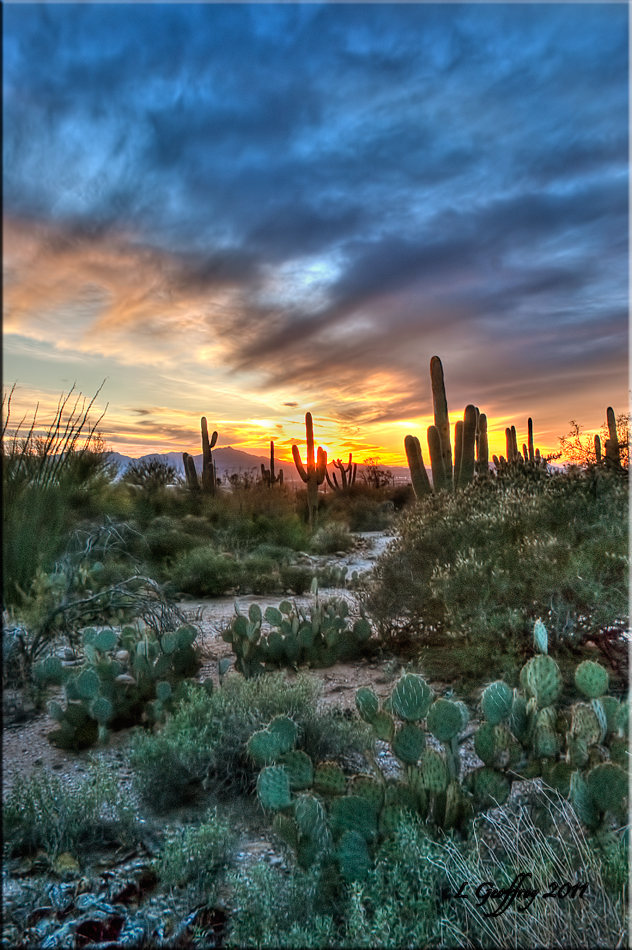
The “golden hour” immediately after sunrise is revered by photographers worldwide, and in Arizona, it reaches its zenith. The low-angle light dramatically enhances the textures and colors of the landscape. The Grand Canyon’s multi-layered rock formations blaze with reds, oranges, and purples as the sun creeps over the rim. Sedona’s iconic red rocks glow with an almost otherworldly luminescence. Even the majestic saguaros of the Sonoran Desert are silhouetted against a pastel sky, creating timeless images. Waking up early is essential to capture these fleeting moments, offering unique perspectives often missed by those who prefer to sleep in.
Serene Moments for Reflection and Mindfulness
There’s a profound tranquility that accompanies dawn. Before the crowds arrive, before the day’s activities begin, the Arizona landscape offers a space for quiet contemplation. Watching the desert awaken, listening to the first bird calls, and feeling the crisp morning air can be a deeply personal and spiritual experience. It’s an opportunity for mindfulness, to connect with nature, and to appreciate the vastness and beauty of the natural world without distraction. For many, these quiet moments at sunrise become the most cherished memories of their trip.
Beating the Heat for Outdoor Adventures
Arizona is synonymous with sunshine and, particularly in the summer months, intense heat. Planning outdoor activities like hiking, biking, or exploring ancient ruins in the early morning is not just recommended; it’s often a necessity for comfort and safety. Starting your day at sunrise allows you to enjoy several hours of significantly cooler temperatures before the desert sun becomes overpowering. This is especially true for popular trails in Phoenix like Camelback Mountain or the extensive trail networks around Sedona and Tucson. An early start not only avoids the heat but also often means fewer people on the trails, enhancing the sense of wilderness.
Top Spots to Witness an Arizona Sunrise

Arizona is brimming with locations that offer spectacular sunrise views. Here are some of the most iconic and highly recommended spots for travelers.
Grand Canyon National Park: Iconic Vistas
Without a doubt, the Grand Canyon is one of the world’s most breathtaking sunrise destinations. The sheer scale and depth of the canyon, combined with the play of light and shadow, create a dynamic masterpiece every morning.
- Mather Point: Easily accessible from Grand Canyon Village, Mather Point offers expansive, panoramic views perfect for capturing the canyon’s grandeur as the sun ascends.
- Hopi Point: Located along the Hermit Road, Hopi Point provides one of the widest vistas, allowing observers to see the curvature of the Colorado River and numerous buttes illuminated by the rising sun. Access is via shuttle bus for most of the year.
- Yavapai Point: Home to the Yavapai Geology Museum, this point offers educational insights alongside stunning views, making it a favorite for those seeking to understand the canyon’s formation as they watch the sunrise.
Sedona’s Red Rock Splendor
The vibrant red rock formations of Sedona take on an ethereal glow at sunrise, making it a magnet for spiritual seekers and photographers alike.
- Airport Mesa: A popular vortex site and easily accessible, Airport Mesa offers sweeping 360-degree views of Sedona’s iconic formations like Bell Rock and Cathedral Rock as they catch the first rays of light.
- Red Rock Crossing (Crescent Moon Ranch): Famous for its reflection of Cathedral Rock in Oak Creek, this spot provides a serene and picturesque setting for a sunrise photograph.
- Bell Rock Pathway: Hiking the relatively flat Bell Rock Pathway at dawn allows you to experience the evolving colors of Bell Rock and Courthouse Butte up close.
Saguaro National Park near Tucson
The unique landscape of Saguaro National Park, filled with thousands of majestic saguaro cacti, offers a truly Southwestern sunrise experience.
- Rincon Mountain District (East): The Cactus Forest Scenic Loop Drive provides numerous pull-offs and short trails perfect for watching the sunrise illuminate the saguaros against the backdrop of the Rincon Mountains.
- Tucson Mountain District (West): The scenic drives here offer similar opportunities, with the Arizona-Sonora Desert Museum area providing elevated views. The silhouette of the saguaros at dawn is iconic.
Monument Valley Navajo Tribal Park
Though part of the Navajo Nation which observes DST, the dramatic sandstone buttes of Monument Valley are perhaps one of the most recognizable sunrise backdrops in the world. Waking up early to see the Mitten Buttes and Merrick Butte emerge from the shadows is an unforgettable experience, steeped in cultural significance. Many travelers choose to stay at The View Hotel to enjoy sunrise directly from their balcony.
Planning Your Sunrise Experience: Tips for Travelers
Making the most of your Arizona sunrise adventure requires a bit of foresight and preparation.
Essential Tools and Resources
- Weather Apps: Always check the local weather forecast. Clear skies are ideal for vibrant sunrises, but even partly cloudy mornings can create dramatic effects.
- Sunrise/Sunset Calculators: Numerous apps and websites (like timeanddate.com or weather.com) provide precise sunrise times for any given location and date. These are invaluable for planning your wake-up call. Remember to confirm the time zone, especially regarding DST.
- Maps and Navigation: Familiarize yourself with the route to your chosen viewing spot the night before. Many popular locations fill up quickly, so knowing exactly where you’re going will save precious minutes in the dark.
What to Pack and Wear
- Layers: Even in the Arizona desert, mornings can be surprisingly cool, especially before the sun fully emerges. Dress in layers that you can easily shed as the day warms up. A light jacket or fleece is often a good idea, even in summer.
- Sturdy Footwear: If your sunrise spot involves even a short hike, wear comfortable, closed-toe shoes suitable for uneven terrain.
- Water and Snacks: Staying hydrated is always important in Arizona. Bring water, and perhaps a light snack, especially if you plan to stay out for a morning hike after watching the sun.
- Camera Gear: Don’t forget your camera, spare batteries, and a tripod for stable, long-exposure shots. A wide-angle lens is often ideal for capturing expansive landscapes.
- Flashlight or Headlamp: Essential for navigating in the pre-dawn darkness, especially on trails or uneven ground.
Booking Accommodations Strategically
For the best sunrise experience, consider booking accommodations that are either very close to your desired viewing spot or offer views directly from your room. For example, staying at one of the lodges within Grand Canyon National Park (like El Tovar Hotel or Bright Angel Lodge) significantly cuts down travel time in the dark. Similarly, hotels or vacation rentals in Sedona with red rock views can provide a private sunrise spectacle. This strategic planning ensures you can reach your destination without undue stress and maximize your enjoyment of this magical time of day.
In conclusion, understanding what time the sun rises in Arizona is the first step towards experiencing some of the most captivating moments the state has to offer. Whether you’re a photographer, a nature lover, or simply seeking a tranquil start to your day, Arizona’s dawns promise unparalleled beauty and unforgettable memories. Plan accordingly, wake up early, and prepare to be mesmerized by the Grand Canyon State’s golden embrace.
LifeOutOfTheBox is a participant in the Amazon Services LLC Associates Program, an affiliate advertising program designed to provide a means for sites to earn advertising fees by advertising and linking to Amazon.com. Amazon, the Amazon logo, AmazonSupply, and the AmazonSupply logo are trademarks of Amazon.com, Inc. or its affiliates. As an Amazon Associate we earn affiliate commissions from qualifying purchases.