
When the engines roar to life in the heart of Nevada, the atmosphere in Las Vegas undergoes a radical transformation. The Las Vegas Grand Prix is not just a sporting event; it is a cultural phenomenon that blends the high-octane world of Formula 1 with the neon-soaked luxury of the entertainment capital of the world. For the modern tourist, understanding the specific timing of the race is crucial, as the event deviates from the traditional European race schedules to embrace a late-night, high-visibility slot that showcases the city’s iconic skyline.

Understanding the Formula 1 Schedule in Las Vegas
The most distinctive feature of the race in Las Vegas is its timing. Unlike most races on the Formula 1 calendar that occur on Sunday afternoons, the main event in the desert takes place on a Saturday night. This strategic shift allows the race to be broadcast during prime time in the United States while capturing the stunning night-time visuals of the Las Vegas Strip.
The Allure of a Saturday Night Race
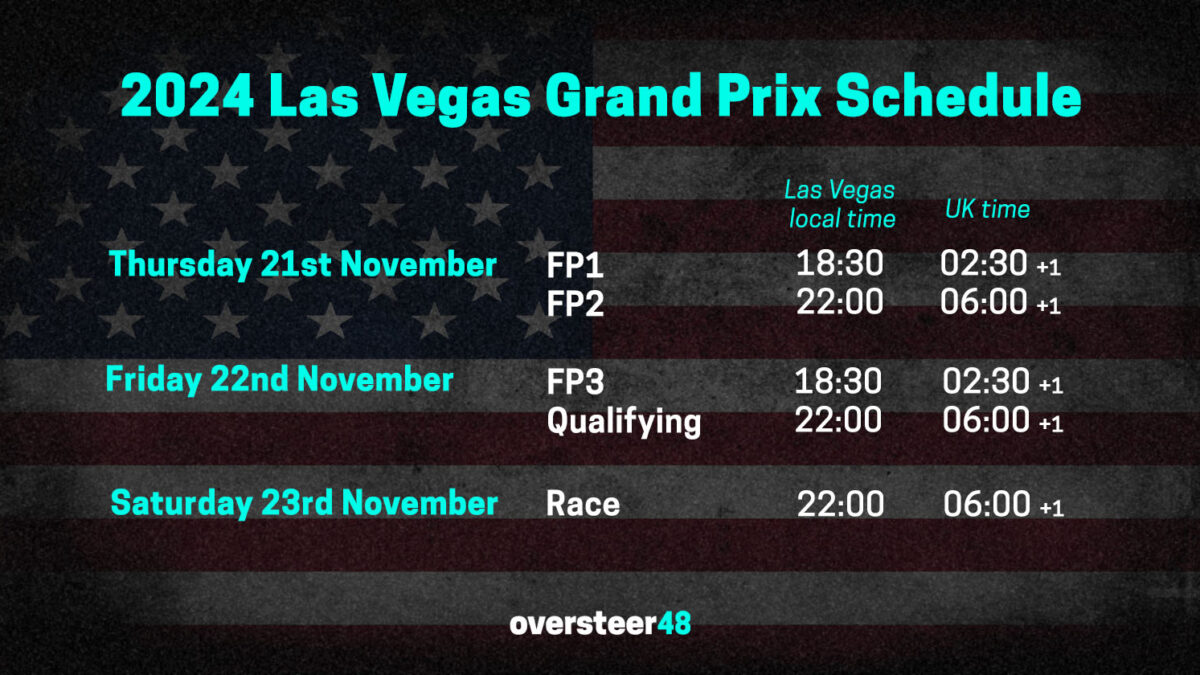
The decision to hold the race on a Saturday at 10:00 PM local time (PST) was a deliberate move to integrate the event into the city’s nightlife culture. For tourists, this means that the entire weekend rhythm is shifted. Thursday and Friday serve as the buildup, with practice sessions and qualifying rounds held under the floodlights. The late start time ensures that the desert heat is a non-factor, providing a comfortable environment for spectators seated in grandstands near Caesars Palace or the Bellagio.
The visual impact of cars flying past the Eiffel Tower at Paris Las Vegas at nearly 200 miles per hour is only possible because of this unique night schedule. From a tourism perspective, this allows visitors to spend their daylight hours exploring Red Rock Canyon or visiting the Hoover Dam before returning to the city for the evening’s festivities.
Practice and Qualifying Sessions
The action typically begins on Thursday with Free Practice 1 and 2. These sessions usually take place late in the evening, often starting after 8:30 PM. For tourists, this is an excellent time to get a feel for the acoustics of the city. The sound of hybrid V6 engines echoing off the glass facades of The Venetian and Wynn Las Vegas is a sensory experience unlike any other.
Qualifying occurs on Friday night, generally around the same 10:00 PM slot as the race. This is when the drivers push their cars to the absolute limit to secure the pole position. For those staying at the Cosmopolitan of Las Vegas, the balconies offer a bird’s-eye view of the technical sections of the track, making these late-night sessions a highlight of the weekend itinerary.
Planning Your Tourism Experience Around Race Times
Navigating Las Vegas during the Grand Prix requires a level of planning that goes beyond the standard vacation. Because the track incorporates Las Vegas Boulevard, the artery of the city is effectively partitioned during race hours. This has a significant impact on local tourism activities, dining, and transit.
Navigating the Las Vegas Strip During Peak Hours
During the race weekend, the “Strip” is closed to vehicular traffic several hours before the sessions begin to allow for track preparation. For tourists, this means that walking and the Las Vegas Monorail become the primary modes of transport. If you are staying at the MGM Grand and need to get to the Encore, you must account for the track barriers and designated pedestrian bridges.
The timing of the road closures usually begins in the early evening. If you have dinner reservations at Hell’s Kitchen or Nobu, it is advisable to be on the correct side of the track by 5:00 PM. The city manages these closures with precision, but the sheer volume of visitors means that transitions can take longer than expected.
Fan Zones and Off-Track Entertainment
One of the greatest benefits of the race schedule for tourists is the abundance of daytime entertainment. Since the track action doesn’t start until the sun goes down, the Formula 1 fan zones, such as the ones located near The Sphere, offer interactive exhibits, driver appearances, and merchandise stalls throughout the day.
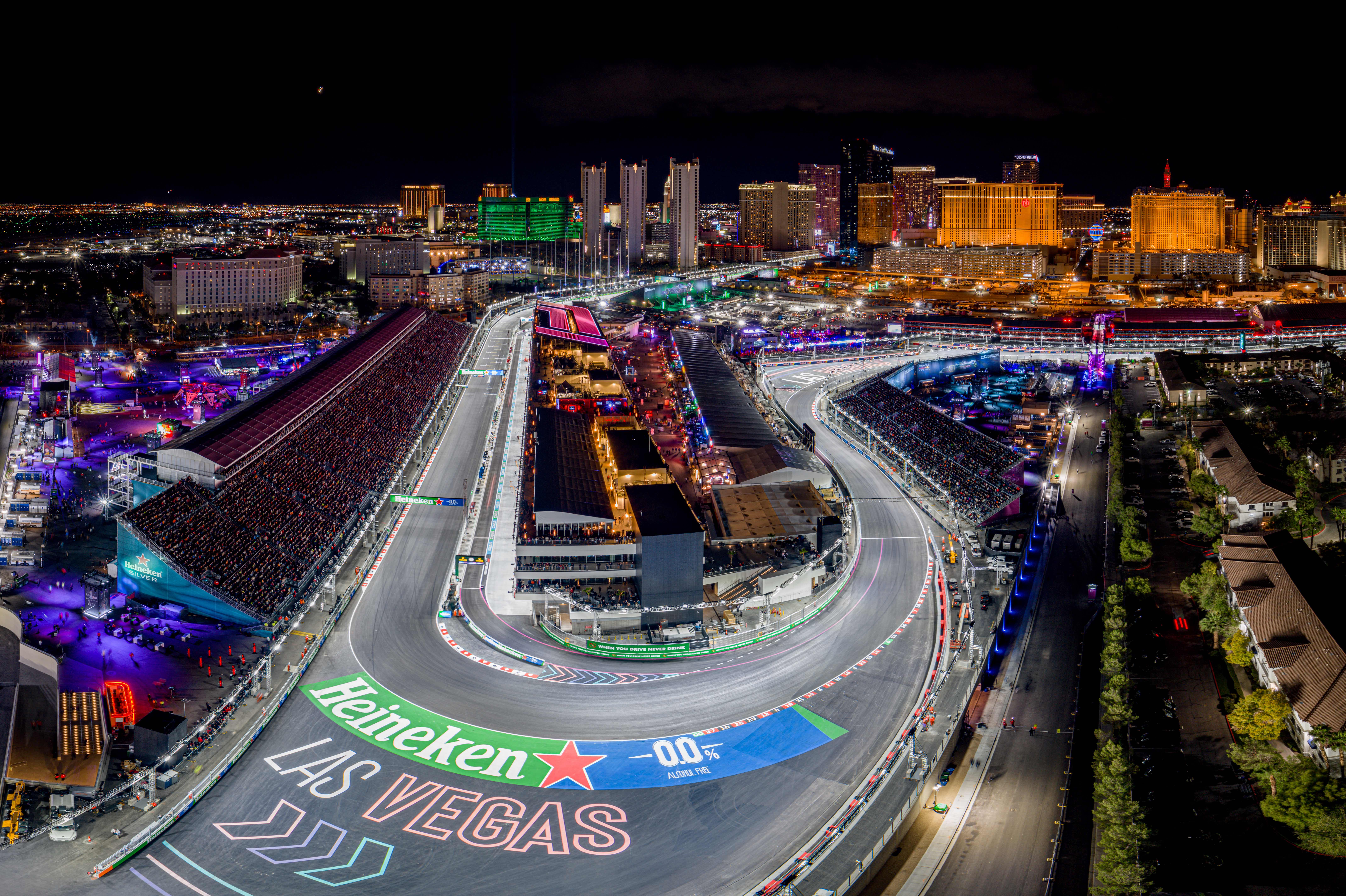
Visitors can take a ride on the High Roller Observation Wheel during the afternoon to see the circuit layout from above. This provides a clear perspective of how the track snakes around landmarks like Harrah’s Las Vegas and Planet Hollywood Resort and Casino. The integration of The Sphere into the race backdrop has also created a new tourism staple, as its massive exterior displays real-time race data and creative animations that light up the North American sky.
Local Tips for the Ultimate Grand Prix Weekend
To truly enjoy the tourism aspect of the Las Vegas Grand Prix, one must look beyond the grandstands. The city’s culture of hospitality means that every corner of the town offers something unique during this window.
Best Vantage Points and Public Squares
While ticketed grandstands offer the best views of the start-finish line, many tourists find joy in the public squares and “Watch Parties.” Fremont Street in Downtown Las Vegas often hosts auxiliary events with large screens, offering a more vintage Vegas vibe compared to the ultra-modern Strip.
For those looking for a luxury experience, the Bellagio Fountains area is transformed into a viewing platform. Watching the race with the fountains dancing in the background is the quintessential Las Vegas experience. Additionally, the Aria Resort and Casino and Park MGM provide excellent proximity to the circuit’s high-speed straights, where the roar of the engines is most palpable.
Exploring Beyond the Paddock: Dining and Culture
The race timing allows for a “Late Night Vegas” dining culture to thrive. Many world-class restaurants stay open even later than usual to accommodate fans coming off the track at midnight. Exploring the culinary scene at Resorts World Las Vegas or grabbing a late-night bite at Circa Resort and Casino becomes part of the adventure.
For a break from the mechanical intensity, tourists can head to the Neon Museum to learn about the history of the signs that now illuminate the race track. Or, for a change of pace, a morning trip to the Seven Magic Mountains art installation provides a colorful contrast to the black asphalt and silver grandstands of the Formula 1 circuit.
Logistics for International and Domestic Visitors
Arrival and departure timing is just as important as the race timing itself. With thousands of fans descending upon Harry Reid International Airport, logistics must be handled with care.
Transport and Getting Around the Circuit
The city’s infrastructure is pushed to its limit during this period. It is recommended that visitors arrive in Las Vegas at least two days before the first practice session to acclimate and avoid the heaviest congestion. Using ride-share services can be tricky due to the road closures, so many seasoned tourists rely on the Las Vegas Monorail or shuttle services provided by major resorts like Luxor Hotel and Casino and Excalibur Hotel and Casino.
Walking is inevitable, so comfortable footwear is a must. The distance between landmarks like the Mirage and the Linq Hotel and Experience might seem short on a map, but with the race barriers and crowds, these walks can take 30 to 45 minutes.
What to Do After the Checkered Flag
The race might end around midnight, but in Las Vegas, the night is just beginning. The post-race parties are legendary, with world-famous DJs performing at clubs like Omnia and XS Nightclub. For tourists, this is the time to celebrate or commiserate with fellow fans from around the globe.
As Sunday morning arrives, the track begins its slow transition back into a public road. This is the perfect time for a leisurely brunch at Lakeside or a visit to the Mob Museum to decompress. The Las Vegas Grand Prix is a marathon of excitement, and understanding the schedule ensures that you don’t miss a single second of the action, whether it’s on the track or in the vibrant streets of the city.
LifeOutOfTheBox is a participant in the Amazon Services LLC Associates Program, an affiliate advertising program designed to provide a means for sites to earn advertising fees by advertising and linking to Amazon.com. Amazon, the Amazon logo, AmazonSupply, and the AmazonSupply logo are trademarks of Amazon.com, Inc. or its affiliates. As an Amazon Associate we earn affiliate commissions from qualifying purchases.