
California, the Golden State, stretches majestically along the western edge of the United States, a land of diverse landscapes from sun-drenched beaches and towering redwood forests to snow-capped mountains and bustling metropolises. For anyone planning a trip, conducting business, or simply curious about life in this vibrant state, understanding its time zone is not just a trivial detail but a fundamental piece of information that impacts everything from travel itineraries and hotel bookings to scheduling crucial meetings and catching the best surf. The question, “What time is this in California?” opens up a world of considerations for travelers, businesses, and anyone interacting with this dynamic region.
This comprehensive guide delves into the intricacies of California’s time zone, its practical implications for various aspects of travel and lifestyle, and essential tips to help you synchronize your plans perfectly with the Golden State’s rhythm. Whether you’re a first-time visitor from across the globe, a seasoned traveler from a neighboring state, or a business professional coordinating with West Coast partners, mastering the art of California time will ensure a smoother, more enjoyable, and productive experience. From the bustling streets of Los Angeles to the iconic vistas of San Francisco, and from the serene deserts of Palm Springs to the vineyards of Napa Valley, knowing the time here is your first step towards unlocking all that California has to offer.
Understanding California’s Time Zone: PST vs. PDT
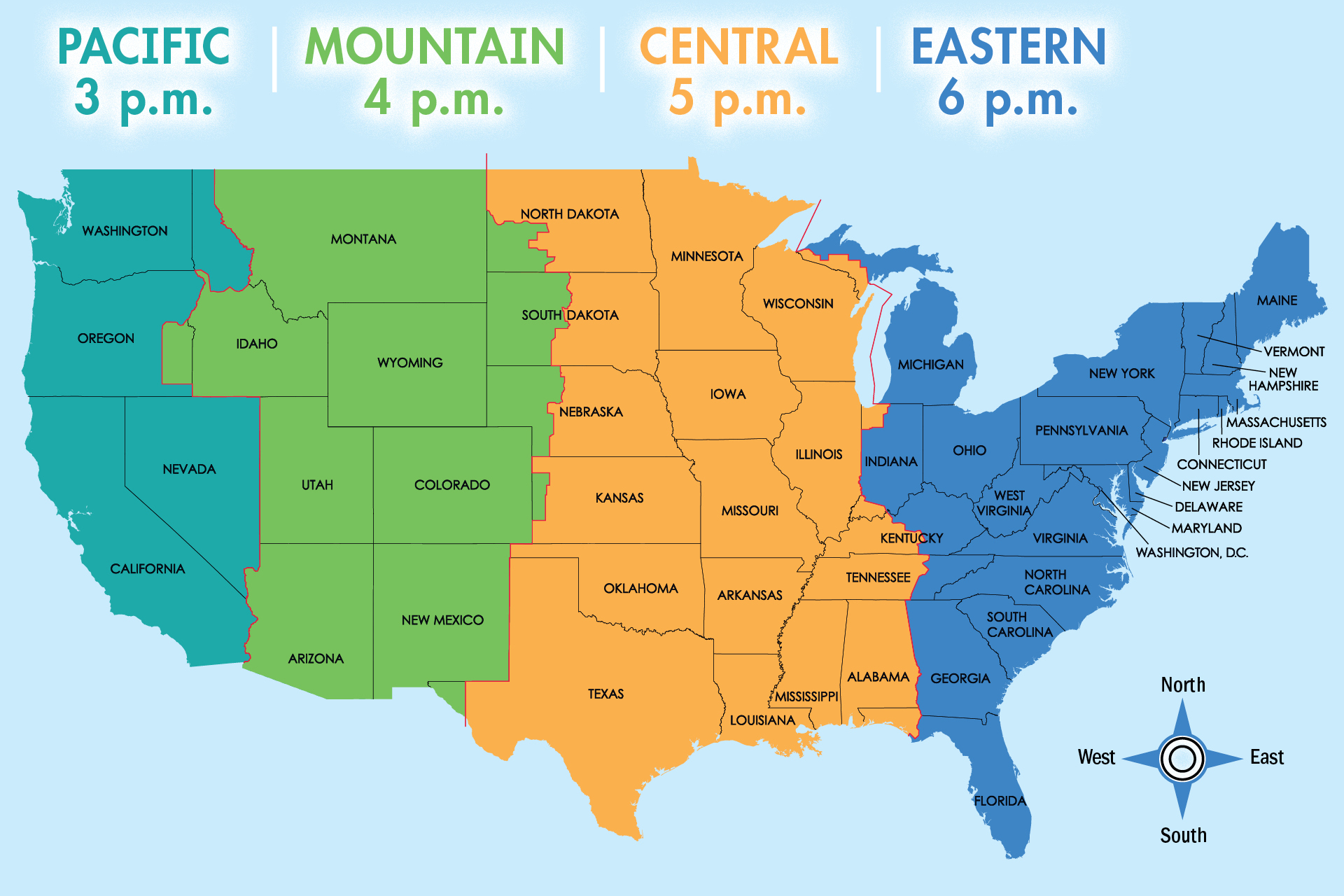
At its core, California operates on the Pacific Time Zone, but this isn’t a static concept throughout the year. The state observes two distinct phases: Pacific Standard Time (PST) and Pacific Daylight Time (PDT). Grasping the difference between these two and understanding when the switch occurs is paramount for any accurate time calculations.
The Basics of Pacific Time
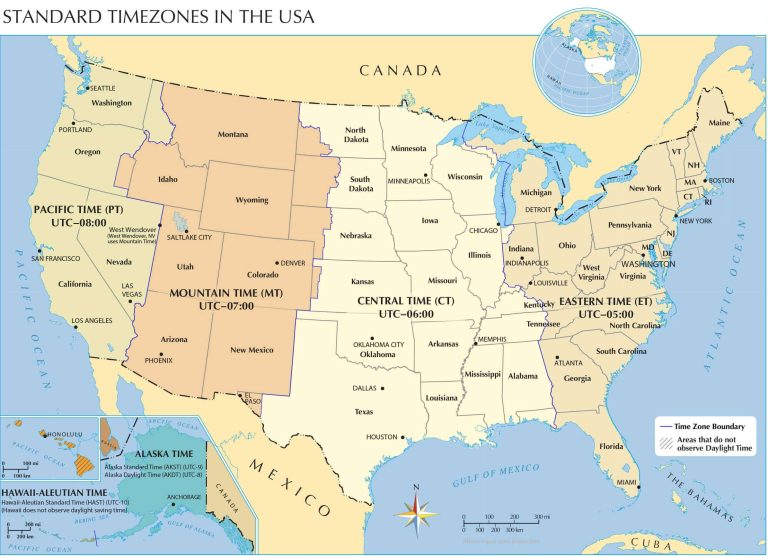
Geographically, the Pacific Time Zone (PT) covers the westernmost states of the continental United States, including California, Oregon, Washington, and Nevada. During the winter months, from early November to mid-March, this region observes Pacific Standard Time (PST), which is UTC-8 (Coordinated Universal Time minus 8 hours). This means that if it’s 12:00 PM UTC, it’s 4:00 AM in California under PST. This eight-hour difference from the global time standard is a consistent marker for nearly half the year, influencing everything from international flight arrivals to early morning conference calls with European partners.
PST is the baseline, the standard time that defines California’s position on the global clock during the darker, colder months. It’s the time you’d experience if you visited San Diego for a winter escape or explored the snowy peaks of the Sierra Nevada in January. The consistency of PST allows for straightforward planning, but the introduction of Daylight Saving Time adds an extra layer of complexity that all travelers and planners must consider.
Daylight Saving and Its Impact
The annual shift to Pacific Daylight Time (PDT) marks a significant change in California’s clock. This transition typically occurs on the second Sunday in March, when clocks “spring forward” by one hour. Pacific Daylight Time is UTC-7, meaning that the time difference from UTC shrinks to seven hours. The state then remains on PDT until the first Sunday in November, when clocks “fall back” by one hour, returning to PST. This period covers the entirety of California’s spring, summer, and early autumn, arguably the most popular times for tourism and outdoor activities.
The primary purpose of Daylight Saving Time is to make better use of daylight, moving an hour of daylight from the morning to the evening during the warmer months. For tourists, this means longer evenings to enjoy attractions like the Santa Monica Pier, outdoor dining in Hollywood, or extended hikes in Yosemite National Park. However, it also means that calculations for time differences change, which can easily lead to confusion if not accounted for. Imagine booking a flight or a guided tour and accidentally miscalculating the time based on the wrong time zone setting – a small oversight can have significant ripple effects on your travel plans.
Navigating Time Differences for Travelers
For visitors coming to California, particularly from different continents or even just the East Coast of the United States, the time difference is a critical factor to manage. It impacts your body’s rhythm, your ability to stick to schedules, and your overall enjoyment of the trip.
Beating Jet Lag When Visiting California
Traveling to California often involves crossing multiple time zones, which can result in jet lag – a physiological condition caused by disruptions to the body’s circadian rhythm. Symptoms can range from fatigue, insomnia, and irritability to difficulty concentrating and digestive issues. When flying west, particularly from Europe or Asia, travelers arrive at what their body perceives as late night or early morning, while California’s clock might be showing mid-day.
To mitigate jet lag, several strategies are highly recommended:
- Adjust Before You Go: A few days before your departure, try to shift your sleep schedule by an hour or two in the direction of California time.
- Stay Hydrated: Drink plenty of water before, during, and after your flight. Avoid excessive alcohol and caffeine, which can exacerbate dehydration and disrupt sleep.
- Adjust Immediately Upon Arrival: As soon as you land in [California](https://lifeoutofthebox.com/california], set your watch to local time and try to operate on that schedule. If it’s daytime, resist the urge to nap. Expose yourself to natural light to help reset your internal clock.
- Prioritize Sleep: Ensure your first night in California involves a good night’s rest. Consider booking an early check-in at your hotel if your flight arrives in the morning, or plan for a light day of activities upon arrival. Many hotels, such as the Waldorf Astoria Beverly Hills or the Ritz-Carlton, Laguna Niguel, understand the impact of long-haul travel and can offer amenities to help guests settle in.
Planning Your Itinerary: Synchronizing with California’s Clock
Effective itinerary planning requires meticulous attention to California’s local time. Tourist attractions, restaurants, and transportation services operate strictly on PST/PDT, and miscalculations can lead to missed opportunities or unnecessary stress.
- Attraction Opening Hours: Whether you’re visiting Disneyland Resort in Anaheim, exploring the Getty Center in Los Angeles, or strolling across the Golden Gate Bridge in San Francisco, always double-check opening and closing times. These can vary seasonally and may also be impacted by holidays. A common mistake is converting your home time to California time without considering the current Daylight Saving status.
- Dining Reservations: California’s culinary scene is world-renowned, and popular restaurants, especially in cities like San Francisco or Napa Valley, often require reservations well in advance. Booking online from a different time zone means you need to be acutely aware of the time difference to secure your preferred slots.
- Transportation: Flight schedules, train departures, and even local bus services operate on precise timings. Confirm all departure and arrival times in California local time, especially for connecting flights or trains that might span time zones within the United States, such as crossing from Nevada or Arizona into California.
The Practicalities: From Booking to Business
Beyond personal travel, the time in California holds significant weight for various logistical and professional interactions. From securing the perfect accommodation to managing remote work, understanding the local clock is indispensable.
Hotel Stays and Accommodation Bookings
Booking your stay in California means dealing with local time for check-in and check-out, special requests, and amenity availability. Most hotels, from luxury resorts like Hotel del Coronado to budget-friendly apartments, adhere to a standard check-in time, typically 3:00 PM or 4:00 PM PST/PDT, and check-out by 11:00 AM or 12:00 PM.
- Early Arrivals/Late Departures: If your flight arrives early in the morning or departs late in the evening, factor in the time difference when requesting early check-in or late check-out. Communicating your needs with the hotel in advance, using California local time, can help manage expectations and avoid any inconvenient waits.
- Booking Windows: When booking popular accommodations or activities with limited availability, such as cabins in Big Sur or tickets for special events in San Francisco, being aware of the precise time they become available in California time can give you an edge over other eager planners.
Coordinating with California Attractions and Tours
California boasts an incredible array of attractions and experiences, many of which are time-sensitive. From guided tours of Alcatraz Island to wine tastings in Sonoma Valley or surf lessons in Malibu, punctuality based on local time is key.
- Tour Start Times: Always confirm the start time of any booked tour in California local time. Arriving late due to a time zone miscalculation could mean missing your tour entirely, especially for activities with strict departure schedules like whale-watching cruises from Monterey Bay.
- Ticketed Events: Concerts, sports games, and theater performances in venues across California, from the Hollywood Bowl to the Chase Center in San Francisco, begin promptly at their advertised time. Always convert to your local time zone when purchasing tickets to avoid confusion, but remember that the event itself will adhere to PST/PDT.
- Outdoor Activities: Even for self-guided adventures like hiking in Joshua Tree National Park or exploring the beaches of La Jolla, understanding sunrise and sunset times in California can be crucial for safety and maximizing daylight hours.
Business and Remote Work Considerations
For business travelers or remote workers collaborating with teams in California, time zone management is a daily necessity. The large time difference between California and the East Coast (3 hours) or Europe (8 or 9 hours) can significantly impact communication and productivity.
- Meeting Schedules: When scheduling virtual meetings, always clarify the time zone (e.g., “10:00 AM PST” or “1:00 PM EST”). Using tools that automatically convert time zones can be incredibly helpful.
- Response Times: Be realistic about response times when collaborating across time zones. An email sent from New York at 5:00 PM EST might arrive in California at 2:00 PM PST, leaving a limited window for a same-day response, particularly if the California team has other commitments.
- International Collaboration: For businesses with global reach, California’s time zone presents both challenges and opportunities. While it might be difficult to find overlapping working hours with Asia or Australia, the early morning in California can align with late afternoon in Europe, creating a small window for real-time collaboration.
Maximizing Your California Experience
Understanding “What time is this in California?” goes beyond mere clock-watching; it’s about embracing the rhythm of a state that moves at its own dynamic pace. By proactively managing time differences, you can enhance every aspect of your visit or business endeavor.
Embracing the Golden State’s Rhythm
California is a place where early mornings can mean catching the perfect sunrise over the Pacific Ocean, and late evenings can be filled with vibrant nightlife. Synchronizing your internal clock with California’s time allows you to fully immerse yourself in these experiences without the constant distraction of “what time is it back home?”
- Enjoy Early Mornings: Use the early California mornings, especially if you’re battling jet lag from the east, to enjoy less crowded attractions. Imagine visiting Santa Monica Beach as the fog lifts or taking an early morning stroll through Balboa Park in San Diego.
- Savor Late Evenings: With PDT providing extended daylight in the summer, evenings are perfect for exploring outdoor markets, enjoying sunset cruises, or dining al fresco. The lifestyle in California often revolves around these longer, lighter evenings, allowing for a more relaxed and extended enjoyment of its attractions.
- Stay Informed: Always keep a reliable time zone converter handy on your smartphone, especially if you’re traveling between different countries or even states that don’t observe Daylight Saving Time (like Arizona for most of the year). Many apps and smart devices automatically adjust to local time, but it’s always wise to double-check.
In conclusion, the question “What time is this in California?” is a gateway to a deeper understanding of planning and execution within the Golden State. From the fundamental distinction between PST and PDT to the nuanced strategies for combating jet lag, coordinating complex itineraries, and managing professional obligations, mastering California time is an essential skill. By staying informed, planning meticulously, and embracing the state’s unique rhythm, visitors and professionals alike can ensure their experiences in California are as seamless, enjoyable, and productive as possible. So, set your watch, plan your journey, and get ready to experience all the magic that California has to offer, right on time.
LifeOutOfTheBox is a participant in the Amazon Services LLC Associates Program, an affiliate advertising program designed to provide a means for sites to earn advertising fees by advertising and linking to Amazon.com. Amazon, the Amazon logo, AmazonSupply, and the AmazonSupply logo are trademarks of Amazon.com, Inc. or its affiliates. As an Amazon Associate we earn affiliate commissions from qualifying purchases.