
For any traveler embarking on an adventure, understanding the local time zone is far more than a mere curiosity; it’s a fundamental element of successful trip planning. When your destination is as vast, varied, and vibrant as Colorado, knowing “What time is it in Colorado?” becomes an essential question that influences everything from flight schedules and hotel check-ins to hiking itineraries and dining reservations. This comprehensive guide will delve into Colorado’s time zone, its implications for your travel plans, and how to optimize your experience across the state’s incredible landscapes and lively cities.
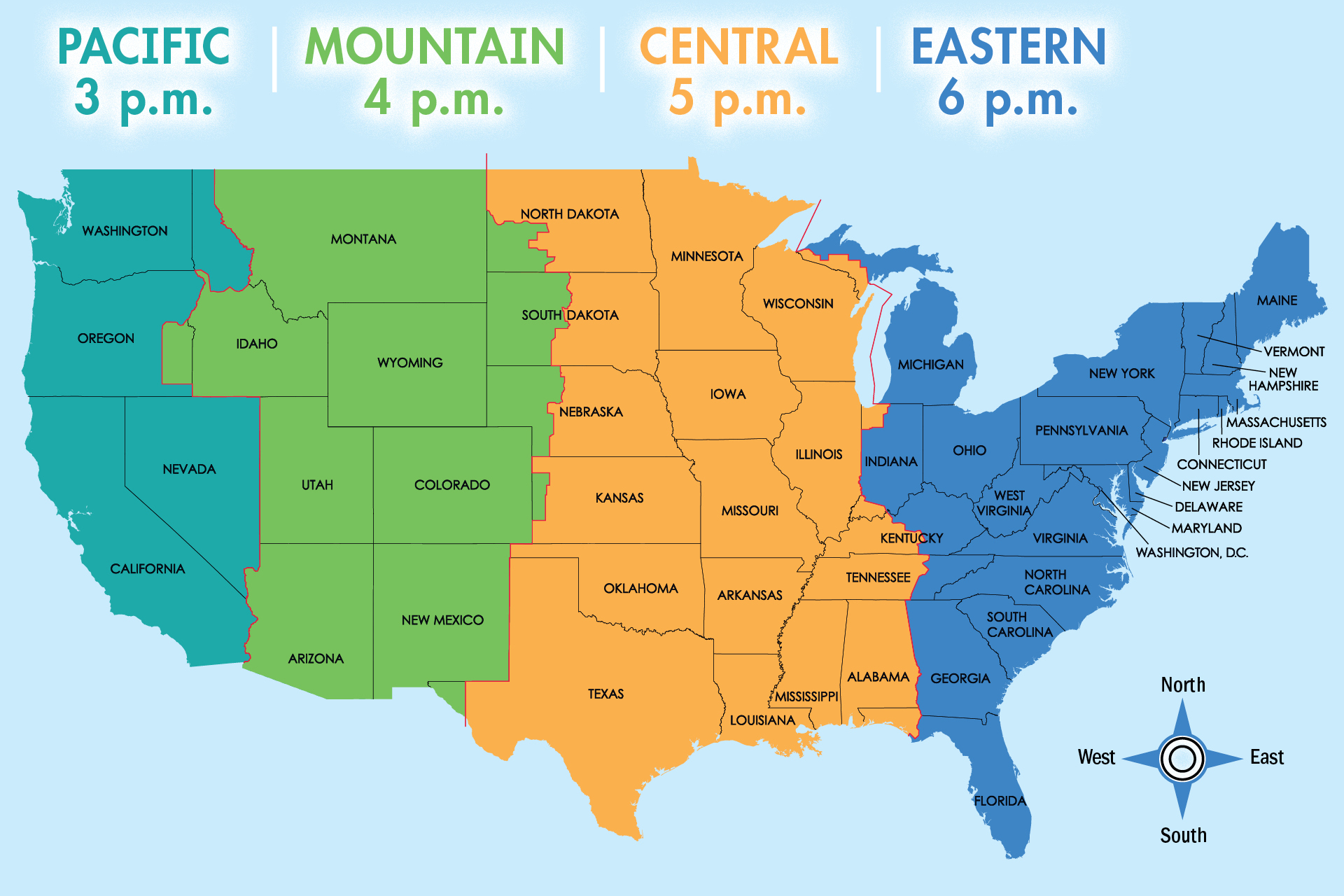
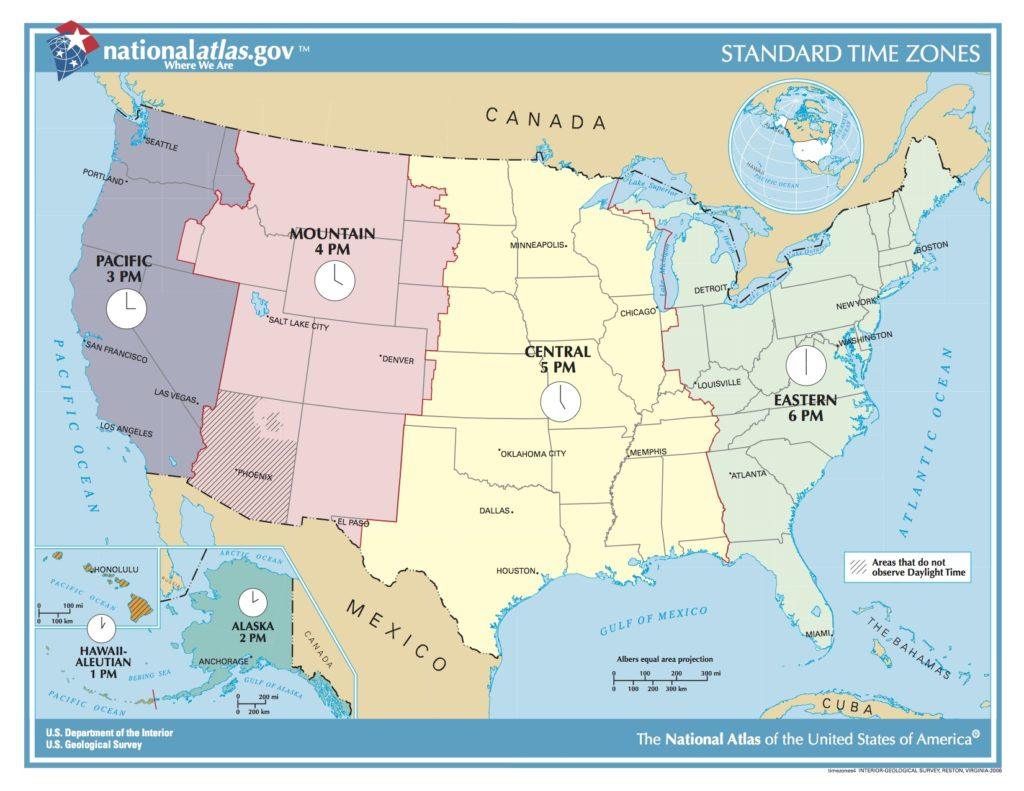
Colorado primarily operates on Mountain Time Zone (MT). This means it observes Mountain Standard Time (MST) during the colder months, which is UTC-7, and shifts to Mountain Daylight Time (MDT) in the warmer months, at UTC-6. This twice-yearly adjustment, in observance of Daylight Saving Time, is crucial for visitors to factor into their arrangements. Whether you’re flying in from the East Coast or planning a business meeting with clients on the West Coast, understanding this temporal rhythm is key to a seamless and stress-free Colorado experience.
Navigating Colorado’s Time Zone: A Traveler’s Essential Guide
The difference of an hour or two might seem minor, but when you’re crossing multiple time zones, it can have a significant impact on your body clock and your travel schedule. Colorado’s Mountain Time Zone positions it centrally in the continental United States, offering a unique perspective on managing travel logistics.
Understanding Mountain Time (MT)
The Mountain Time Zone encompasses several western states and parts of Canada and Mexico. For the majority of the year, from early November to mid-March, Colorado observes Mountain Standard Time (MST), which is seven hours behind Coordinated Universal Time (UTC-7). However, as spring arrives, the clocks “spring forward” for Daylight Saving Time, moving to Mountain Daylight Time (MDT), which is six hours behind UTC (UTC-6). This change typically occurs on the second Sunday in March and reverts on the first Sunday in November.
For travelers arriving from other parts of the United States, this means a two-hour difference from Eastern Time, a one-hour difference from Central Time, and a one-hour difference ahead of Pacific Time. For international travelers, especially those coming from Europe or Asia, the time difference can be substantial, leading to potential jet lag. Being prepared for this shift is crucial for your well-being and to maximize your enjoyment of the trip. Gradually adjusting your sleep schedule a few days before departure, staying hydrated, and exposing yourself to natural light upon arrival are common strategies to mitigate the effects of jet lag.

Why Time Matters for Your Colorado Journey
The precise time in Colorado impacts every facet of your trip, from the moment you book your flight to the minute you check out of your accommodation. Being aware of the local time ensures smooth transitions and allows you to fully immerse yourself in the experiences Colorado has to offer.
Flights & Transportation
Booking flights requires meticulous attention to time zones. An arrival time listed as “2 PM MST” might mean 4 PM EST to you, so double-checking all itineraries is paramount. Denver International Airport (DIA), one of the busiest airports in the world, sees millions of passengers annually. Knowing the local time helps you plan your ground transportation, whether it’s a shuttle, taxi, or rental car pickup, ensuring you don’t miss connections or appointments. If you’re utilizing Amtrak or inter-city buses, departure and arrival times are strictly adhered to, and punctuality is crucial. Remember that flight delays can further complicate schedules, making a robust awareness of time even more critical.
Accommodation Check-ins/Check-outs
Most hotels, resorts, apartments, and villas in Colorado have standard check-in times around 3 PM or 4 PM MT and check-out times around 11 AM or 12 PM MT. Arriving too early or too late without prior arrangement can lead to complications. If you anticipate an early arrival due to a red-eye flight, consider booking the room for the night before or arranging for an early check-in. Conversely, if your departure is later in the day, a late check-out can provide valuable extra hours to explore or relax, though it often comes with an additional fee. Communicating your arrival and departure times with your accommodation provider is always a good practice, especially if you’re staying at smaller boutique hotels or private vacation rentals.
Activities & Attractions
Colorado’s myriad attractions, from stunning national parks like Rocky Mountain National Park to world-class ski resorts such as Vail and Aspen, all operate on local Mountain Time. Museums, art galleries, historic sites, and guided tours have specific opening and closing hours, and many require advance booking, often with time slots. Missing a reserved slot due to a time zone miscalculation can be disappointing and costly. When planning outdoor adventures like hiking, rafting, or skiing, it’s vital to respect the clock to ensure you have ample daylight for your activities and safe return before nightfall, especially in mountainous terrain where conditions can change rapidly.
Time-Sensitive Adventures: Exploring Colorado’s Diverse Landscape
Colorado offers an unparalleled array of experiences, each best enjoyed with an eye on the clock. From dawn-breaking outdoor pursuits to vibrant evening entertainment, understanding the optimal times enhances every moment of your journey.
Making the Most of Daylight: Outdoor Escapes
The expansive outdoors is where Colorado truly shines, and daylight hours are precious here.
Rocky Mountain National Park: This iconic national park is a wonderland of jagged peaks, alpine lakes, and abundant wildlife. Early mornings are often the best for wildlife viewing, when animals are most active and trails are less crowded. Planning your hiking excursions to begin shortly after sunrise allows you to maximize your time on the trails and experience the tranquility of the mountains before the midday rush. Always account for the sun setting earlier in the higher elevations, especially in fall and winter.
Skiing & Snowboarding: Colorado’s famed ski resorts like Breckenridge, Vail, and Aspen typically open their lifts around 8:30 or 9:00 AM MT and close between 3:30 and 4:30 PM MT. Arriving early not only gets you first tracks on fresh powder but also allows you to enjoy more runs before the lifts close. Planning for lunch around 12:00 PM to 1:00 PM can help avoid peak cafeteria times.
Summer Activities: White water rafting on the Colorado River or Arkansas River often has scheduled morning and afternoon departures, making it critical to adhere to tour times. Mountain biking trails, scenic drives up Pikes Peak, or exploring the unique rock formations at Garden of the Gods are also best enjoyed during daylight, allowing for optimal visibility and safety. The long summer days mean more hours for adventure, but always remember to monitor weather forecasts, as afternoon thunderstorms are common in the mountains.
Evening Experiences & Urban Delights
As the sun sets over the Rockies, Colorado’s cities and towns come alive with diverse evening activities.
Denver’s Culinary Scene: The capital city, Denver, boasts a thriving culinary landscape. Many popular restaurants, especially those in areas like Larimer Square or the RiNo Art District, require advance dinner reservations, particularly on weekends. Happy hour specials typically run from 3 PM to 6 PM MT, offering a great way to unwind after a day of exploration.
Concerts & Events: Red Rocks Amphitheatre, arguably one of the most iconic music venues in the world, hosts concerts and events primarily in the evenings. Doors usually open a couple of hours before the show starts, allowing time to enjoy the breathtaking views and find your seats. Checking specific event times and planning your travel to and from the venue is essential, as traffic can be heavy. Similarly, sports events featuring the Denver Broncos or Colorado Avalanche adhere to strict kick-off or puck-drop times.
Stargazing: Far from city lights, Colorado offers incredible opportunities for stargazing. Locations like Great Sand Dunes National Park and Preserve are designated International Dark Sky Parks. The best time for stargazing is typically after midnight, when the moon has set and the sky is darkest. Pack warm layers, even in summer, as mountain nights can get chilly.
Planning Your Colorado Stay: Time, Accommodation, and Lifestyle
Effective time management goes hand-in-hand with choosing the right accommodation and tailoring your trip to your personal lifestyle. Colorado offers diverse options, from luxurious ski-in/ski-out resorts to cozy Airbnb rentals, all of which benefit from careful temporal planning.
Optimizing Your Accommodation Schedule
When booking your stay, always confirm the check-in and check-out times in Mountain Time. This is especially critical if you are traveling from a distant time zone and your body clock is still adjusting. Many hotels and resorts offer amenities that can help you adapt. For instance, an early morning arrival might allow you to use the hotel’s fitness center or spa to refresh before your room is ready. Some high-end luxury resorts like The Broadmoor in Colorado Springs or Four Seasons Resort and Residences Vail offer exceptional concierge services that can assist with early luggage storage or provide access to lounge areas.
For longer stays, establishing a routine that aligns with the local time can greatly improve your comfort. This means planning your meals, work (if applicable), and leisure activities around the Mountain Time schedule. When comparing accommodation options, consider how their operating hours for facilities like swimming pools, restaurants, or shuttle services fit into your daily itinerary. Reading reviews specifically mentioning check-in/check-out flexibility or communication around timings can also be very helpful.
Tailoring Your Colorado Time: Different Travel Lifestyles
Colorado caters to a wide spectrum of travel styles, and each approach benefits from a time-conscious strategy.
Family Travel: Traveling with children often means adhering to strict schedules for naps, meals, and bedtimes. Understanding Colorado’s time zone allows parents to plan kid-friendly activities during peak energy hours and ensure ample downtime. Many attractions, like the Denver Zoo or Children’s Museum of Denver, have specific operating hours and often offer quieter times earlier in the morning. Resorts like Keystone Resort are designed with family schedules in mind, offering diverse activities throughout the day.
Business Travel: For those on a business trip to cities like Denver or Boulder, managing meetings across different time zones is a common challenge. Being aware of the local time for calls and presentations is non-negotiable. Many business hotels offer 24-hour business centers and flexible dining options to accommodate varying schedules. Consider how the time difference impacts your communication with colleagues or clients back home and plan your work blocks accordingly.
Luxury & Relaxation: If your trip is focused on indulgence and unwinding, time takes on a different meaning. Spa appointments at The St. Regis Aspen Resort or leisurely gourmet dining experiences require reservations. A flexible schedule allows for late mornings, unhurried meals, and extended relaxation. However, popular activities still have operating hours; for example, the soothing waters of Glenwood Hot Springs Resort have specific opening and closing times, even for luxury guests.
Budget & Adventure: Budget travelers and avid adventurers often pack their itineraries to maximize every moment. Early starts can mean cheaper entry fees or beating the crowds to popular trails. Planning meals around grocery store hours or finding happy hour deals can save money. Being vigilant about the clock helps avoid unexpected costs like late check-out fees or missing a pre-booked, non-refundable tour. Efficient time management is a cornerstone of maximizing value and experience on a budget.
In conclusion, “What time is it in Colorado?” is a question that opens the door to a more informed, enjoyable, and efficient travel experience. From the moment you begin planning to the final leg of your journey, a clear understanding of Mountain Time – whether Standard or Daylight – empowers you to make the most of every adventure. By factoring in time zones for flights, accommodation, and all your chosen activities, you’ll be well-prepared to embrace the unparalleled beauty, culture, and excitement that Colorado graciously offers, ensuring your trip flows as smoothly as the Colorado River itself. Always keep a reliable timepiece or smartphone set to local time, and you’re set for an unforgettable Colorado journey.
LifeOutOfTheBox is a participant in the Amazon Services LLC Associates Program, an affiliate advertising program designed to provide a means for sites to earn advertising fees by advertising and linking to Amazon.com. Amazon, the Amazon logo, AmazonSupply, and the AmazonSupply logo are trademarks of Amazon.com, Inc. or its affiliates. As an Amazon Associate we earn affiliate commissions from qualifying purchases.