
Texas, a land of sprawling landscapes, vibrant cities, and rich history, invites travelers to step into a world where time seems to take on a unique rhythm. The question “What time is it now in Texas?” can be answered literally by checking a clock, revealing the state’s two time zones. However, for the discerning traveler, this question opens up a deeper exploration of timing a visit, savoring every moment, and experiencing the diverse tapestry of the Lone Star State at its best. From its bustling metropolises to its serene natural wonders, Texas offers a timeless journey, where every hour can lead to a new adventure. Understanding the nuances of Texas time—both on the clock and in terms of seasonal rhythms and cultural pulsations—is key to unlocking an unforgettable travel experience.
Navigating the Texas Time Zones: Central vs. Mountain
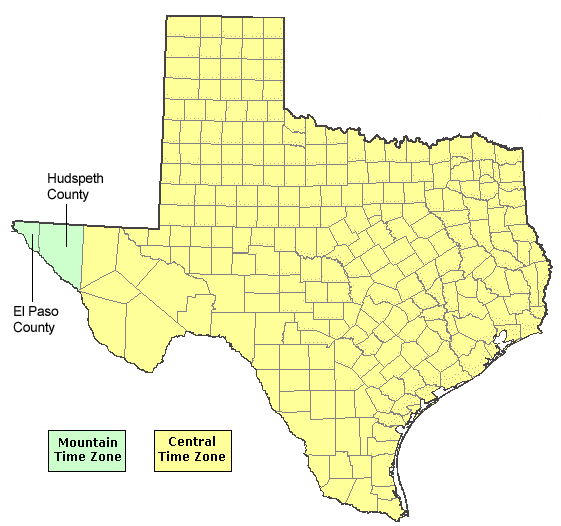
When you ask, “What time is it now in Texas?”, the most immediate answer involves geography. Texas is unique among states that primarily occupy one time zone, as it straddles two. The vast majority of the state, including its major urban centers and popular tourist destinations, observes Central Time (CT). However, a small, but significant, portion of West Texas operates on Mountain Time (MT). This geographical split is crucial for travelers planning their itineraries, especially those venturing into the state’s western reaches.
Understanding the Geographical Divide
The distinction between Central Time and Mountain Time in Texas is drawn along the western edge of the Central Time Zone. Primarily, El Paso County and Hudspeth County, along with a sliver of Culberson County near the New Mexico border, observe Mountain Time. This means that if you’re traveling from Houston to El Paso, you’ll need to adjust your watch back an hour upon arrival in El Paso. This often catches unsuspecting visitors off guard, especially those driving long distances across the state. The remaining 252 counties of Texas, encompassing iconic cities like Dallas, Austin, and San Antonio, adhere to Central Time. Both zones observe Daylight Saving Time, so the relative difference remains constant throughout the year.
Practical Implications for Travelers
For travelers, understanding these time zones is more than just a trivial fact; it has practical implications for booking accommodations, scheduling flights, and planning activities. When making reservations for hotels or tours in El Paso, always confirm the local time. Flight schedules into and out of El Paso International Airport will reflect Mountain Time. Similarly, if you plan to visit natural landmarks like Guadalupe Mountains National Park or Big Bend National Park, which are predominantly in the Central Time portion of West Texas but can be accessed from the Mountain Time zone, a careful check of opening and closing times is essential. Always double-check event start times and business hours, especially if your itinerary involves crossing the time zone boundary. This small detail can make a big difference in ensuring a smooth and stress-free journey through the vastness of Texas.
Beyond the Clock: Timing Your Perfect Texas Adventure
While knowing the literal time is essential, the question “What time is it now in Texas?” also alludes to the optimal time to experience its wonders. Texas boasts a diverse climate and an equally diverse calendar of events, making the timing of your visit crucial for unlocking specific travel experiences. From scorching summers to mild winters, and from vibrant music festivals to quiet natural retreats, the best time to visit Texas largely depends on what kind of adventure you seek.
Seasonal Splendors: Best Times to Visit
Texas weather varies dramatically across its vast expanse and throughout the year. Generally, the most pleasant times to visit the majority of the state are spring (March to May) and fall (September to November). During these seasons, temperatures are moderate, making it ideal for exploring cities, hiking in state parks, or enjoying outdoor attractions.
- Spring brings a riot of wildflowers, most famously the bluebonnets that carpet the Texas Hill Country. This is a prime time for road trips, visiting vineyards, and enjoying festivals. Cities like Austin and San Antonio buzz with outdoor dining and river activities.
- Fall offers crisp air, beautiful foliage in East Texas, and comfortable conditions for hiking in Big Bend National Park or exploring the historical sites of San Antonio. It’s also a fantastic season for sports events and outdoor concerts.
- Summer (June to August) can be intensely hot, particularly in inland areas. While coastal regions like Galveston and South Padre Island offer beach escapes, and rivers like the Guadalupe River provide opportunities for tubing, outdoor exploration in cities or deserts can be challenging. However, many indoor attractions, water parks, and air-conditioned venues thrive during this period.
- Winter (December to February) is generally mild, especially in South Texas, making it a popular escape for those fleeing colder northern climates. Cities like Houston and Dallas offer festive holiday decorations, ice skating rinks, and a full calendar of indoor cultural events. However, northern parts of the state can experience occasional freezes and even snow.
Festivals, Events, and Local Rhythms
Texas’s calendar is packed with events that celebrate its diverse culture, music, food, and arts. Timing your visit to coincide with one of these can elevate your experience from a simple trip to a deep dive into local life.
- Music lovers flock to Austin, the “Live Music Capital of the World,” for events like South by Southwest (SXSW) in March and Austin City Limits Music Festival in October.
- Foodies can plan around countless BBQ cook-offs, Tex-Mex festivals, and chili competitions across the state, or specifically target cities known for their culinary scenes like Houston and Dallas.
- History buffs might aim for commemorative events at the Alamo in San Antonio or various Civil War reenactments. The San Antonio Stock Show & Rodeo in February offers a glimpse into Texas’s Western heritage, as do similar events in Houston and Fort Worth.
- For those seeking a unique cultural immersion, the German heritage festivals in towns like Fredericksburg and New Braunfels during the fall are not to be missed.
Checking local event calendars well in advance is highly recommended, as popular festivals can lead to fully booked accommodations and increased prices. Aligning your trip with these local rhythms ensures you capture the true spirit of Texas.
Immersive Texas Experiences: Making Every Moment Count
Texas is a state of superlatives, where every moment can be filled with grand experiences. From the cosmopolitan flair of its major cities to the rugged beauty of its national parks, the Lone Star State offers a spectrum of travel opportunities that cater to every interest. Crafting an itinerary that maximizes your time requires a blend of planning and spontaneity, allowing you to delve into the diverse landscapes, vibrant culture, and delicious cuisine that define Texas.
From Bustling Cities to Serene Landscapes
Texas’s sheer size means it encompasses vastly different environments, each offering unique attractions.
- Urban Wonders:
- Houston, the largest city, is a hub for space exploration with NASA Space Center Houston, a world-class culinary scene, and a thriving arts district. Its diverse neighborhoods offer endless exploration.
- Dallas captivates with its iconic skyline, upscale shopping in areas like Highland Park Village, and significant historical sites such as the Sixth Floor Museum at Dealey Plaza. The Arts District is one of the largest in the U.S.
- Austin, the state capital, pulses with live music, innovative tech, and an eccentric “Keep Austin Weird” ethos. The State Capitol Building is a stunning architectural landmark. The city also offers beautiful outdoor spaces like Zilker Park and Barton Springs Pool.
- San Antonio is steeped in history, home to the revered Alamo and the picturesque River Walk. Its Spanish colonial missions, including the San Antonio Missions National Historical Park, are UNESCO World Heritage Sites.
- Fort Worth, adjacent to Dallas, embraces its Western heritage with the historic Stockyards National Historic District, daily cattle drives, and authentic rodeos.
- Natural Retreats:
- For outdoor enthusiasts, Big Bend National Park in West Texas offers unparalleled hiking, stargazing, and river adventures along the Rio Grande. Its remote beauty is truly timeless.
- Guadalupe Mountains National Park boasts the four highest peaks in Texas, including Guadalupe Peak, offering strenuous but rewarding hikes and breathtaking vistas.
- The Texas Gulf Coast provides miles of sandy beaches, birdwatching opportunities, and fresh seafood in charming coastal towns.

Savoring Texas: Food, Culture, and Local Activities
No visit to Texas is complete without indulging in its legendary culinary scene and immersing yourself in its unique cultural tapestry.
- Food: Texas is synonymous with BBQ. Pitmasters across the state smoke brisket, ribs, and sausage to perfection. Famous joints often have lines stretching out the door, a testament to their timeless appeal. Tex-Mex cuisine is another cornerstone, from sizzling fajitas to hearty breakfast tacos. Don’t forget to try the state’s official dish, chili con carne, or a sweet kolache, a nod to Czech heritage in Central Texas.
- Culture: The state’s culture is a vibrant blend of Southern hospitality, Western grit, Mexican influence, and modern innovation. Catch a live music show in Austin, explore world-class museums in Houston and Dallas, or experience a traditional rodeo in Fort Worth. Art galleries, historic sites, and independent theaters abound, offering insights into the diverse communities that shape Texas.
- Activities: Beyond the standard tourist attractions, engage in local activities. Float down a river in the Hill Country, explore quirky roadside attractions, attend a local high school football game (a true Texas institution), or spend a day browsing antique shops in small towns. These experiences offer a glimpse into the everyday life that makes Texas so special.
Where to Stay When Time is of the Essence: Texas Accommodations
Selecting the right accommodation is paramount to making the most of your time in Texas, whether you’re seeking a luxurious escape, a family-friendly stay, or a convenient base for business. The state offers an extensive range of options, from opulent resorts and boutique hotels to budget-conscious motels and unique vacation rentals, each promising a distinctive experience tailored to various travel styles and budgets.
Luxury Retreats and Boutique Stays
For those seeking an elevated experience, Texas boasts a collection of world-class hotels and resorts that define luxury.
- In Austin, the Four Seasons Hotel Austin offers refined elegance with stunning views of Lady Bird Lake, while Hotel ZaZa Austin brings a vibrant, eclectic energy.
- Houston is home to the lavish The Post Oak Hotel at Uptown Houston, a five-diamond property known for its exquisite dining and extensive amenities.
- In San Antonio, Hotel Emma, housed in a former 19th-century brewhouse at the Pearl District, offers a unique blend of industrial chic and Southern charm, consistently ranking among the nation’s top hotels.
- Dallas features properties like The Joule Dallas, a boutique hotel renowned for its art collection and dramatic rooftop pool, and the Ritz-Carlton, Dallas for classic luxury.
These establishments often come equipped with high-end amenities such as full-service spas, gourmet restaurants, expansive pools, and concierge services, ensuring that every moment of your stay is steeped in comfort and sophistication. Boutique hotels, often located in historic districts, offer a more intimate and character-filled experience, providing a deep connection to local culture and design.
Budget-Friendly Options and Unique Lodgings
Texas also caters extensively to budget-conscious travelers and those seeking more unique, authentic accommodation experiences.
- Major cities and tourist hubs offer a wide array of reputable chain hotels and motels that provide comfortable stays without breaking the bank. These often include essential amenities like complimentary breakfast, Wi-Fi, and fitness centers, making them excellent choices for families or business travelers focused on practicality.
- For travelers looking for something different, Texas has a burgeoning market for vacation rentals, including apartments, villas, and cabins available through platforms like Airbnb and VRBO. These options can provide more space, privacy, and the convenience of kitchen facilities, making them ideal for longer stays, groups, or families.
- The Texas Hill Country is particularly known for its charming bed & breakfasts and unique glamping sites, offering rustic elegance or a closer connection to nature. From renovated Airstreams to treehouses and eco-friendly cabins, these distinctive lodgings provide memorable experiences that are a departure from traditional hotel stays.
- For outdoor enthusiasts, state parks and national parks across Texas offer well-maintained campgrounds for tents and RVs, allowing for an immersive natural experience under the wide-open Texas sky, a truly timeless way to experience the state.
When choosing accommodation, consider your itinerary and the type of experience you desire. Proximity to attractions, transportation options, and the availability of desired amenities should all factor into your decision. Booking in advance, especially during peak seasons or major events, is always advisable to secure the best rates and availability.
Crafting Your Texas Itinerary: A Timeless Journey
Ultimately, the answer to “What time is it now in Texas?” is more than a simple timestamp; it’s an invitation to embark on a journey where every moment can be savored. Crafting an itinerary that balances exploration with relaxation, and urban adventure with natural serenity, ensures that your time in Texas is not just spent, but truly lived. Whether you’re traveling for business, pleasure, or a blend of both, thoughtful planning allows you to maximize your Texas moments and create memories that will last a lifetime.
Planning for Business or Leisure
Texas is a major hub for both business and leisure travel, and many visitors find themselves combining aspects of both.
- Business Stays: For business travelers, major cities like Houston, Dallas, and Austin offer world-class convention centers, corporate hotels, and efficient transport networks. When planning a business trip, consider hotels with dedicated workspaces, high-speed internet, and convenient access to meeting locations. Factor in potential traffic, especially during peak hours in large cities, to ensure punctuality. If you have limited free time, identify key attractions near your hotel or conference venue that can be visited quickly, perhaps the Dallas Arts District or a quick stroll along the Houston Museum District.
- Leisure Trips: Leisure travelers have the luxury of more flexible itineraries. Focus on experiences that resonate with your interests:
- Family Trips: Look for resorts with kid-friendly pools, attractions like Six Flags Over Texas near Dallas, or educational centers like Space Center Houston. Many cities have interactive museums and vast parks perfect for families.
- Luxury Travel: Indulge in high-end dining, exclusive shopping, and stays at opulent resorts. Consider guided tours that offer VIP access or curated experiences, such as private wine tastings in the Hill Country.
- Budget Travel: Texas offers plenty of free or low-cost activities. Explore state parks (many have minimal entry fees), visit free museums on specific days, enjoy food trucks, and attend open-air markets. Opt for hostels or budget-friendly hotels and utilize public transportation where available.

Maximizing Your Texas Moments
To truly make the most of your time in Texas, consider these tips:
- Prioritize: Given the state’s size, it’s impossible to see everything in one trip. Decide what type of experience is most important to you (e.g., city exploration, natural beauty, historical immersion) and focus your itinerary accordingly.
- Rent a Car: While major cities have public transport, a car is almost essential for exploring the wider state, especially for reaching national parks or smaller towns. This offers the freedom to explore at your own pace and discover hidden gems.
- Stay Hydrated and Sun-Safe: Texas weather can be intense. Always carry water, wear sunscreen, and dress appropriately for the season, especially if you plan to spend time outdoors.
- Embrace the Food Scene: Don’t just eat; experience Texas through its cuisine. Seek out local favorites, from hole-in-the-wall BBQ joints to upscale Tex-Mex restaurants.
- Engage with Locals: Texans are known for their friendliness. Strike up conversations, ask for recommendations, and you might discover some of the best-kept secrets of the state.
From understanding its dual time zones to timing your visit for optimal weather and events, and from choosing the perfect accommodation to immersing yourself in its rich culture, every aspect of your Texas journey contributes to a truly memorable experience. So, as you plan your adventure, remember that in Texas, time isn’t just measured by the clock; it’s measured by the richness of the moments you create.
LifeOutOfTheBox is a participant in the Amazon Services LLC Associates Program, an affiliate advertising program designed to provide a means for sites to earn advertising fees by advertising and linking to Amazon.com. Amazon, the Amazon logo, AmazonSupply, and the AmazonSupply logo are trademarks of Amazon.com, Inc. or its affiliates. As an Amazon Associate we earn affiliate commissions from qualifying purchases.