
When planning a trip to the Golden State, one of the most fundamental questions you might ask, often subconsciously, revolves around “What time right now in California?” While seemingly simple, understanding the local time isn’t just a matter of adjusting your watch; it’s a cornerstone of seamless travel planning, optimizing your itinerary, and ensuring a truly memorable experience amidst California’s diverse attractions. From coordinating flights and hotel check-ins to scheduling iconic landmark visits and enjoying the vibrant local lifestyle, being in sync with California’s clock is paramount. This comprehensive guide will delve into the intricacies of California’s time zone, its practical implications for tourism and accommodation, and how you can master time management to make the most of your California adventure.
Understanding California’s Time Zone: Pacific Standard Time (PST) and Pacific Daylight Time (PDT)
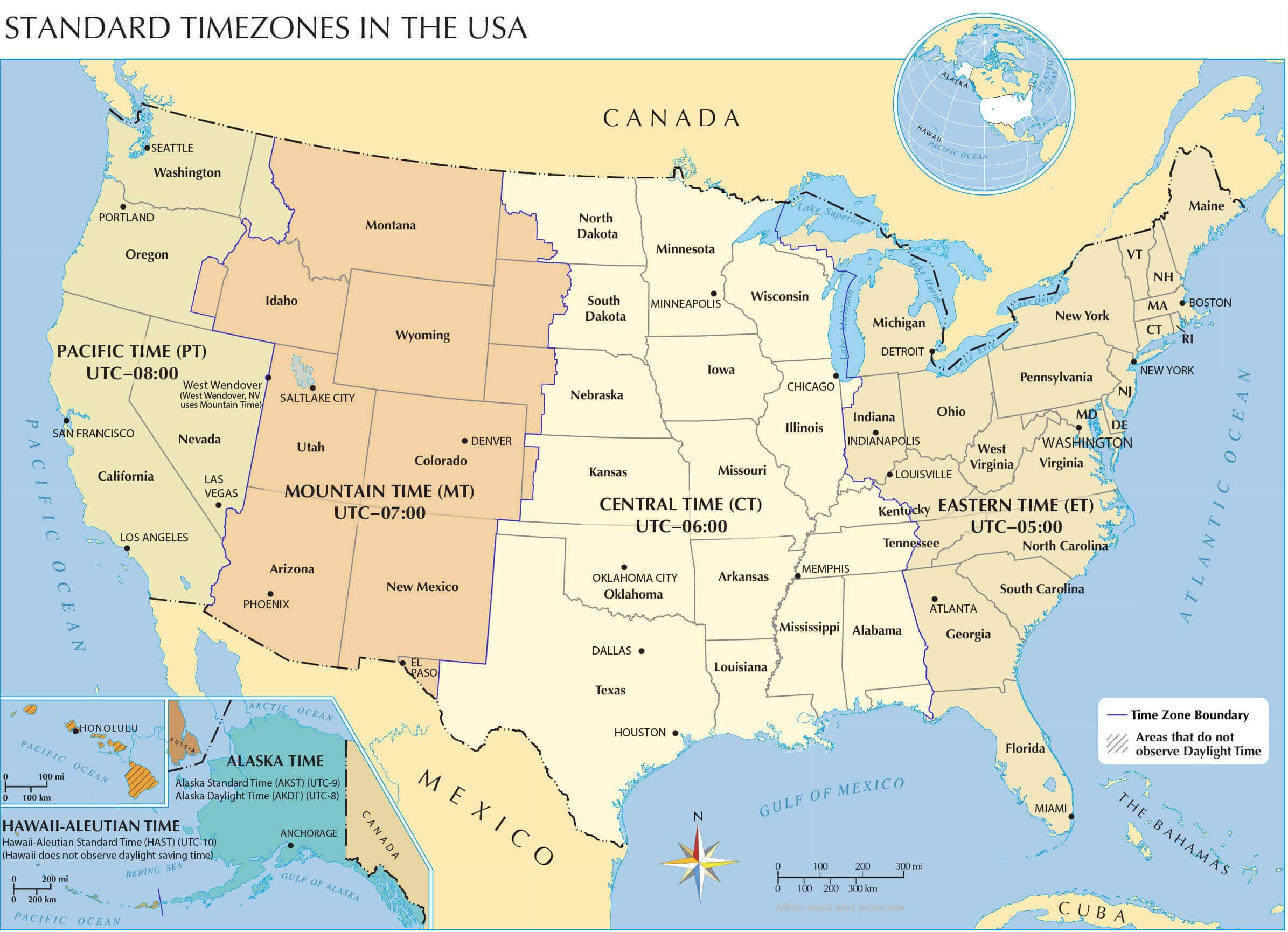
California operates predominantly on the Pacific Time Zone, which alternates between Pacific Standard Time (PST) and Pacific Daylight Time (PDT). This distinction is crucial for travelers, as it affects everything from flight schedules to the opening hours of attractions.
The Basics: PST vs. PDT and Daylight Saving
During the fall and winter months, from early November to mid-March, California observes PST. This means the local time is eight hours behind Coordinated Universal Time (UTC-8). As spring approaches, typically on the second Sunday in March, the state “springs forward” into PDT, moving the clocks forward by one hour. PDT is seven hours behind UTC (UTC-7) and remains in effect until the first Sunday in November, when clocks “fall back” to PST.
The concept of Daylight Saving Time is designed to make better use of daylight, providing longer evenings during warmer months. For visitors, this means that if your trip spans across these transition dates, you’ll need to adjust your internal clock and external schedules accordingly. A common oversight is forgetting to account for the time change, which can lead to missed appointments, early arrivals for attractions that haven’t opened yet, or even late check-outs from your hotel. Always confirm whether the current date falls within PST or PDT when making plans for your travel itinerary or bookings.

Time Differences Across the United States and Beyond
For domestic travelers, the time difference can be substantial. If you’re flying from the East Coast (Eastern Time Zone, ET), California will be three hours behind. This means a 9 AM meeting in New York City would be 6 AM in Los Angeles. From the Central Time Zone (CT), it’s a two-hour difference, and from the Mountain Time Zone (MT), it’s one hour. These differences are critical for coordinating calls, setting expectations for arrival times, and minimizing the effects of jet lag.
International visitors face even larger time adjustments. Travelers from Europe, for example, will typically experience an eight or nine-hour time difference (depending on Daylight Saving in both locations). For those arriving from Asia or Australia, the difference can be even more pronounced, potentially spanning a full day or more. Understanding these disparities is the first step in preparing for a smooth transition and ensuring you arrive refreshed and ready to explore California’s vibrant culture and natural beauty.
Time-Sensitive Travel Planning: Optimizing Your California Experience
Beyond just knowing the current hour, integrating California’s time into your travel planning ensures you maximize every moment. From booking flights to dining, every aspect of your trip has a temporal element, vital for successful tourism and enjoyable experiences.
Flights, Check-ins, and Accommodations
When booking flights, always double-check the time zone conversions for both departure and arrival. A flight departing New York at 6 PM ET and arriving in Los Angeles at 9 PM PT might seem like a quick three-hour journey, but in reality, it’s a six-hour flight. Miscalculations can lead to undue stress, missed connections, or even arriving too late to pick up a rental car or check into your accommodation.
Upon arrival, coordinating with your accommodation provider is key. Most hotels, resorts, and vacation rentals have standard check-in times (often 3 PM or 4 PM local time) and check-out times (typically 11 AM or 12 PM). If you’re arriving early or departing late, communicating with the front desk or host in advance, considering their local time, can help arrange for early check-in or late check-out, potentially saving you from hours of waiting. Many luxury hotels or boutique properties like the Waldorf Astoria Beverly Hills or a charming villa in Napa Valley are particularly accommodating if given prior notice. Similarly, if you plan to stay in a long-term apartment rental or a suite, knowing the owner’s local hours of availability for key exchange is essential. Managing jet lag proactively is also part of time-sensitive planning. Adjusting your sleep schedule a few days before your trip and exposing yourself to natural light upon arrival in California can significantly alleviate its effects, allowing you to enjoy your chosen amenities from the moment you arrive.
Mastering Attractions, Dining, and Tours
California boasts an incredible array of attractions, from theme parks like Disneyland Resort in Anaheim and Universal Studios Hollywood in Los Angeles to world-class museums and breathtaking national parks like Yosemite and Joshua Tree. All of these operate on strict local time schedules. Always check their official websites for current opening and closing hours, especially since these can vary by season, day of the week, or special events. Arriving too early could mean waiting in long lines before opening, while arriving too late could mean missing out on key experiences, like the last tram tour or show.
Dining in California is an experience in itself, with diverse culinary scenes in cities like San Francisco, San Diego, and Los Angeles. Making restaurant reservations, particularly for popular spots or during peak dining hours (typically 6 PM to 9 PM PT), requires awareness of the local clock. Missing a reservation due to a time zone miscalculation can be a significant disappointment, especially if you’re hoping to experience one of California’s famed gastronomic destinations.
Similarly, guided tours – whether it’s a Hollywood studio tour, a whale watching excursion from Monterey Bay, or a wine tasting tour in Sonoma Valley – often have strict start times. Arrive punctually to ensure you don’t miss your slot and to respect other participants. For spectacular photo opportunities, consider visiting landmarks like the Golden Gate Bridge or Griffith Observatory around sunrise or sunset – these times offer unparalleled beauty, but require precise timing based on the local solar calendar.
Lifestyle and Connectivity: Bridging the Time Gap in California
The impact of California’s time zone extends beyond just travel itineraries; it profoundly influences your ability to connect with the outside world and immerse yourself in the local rhythm, shaping your entire lifestyle during your stay.
Business and Remote Work Considerations
For those traveling for business or engaging in remote work, the time difference is a critical factor. Scheduling virtual meetings with colleagues on the East Coast (three hours ahead) or in Europe (eight or nine hours ahead) requires careful planning to find a mutually convenient window. An 8 AM PT meeting is already 11 AM ET and potentially 7 PM in Paris. This consideration also applies to freelancers or digital nomads seeking co-working spaces or needing to meet deadlines that align with different time zones. Understanding these overlaps helps maintain productivity and avoids miscommunication. California is a hub for innovation and remote work, with many boutique hotels and resorts offering excellent business amenities, including high-speed internet and quiet workspaces, but knowing the best hours for international communication is key to a successful business stay.
Connecting with Loved Ones Back Home
Staying connected with family and friends is a vital part of any travel experience. The time difference can make simple phone calls or video chats a logistical puzzle. A spontaneous call to family in London at 8 PM in Los Angeles would mean waking them up at 4 AM the next day. Being mindful of these disparities ensures you can share your California adventures without disrupting the schedules of those back home. Establishing a routine for calls or texts during their waking hours, or using apps that display multiple time zones, can simplify this process and allow for quality connection.
Experiencing California’s Rhythm
Beyond the practicalities, understanding California’s time allows you to truly embrace its unique lifestyle. The state often embodies a more relaxed pace, particularly in its approach to dining and social activities. Enjoying a leisurely brunch in Santa Monica, a late lunch in Beverly Hills, or a vibrant dinner and nightlife scene in Hollywood often means activities kick off later than they might in other parts of the world. Aligning your internal clock with this local rhythm can enhance your cultural immersion, allowing you to participate authentically in the state’s vibrant social fabric. Whether it’s a luxury travel experience enjoying sunset cocktails overlooking the Pacific Ocean or a budget travel adventure exploring local markets in the morning, time awareness enriches every planned activity, making your family trips or solo explorations more meaningful.
Tools and Tips for Seamless Time Management
Navigating time zones doesn’t have to be complicated. With the right tools and a few practical tips, you can ensure your California trip runs like clockwork, allowing you to focus on the myriad destinations and experiences that await.
Essential Apps and Gadgets
Most modern smartphones automatically update to the local time zone when you arrive, but it’s always wise to verify this feature is enabled. Beyond automatic updates, consider downloading a dedicated world clock app or utilizing built-in functionalities that allow you to track multiple time zones simultaneously. Apps like Google Clock, World Clock & Widget, or even your phone’s native clock app can display the current time in California alongside your home time zone. This visual aid is invaluable for scheduling. Additionally, for complex itineraries involving multiple bookings, using a digital calendar that automatically adjusts event times based on your current location (like Google Calendar or Outlook Calendar) is a lifesaver, keeping all your travel guides and reservations perfectly aligned.
Practical Tips for Travelers
- Always Double-Check: Before making any booking, reservation, or appointment, explicitly confirm the time zone. A simple “Is that 3 PM Pacific Time?” can save a lot of headaches and prevent missed opportunities.
- Set Multiple Alarms: For crucial events like early morning tours or flight departures, set alarms for both your original time zone and the local California time, if that helps you internalize the change.
- Communicate Clearly: When speaking with tour operators, hotel staff, or friends, specify the time zone if there’s any ambiguity. “I’ll call you at 6 PM PT” is clearer than just “I’ll call you at 6 PM.” This is particularly important for coordinating with long-term stay hosts or those managing multiple villas.
- Adjust Gradually to Jet Lag: If traveling across many time zones, try to shift your sleep schedule by an hour or two each day in the days leading up to your trip. Upon arrival, try to get immediate exposure to natural light and adhere to the local meal and sleep times as much as possible. Avoid heavy meals and excessive alcohol on your travel day.
- Utilize Hotel Services: Don’t hesitate to ask your hotel for a wake-up call or assistance with confirming local times for events. This is especially true in full-service resorts or luxury hotels where concierge services are designed to assist with such details, enhancing your overall travel experience and ensuring you fully enjoy all available amenities.
Knowing “What time right now in California?” is far more than a simple inquiry; it’s a foundational element for a well-orchestrated and enjoyable journey through the Golden State. By understanding the nuances of PST/PDT, planning your travel activities with temporal awareness, and leveraging simple tools, you can navigate California’s clock with confidence. This meticulous approach ensures that every moment of your trip, from landmark exploration to culinary delights and connecting with loved ones, unfolds seamlessly, leaving you free to immerse yourself fully in the unparalleled beauty and vibrancy of California.
LifeOutOfTheBox is a participant in the Amazon Services LLC Associates Program, an affiliate advertising program designed to provide a means for sites to earn advertising fees by advertising and linking to Amazon.com. Amazon, the Amazon logo, AmazonSupply, and the AmazonSupply logo are trademarks of Amazon.com, Inc. or its affiliates. As an Amazon Associate we earn affiliate commissions from qualifying purchases.