
Understanding the precise time in California might seem like a straightforward question, yet its implications stretch far beyond a simple glance at a clock. For travelers planning their next golden state adventure, business professionals coordinating across continents, or even residents navigating daily life, grasping California’s time zone is fundamental. The Golden State, renowned for its diverse landscapes, vibrant cities like Los Angeles and San Francisco, and a culture that blends innovation with laid-back charm, operates on a unique rhythm. This article delves into the specifics of California’s time, exploring its impact on travel, accommodation, tourism, landmarks, and the overall lifestyle within this captivating corner of the United States. From navigating flight schedules and hotel bookings to maximizing your visits to iconic landmarks and enjoying local experiences, knowing the time is your first step to a seamless and unforgettable journey.
Understanding California’s Time Zone: Pacific Standard Time (PST) and Pacific Daylight Time (PDT)
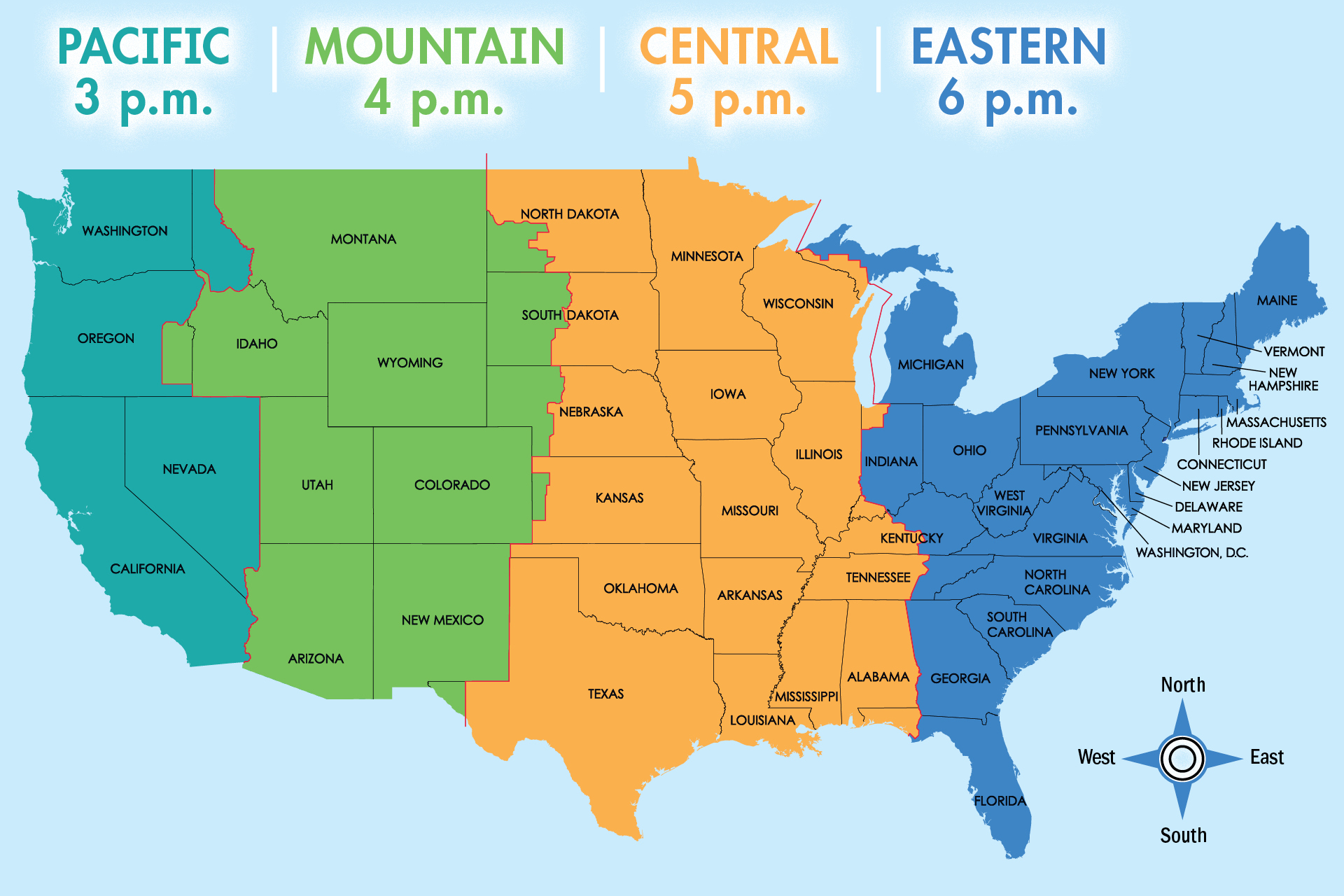
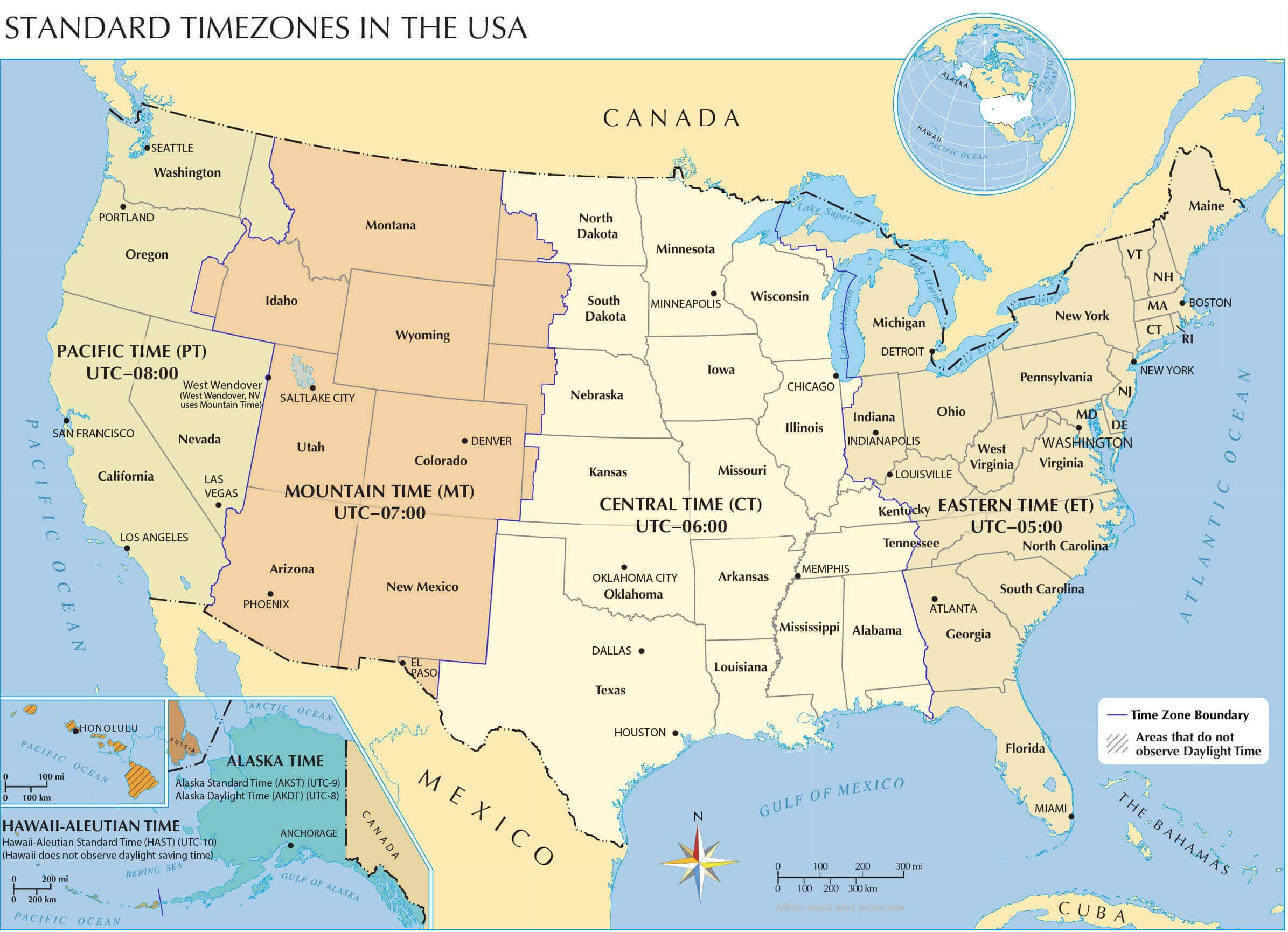
At its core, understanding what time it is in California revolves around its position within the Pacific Time Zone. This zone covers the westernmost states of the United States, parts of Canada, and a section of Mexico in North America. Unlike regions that remain on a fixed time, California observes Daylight Saving Time, meaning the clock changes twice a year.
The Basics of Pacific Time
During the standard period, from early November to mid-March, California observes Pacific Standard Time (PST). This time is 8 hours behind Coordinated Universal Time (UTC-8). When spring arrives, typically in the second Sunday of March, the clocks “spring forward” by one hour, initiating Pacific Daylight Time (PDT). During PDT, California is 7 hours behind Coordinated Universal Time (UTC-7). This shift remains in effect until the first Sunday in November, when clocks “fall back” one hour, returning to PST. This biannual adjustment, while familiar to many, can sometimes catch unsuspecting travelers off guard, impacting everything from flight itineraries to scheduled meetings. The debate around the necessity and effectiveness of Daylight Saving Time is ongoing, even in California, with discussions about potentially adopting a permanent time. However, for now, the twice-yearly change remains a key consideration for anyone engaging with the state.
Why California’s Time Zone Matters for Travel
The most immediate impact of California’s time zone is on travel. For visitors arriving from the East Coast of the United States, there’s a three-hour difference to contend with. Traveling from Europe or Asia often means a far more significant time difference, ranging from eight to sixteen hours or more, depending on the origin. This disparity directly influences factors such as arrival times, connecting flights, and the inevitable challenge of jet lag.
When booking flights, it’s crucial to confirm all times are listed in local time or clearly designated as UTC. An early morning arrival in Los Angeles might feel like mid-day to someone from New York, potentially disrupting plans for immediate activities. Similarly, returning home, the adjustment can be just as demanding. Travel guides and resources frequently emphasize the importance of accounting for time zone changes in your travel itineraries to avoid missed connections or premature exhaustion. Strategic planning, especially for long-haul travel, can significantly mitigate these challenges, ensuring a smoother transition and a more enjoyable start to your California experience.
Planning Your California Adventure: Time Zone Management for Travelers
Effective time zone management is paramount for any traveler looking to fully immerse themselves in the rich tapestry of experiences California offers. From securing the perfect accommodation to exploring world-famous landmarks, every aspect of your tourism journey can be optimized by a keen awareness of the clock.
Seamless Hotel Bookings and Accommodation
When it comes to hotel bookings and other forms of accommodation, local time is king. Standard check-in times, typically in the afternoon (e.g., 3:00 PM or 4:00 PM PST/PDT), and check-out times, often around mid-morning (e.g., 11:00 AM or 12:00 PM PST/PDT), are strictly adhered to by most establishments, from luxury resorts to cozy apartments and villas. Arriving significantly earlier than check-in or departing much later than check-out might incur additional fees or require you to store your luggage while you wait.
Beyond the basic logistics, the availability of hotel amenities can also be time-dependent. Spa appointments, restaurant reservations, and access to pools or fitness centers operate on local schedules. If you’re staying at a premier property like the Ritz-Carlton Laguna Niguel or the Waldorf Astoria Beverly Hills, understanding their operating hours is crucial for making the most of your stay. Booking tours or experiences through your hotel concierge also requires confirming start times in local California time. Reviewing accommodation booking confirmations carefully, especially those with international travel, is a simple yet effective tip to prevent any timing mix-ups. Whether you prefer the historic elegance of The Fairmont San Francisco or the seaside charm of Hotel del Coronado, aligning your personal schedule with the property’s hours ensures a smooth and relaxing experience.
Maximizing Tourism and Attraction Visits
California’s attractions are legendary, drawing millions of visitors annually. However, each landmark, theme park, or museum operates on its own specific schedule, all dictated by the Pacific Time Zone. Theme parks like Disneyland in Anaheim or Universal Studios Hollywood in Los Angeles often have extended hours during peak seasons but more restricted schedules off-peak. Planning your visit to coincide with opening times can help you beat the crowds, especially at popular spots such as the Hollywood Walk of Fame or Santa Monica Pier.
For natural wonders like Yosemite National Park or the breathtaking coastline of Big Sur, while access might be 24/7, specific visitor centers, scenic drives, or trailheads may have operational hours. Sunset viewing at the Griffith Observatory in Los Angeles is a quintessential experience, but you need to know the precise local sunset time to capture the magic. Similarly, tours to Alcatraz Island in San Francisco require pre-booked tickets for specific departure slots. Even cultural experiences, like wine tastings in Napa Valley or exploring historical sites like Hearst Castle, adhere to timed appointments or guided tours. Consulting official websites for current operating hours, especially considering any seasonal changes or public holidays, is an indispensable travel tip. A well-planned itinerary, synced with local time, ensures you don’t miss out on any of California’s iconic experiences, from the Golden Gate Bridge to the depths of Death Valley National Park.
Navigating the Golden State: Time and Lifestyle
Beyond the practicalities of travel and tourism, California’s time zone significantly shapes the daily rhythm of life, influencing everything from business operations to the laid-back lifestyle the state is famous for. Understanding this broader context enriches your appreciation of the Golden State.
Business and Communication Across Time Zones
For professionals, the three-hour time difference between California and the East Coast of the United States is a constant consideration. A 9 AM meeting in New York means 6 AM in Los Angeles, often requiring early starts for California-based colleagues. Conversely, an end-of-day task in San Francisco might stretch into late evening for collaborators in Europe or Asia. This dynamic impacts industries from tech in Silicon Valley to entertainment in Hollywood, where global communication is essential.
For those engaging in business while visiting, or residents with ties to other time zones, careful scheduling of calls, video conferences, and deadlines is a daily exercise. Financial markets, legal proceedings, and major corporate events all adhere to precise schedules, making accurate time conversion indispensable. This constant negotiation of time zones underscores California’s role as a global hub, demanding flexibility and awareness from its workforce and partners worldwide.
Embracing the California Lifestyle
The California lifestyle often conjures images of sun-drenched beaches, outdoor activities, and a vibrant culinary scene. All these elements are intertwined with the rhythm of Pacific Time. Early morning surfers in San Diego, hikers ascending trails in Lake Tahoe at dawn, or late-night dinners in Oakland and San Jose are all defined by the clock.
For family trips, managing children’s sleep schedules across time zones is a common challenge, especially with younger kids. Adapting to the new time zone quickly allows families to enjoy Disneyland from rope-drop to fireworks without overtired meltdowns. Whether you’re planning a budget travel adventure or a luxury travel escape, time management plays a crucial role. Budget travelers might prioritize early starts to beat crowds and save on entry fees, while those indulging in luxury experiences at places like the Post Ranch Inn in Big Sur might appreciate a more leisurely pace, but still need to adhere to spa appointments or fine-dining reservations. Furthermore, participating in local culture and events, from music festivals in Palm Springs to cultural exhibitions in Sacramento or Santa Barbara, demands knowing the exact start times to avoid disappointment. The food scene, with its emphasis on farm-to-table freshness and diverse dining experiences, also operates on typical meal times, which might feel different if your body clock is still on another schedule.
Combating Jet Lag and Staying Energized
Jet lag is perhaps the most significant personal challenge associated with time zone changes. Symptoms like fatigue, irritability, and disrupted sleep patterns can significantly detract from your travel experience. However, there are numerous practical tips to mitigate its effects. Hydration is key; drinking plenty of water before, during, and after your flight can help. Adjusting your sleep schedule gradually in the days leading up to your trip can also ease the transition. Upon arrival, exposing yourself to natural sunlight, especially in the morning, helps reset your circadian rhythm. Avoiding heavy meals and caffeine close to your desired bedtime in California can also aid in falling asleep more easily. Engaging in light physical activity, like a walk along the beach or a stroll through a city park, can boost energy levels. By consciously addressing jet lag with these strategies, you can minimize downtime and ensure you’re energized to explore all that California has to offer.
In conclusion, “What time is it in California?” is a question laden with practical implications for anyone interacting with the state. From the precise UTC offsets of Pacific Standard Time and Pacific Daylight Time to the subtle ways time influences daily life, a clear understanding is invaluable. Whether you’re meticulously planning a travel itinerary, coordinating a complex business schedule, or simply hoping to savor every moment of your Golden State escape, being time-aware ensures a smoother, more enriching, and ultimately more enjoyable experience. Embrace the rhythm of California, and you’re set to unlock its boundless opportunities.
LifeOutOfTheBox is a participant in the Amazon Services LLC Associates Program, an affiliate advertising program designed to provide a means for sites to earn advertising fees by advertising and linking to Amazon.com. Amazon, the Amazon logo, AmazonSupply, and the AmazonSupply logo are trademarks of Amazon.com, Inc. or its affiliates. As an Amazon Associate we earn affiliate commissions from qualifying purchases.