
The moment you arrive at your chosen accommodation marks the true beginning of your travel experience, whether it’s a long-awaited vacation, an important business trip, or a family getaway. Yet, a surprisingly common question, and often a source of mild anxiety for travelers, revolves around one seemingly simple detail: “What time can I check into my hotel?” While it might seem straightforward, the answer is nuanced, influenced by everything from the type of accommodation and its operational demands to your own travel itinerary and specific needs. Understanding the intricacies of check-in times can significantly enhance your journey, transforming potential waiting periods into opportunities for exploration or relaxation.
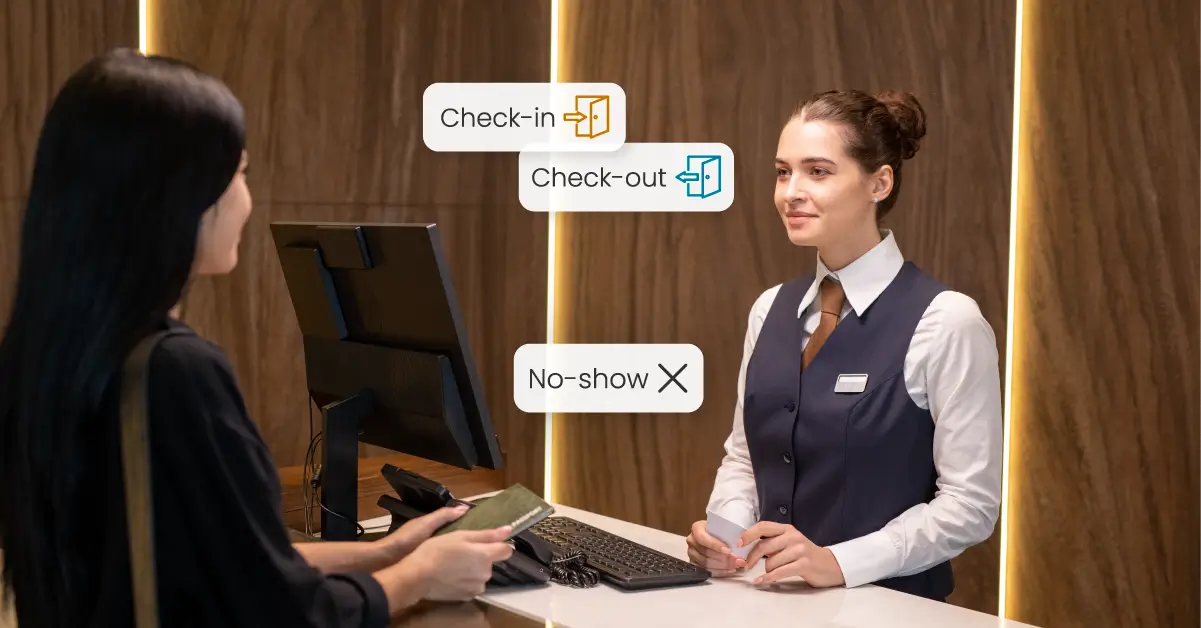
This comprehensive guide delves into the standard practices, offers strategies for navigating early or late arrivals, and provides essential tips to ensure a smooth and stress-free check-in experience, regardless of your destination or travel style. From the bustling streets of New York City to a serene beach resort in Bali, knowing what to expect and how to communicate effectively can make all the difference.
Understanding Standard Check-In Times and Why They Exist
Most hotels and accommodation providers adhere to a fairly consistent window for check-in, typically falling between 2:00 PM and 4:00 PM local time. While this might seem somewhat arbitrary, there are very practical reasons behind these established timings, primarily revolving around the intricate dance of hotel operations and the guest experience.
The Operational Dance: Housekeeping and Guest Flow
Imagine a hotel as a meticulously choreographed performance happening behind the scenes. Guests checking out generally do so by 11:00 AM or 12:00 PM. This provides a crucial window for the housekeeping and maintenance teams to thoroughly clean, sanitize, and prepare each room for the next arriving guest. Depending on the size of the room, the level of cleanliness required, and the overall occupancy of the hotel, this process can take several hours per room.
For instance, a luxurious suite at a property like the Four Seasons Hotel might require a more extensive cleaning protocol than a standard room at a budget hotel. Multiply this by dozens or even hundreds of rooms, and you can quickly appreciate the logistical challenge. The standard 2 PM to 4 PM check-in time allows ample opportunity for staff to ensure that every room meets the hotel’s exacting standards, providing a pristine and welcoming environment for your arrival. It’s a system designed to guarantee that when you walk into your room, it feels fresh, inviting, and ready for your stay, preventing the disappointment of an unkempt or unprepared space.
Regional Variations and Property Types
While 3 PM is a common benchmark, check-in times can vary based on geographical location and the specific type of accommodation. In some parts of Europe or Asia, an earlier 2 PM check-in might be more common, particularly in business-oriented cities where travelers often arrive on morning flights. Conversely, some sprawling resorts, like those found in Mexico or the Caribbean, might lean towards a 4 PM check-in to accommodate the larger scale of their operations, numerous amenities, and the often longer distances between rooms and central facilities.
Furthermore, the type of property plays a significant role. A small boutique hotel with limited staff might have a slightly narrower or later check-in window than a large chain like Marriott or Hilton, which often has a larger team and more streamlined processes. Vacation rentals or apartments booked through platforms like Airbnb or VRBO may have entirely different protocols, often relying on key codes or in-person meet-ups, and thus their check-in flexibility can be highly dependent on the individual host. Always double-check the specific policy of your chosen accommodation when making your booking.
Navigating Early Check-In: Strategies for Seamless Arrivals
Arriving at your destination well before the standard check-in time is a common scenario, especially for those on early flights or long-distance road trips. While an early check-in is never guaranteed, there are several strategies you can employ to increase your chances of getting into your room sooner and minimize any potential waiting time.
Proactive Communication is Key
The golden rule for early check-in is communication. As soon as you know your travel plans might lead to an early arrival, contact the hotel directly. This can be done via phone, email, or through the booking platform’s messaging system. Inform them of your estimated arrival time and politely inquire about the possibility of an early check-in.
Even if they can’t confirm it immediately, providing advance notice allows the hotel staff to flag your reservation. If a room becomes available earlier than expected, or if they can prioritize the cleaning of a room for you, they are much more likely to do so if they are aware of your needs. This is particularly true for smaller properties or during off-peak seasons when flexibility is greater. A simple phone call a day or two before your arrival, followed by another call on the morning of check-in, can significantly improve your chances.
Leveraging Loyalty Programs and Status
For frequent travelers, loyalty programs can be a game-changer when it comes to perks like early check-in. Many hotel chains, such as Hyatt, IHG, or Accor, offer early check-in as a benefit to their elite members. If you hold status with a particular brand, make sure to mention it during your booking and when communicating with the front desk.
While not always guaranteed, elite status often places you higher on the priority list if a room is available or needs to be turned over quickly. These programs are designed to reward loyal customers, and a seamless early arrival is a significant value-add that encourages continued patronage. Ensure your loyalty number is linked to your reservation.
Planning for the “In-Between” Hours
Even with the best planning, an early check-in might not be possible. Rather than feeling frustrated, view this as an opportunity to immediately immerse yourself in your destination. Most hotels offer luggage storage facilities, allowing you to drop off your bags safely. Once unburdened, you can:
- Explore Local Attractions: Head out to nearby landmarks, parks, or museums. If you’re in London, perhaps a stroll through Hyde Park or a quick visit to the British Museum. In Paris, grabbing a coffee near the Eiffel Tower could be a fantastic start.
- Grab a Meal: Find a local cafe or restaurant for breakfast or lunch. This is a great way to experience the local cuisine and culture right away.
- Utilize Hotel Amenities: Many hotels will allow you to use their facilities, such as the gym, pool, or lobby lounge, even before your room is ready. This can be a perfect way to relax and freshen up after your journey.
- Catch Up on Work/Relax: If it’s a business trip, use the hotel’s business center or a quiet corner in the lobby to catch up on emails. If you’re on a leisure trip, enjoy a book or plan the rest of your day.
By having a plan for these “in-between” hours, you transform potential downtime into productive or enjoyable moments, making your overall travel experience more enriching.
Late Check-In: Peace of Mind for Delayed Arrivals
Just as common as early arrivals are late ones, especially for travelers with red-eye flights, long layovers, or those embarking on extended road trips. Arriving after the standard check-in window, particularly late at night, can raise concerns about accessing your room. However, with proper planning, a late check-in can be just as smooth, if not smoother, than an early one.
Informing Your Accommodation in Advance
Similar to early check-in, advance communication is paramount for late arrivals. If you anticipate arriving after 6 PM, or certainly after midnight, it is crucial to inform your hotel. Most hotels operate a 24-hour front desk, so a late arrival is generally not an issue as long as they are aware.
Call or email the hotel a day or two before your arrival to notify them of your estimated late check-in time. This allows them to make a note on your reservation, ensuring that your room is held and that a staff member is prepared for your arrival. For smaller establishments, like guesthouses or bed and breakfasts, this step is even more critical, as they may not have staff present around the clock. Neglecting to inform them could lead to difficulties accessing your accommodation or even, in rare cases, your reservation being marked as a no-show.
Self Check-In Options and Digital Solutions
The rise of technology has brought increasingly convenient solutions for late check-ins. Many modern hotels and especially vacation rental properties now offer self-check-in options.
- Keyless Entry: Some hotels provide mobile keys through their dedicated apps, allowing you to bypass the front desk entirely and unlock your room door with your smartphone. Brands like Hilton and Marriott Bonvoy have robust app-based check-in systems.
- Digital Check-In Kiosks: Similar to airport check-in, some hotels feature kiosks where you can quickly confirm your reservation, verify identity, and receive a room key.
- Lockboxes/Key Safes: For apartments and vacation rentals, it’s common to receive a code for a lockbox containing your keys, or directly for a smart lock on the door. Ensure you have these codes and instructions well in advance, preferably before you travel, and save them offline in case of connectivity issues.

These options provide immense flexibility and peace of mind, especially when arriving very late, eliminating the need to interact with staff at an inconvenient hour.
Emergency Contacts and After-Hours Support
Even with the best plans, unforeseen circumstances can arise. Your flight might be delayed further, or you might encounter unexpected traffic. Before traveling, especially for accommodations without a 24-hour front desk, make sure you have:
- The direct phone number of the property: Not just the central booking line.
- An emergency contact number for the host/owner: For vacation rentals.
- A backup plan: What will you do if you absolutely cannot access your room? Is there an alternative contact or a nearby hotel you could use in a pinch?
Having this information readily available, perhaps even printed out or saved in your phone’s favorites, can be invaluable for resolving any last-minute issues and ensuring you have a safe and comfortable place to rest, no matter when you finally arrive.
Optimizing Your Arrival Experience: Tips for a Smooth Check-In
Beyond the timing, several practical steps can streamline your check-in process, allowing you to transition from travel mode to vacation or business mode with minimal fuss. These tips apply whether you’re checking in at 3 PM, 10 AM, or 1 AM.
Confirming Your Reservation Details
Before you even leave for your trip, take a moment to confirm all your reservation details. This includes:
- Dates of stay: Double-check your arrival and departure dates.
- Room type: Ensure it matches what you booked (e.g., king bed, two doubles, suite).
- Guest names: Verify all guests are listed correctly.
- Special requests: Confirm any requests like non-smoking room, crib, or adjoining rooms have been noted.
- Payment method: Reconfirm the payment method on file or what is expected at check-in.
Having a printout or digital copy of your reservation confirmation readily accessible can quickly resolve any discrepancies at the front desk. This proactive step can save precious minutes and prevent potential issues upon arrival.
Having Documents Ready
When you step up to the front desk, be prepared. Have the following documents and information easily accessible:
- Photo ID: A valid government-issued photo ID (passport for international travel, driver’s license for domestic). Ensure the name matches your reservation.
- Credit Card: The card used for booking (if required) and/or a card for incidentals. Many hotels will place a temporary hold on your card for potential minibar charges, room service, or damages.
- Reservation Confirmation: As mentioned, a digital or physical copy can be very helpful.
Being organized means a swift transaction and less waiting time for you and those behind you in line, especially in busy destinations like Las Vegas or Dubai.
Considering Luggage Storage
Even if you check in at the standard time, you might have some last-minute errands or desires before settling into your room. If you arrive a little early or want to explore after check-out, take advantage of the hotel’s luggage storage. It’s usually a complimentary service that allows you to explore freely without the burden of your bags. This is particularly useful for travelers on family trips with multiple bags or those planning a quick visit to a local attraction before officially starting their stay.
Exploring Local Attractions Post-Arrival
Once you’ve dropped your bags and received your key, you don’t necessarily need to rush to your room. Especially if you’re in a vibrant city, consider a brief exploratory walk. Many hotels are strategically located near significant tourist attractions. For example, if your hotel is near the Colosseum in Rome, a quick walk-by might be a thrilling first impression. Or, if you’re in Tokyo, exploring a bustling street market near your hotel in Shinjuku could set a wonderful tone for your visit. This allows you to stretch your legs, get a feel for the neighborhood, and perhaps even grab a snack or drink before fully unpacking and unwinding.
Beyond Hotels: Check-In for Alternative Accommodations
While hotels are the most common form of accommodation, the world of travel offers a plethora of alternatives, each with its own check-in nuances. Understanding these differences is key to a smooth arrival regardless of where you choose to stay.
Vacation Rentals and Apartments
Platforms like Airbnb and VRBO have revolutionized travel, offering unique stays in private homes and apartments. Check-in for these properties is often more flexible but also more dependent on individual host arrangements.
- Communication with Host: This is paramount. You’ll typically communicate directly with the property owner or manager. Discuss your estimated arrival time well in advance.
- Key Handover: This can range from an in-person meeting (which requires precise timing) to a key left in a lockbox, a smart lock with a code, or even digital keys sent to your phone. Always ensure you have clear, detailed instructions before arrival.
- Fixed Times: Some professional rental agencies or apartment-hotels might have stricter check-in windows, similar to hotels, especially if they have a central reception.
- No Early Check-In Guarantee: Like hotels, early check-in for vacation rentals is rarely guaranteed, as it depends on the previous guest’s departure and cleaning schedule. Always ask, but have a backup plan.
Resorts and All-Inclusive Properties
Large resorts, especially all-inclusive resorts in destinations like the Dominican Republic or Cancun, often have a slightly later standard check-in time, sometimes as late as 4 PM. This is due to their sprawling nature, the sheer volume of rooms, and the extensive cleaning and preparation required for facilities that might include multiple restaurants, pools, and activity areas.
However, many resorts are equipped to manage early arrivals. They often have dedicated welcome lounges, change rooms, and baggage services that allow guests to start enjoying the resort’s amenities (pools, restaurants, bars) even before their room is ready. This approach maximizes the guest experience, ensuring that every moment of their stay, from arrival to departure, is filled with the promise of vacation. It’s advisable to pack a small day bag with swimwear, sunscreen, and essentials if you anticipate an early arrival at such a property.

Boutique Hotels and Guesthouses
Boutique hotels and charming guesthouses, often celebrated for their personalized service and unique character, might have less standardized check-in processes.
- Personalized Service: You might find more flexibility with early check-ins here, as the staff-to-guest ratio is often higher, and they can sometimes prioritize a room for you.
- Limited Front Desk Hours: Conversely, smaller establishments might not have a 24-hour front desk. If you’re arriving late, it is absolutely essential to inform them in advance to arrange key collection or late access.
- Unique Arrangements: Be prepared for unique check-in instructions. Some may offer self-check-in with codes, while others might arrange a staff member to meet you at a specific time.
Always verify the check-in procedures specific to these types of accommodations well before your travel date to avoid any surprises.
In conclusion, the question of “What time to check into a hotel?” is less about a single answer and more about understanding a spectrum of possibilities. By comprehending the operational realities, communicating proactively, leveraging available resources, and preparing for various scenarios, you can transform a potential logistical hurdle into a smooth, efficient, and even enjoyable part of your overall travel adventure. Whether you’re heading to a bustling city, a serene beach, or a quaint guesthouse, thoughtful planning ensures your arrival is as welcoming and stress-free as the journey itself.
LifeOutOfTheBox is a participant in the Amazon Services LLC Associates Program, an affiliate advertising program designed to provide a means for sites to earn advertising fees by advertising and linking to Amazon.com. Amazon, the Amazon logo, AmazonSupply, and the AmazonSupply logo are trademarks of Amazon.com, Inc. or its affiliates. As an Amazon Associate we earn affiliate commissions from qualifying purchases.