
The prospect of a tropical storm or hurricane making landfall in a popular travel destination like Florida inevitably brings a cascade of concerns for travelers. When a name like Helene appears on the radar, the immediate question for many is not just about the storm’s intensity, but its timing and potential impact on their carefully planned itineraries. Understanding the dynamics of such weather events is paramount for making informed travel decisions, ensuring safety, and minimizing disruption.
Navigating the Uncertainty: Monitoring Helene’s Trajectory
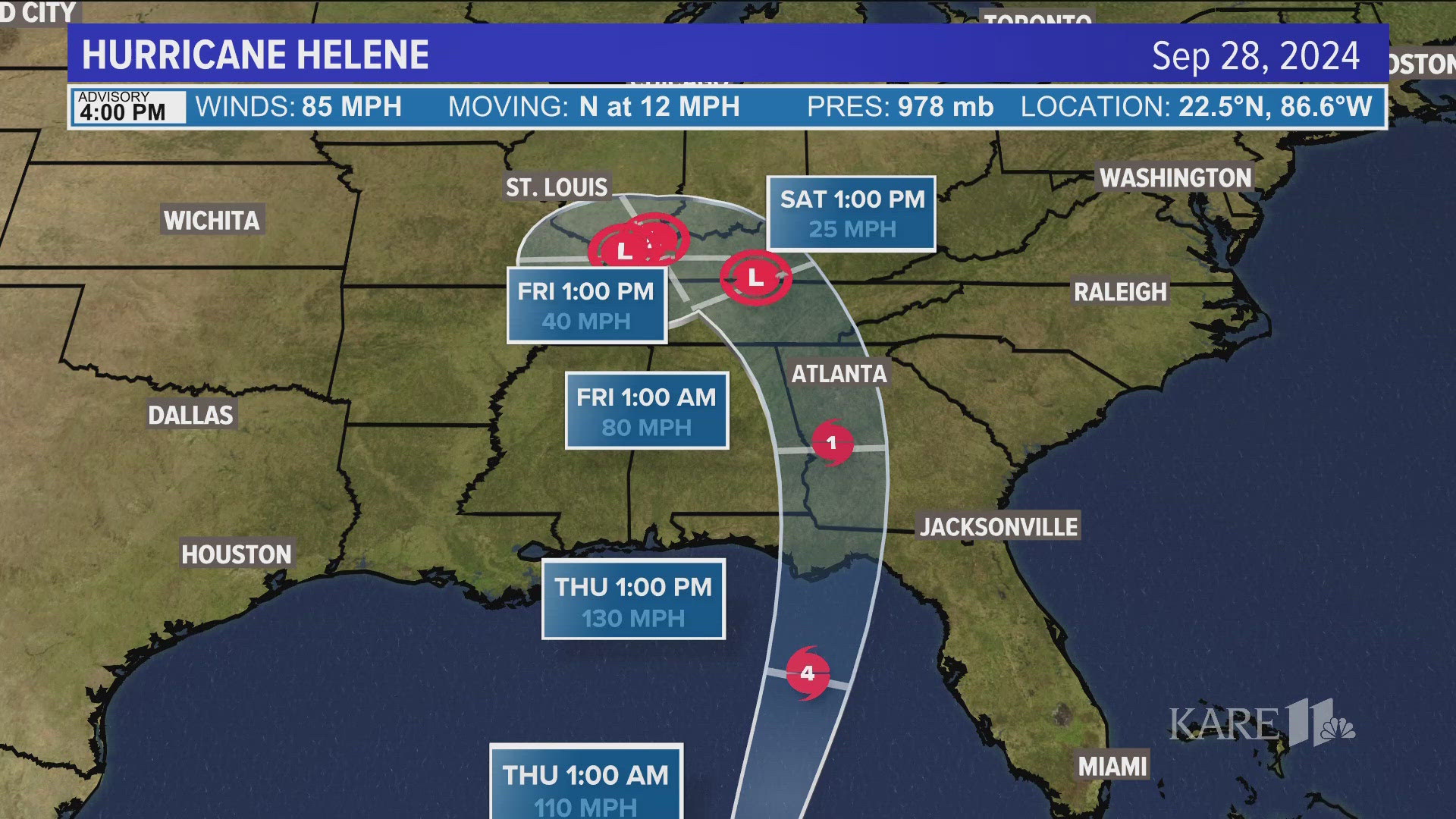
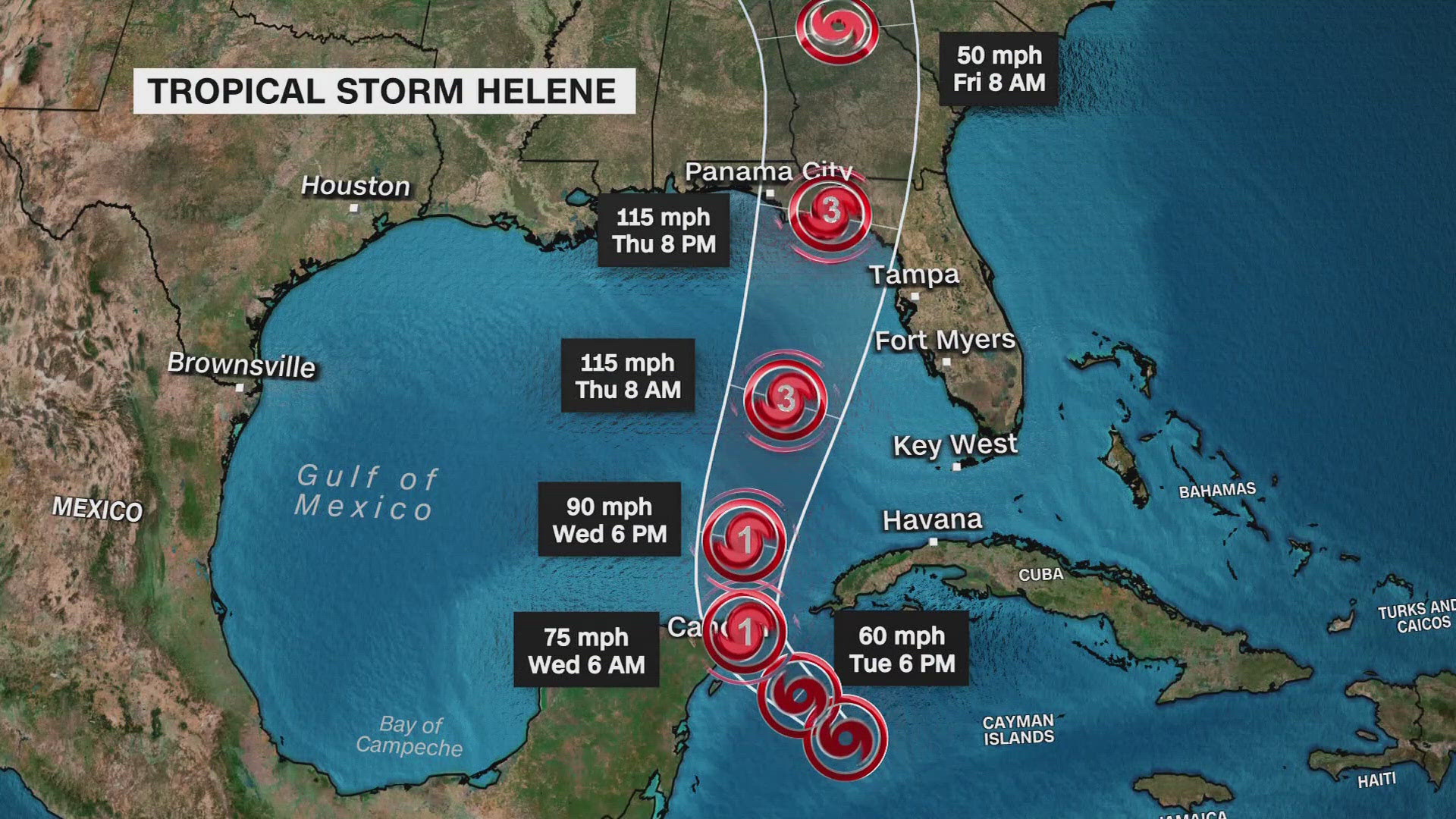
Tropical systems, by their very nature, are dynamic and unpredictable, making precise timing a moving target until closer to potential landfall. For travelers, staying informed through reliable, official channels is the single most critical action. The “when” of Helene’s arrival in Florida is less about a fixed hour and more about a window of preparedness and potential impact.

Official Sources for Real-Time Updates
Travelers must prioritize information from authoritative meteorological agencies. The National Hurricane Center (NHC) provides the most accurate and up-to-date forecasts, including projected paths, wind speeds, and potential rainfall. Their advisories, issued every few hours, offer crucial details on expected timing for different regions of Florida. Local weather services, emergency management agencies like the Florida Emergency Management Agency, and local news outlets also serve as vital conduits for region-specific instructions, including watches, warnings, and evacuation orders. Relying on social media or unofficial sources can lead to misinformation and poor decision-making.
The NHC’s “cone of uncertainty” is a critical visual tool for travelers. It represents the probable track of the storm’s center but does not delineate the full extent of the storm’s potential impacts. While the center might track within the cone, significant wind, rain, and storm surge effects can extend far outside it. This uncertainty underscores the need for flexibility and preparedness, as a slight shift in trajectory can significantly alter the “hit time” and affected areas for cities like Miami, Orlando, or Tampa. Typically, watches are issued 48 hours before the onset of tropical storm conditions, and warnings 36 hours prior, signaling specific windows for action.
Understanding Storm Progression and Travel Windows
The “hit time” is not a singular event but a progression. Tropical storm-force winds (39-73 mph) typically arrive hours, sometimes even a full day, before hurricane-force winds (74+ mph). For travelers, this means that even if Helene’s center is projected for a Tuesday morning landfall, travel conditions might become hazardous as early as Monday afternoon or evening. Airports may close, bridges may be shut down, and road travel can become perilous long before the eye makes its closest approach. Evacuation routes become congested, and services like gas stations and grocery stores may run out of supplies. Therefore, understanding the onset of deteriorating conditions is more crucial for travel planning than the precise moment of landfall.
Pre-Arrival Preparations and Travel Adjustments
For those with upcoming travel plans to Florida when Helene is a threat, proactive preparation is essential. This involves more than just packing; it requires a thorough review of bookings, insurance, and personal safety plans.
Evaluating Travel Insurance Coverage
Before making any definitive decisions, travelers should review their travel insurance policies. Many policies offer coverage for trip cancellation or interruption due to named tropical storms or hurricanes, particularly if an advisory or warning is issued for the destination. However, it is crucial to understand the nuances:
- “Named Storm” Clause: Coverage often applies once a storm is officially named, not just a developing disturbance.
- “Buy Before You Fly” Rule: Policies purchased after a storm has been named or its threat is widely known might not cover claims related to that specific event.
- “Force Majeure” or “Acts of God”: Some standard policies may exclude these events, necessitating a specific “cancel for any reason” (CFAR) add-on, which typically reimburses a percentage (e.g., 50-75%) of non-refundable expenses.
Contacting the insurance provider directly for clarification is always recommended to understand what is covered for cancellations, delays, or emergency medical care if caught in the storm’s path.
Flexibility with Flights and Accommodations
Airlines and hotels often implement specific waivers or flexible change policies when a hurricane threatens a region.
- Airlines: Most major airlines will issue travel waivers allowing passengers to change their flights without a fee if their destination is under a hurricane watch or warning, or if their travel dates fall within the affected period. Keep an eye on the airline’s website for specific advisories related to Helene and your travel dates. Be prepared for potential cancellations, diversions, or significant delays.
- Hotels and Resorts: Hotels in threatened areas may offer penalty-free cancellations or allow guests to rebook for a later date. However, individual hotel policies can vary, especially for non-refundable bookings. It’s best to contact the hotel or resort directly to understand their specific policies in the event of a hurricane. If travel is deemed too risky, canceling or postponing is often the safest and most responsible choice. Many accommodations in coastal Florida are designed to withstand hurricanes, but guests may still face inconveniences such as power outages, limited services, and restricted movement.
Essential Emergency Packing
For travelers who decide to proceed with their trip or are already in Florida as Helene approaches, an emergency kit is vital:
- Important Documents: Keep passports, IDs, insurance cards, and travel itineraries in a waterproof bag. Consider digital copies on a secure cloud service.
- Medications: A sufficient supply of prescription medications, along with copies of prescriptions.
- Cash: ATMs may not function during power outages.
- First-Aid Kit: Basic supplies for minor injuries.
- Communications: Fully charged portable power banks, a battery-powered radio, and extra batteries.
- Water and Non-Perishable Food: If sheltering in place, ensure a supply for at least 72 hours per person.
- Comfort Items: Flashlights, a whistle, chargers, and any personal items for comfort during potential disruptions.
- Pet Supplies: If traveling with pets, include their food, water, and necessary medications.
Navigating Travel During and Post-Storm
For those who find themselves in Florida as Helene impacts the region, or for those contemplating immediate post-storm travel, specific guidelines apply to ensure safety and mitigate further risk.
Heeding Evacuation Orders and Seeking Shelter
Local authorities prioritize public safety. If an evacuation order is issued for your specific area, such as the Florida Keys or specific coastal zones in South Florida, it is imperative to comply immediately. Evacuation routes can become gridlocked quickly, so early departure is crucial. For those advised to shelter in place, following guidelines for secure locations within their accommodation (e.g., interior rooms, away from windows) is paramount. Many hotels have internal hurricane plans, and guests should familiarize themselves with these procedures upon arrival or as the storm approaches. Public shelters are available but should be considered a last resort, as conditions can be crowded and basic.
Understanding Transportation Disruptions
During and immediately after a hurricane, transportation infrastructure can be severely compromised.
- Airports: Airports frequently suspend operations before tropical storm-force winds arrive and remain closed until damage assessments are completed, debris is cleared, and necessary services are restored. Expect significant flight cancellations and delays, potentially lasting days.
- Roads and Bridges: Roads can become impassable due to flooding, fallen trees, downed power lines, or structural damage. Bridges, especially those leading to barrier islands, may be closed for safety inspections. Avoid driving during hurricane-force winds or heavy flooding. Even after the storm passes, many areas may be without functioning traffic lights, and debris can make driving hazardous.
- Public Transportation: Buses, trains, and ride-sharing services will likely be suspended.
Travelers should not attempt to drive into an affected area immediately after a storm. Resources are stretched, and tourists can inadvertently impede recovery efforts or put themselves and emergency responders at risk.
Post-Storm Assessment and Recovery Travel
Traveling to a hurricane-affected area shortly after the storm passes is generally discouraged. While the initial threat has subsided, the aftermath presents its own set of challenges:
- Infrastructure Damage: Power outages can be widespread and prolonged, affecting everything from communication networks to air conditioning. Water services might be compromised.
- Limited Services: Many businesses, including restaurants, attractions, and non-essential services, will be closed. Gas might be scarce.
- Road Conditions: Debris, standing water, and damaged roads can make travel difficult or impossible.
- Health and Safety Risks: Contaminated water, mold, mosquitoes, and downed power lines pose ongoing health and safety threats.
- Emergency Personnel Focus: Emergency services will be focused on search and rescue, damage assessment, and restoring critical services, not on assisting tourists.
It is advisable to wait for official declarations that the destination is open for visitors and ready to accommodate tourism. Respecting the recovery process helps residents and local authorities rebuild and restore normalcy more effectively.
Long-Term Travel Planning in Hurricane Season
While the immediate concern is Helene, this situation serves as a critical reminder for anyone planning future trips to Florida or the broader Caribbean during hurricane season, which officially runs from June 1 to November 30.
Best Times to Visit Florida
To minimize the risk of encountering a tropical system, consider visiting Florida outside the peak hurricane season. The spring (March to May) and late fall/early winter (late November to February) offer pleasant weather, fewer crowds, and a significantly lower risk of hurricane disruption. If travel during the hurricane season is unavoidable, booking in June or early July might present slightly lower odds than August and September, which are historically the most active months.
Building Flexibility into Itineraries
Travelers planning trips during hurricane season should prioritize flexibility:
- Flexible Bookings: Whenever possible, choose flights and accommodations with generous cancellation or change policies.
- Robust Travel Insurance: Invest in comprehensive travel insurance that includes coverage for named storms and trip interruption. Consider “cancel for any reason” policies for maximum protection.
- Contingency Plans: Have alternative destinations in mind, or an extended stay option if travel home is delayed. Pack an emergency kit as a standard practice.
- Stay Informed: Even before a storm forms, monitor long-range forecasts and general tropical outlooks. Be prepared to adjust plans quickly based on advisories.
The question “What Time Will Helene Hit Florida?” transcends a simple clock reading. It necessitates a deep dive into preparedness, risk assessment, and adaptability for any traveler. By staying informed through official sources, securing appropriate insurance, and building flexibility into travel plans, visitors can navigate the complexities of hurricane season and ensure their safety, even when facing a formidable storm like Helene.
LifeOutOfTheBox is a participant in the Amazon Services LLC Associates Program, an affiliate advertising program designed to provide a means for sites to earn advertising fees by advertising and linking to Amazon.com. Amazon, the Amazon logo, AmazonSupply, and the AmazonSupply logo are trademarks of Amazon.com, Inc. or its affiliates. As an Amazon Associate we earn affiliate commissions from qualifying purchases.