
Florida, affectionately known as the Sunshine State, is a perennial magnet for travelers seeking sun-drenched beaches, world-class theme parks, vibrant cities, and serene natural beauty. From the enchanting allure of Walt Disney World Resort in Orlando to the bustling cultural hubs of Miami and the historic charm of St. Augustine, millions flock here annually for unforgettable travel experiences. However, Florida’s unique geographical position, nestled between the Atlantic Ocean and the Gulf of Mexico, also places it within the hurricane belt, making storm preparedness an essential part of understanding travel to and within the state during hurricane season. As Hurricane Milton barrels towards its shores, travelers, residents, and the entire tourism industry are keenly focused on its trajectory and potential impact.
The question “What time will Hurricane Milton hit Florida?” is more than just a matter of curiosity; it’s a critical piece of information dictating evacuation orders, flight cancellations, hotel closures, and the activation of emergency protocols across the state. For those planning a luxurious stay at a Palm Beach resort, an adventure through Everglades National Park, or a family trip to Universal Orlando Resort, understanding the storm’s timeline is paramount to ensuring safety and making informed decisions about accommodation, travel plans, and overall well-being. This comprehensive guide aims to provide clarity on the expected impact of Hurricane Milton on Florida’s travel and tourism sector, offering essential advice for navigating these challenging circumstances.

Understanding Hurricane Milton’s Trajectory and Expected Impact
Staying informed about the precise timing and potential severity of a hurricane is the first and most crucial step for anyone in or planning to visit Florida. Meteorological forecasts, while subject to slight adjustments, provide the foundational data for all emergency response and travel advisories.
The Latest Forecast: When and Where
As of the latest advisories from the National Hurricane Center (NHC), Hurricane Milton has intensified into a formidable Category 4 storm with sustained winds exceeding 130 mph, making it an extremely dangerous hurricane. Its current path indicates a direct threat to a significant portion of the Florida peninsula.
The current projection suggests that Hurricane Milton will begin impacting the Florida Keys and the southwestern coast of Florida starting late Tuesday evening, with the eye making landfall in the vicinity of Fort Myers or Naples by early Wednesday morning. This initial impact will bring catastrophic storm surge, particularly for areas along the Gulf Coast from Key West northward to Tampa Bay.
As the storm progresses inland throughout Wednesday, its severe winds and torrential rainfall are expected to sweep across Central Florida, affecting major metropolitan areas like Orlando, Kissimmee, and Daytona Beach. South Florida, including Miami and Fort Lauderdale, while potentially avoiding a direct landfall, is still expected to experience tropical storm to hurricane-force winds, significant rainfall, and dangerous surf conditions from Wednesday morning through Wednesday night. The storm is then forecast to exit Florida’s northeastern coast near Jacksonville by Thursday morning, leaving behind widespread impacts.
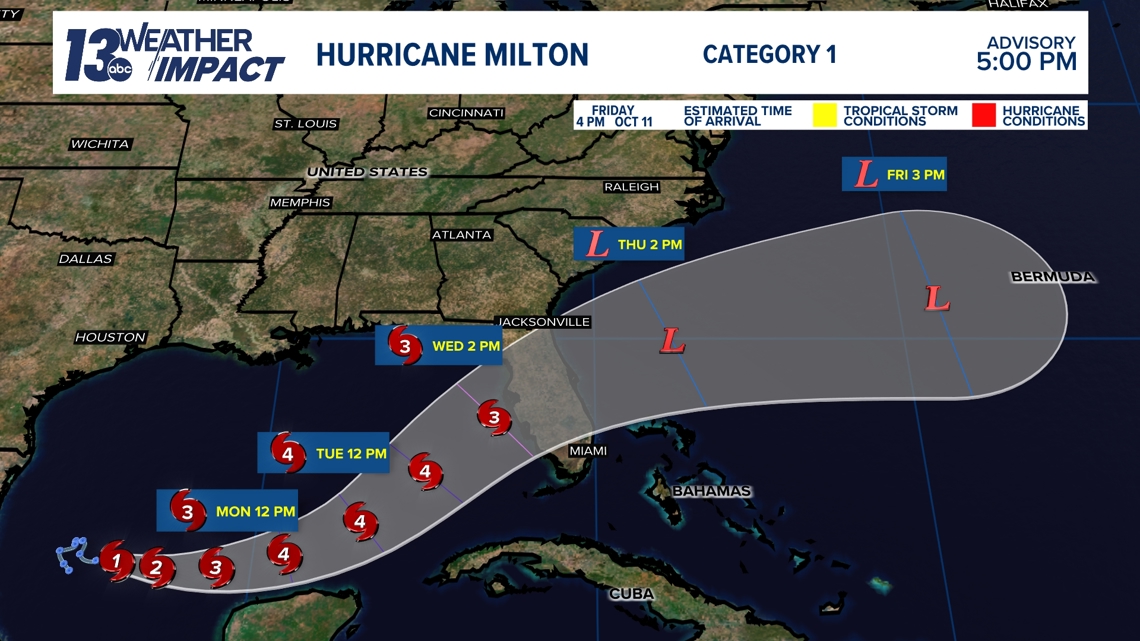
The primary hazards associated with Hurricane Milton include:
- Catastrophic Storm Surge: Up to 12-18 feet above ground level in portions of the Southwest Florida coast, capable of inundating coastal communities.
- Damaging Winds: Widespread hurricane-force winds (74+ mph) extending far from the center, with potentially devastating gusts exceeding 150 mph near the core.
- Torrential Rainfall: 10-20 inches across much of the Florida peninsula, leading to extensive inland flooding.
- Isolated Tornadoes: Possible in the outer bands of the storm.
Immediate Preparations for Travelers and Residents
For those in Florida or with imminent travel plans, immediate action is imperative. Official advisories from the National Weather Service and local emergency management agencies must be continuously monitored.
- Heed Evacuation Orders: If you are in an area under a mandatory evacuation order, leave immediately. These orders are issued to protect lives, and compliance is non-negotiable. Plan your evacuation route, inform family of your destination, and ensure you have a full tank of gas.
- Secure Accommodation: If you are unable to evacuate, or if you are in a safe zone but still concerned about your current accommodation, contact your hotel or resort. Many establishments, like the Ritz-Carlton, Naples or the Hyatt Regency Sarasota, have detailed hurricane preparedness plans, including designated safe areas within their facilities or guidance on seeking public shelters. Ensure your reservation is confirmed, and understand their specific storm policies.
- Prepare an Emergency Kit: For those sheltering in place, a well-stocked emergency kit is crucial. This should include:
- One gallon of water per person per day for several days.
- Non-perishable food for several days.
- Battery-powered radio and NOAA weather radio.
- Flashlight and extra batteries.
- First aid kit.
- Whistle to signal for help.
- Dust mask, plastic sheeting, and duct tape.
- Moist towelettes, garbage bags, and plastic ties.
- Wrench or pliers to turn off utilities.
- Manual can opener.
- Cell phone with chargers and a backup battery.
- Cash.
- Important family documents (copies of insurance policies, identification, bank records) in a waterproof container.
- Prescription medications and glasses.
- Infant formula and diapers, if applicable.
- Pet food and extra water for your pet.
Impact on Florida’s Travel and Tourism Landscape
Hurricane Milton’s approach is sending ripple effects through every facet of Florida’s robust travel and tourism industry, from major transportation hubs to iconic attractions and local businesses.
Navigating Air, Land, and Sea Travel Disruptions
Travelers with plans involving Florida must be prepared for significant disruptions across all modes of transportation.
- Aviation: Major airports such as Miami International Airport, Orlando International Airport, Fort Lauderdale-Hollywood International Airport, and Tampa International Airport are already experiencing widespread flight cancellations and delays. Many airlines have issued travel waivers, allowing passengers to change their flights without penalty. It is imperative to check your airline’s website or app for the latest status of your flight before heading to the airport. Operations will likely cease entirely at affected airports as the storm approaches and resume only after damage assessments and safety clearances are issued, which could take days.
- Roads: Evacuation orders will lead to severe traffic congestion on major arteries like Interstate 75 (I-75), Interstate 95 (I-95), and Interstate 4 (I-4). Contraflow measures may be implemented on some segments to facilitate outbound traffic. Bridges, especially those in coastal areas or the Florida Keys, will likely close once sustained winds reach a certain threshold. Fuel availability can become an issue, so ensure your vehicle is fueled if you are evacuating or preparing to shelter in place. Road closures due to flooding, downed power lines, and debris will be common post-storm, hindering access even after the winds subside.
- Cruises/Ports: Florida’s major cruise ports—PortMiami, Port Canaveral, and Port Everglades—are suspending operations. Cruise lines will adjust itineraries, rerouting ships to avoid the storm, delaying departures, or canceling cruises altogether. Passengers with upcoming cruises should contact their cruise line directly for updates on their specific sailing. These ports will remain closed until they are deemed safe for navigation and operations can fully resume, impacting several days of cruise traffic.
Accommodation and Attraction Closures: What Travelers Need to Know
The safety of guests and staff is the top priority for Florida’s accommodation providers and tourist attractions, leading to widespread closures.
- Hotels, Resorts, and Vacation Rentals: Many hotels and resorts in the projected path, particularly along the Gulf Coast and Central Florida, are either closing their doors or operating with limited services to ensure the safety of those sheltering in place. Properties like The Breakers Palm Beach, while designed to withstand hurricanes, will still have specific guest procedures in place. Travelers with existing bookings should contact their accommodation directly to understand their cancellation and rebooking policies. Many will offer waivers for changes or cancellations due to the storm. For those seeking last-minute shelter, be aware that availability will be extremely limited, and some properties might be designated as official shelters.
- Theme Parks and Major Attractions: Florida’s world-renowned theme parks, including Walt Disney World Resort, Universal Orlando Resort, and Busch Gardens Tampa Bay, typically announce closures well in advance of a hurricane’s arrival. These closures are for the safety of both guests and cast members and allow time for securing the properties. Check their official websites or social media channels for the most up-to-date information on operating hours, ride closures, and re-opening plans. Other attractions like the Kennedy Space Center Visitor Complex are also likely to close.
- Beaches, State Parks, and Natural Landmarks: All coastal beaches, including famous stretches like South Beach in Miami, will be closed to the public due to dangerous rip currents, storm surge, and high winds. State parks and national parks, such as Everglades National Park, will also close, and visitors should avoid all natural areas until after the storm passes and damage assessments are complete. These areas can remain hazardous due to downed trees, wildlife displacement, and floodwaters long after the weather clears.
- Local Culture and Events: Sporting events, concerts, festivals, and local markets are being canceled or postponed across the affected regions. Restaurants and shops will likely close their doors as the storm approaches and only reopen once it’s safe and power is restored. This impacts not just the travel experience but also the livelihood of many local businesses.
Essential Safety Measures and Post-Storm Recovery for Visitors
Once Hurricane Milton makes landfall, the immediate priority shifts from preparation to survival and then to recovery. Visitors must understand what to do during and after the storm.
Prioritizing Personal Safety During the Storm
If you find yourself in Florida during Hurricane Milton’s passage:
- Stay Indoors and Away from Windows: Find the safest interior room in your accommodation, ideally a bathroom or closet, and remain there during the peak of the storm. Stay away from windows and glass doors.
- Do Not Go Outside During the Eye: The calm of the eye is deceptive and temporary. The dangerous winds will return rapidly from the opposite direction.
- Monitor Official Communications: Use your NOAA weather radio or a battery-powered radio to listen for updates from local authorities. Do not rely solely on social media or unverified sources.
- Conserve Battery Life: Limit cell phone usage to essential communications.
- Be Aware of Power Outages: Expect widespread and prolonged power outages. Flashlights are safer than candles.
- Post-Storm Dangers: Even after the storm passes, significant dangers remain.
- Flooding: Do not drive or walk through floodwaters. “Turn around, don’t drown.”
- Downed Power Lines: Assume all downed power lines are live and extremely dangerous. Report them to authorities.
- Debris: Be wary of sharp objects, broken glass, and unstable structures.
- Emergency Services: Do not call 911 unless it is a life-threatening emergency. Non-emergency issues can overwhelm emergency responders.
Looking Beyond the Storm: Florida’s Resilience and Future Travel
Florida has a long history of weathering hurricanes and demonstrating remarkable resilience. While the immediate aftermath of Hurricane Milton will undoubtedly present significant challenges, the state’s spirit of recovery and its enduring appeal as a travel destination are strong.
- Community and Recovery Efforts: Floridians are known for their strong community ties and their ability to quickly rally and rebuild. Recovery efforts will begin immediately, with focus on restoring power, clearing roads, and assisting affected communities.
- Supporting Local Tourism: Once it is safe to return, supporting Florida’s tourism industry becomes a vital part of its recovery. Many businesses rely heavily on visitor traffic. Before planning a post-storm trip, however, it is essential to:
- Verify Openings: Do not assume your favorite hotel, attraction, or restaurant will be open immediately. Check official websites, social media, or call directly.
- Be Patient and Flexible: Infrastructure may still be recovering. Allow extra time for travel, and be understanding of any limitations.
- Consider Travel Insurance: For future trips to hurricane-prone regions, comprehensive travel insurance is a wise investment. It can protect against unforeseen cancellations, delays, and medical emergencies.
- When Is It Safe to Travel Back?
The decision to return to a hurricane-affected area should be guided by official advisories. Local authorities will communicate when it is safe for residents and visitors to return. Attempting to enter affected areas too soon can hinder recovery efforts and place additional strain on resources. Give affected communities time to assess damage, restore essential services, and clean up. While the sunshine may return quickly, the recovery process for infrastructure and services can take weeks or even months in the hardest-hit areas.
In conclusion, the approach of Hurricane Milton to Florida’s shores is a serious event that demands utmost attention and preparedness from everyone. By understanding the storm’s projected timing and impact, staying informed through official channels, prioritizing personal safety, and respecting evacuation orders, travelers and residents alike can navigate this challenging period effectively. Florida’s natural beauty and vibrant culture will undoubtedly shine again, and its tourism industry will rebound, stronger and more resilient than ever, continuing to welcome visitors to its unforgettable landscapes and experiences once the skies have cleared and recovery is well underway.
LifeOutOfTheBox is a participant in the Amazon Services LLC Associates Program, an affiliate advertising program designed to provide a means for sites to earn advertising fees by advertising and linking to Amazon.com. Amazon, the Amazon logo, AmazonSupply, and the AmazonSupply logo are trademarks of Amazon.com, Inc. or its affiliates. As an Amazon Associate we earn affiliate commissions from qualifying purchases.