
Understanding time zones is a cornerstone of seamless travel planning, especially when crossing vast geographical distances. For those with an itinerary set for the Golden State, pinpointing the local time in California, and subsequently projecting it forward, is crucial. This guide will demystify California’s timekeeping, focusing on its role within the broader context of travel. Whether you’re coordinating arrival times, scheduling activities, or simply ensuring you don’t miss a crucial appointment, mastering California’s temporal landscape is essential for a smooth journey.
California’s Time Zone: Pacific Standard Time and Daylight Saving
California observes the Pacific Time Zone (PT). This designation is not static and fluctuates between Pacific Standard Time (PST) and Pacific Daylight Time (PDT), depending on the time of year.

Pacific Standard Time (PST)
During the fall and winter months, California operates on PST, which is UTC-8. This is the standard time observed when daylight saving is not in effect. For travelers arriving during these periods, understanding PST is key to aligning with local schedules. For example, if a flight departs from New York (Eastern Standard Time, UTC-5) at 3:00 PM EST, it will arrive in Los Angeles (PST, UTC-8) at approximately 12:00 PM PST, accounting for the three-hour difference and typical flight duration. This careful calculation ensures that you are not disoriented upon arrival and can immediately begin to engage with your travel plans.
Pacific Daylight Time (PDT)
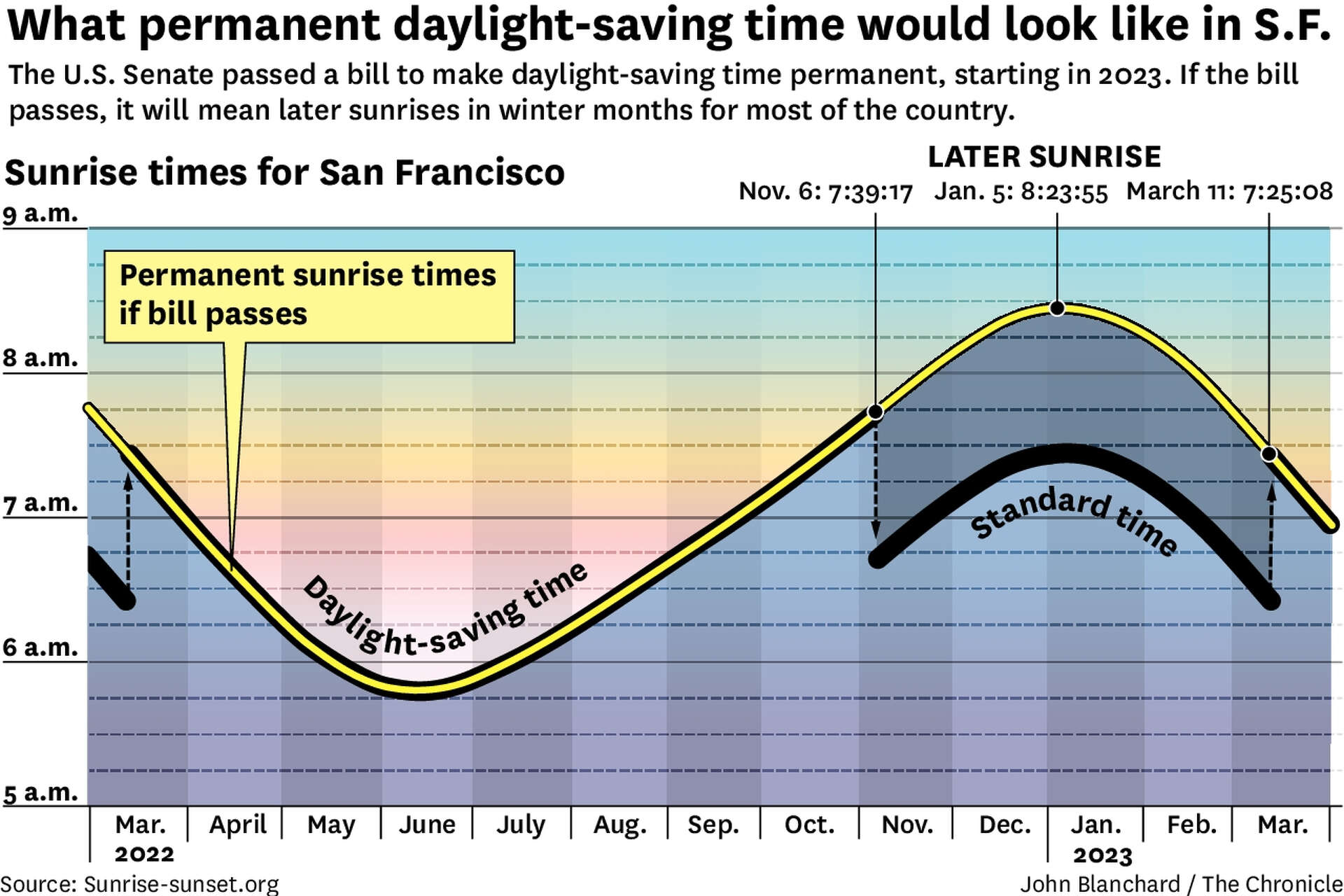
From the second Sunday in March to the first Sunday in November, California shifts to PDT, which is UTC-7. This is a one-hour advancement of the clock, designed to maximize daylight during the warmer months. The switch to PDT often coincides with the beginning of the spring travel season, meaning many visitors will experience PDT. It’s important for travelers to be aware of this transition, as it can affect flight schedules, reservation timings, and any pre-arranged meetings. For instance, a conference call scheduled for 9:00 AM PST in Los Angeles would become 10:00 AM PDT after the daylight saving switch. This might seem like a minor detail, but for international travelers or those with tight schedules, it can be a significant factor.
The Impact of Daylight Saving on Travel Itineraries
The biannual clock change can be a source of confusion for travelers. It’s advisable to double-check all scheduled events and bookings with local California times, especially if your travel dates fall near the transition periods. Many digital devices automatically update for daylight saving, but it’s always prudent to verify. When booking accommodations or planning excursions, always confirm the local time in your specific California destination.
Calculating Time in California in Six Hours
The core of this inquiry lies in temporal projection. To determine what time it will be in California in six hours, you need to know the current local time in California.
Step 1: Identify the Current California Time
This is the foundational step. Accessing a reliable current time source for California is paramount. This could be a quick online search, a glance at a smart device, or a dedicated time zone app. Let’s assume, for the purpose of this example, that the current time in California is 2:00 PM PST.
Step 2: Add Six Hours to the Current Time
Once you have the current time, simply add the specified duration.
- If the current time is 2:00 PM PST, adding six hours brings you to 8:00 PM PST.
Step 3: Consider Time Zone Variations within California (None)
It’s important to note that California, despite its size, operates on a single contiguous time zone: the Pacific Time Zone. Unlike some larger countries or even some US states that span multiple time zones, all of California adheres to PST/PDT. This simplifies calculations significantly. You do not need to account for different time zones within the state, whether you are in San Diego in the south or Eureka in the north. This uniformity is a great advantage for travelers navigating the state.
Step 4: Account for Daylight Saving (If Applicable)
This is where the distinction between PST and PDT becomes critical.
- Scenario A: Currently PST, and in 6 hours it’s still PST. If it’s currently 2:00 PM PST, and six hours later it’s still within the PST period (e.g., the shift to PDT hasn’t occurred or has already passed), then the time will indeed be 8:00 PM PST.
- Scenario B: Currently PST, but in 6 hours it becomes PDT. This is less common for a six-hour window unless the transition happens precisely at that moment. However, it’s a theoretical consideration. If, hypothetically, the transition from PST to PDT were to occur within that six-hour period, your calculation would need to adjust by one hour.
- Scenario C: Currently PDT, and in 6 hours it’s still PDT. If it’s currently 2:00 PM PDT, adding six hours brings you to 8:00 PM PDT.
- Scenario D: Currently PDT, but in 6 hours it becomes PST. Similar to Scenario B, this is highly unlikely for a six-hour window.
For practical travel planning, the most common scenario is that the time zone (PST or PDT) remains constant over a six-hour period unless you are very close to the exact time of the daylight saving transition. The key is knowing the current time and whether daylight saving is active.
Example Calculation:
Let’s say you are planning a visit to Los Angeles and checking into your hotel, the Beverly Hills Hotel, on a day when PDT is active.
- Current time in Los Angeles: 10:00 AM PDT.
- You want to know what time it will be in 6 hours.
- 10:00 AM PDT + 6 hours = 4:00 PM PDT.
So, in six hours, it will be 4:00 PM PDT in Los Angeles. This is when you might be scheduled for a spa appointment at your hotel or a walking tour of Hollywood.
Navigating California’s Travel Landscape with Temporal Awareness
A clear understanding of time zones and daylight saving is not merely an academic exercise; it’s a fundamental tool for any traveler. It impacts everything from booking flights and hotels to planning sightseeing and dining.
Aligning Flight Schedules and Airport Arrivals
When booking flights into major California airports like Los Angeles International Airport (LAX), San Francisco International Airport (SFO), or San Diego International Airport (SAN), the arrival times are always listed in local California time. If you’re traveling from a different time zone, say Chicago (Central Time, UTC-6 during standard time), a flight departing at 1:00 PM CST will arrive in San Francisco at approximately 3:00 PM PST (accounting for the two-hour difference and flight time). Being aware of this difference allows you to accurately plan your onward journey, whether it’s a shuttle to your hotel, a rental car pickup, or meeting a friend. This temporal precision minimizes the risk of missed connections or delays that can disrupt your entire travel experience.
Coordinating Hotel Check-ins and Activities
Your hotel reservations, whether at a luxury resort in Napa Valley or a boutique hotel in San Francisco, will have check-in times based on local California time. Knowing what time it will be in California in six hours is useful for gauging when you’ll be able to access your room, especially if you’re arriving earlier than the standard check-in. Similarly, tours, restaurant reservations, and attractions like Disneyland or Alcatraz Cruises operate on strict schedules. For example, a reservation for dinner at a renowned restaurant in San Francisco at 7:00 PM PDT requires you to be there precisely at that time. If you’ve spent the afternoon exploring Golden Gate Park, knowing how much time you have before you need to leave for your reservation is crucial.
Understanding Local Culture and Daily Rhythms
Time also dictates the rhythm of daily life in California, which, in turn, influences the tourist experience. The early morning hours might be ideal for visiting less crowded beaches in Orange County or for a sunrise hike in Joshua Tree National Park. Mid-day heat might encourage indoor activities or a leisurely lunch at a cafe in Carmel-by-the-Sea. Evenings are when the vibrant nightlife of Los Angeles or the cultural performances in San Diego come alive. Understanding the local time in California helps you align your activities with these natural daily patterns, maximizing your enjoyment and avoiding peak crowds or unfavorable conditions. For instance, knowing it will be 9:00 PM in California in six hours might prompt you to plan for a relaxing evening activity, rather than an outdoor excursion that would be best enjoyed in daylight.

The Nuances of Cross-Continental and International Travel
For travelers coming from further afield, such as Europe or Asia, the time difference is more substantial and the impact of daylight saving can compound the jet lag experience. A visitor from London (GMT, UTC+0 during standard time) arriving in California will face an eight or nine-hour time difference. Planning arrival times and initial activities with this temporal shift in mind is vital. Booking the first night at a hotel conveniently located near the airport, like the Hyatt Regency Los Angeles International Airport, can provide a comfortable transition. Understanding that in six hours it will be a specific time in California allows for a more strategic approach to overcoming jet lag and commencing your California adventure with energy.
By consistently verifying and applying the current California time, and projecting it forward as needed, travelers can navigate the state with confidence and make the most of every moment. This attention to temporal detail transforms potential logistical headaches into seamless travel experiences, ensuring that your exploration of California’s diverse attractions is as enjoyable and stress-free as possible.
LifeOutOfTheBox is a participant in the Amazon Services LLC Associates Program, an affiliate advertising program designed to provide a means for sites to earn advertising fees by advertising and linking to Amazon.com. Amazon, the Amazon logo, AmazonSupply, and the AmazonSupply logo are trademarks of Amazon.com, Inc. or its affiliates. As an Amazon Associate we earn affiliate commissions from qualifying purchases.