
For anyone planning a visit or conducting business with the vibrant metropolis of Chicago, one of the fundamental pieces of information to know is its time zone. Understanding Chicago’s temporal alignment is crucial for seamless travel planning, effective communication, and a truly immersive experience in the city. The straightforward answer is that Chicago operates within the Central Time Zone, a designation that holds significant implications for everything from flight schedules and hotel check-ins to sightseeing itineraries and dining reservations.
As a major hub for travel, tourism, and business, Chicago welcomes millions of visitors annually. Whether you’re arriving for a luxury travel escape, a budget travel adventure, a memorable family trip, or a crucial business stay, being aware of the local time is the first step toward a well-organized and enjoyable journey. This comprehensive guide will delve into the intricacies of Chicago’s time zone, offering insights into Daylight Saving Time, practical tips for travelers, and how time considerations can enhance your exploration of the city’s world-renowned attractions, accommodations, and unique local culture.
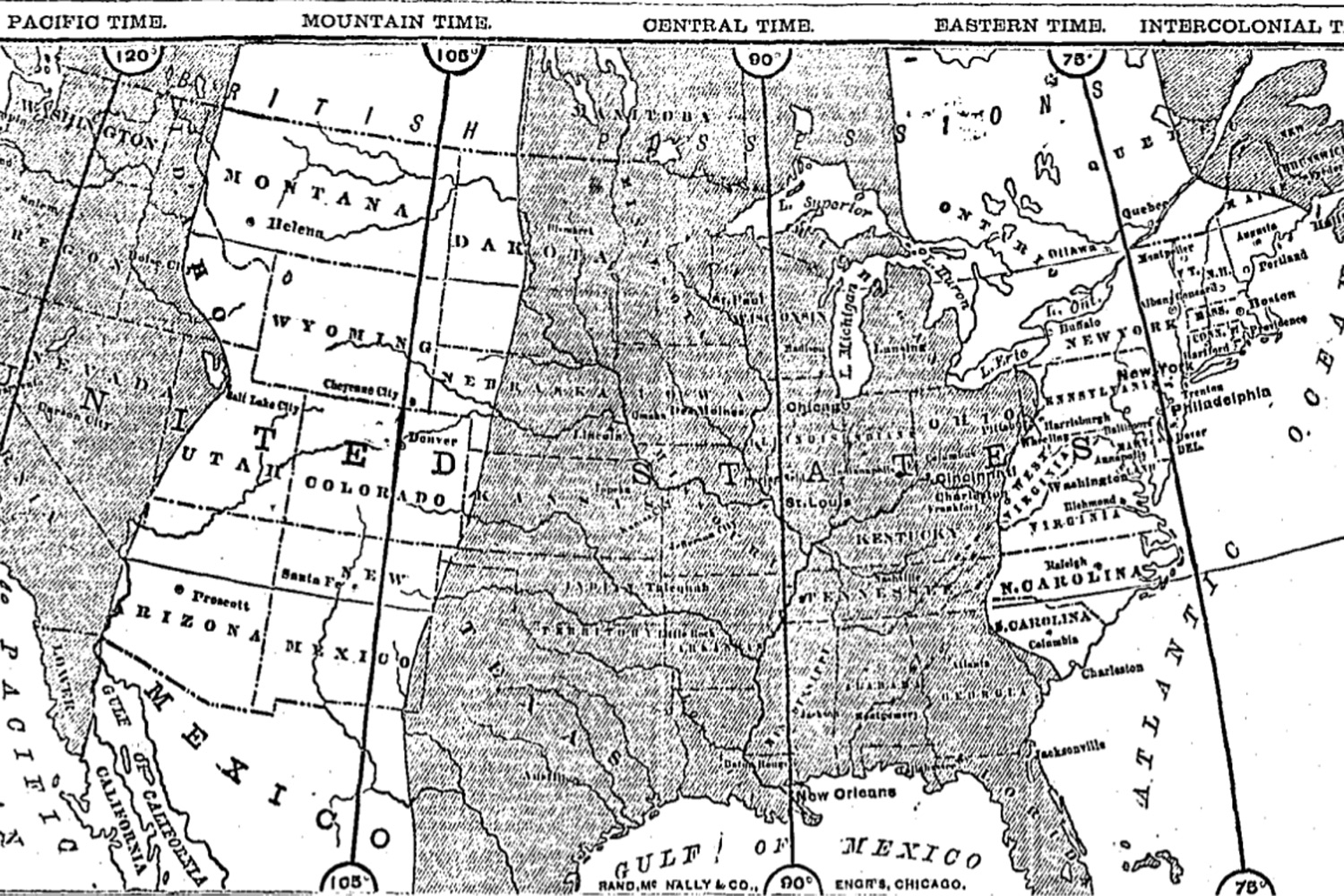
Understanding Central Time Zone (CT) in Chicago
The Central Time Zone, often abbreviated as CT, is one of the four primary time zones observed in the continental United States. It is generally six hours behind Coordinated Universal Time (UTC-6). This places Chicago an hour behind the Eastern Time Zone (New York, Miami), and one to two hours ahead of the Mountain Time Zone (Denver) and Pacific Time Zone (Los Angeles). This geographical placement and its associated time zone have historically been vital for Chicago’s role as a central transportation and commerce hub within the US.
CST vs. CDT: The Dance of Daylight Saving
Like much of the United States, Chicago observes Daylight Saving Time, which means its exact offset from UTC changes seasonally.
- Central Standard Time (CST): During the fall and winter months, Chicago operates on CST, which is UTC-6. This is the “standard” time for the zone.
- Central Daylight Time (CDT): In the spring and summer, the clocks “spring forward” one hour for Daylight Saving Time, shifting Chicago to CDT, which is UTC-5. This change typically occurs on the second Sunday in March, when clocks advance by one hour, and reverts on the first Sunday in November, when they fall back by one hour.
This bi-annual clock adjustment is a critical detail for travelers. A flight arriving on the day Daylight Saving Time begins or ends could lead to confusion if not accounted for. Always double-check flight times, reservation confirmations, and activity schedules against the local time, especially when your travel dates coincide with these transitions. Most modern smartphones and digital devices automatically adjust, but it’s always wise to confirm manually to avoid any missed connections or appointments.
The Geographical Context: Why Chicago is in CT
The establishment of standardized time zones in the late 19th century was a monumental undertaking, driven largely by the needs of the burgeoning railway industry. Before this, towns and cities often kept their own local “solar time,” leading to immense confusion for train schedules and communication. In 1883, the major railroads in North America adopted a four-zone system, which was eventually codified into US federal law.
Chicago’s position in the geographical heartland of the United States naturally places it within the Central Time Zone. This central location facilitated its growth as a crucial rail hub, connecting the East Coast with the West. Its time zone serves as a practical intermediary, simplifying coordination with cities across the country. For example, when it’s 9:00 AM in Chicago, it’s 10:00 AM in New York City and 7:00 AM in Los Angeles, making cross-country business relatively manageable.

Planning Your Trip: Navigating Chicago’s Time Zone
Effective time zone management is a cornerstone of successful travel planning. For a city as dynamic and packed with attractions as Chicago, meticulous planning around the local time can make all the difference in maximizing your visit, whether it’s for leisure or business travel.
Impact on Travel Logistics: Flights, Check-ins, and Tours
When arranging your journey to Chicago, consider how the Central Time Zone will affect your logistics:
- Flights: All arrival and departure times for O’Hare International Airport (ORD) and Midway International Airport (MDW) will be listed in local Chicago time. If you’re flying from a different time zone, ensure you’ve made the mental adjustment for your actual arrival time. Factor in potential jet lag when scheduling early meetings or activities upon arrival.
- Accommodation Check-ins/Check-outs: Standard hotel check-in times are usually in the afternoon (e.g., 3:00 PM), and check-out times in the late morning (e.g., 11:00 AM). If you arrive significantly earlier or later than anticipated due to time zone differences, communicate with your accommodation provider (whether it’s a luxury hotel, boutique hotel, or apartment rental) to arrange for early check-in or late check-out options, which may incur additional fees.
- Tours and Attractions: Most timed entry tickets for Chicago’s museums, observation decks, and boat tours are strictly enforced. Always confirm the local time for your booked activities. Missing a scheduled tour due to a time zone miscalculation can be a frustrating and costly mistake.
Adjusting to Chicago Time: Tips for Travelers
For visitors traveling across multiple time zones, particularly from international destinations like Europe or Asia, or even the West Coast US, adjusting to Chicago time is essential for an enjoyable and energetic trip.
- Pre-Adjust if Possible: A few days before your trip, try to shift your sleep schedule gradually towards Chicago time. Even small adjustments can help.
- Stay Hydrated: Dehydration can exacerbate jet lag symptoms. Drink plenty of water before, during, and after your flight.
- Seek Sunlight: Upon arrival, expose yourself to natural light, especially in the morning. This helps reset your body’s internal clock. Take a stroll along Lake Michigan or explore Millennium Park shortly after landing.
- Minimize Naps: While tempting, long naps can confuse your body further. If you must nap, keep it short (20-30 minutes) to avoid falling into a deep sleep cycle.
- Adjust Devices Immediately: Set your watch and phone to Chicago time as soon as you land. This simple action reinforces the new schedule mentally.
- Plan Your First Day Wisely: Don’t overschedule your arrival day. Allow for some downtime to settle in and gently acclimate to the new time.
Experiencing Chicago Across Time
Chicago is a city that truly comes alive at any hour, offering a wealth of cultural, culinary, and entertainment options. Being mindful of the local time ensures you can fully immerse yourself in its rhythm and make the most of every moment.
Dining and Entertainment Schedules
Chicago’s food scene is legendary, from its iconic deep-dish pizza to Michelin-starred restaurants. The city’s entertainment calendar is equally robust, with world-class theater, live music, and sports.
- Dining: Dinner hours in Chicago typically peak between 6:00 PM and 8:00 PM CT. For popular restaurants, especially those in bustling areas like River North or the West Loop, reservations are highly recommended, often weeks in advance. Lunch is generally served from noon to 2:00 PM. Many coffee shops and breakfast spots open as early as 6:00 AM or 7:00 AM, perfect for early risers.
- Theater and Shows: Broadway in Chicago productions, comedy clubs, and live music venues typically start their evening performances between 7:00 PM and 8:00 PM. Matinee shows, often on weekends, may begin around 2:00 PM. Always check specific venue schedules when booking tickets.
- Nightlife: Bars and clubs across neighborhoods like Wicker Park, Lincoln Park, and River North typically stay open until 2:00 AM or 4:00 AM on weekends. Be aware of last call times, which vary by establishment.
Business Travel and Meeting Coordination
For those visiting Chicago for business travel, time zone awareness is paramount for maintaining professionalism and efficiency. Chicago’s central location makes it an ideal meeting point, but coordination is still key.
- Scheduling Meetings: When scheduling calls or meetings with colleagues or clients in different time zones, always clarify if the time stated is local to Chicago or the other party’s location. Use online time zone converters to prevent any miscommunication. For example, a 9:00 AM Chicago meeting is noon in New York and 7:00 AM in Los Angeles.
- Punctuality: Chicago business culture values punctuality. Arrive a few minutes early for all meetings, whether they’re in-person at a downtown Loop office or virtual.
- Productivity: Adjusting to a new time zone for business travel can be taxing. Prioritize sleep, manage your energy levels, and schedule demanding tasks for when you feel most alert. Many luxury hotels and boutique hotels in Chicago offer amenities like 24-hour fitness centers and in-room dining, which can be invaluable for maintaining routine despite time shifts.
Beyond the Clock: Maximizing Your Chicago Experience
While the time zone dictates schedules, understanding it frees you to focus on the unforgettable experiences Chicago offers. From its breathtaking architecture to its world-class museums, every moment is precious.
Iconic Landmarks and Their Timings
Chicago boasts an impressive array of iconic landmarks and attractions, each with its own operating hours. Planning your visits around these times will help you avoid crowds and make the most of your day.
- Millennium Park: Home to the famous Cloud Gate, affectionately known as “The Bean,” Millennium Park is generally open from 6:00 AM to 11:00 PM daily. Visiting early in the morning can offer a peaceful experience with fewer tourists.
- Art Institute of Chicago: One of the oldest and largest art museums in the United States, the Art Institute of Chicago typically opens at 10:30 AM and closes in the late afternoon or early evening. Check their official website for current hours, as they can vary.
- Museum Campus ( Shedd Aquarium, Field Museum, Adler Planetarium): These three world-class institutions are conveniently located together. While specific hours differ, they generally open around 9:00 AM or 10:00 AM and close between 4:00 PM and 5:00 PM. Purchasing timed-entry tickets online in advance is highly recommended to save time.
- Navy Pier: With its Ferris wheel, gardens, and diverse entertainment, Navy Pier has varying seasonal hours, often extending later into the evening during summer.
- Observation Decks (Willis Tower Skydeck and 360 Chicago at the John Hancock Center): Both offer unparalleled views of the city. They typically open mid-morning and close late in the evening. Consider visiting just before sunset for breathtaking panoramic views of Chicago transitioning from daylight to a sparkling nightscape. Again, check current operating hours as they can be impacted by season and special events.
Remember that Daylight Saving Time shifts sunrise and sunset times, which can influence how you plan outdoor activities or visits to observation decks. For instance, sunset viewing will be an hour later during CDT.
Accommodation Choices and Time Considerations
Your choice of accommodation can also play a role in how you manage your time in Chicago. The city offers a vast range of options, from opulent suites in luxury hotels to charming rooms in boutique hotels, and convenient apartments suitable for long-term stays.
- Location, Location, Location: Staying in central areas like the Magnificent Mile, Loop, or River North places you within easy walking distance or a short public transport ride of many major attractions. This minimizes travel time, allowing you more daylight hours for sightseeing and more evening hours for dining and entertainment.
- Amenities for Adjustment: If you’re concerned about jet lag, look for accommodations that offer amenities like blackout curtains, comfortable bedding, and 24-hour room service to help you adjust your sleep schedule. Some upscale hotels even provide jet lag remedies or wellness programs.
- Early Check-in/Late Check-out: When booking, inquire about the possibility and cost of early check-in or late check-out, especially if your flight schedule doesn’t align perfectly with standard times. This can be a lifesaver for travelers arriving very early or departing very late.
In conclusion, knowing that Chicago is in the Central Time Zone, and understanding the nuances of Daylight Saving Time, is far more than a trivial detail. It’s an essential piece of information that underpins all aspects of your travel planning and on-the-ground experience. By keeping time in mind, you can seamlessly navigate the city’s logistics, efficiently visit its incredible iconic landmarks, indulge in its rich culinary scene, and engage fully with its vibrant culture, ensuring your Chicago adventure is as smooth and memorable as possible.
LifeOutOfTheBox is a participant in the Amazon Services LLC Associates Program, an affiliate advertising program designed to provide a means for sites to earn advertising fees by advertising and linking to Amazon.com. Amazon, the Amazon logo, AmazonSupply, and the AmazonSupply logo are trademarks of Amazon.com, Inc. or its affiliates. As an Amazon Associate we earn affiliate commissions from qualifying purchases.