
Florida, often affectionately known as the Sunshine State, is a premier destination for travelers seeking everything from thrilling theme park adventures to serene beach getaways and vibrant cultural experiences. From the magical realms of Orlando to the bustling cityscape of Miami and the historic charm of St. Augustine, this diverse state promises an unforgettable journey. However, amidst planning your perfect itinerary, booking ideal hotels or resorts, and exploring the myriad attractions, there’s a crucial, often overlooked detail that can significantly impact your travel experience: time zones.
Unlike many states in the United States that adhere to a single time zone, Florida is unique in that it spans two. The vast majority of the state, encompassing its most famous cities and tourist hotspots, operates on Eastern Time. Yet, a significant portion of its western Panhandle region observes Central Time. This geographical division, coupled with the annual observance of Daylight Saving Time, means that understanding Florida’s temporal landscape is not just a matter of curiosity, but a practical necessity for any visitor or resident. For travelers, an awareness of these time differences is essential for everything from catching a connecting flight to arriving promptly for a dinner reservation or a theme park opening. This comprehensive guide will illuminate Florida’s time zones, offer practical advice for navigating them, and explore how these temporal distinctions subtly shape the Sunshine State’s diverse travel and lifestyle offerings.
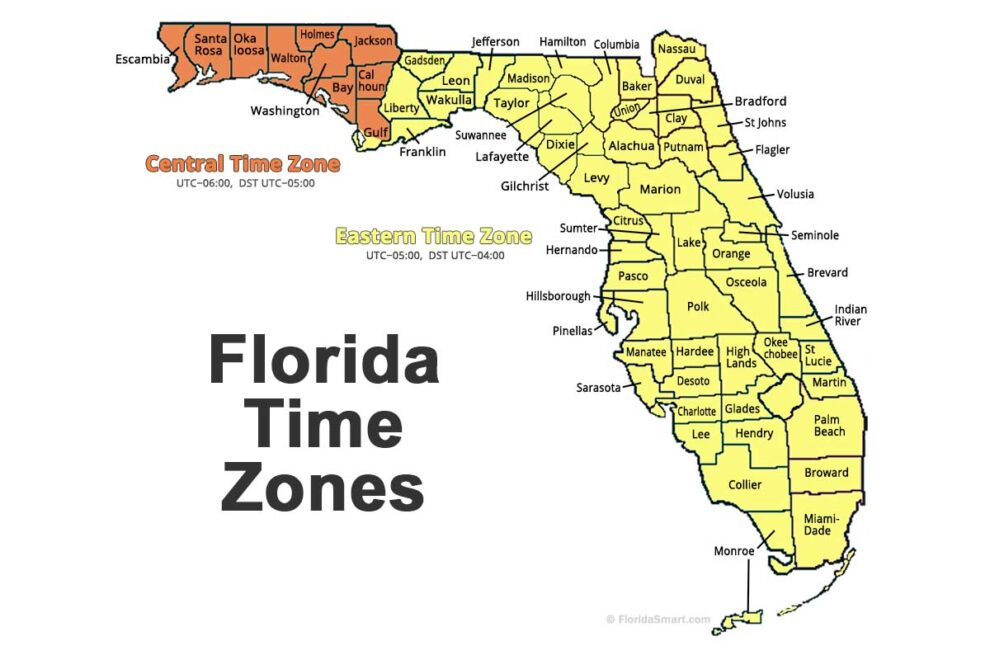
Navigating Florida’s Dual Time Zones: Eastern and Central
The complexity of Florida’s time zones is one of its lesser-known quirks, yet it’s a detail that savvy travelers must master. At its core, the state is split between Eastern Time and Central Time, creating a fascinating, albeit sometimes confusing, temporal divide.
The Eastern Time Zone: The Heartbeat of Florida Tourism
The lion’s share of Florida operates on Eastern Time (ET), aligning with most of the United States’ East Coast. This zone observes Eastern Standard Time (EST) during the winter months, which is five hours behind Coordinated Universal Time (UTC). When Daylight Saving Time is in effect, from early March to early November, it switches to Eastern Daylight Time (EDT), shifting to UTC, just four hours behind UTC.
This is the time zone where the vast majority of Florida’s iconic landmarks and vibrant tourist cities reside. If you’re planning a quintessential Florida vacation, chances are you’ll be firmly planted in ET.
- Orlando: As the theme park capital of the world, Orlando is a bustling hub where every minute counts. Walt Disney World Resort and Universal Orlando Resort, along with their numerous associated resorts and attractions, operate on ET. Early park entry, dining reservations, and showtimes are all meticulously scheduled within this time frame, making accurate timekeeping crucial for maximizing your family trips.
- Miami: The glamorous city of Miami, with its Art Deco architecture, thriving arts scene, and pulsating nightlife on South Beach, also adheres to ET. From luxury travel experiences at beachfront hotels to exploring the rich Cuban culture of Little Havana, all appointments, tours, and events are scheduled in sync with Eastern Time.
- Tampa: Located on the Gulf Coast, Tampa offers a blend of historical sites, cultural attractions, and exciting entertainment like Busch Gardens Tampa Bay. This dynamic city, a popular choice for both business and leisure, is also firmly within the ET zone.
- Jacksonville: Florida’s largest city by area, Jacksonville in the northeastern part of the state, maintains ET, offering visitors a different coastal experience with its extensive parks and waterways.
- Fort Lauderdale: Often called the “Venice of America” due to its intricate canal system, Fort Lauderdale is another major ET city, known for its beautiful beaches, upscale shopping, and vibrant arts and entertainment scene.
- Key West: Even at the southernmost tip of the continental United States, the eccentric and charming island of Key West observes Eastern Time, ensuring consistency for those enjoying its unique atmosphere and famous sunset celebrations.
Beyond these major urban centers, key landmarks and natural wonders such as Everglades National Park and the Kennedy Space Center Visitor Complex also operate on Eastern Time. For most visitors, especially those focusing on central and southern Florida, the Eastern Time Zone is the only one they’ll need to consider.
The Central Time Zone: The Florida Panhandle’s Unique Rhythm
The distinct exception to Florida’s general Eastern Time rule lies in its westernmost region, the Florida Panhandle. This area switches to Central Time (CT), which is one hour behind ET. Like its eastern counterpart, CT also observes Daylight Saving Time. During winter, it operates as Central Standard Time (CST), putting it six hours behind UTC. In summer, it becomes Central Daylight Time (CDT), which is five hours behind UTC.
The counties that fall into the Central Time Zone include Escambia County, Santa Rosa County, Okaloosa County, Walton County, and the western part of Bay County. The unofficial dividing line is often considered to be the Apalachicola River, though the time zone boundary technically follows county lines, which can sometimes extend slightly east of the river.
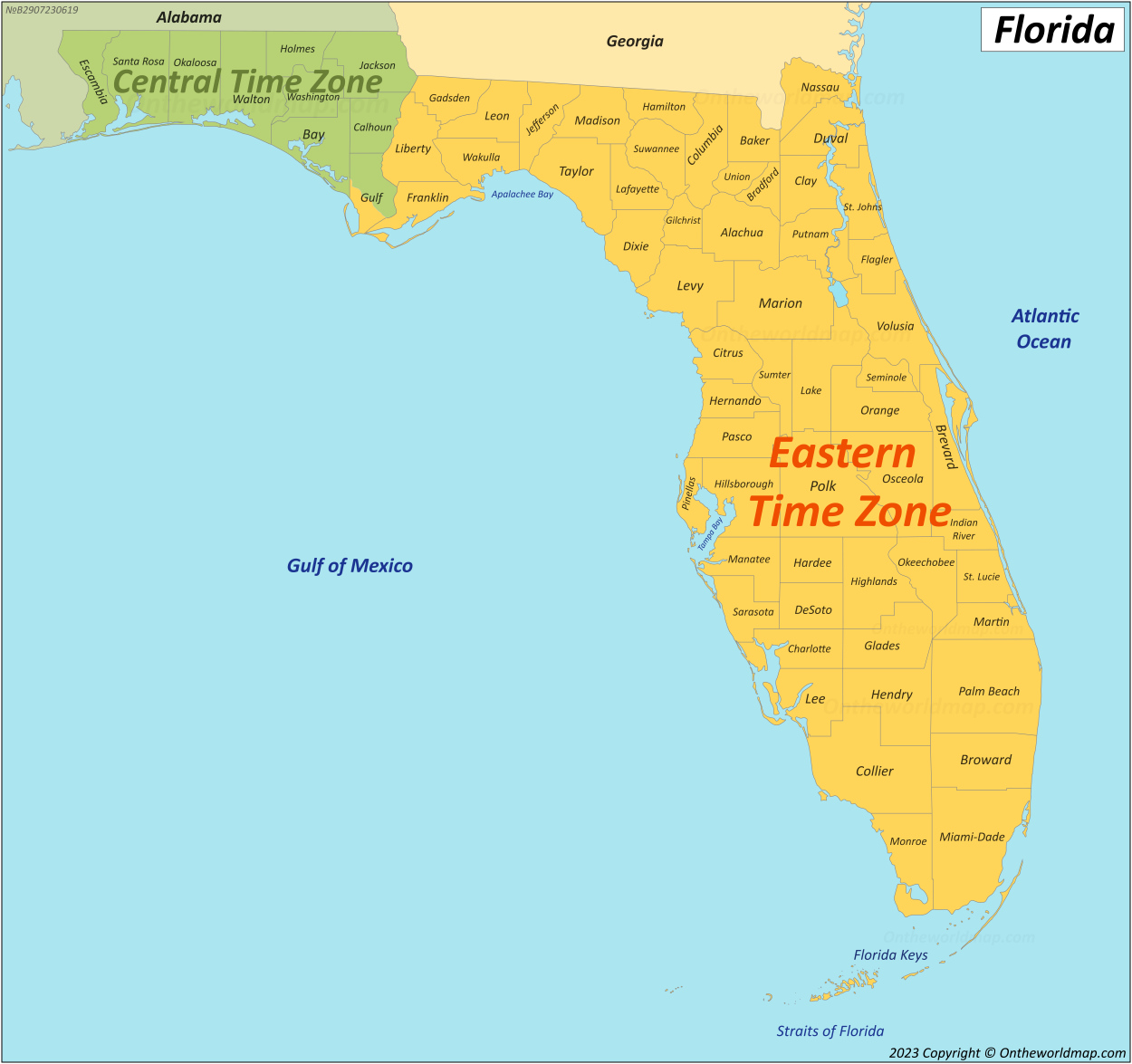
Key cities in the Florida Panhandle that observe Central Time include:
- Pensacola: A city rich in history, from its Spanish colonial past to its strong military presence, Pensacola is a hub of culture and heritage. Attractions like the National Naval Aviation Museum and its pristine beaches draw visitors, all operating on CT.
- Destin: Known as the “World’s Luckiest Fishing Village,” Destin boasts emerald waters and white sand beaches, making it a popular spot for fishing, water sports, and family vacations. It, too, observes Central Time.
- Panama City Beach: Famous for its lively atmosphere, especially during spring break, and its beautiful Gulf Coast beaches, Panama City Beach is another significant destination within the Central Time Zone.
- The breathtaking natural beauty of the Gulf Islands National Seashore, which spans parts of Florida and Mississippi, also falls within the CT zone for its Florida sections.
For travelers driving across the Panhandle, or those with connecting flights that might cross this invisible line, being aware of the one-hour shift is paramount. A forgotten time change could mean a missed flight, a late check-in at your accommodation, or simply confusion when coordinating plans with others.
Daylight Saving Time in Florida: Adding Another Layer to Planning
Beyond the geographical split between Eastern Time and Central Time, Florida also participates in the annual tradition of Daylight Saving Time (DST). This practice, observed across most of the United States, involves advancing clocks by one hour in the spring (“spring forward”) and setting them back by one hour in the fall (“fall back”).
In Florida, as in other participating regions, Daylight Saving Time begins on the second Sunday in March and concludes on the first Sunday in November. During this period, Eastern Standard Time (EST) becomes Eastern Daylight Time (EDT), and Central Standard Time (CST) becomes Central Daylight Time (CDT). This means that for a significant portion of the year, both time zones in Florida are one hour ahead of their “standard” designations.
For visitors, the transition periods of DST can sometimes introduce an additional layer of complexity. If you’re traveling during the “spring forward” weekend, you effectively lose an hour, which could impact early morning flight departures or scheduled activities. Conversely, the “fall back” weekend grants an extra hour, which can be a welcome bonus for sleep but might cause confusion if not properly accounted for in travel plans.

Adding to this discussion is the ongoing debate around the permanence of Daylight Saving Time. Florida has been at the forefront of this movement, with its legislature passing the “Sunshine Protection Act” in 2018. This state law seeks to make Daylight Saving Time permanent throughout Florida, effectively eliminating the biannual clock changes. The rationale behind this legislative push is largely tied to tourism and lifestyle. Proponents argue that permanent DST would:
- Boost Tourism: More daylight in the evenings year-round would allow tourists to enjoy outdoor activities, attractions, and dining for longer periods, potentially increasing spending and overall satisfaction. This is particularly appealing for a state so heavily reliant on its tourism industry.
- Enhance Lifestyle: Residents would also benefit from extended evening daylight for recreation, exercise, and social activities, aligning with the outdoor-centric lifestyle often associated with Florida.
- Improve Safety: Some argue that more daylight in the evenings could lead to fewer traffic accidents and reduced crime rates.
However, for the “Sunshine Protection Act” to take effect, it requires congressional approval at the federal level, as individual states cannot unilaterally change their observance of Daylight Saving Time. While the concept has gained some traction nationally, it has not yet been enacted into federal law. Therefore, for now, travelers to Florida must continue to factor in both the regional time zone split and the seasonal shift of Daylight Saving Time. Staying informed about the current status of DST is crucial for seamless travel planning and a stress-free visit.
Practical Strategies for Seamless Travel Across Florida’s Time Zones
Understanding Florida’s time zones is one thing; navigating them effectively as a traveler is another. With a little preparation and awareness, you can ensure that the time differences don’t become a source of stress, allowing you to fully immerse yourself in the Sunshine State’s offerings.
Before You Go: Pre-Travel Planning Essentials
The most effective way to avoid time zone headaches is to plan meticulously before you even set foot in Florida.
- Booking Flights and Accommodation: Always double-check the time zone specified for flight departures and arrivals, as well as hotel check-in times. This is especially critical if your itinerary involves flying into one time zone and traveling to accommodation in another, such as landing in Tallahassee (ET) and driving west into the CT zone of the Panhandle. Many booking platforms automatically adjust times to your current location, which can sometimes lead to confusion. Verify the local time zone of your destination.
- Tour and Activity Reservations: Whether it’s a Walt Disney World Resort dining reservation, a Key West sunset cruise, or a fishing charter in Destin, confirm the exact start times with the local operators. Online booking systems typically display times in the local time zone of the attraction, but a quick confirmation call or email can provide peace of mind.
- Itinerary Planning: If your journey involves driving across the Florida Panhandle from east to west or vice-versa, factor in the one-hour time change. A five-hour drive could feel like six or four hours on the clock depending on your direction. This is crucial for meeting fixed appointments, like a late afternoon hotel check-in or an evening dinner.
- Digital Device Settings: Before you travel, ensure that your smartphone, tablet, and any other portable electronic devices are set to update their time zones automatically. Most modern devices do this seamlessly when connected to cellular networks or Wi-Fi, but a manual check can prevent unexpected discrepancies. This will be your most reliable guide once you’re on the ground.
On the Ground: Navigating Time Changes Like a Pro
Even with thorough pre-planning, staying vigilant while in Florida will help ensure a smooth trip.
- Crossing the Time Zone Line: When driving across the Panhandle, look for road signs indicating a time zone change. These signs are generally present, often near the county lines that delineate the shift. Your mobile phone should automatically adjust, but it’s good to have a visual confirmation. Consider setting a reminder or an alarm on your phone to prompt you to double-check the time when you anticipate crossing the boundary.
- Communicating with Locals: Don’t assume everyone is on the same page. If you’re near the time zone boundary, it’s a good practice to clarify, “Is that Eastern Time or Central Time?” especially when discussing appointments or event schedules. Locals are typically well-versed in the distinction and appreciate the clarity.
- Minimizing “Mini-Jet Lag”: While a one-hour time change isn’t as severe as international jet lag, it can still cause a minor disruption, especially for sensitive individuals or young children. If you’re traveling between time zones, try to adjust your sleep schedule slightly in advance, and expose yourself to natural light at the appropriate times to help your body acclimate.
- Emergency Contacts: If you’re traveling with family or friends who are in a different time zone, ensure they are aware of your current location’s time. This is important for coordinating calls, especially in case of emergencies, to avoid waking them up at an inconvenient hour.
By adopting these practical strategies, you can effortlessly navigate Florida’s dual time zones and focus on enjoying the rich tapestry of experiences the state has to offer, from pristine beaches to thrilling theme parks.
Beyond Time Zones: How Florida’s Geography Influences Travel Experiences
While understanding Florida’s time zones is a practical consideration for travel, it also provides a fascinating lens through which to view the state’s diverse geography, culture, and travel offerings. The distinct temporal rhythms of the Eastern Time Zone and the Central Time Zone often align with the very different types of experiences available in their respective regions.
Coastal vs. Inland and Urban vs. Natural Rhythms
Florida’s geography is a mosaic of sprawling coastlines, vibrant urban centers, and preserved natural wilderness. The time zones often reflect and enhance these distinctions:
- Eastern Time Coastal Vibrancy: The ET zone encapsulates much of Florida’s iconic coastal energy. Cities like Miami, Fort Lauderdale, and Key West pulsate with a fast-paced, cosmopolitan rhythm. Here, luxury resorts, boutique hotels, and high-end dining experiences are abundant. The extended daylight hours in summer due to Daylight Saving Time further amplify the outdoor lifestyle, allowing for longer beach days, evening strolls along bustling promenades, and late-night entertainment. For tourism focused on vibrant nightlife, cultural festivals, and water sports, the ET coastal regions offer an uninterrupted, energetic flow.
- Central Time Panhandle Charm: In contrast, the Central Time Zone of the Panhandle often presents a more laid-back, “southern” pace of life. Cities like Pensacola, Destin, and Panama City Beach are famous for their stunning, sugar-white beaches, family-friendly attractions, and world-class fishing. The one-hour difference can subtly contribute to a feeling of being a bit more removed from the frantic pace of the peninsula, offering a tranquil escape. Here, accommodation options might range from cozy villas to large vacation rentals, catering to long-term stays and family groups seeking a serene coastal experience.
- Inland Theme Park Mania (ET): Moving inland in the ET zone, Orlando stands as a prime example of how time dictates mass-market tourism. The precise scheduling of theme parks like Walt Disney World Resort and Universal Orlando Resort, from ride queues to parade times and firework displays, requires meticulous timekeeping. Visitors on family trips or budget travel plans need to optimize every minute, making the stable ET environment crucial for their multi-day itineraries.
- Natural Wonders and Their Timeless Appeal: While time zones influence human activity, Florida’s natural landmarks offer a timeless appeal. Whether it’s the unique ecosystem of Everglades National Park (ET) or the pristine sands of Gulf Islands National Seashore (CT), these areas invite visitors to slow down and connect with nature, where the clock’s tick becomes less urgent. However, even here, ranger-led tours or sunrise/sunset viewing opportunities require an awareness of local time.
Lifestyle Implications for Different Travelers
The time zone dichotomy also subtly impacts various traveler lifestyles:
- Family Trips: Parents traveling with young children know the importance of routine. Maintaining consistent meal and sleep schedules is challenging enough, so an unexpected time change can throw a wrench into plans, especially if traveling across the ET/CT divide. Pre-planning for this is a must.
- Business Stays: For those on business stays, coordinating meetings, conference calls, and travel logistics across different time zones is a routine task. However, within Florida, a business traveler flying into Pensacola (CT) for a meeting and then to Tampa (ET) must be extra vigilant to avoid scheduling conflicts.
- Budget Travel: Efficient time management is key to budget travel. Maximizing daylight hours for free outdoor activities or taking advantage of early-bird specials means being precise with your schedule. An unexpected time shift could lead to missed opportunities or additional, unplanned expenses.
In essence, while the time zone differences in Florida might seem like a minor detail, they are intrinsically woven into the fabric of its geographical and cultural diversity. Being mindful of these temporal nuances not only prevents travel mishaps but also deepens one’s appreciation for the varied experiences that the Sunshine State has to offer.
Conclusion
Florida, with its captivating blend of vibrant cities, pristine beaches, and world-class attractions, rightfully holds its place as a top global travel destination. From the magical theme parks of Orlando and the energetic pulse of Miami to the serene shores of the Florida Panhandle, the Sunshine State promises an unforgettable experience for every type of traveler.
However, a key detail that savvy visitors must grasp to ensure a seamless journey is the state’s unique dual time zone system. While the majority of Florida operates on Eastern Time (ET), encompassing its most popular tourist hubs, the westernmost counties of the Panhandle observe Central Time (CT). This one-hour difference, coupled with the annual observance of Daylight Saving Time, means that a little temporal awareness goes a long way.
By taking proactive steps such as double-checking local times when booking flights and accommodation, confirming tour schedules, and ensuring your electronic devices are set to automatic time updates, you can easily navigate these shifts. Whether you’re planning an exhilarating family trip, a relaxing luxury travel escape, or a productive business stay, an understanding of Florida’s temporal landscape will enhance your ability to make the most of every moment.
Ultimately, the goal is to travel without unnecessary stress. With a clear understanding of “What time zone is Florida in?” you’re well-equipped to synchronize your adventures perfectly, ensuring that your focus remains on creating cherished memories in the beautiful and diverse Sunshine State. So, set your watches, confirm your plans, and prepare to embark on an incredible journey through Florida’s unique time tapestry.
LifeOutOfTheBox is a participant in the Amazon Services LLC Associates Program, an affiliate advertising program designed to provide a means for sites to earn advertising fees by advertising and linking to Amazon.com. Amazon, the Amazon logo, AmazonSupply, and the AmazonSupply logo are trademarks of Amazon.com, Inc. or its affiliates. As an Amazon Associate we earn affiliate commissions from qualifying purchases.