
Planning a trip to the Golden State requires more than just picking out your dream destinations and booking the perfect accommodation. To ensure a seamless experience, understanding California’s time zone is paramount for every traveler, from the casual tourist to the seasoned business executive. Whether you’re flying in from across the globe or simply driving from a neighboring state, correctly setting your watch and adjusting your internal clock can be the key to maximizing your California adventure, avoiding scheduling mishaps, and fully immersing yourself in the vibrant local culture.
[California], a vast and diverse state stretching along the western coast of the United States, observes a single time zone throughout its entirety. This consistency simplifies things considerably for those traveling within the state, but for arrivals from different time zones, a little foresight goes a long way. This comprehensive guide will delve into the intricacies of California’s time zone, explore its implications for various aspects of travel and tourism, and offer practical tips to ensure your visit is as smooth and enjoyable as possible.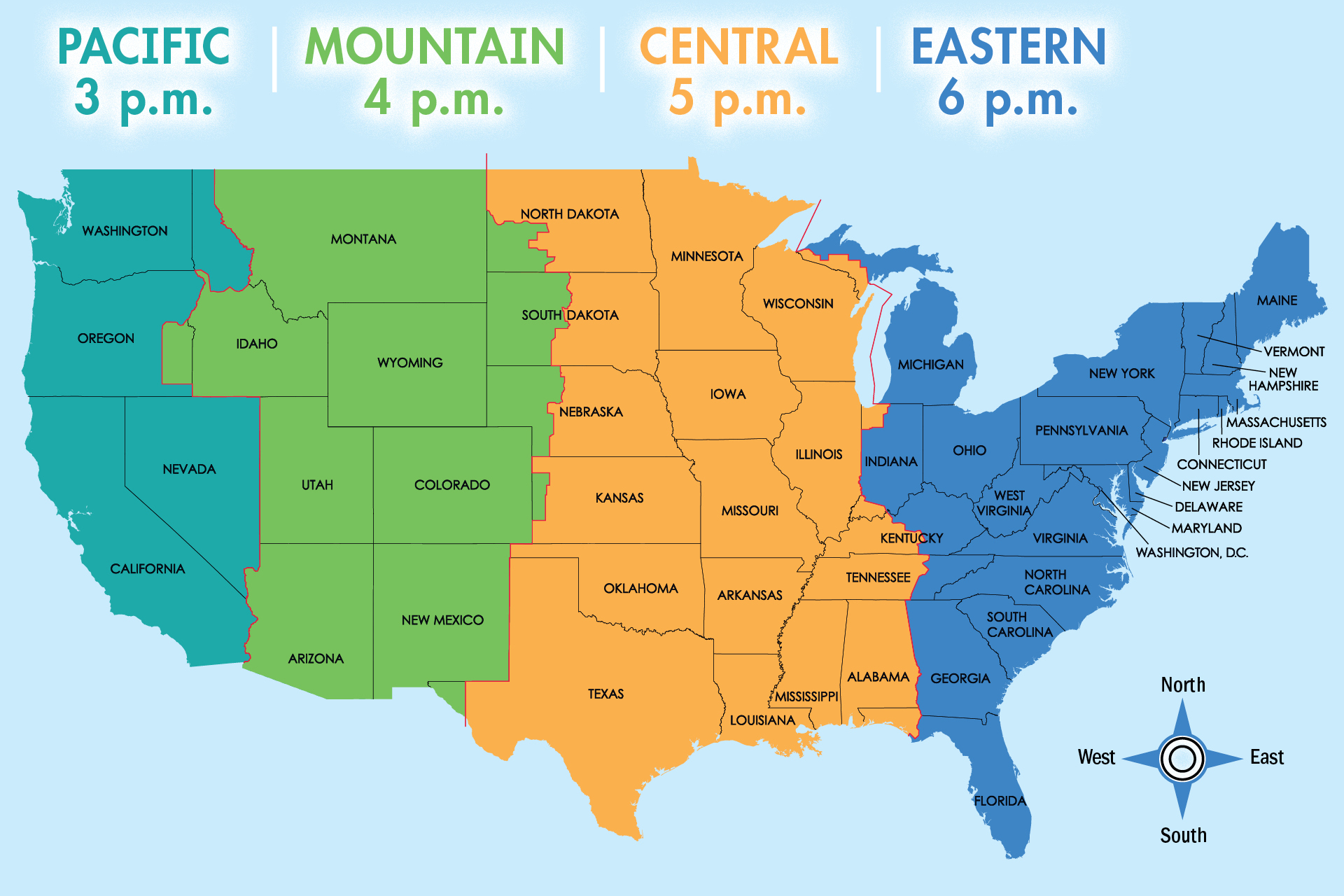
Understanding California’s Time Zone: PST and PDT
At its core, California operates on the Pacific Time Zone. However, like many regions across the globe, it also observes Daylight Saving Time, meaning the specific designation changes with the seasons.
Pacific Standard Time (PST): The Baseline
For roughly half of the year, from early November to mid-March, California adheres to Pacific Standard Time (PST). This time zone is UTC-8, meaning it is eight hours behind Coordinated Universal Time (UTC). During PST, if it’s noon UTC, it’s 4:00 AM in [California]. This is the base time for the state when Daylight Saving Time is not in effect.
For travelers, understanding PST is critical for booking flights, hotels, and activities during these months. It’s the consistent benchmark against which all other timings are measured. If you’re planning a winter escape to the snowy peaks of Lake Tahoe or exploring the deserts of Death Valley National Park, PST will be your reference point.
Embracing Pacific Daylight Time (PDT): Seasonal Shift
From mid-March to early November, California switches to Pacific Daylight Time (PDT). During this period, clocks are moved forward by one hour, making it UTC-7. This means California is seven hours behind UTC. The change typically occurs on the second Sunday in March (“spring forward”) and reverts on the first Sunday in November (“fall back”).
The transition to PDT is primarily intended to make better use of daylight, providing longer evenings during the warmer months. For visitors, this translates to more daylight hours for outdoor activities, sightseeing, and enjoying California’s natural beauty. Imagine having an extra hour of daylight to explore the bustling streets of San Francisco or relax on a beach in San Diego. However, it also means a more significant time difference for those arriving from locations that do not observe Daylight Saving Time or from time zones further east.
The Importance of Knowing the Difference
While the one-hour shift might seem minor, incorrectly accounting for it can lead to missed flights, late check-ins, or confusing appointment times. Most smartphones and digital devices automatically adjust for Daylight Saving Time, but it’s always wise to double-check, especially when dealing with manually set alarms or older devices.
For travelers from within the United States, the Pacific Time Zone is three hours behind the Eastern Time Zone (New York, Florida), two hours behind the Central Time Zone (Chicago, Dallas), and one hour behind the Mountain Time Zone (Denver, Phoenix, though Arizona does not observe DST). For international travelers arriving from Europe, Asia, or Australia, the time difference can be substantial, often necessitating careful jet lag management.
Navigating Time Zones for the Savvy California Traveler
Understanding California’s time zone is not just a geographical fact; it’s a practical tool for planning every aspect of your trip. From booking flights to coordinating meetings, time zone awareness contributes significantly to a stress-free travel experience.
Planning Your Arrival and Departure
When booking flights to major California cities like Los Angeles, San Francisco, or San Diego, all arrival and departure times will be quoted in the local Pacific Time Zone. If you’re coming from the East Coast of the United States, remember that a 9:00 AM flight from New York might land at 12:00 PM [Pacific Time Zone], giving you a full afternoon to explore. Conversely, a morning flight back east will mean arriving much later in the day.
Always confirm the specific time zone (PST or PDT) that will be in effect during your travel dates. This is particularly important around the “spring forward” and “fall back” dates, where a missed hour could lead to a missed connection or an early check-in at your hotel being perceived as late. Airlines are typically good about specifying local times, but a quick cross-reference with a reliable world clock app can offer peace of mind.
Booking Accommodations and Activities
Hotels, resorts, and apartments across California will always operate on local Pacific Time. Check-in and check-out times, usually around 3:00 PM and 11:00 AM respectively, are fixed to PST or PDT. If you’re arriving early morning from a long-haul flight, consider booking an extra night or contacting your hotel (Grand Hyatt, Four Seasons, etc.) in advance to arrange an early check-in. Many accommodations offer flexible options or day-use rates, especially for those suffering from jet lag.
Similarly, when booking attractions, tours, or restaurant reservations, all listed times will be local. For example, if you’re planning to visit Disneyland Park or Universal Studios Hollywood, their opening and closing hours, showtimes, and ride reservations are all based on [Pacific Time Zone]. Missing a scheduled entry time because you were on your home time zone could lead to disappointment. Confirming these details in advance helps in creating a realistic and enjoyable itinerary.
Communicating Across Time Zones
For business travelers, or those needing to stay in touch with family and colleagues back home, managing communication across time zones is essential. A 9:00 AM meeting in New York means you’ll need to be ready at 6:00 AM in California. This can impact sleep schedules and morning routines. Utilizing scheduling tools that automatically convert time zones can be incredibly helpful.
Even for leisure travelers, a quick call to check in with family in Europe might mean waking them up in the middle of their night if you don’t account for the 8-9 hour difference. Before making important calls or sending time-sensitive messages, always do a quick time zone comparison to maintain polite and effective communication.
Mitigating Jet Lag and Maximizing Your California Experience
Jet lag is the body’s natural response to rapid travel across multiple time zones, and it can significantly impact your enjoyment of California’s diverse offerings. While the exact effects vary by individual, understanding and preparing for it can help you adapt more quickly and make the most of your trip.
Pre-Trip Adjustments for a Smoother Transition
- Gradual Shift: If possible, start adjusting your sleep schedule a few days before your trip. If you’re traveling west to California, try going to bed and waking up an hour or two later each day. If traveling east, do the opposite.
- Hydration and Light Meals: Stay well-hydrated in the days leading up to your flight and opt for lighter meals. This can help your body feel better and more resilient to the stresses of travel.
- Set Your Watch Early: As soon as you board your flight, or even the day before, set your watch to California time. Mentally prepare for the new schedule, even if your body isn’t there yet.
On-the-Ground Strategies for Quick Adaptation
Upon arrival, several strategies can help you acclimate quickly to Pacific Time:
- Embrace Daylight: Seek out natural light, especially in the morning. Open the curtains in your hotel room, go for a walk along the Santa Monica Pier or explore a park. Sunlight helps reset your body’s circadian rhythm.
- Stay Hydrated and Eat Locally: Continue to drink plenty of water and try to eat meals at local times, even if you’re not hungry. Sampling California’s renowned cuisine (from farm-to-table in Napa Valley to fresh seafood in San Francisco) can be an enjoyable way to ease into the local rhythm.
- Manage Naps Wisely: If you must nap, keep it short (20-30 minutes) and try to do it earlier in the day to avoid interfering with nighttime sleep.
- Resist Early Bedtimes: Even if you feel exhausted, try to stay awake until a reasonable bedtime in California. Push through the evening, perhaps with a gentle stroll or a relaxed dinner, to help solidify your new sleep schedule.
- Exercise: Moderate exercise can help alleviate jet lag symptoms and improve sleep quality. A morning jog along the beach or a hike in one of California’s many state parks can be invigorating.
Optimizing Your Days for California Adventures
Once you’ve adjusted, you can truly leverage the Pacific Time Zone to your advantage. Early mornings offer quieter experiences at popular landmarks like the Golden Gate Bridge or Griffith Observatory. The extended daylight during PDT provides ample opportunity for outdoor activities, from surfing in Malibu to wine tasting in Napa Valley, without feeling rushed. By consciously planning your activities around the local time and your body’s adjusted rhythms, you’ll gain a deeper appreciation for the California lifestyle.
Time Zone Considerations for Specific California Experiences
California’s vast geography and diverse offerings mean that time zone implications can vary slightly depending on your specific travel plans.
City Explorations: Los Angeles, San Francisco, and Beyond
Whether you’re exploring the glamorous streets of Beverly Hills in Los Angeles, admiring the Victorian architecture in San Francisco, or enjoying the laid-back vibe of San Diego, all city-based activities adhere strictly to the Pacific Time Zone.
- Los Angeles: From studio tours in Hollywood to dining in Santa Monica, scheduling everything correctly is vital. Peak traffic hours often align with morning and evening commutes, so planning your travel between attractions to avoid these times can save you valuable hours, regardless of jet lag.
- San Francisco: Cable car schedules, ferry departures to Alcatraz Island, and museum opening hours are all fixed. Be mindful that San Francisco’s fog can occasionally disrupt outdoor plans, making flexibility in your schedule important.
- San Diego & Other Cities (e.g., Sacramento, San Jose, Anaheim): The principle remains the same. Always confirm timings with reference to PST/PDT. This is especially true for events, concerts, or sports games, where specific start times are critical.
Nature Escapes: Yosemite and Coastal Wonders
California’s natural landmarks are often subject to specific operating hours, seasonal closures, or reservation requirements.
- Yosemite National Park: Park entrance times, shuttle bus schedules, and guided tour departures all operate on [Pacific Time Zone]. If you have timed entry reservations, missing your slot due to a time zone miscalculation could mean missing out on seeing iconic features like El Capitan or Half Dome.
- Coastal Drives (Big Sur, Highway 1): While open 24/7, appreciating these scenic drives is highly dependent on daylight. Planning your drive to make the most of the sun, especially during PDT, enhances the experience significantly. Sunset views over the Pacific Ocean are legendary and worth timing your drive for.
- Lake Tahoe & Mountain Regions: Ski resort operating hours, boat rental times, and hiking trail access are all time-sensitive. Be aware that weather conditions in mountain areas can also impact schedules, so always confirm local information.
Business Travel and Remote Work
For business travelers, managing California’s time zone is about more than just personal comfort; it’s about professional efficiency. Coordinating meetings with colleagues in different time zones requires meticulous planning. If your team is primarily on the East Coast, early morning calls will be a norm for you in California.
- Meeting Scheduling: Use online tools that display multiple time zones to find mutually convenient times. Be explicit about the time zone when scheduling: “9:00 AM PST” rather than just “9:00 AM.”
- Remote Work: If you’re staying for an extended period for remote work, establish a routine that balances your work schedule with local California life. This might involve an earlier start to overlap with East Coast teams or a later finish for Asia-Pacific colleagues.
- Networking Events: Pay close attention to the start and end times of conferences, workshops, and networking events, which will always be in local [Pacific Time Zone].
Practical Tools and Resources for Time Zone Management
In today’s digital age, managing time zones is easier than ever. Here are some indispensable tools and resources:
- Smartphone World Clock: Almost all smartphones have a built-in world clock feature, allowing you to quickly add and view times for multiple cities simultaneously. This is your most basic and essential tool.
- Online Time Zone Converters: Websites like Time and Date (timeanddate.com) or Every Time Zone (everytimezone.com) offer robust conversion tools, often with interactive maps and Daylight Saving Time schedules.
- Calendar Apps: Google Calendar, Outlook Calendar, and other digital calendars allow you to specify event time zones, ensuring that appointments appear correctly no matter where you are viewing them from.
- Airline and Hotel Apps: Many airlines and hotel chains provide apps that automatically update your booking details to local time, offering peace of mind.
- Wearable Technology: Smartwatches often sync with your phone’s time settings and can provide quick access to world clock functions.
In conclusion, while California consistently operates on the Pacific Time Zone (PST/PDT), a mindful approach to its nuances is key for any visitor. By understanding the shift between Pacific Standard Time and Pacific Daylight Time, planning your schedule accordingly, and proactively addressing potential jet lag, you can transform a potential logistical headache into a seamless and unforgettable California experience. From the vibrant cityscapes to the serene natural landscapes, California awaits, perfectly synchronized for your arrival.
LifeOutOfTheBox is a participant in the Amazon Services LLC Associates Program, an affiliate advertising program designed to provide a means for sites to earn advertising fees by advertising and linking to Amazon.com. Amazon, the Amazon logo, AmazonSupply, and the AmazonSupply logo are trademarks of Amazon.com, Inc. or its affiliates. As an Amazon Associate we earn affiliate commissions from qualifying purchases.