
For anyone planning a journey to the vibrant heart of the Midwest, a fundamental piece of information often overlooked but crucial for seamless travel is understanding the local time zone. Kansas City, Missouri, a dynamic metropolis famed for its jazz heritage, barbecue, and fountains, operates within the Central Time Zone (CT). This means that during Standard Time, Kansas City observes Central Standard Time (CST), which is UTC-6. When Daylight Saving Time (DST) is in effect, typically from the second Sunday in March to the first Sunday in November, the city switches to Central Daylight Time (CDT), moving to UTC-5.
This seemingly simple fact holds profound implications for travelers, from managing flight schedules and mitigating jet lag to coordinating business meetings and making the most of a leisure trip. Understanding the ebb and flow of time in Kansas City is not just about knowing what time to set your watch; it’s about optimizing your entire experience, ensuring every moment spent in this captivating destination is utilized to its fullest potential. Whether you’re arriving from a different time zone within the United States or embarking on an international adventure, a clear grasp of Kansas City’s time zone is your first step towards a well-planned and enjoyable visit.
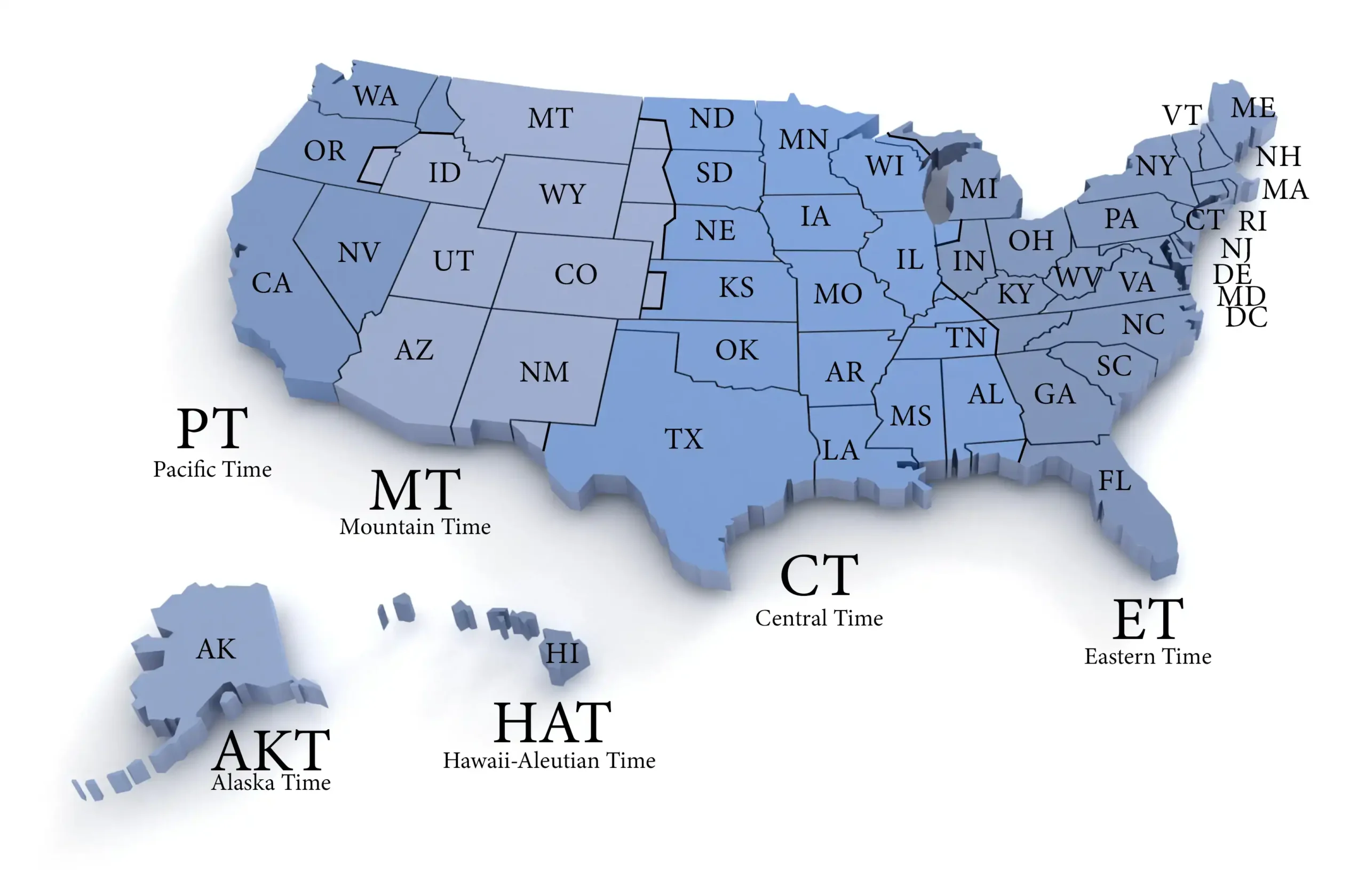
Navigating Time in the Heart of America: Central Standard Time
The Central Time Zone is a significant geographical band covering a broad swath of the United States, Canada, Mexico, and parts of Central America. For Kansas City, its position within this zone means it shares a common time with major cities like Chicago, Dallas, and St. Louis. This regional consistency can simplify travel planning for those coming from neighboring states, but it introduces a distinct shift for visitors from the East Coast or West Coast.
Understanding CST and Daylight Saving Time
During the cooler months, Kansas City observes Central Standard Time (CST), which is six hours behind Coordinated Universal Time (UTC-6). This period marks shorter daylight hours and cooler temperatures, aligning with the typical rhythm of autumn and winter. The transition to Daylight Saving Time (DST) in March sees clocks “spring forward” by one hour, shifting the city to Central Daylight Time (CDT), which is UTC-5. This change brings longer daylight evenings, ideal for outdoor activities, evening strolls, and al fresco dining, which become prominent features of the Kansas City lifestyle throughout spring and summer.
Understanding this annual shift is paramount, especially when booking flights, making hotel reservations, or scheduling events that straddle the DST changeover dates. A flight scheduled to depart just before the change might operate on a different local time upon arrival, necessitating careful attention to detail on tickets and confirmations. Most modern devices automatically adjust for DST, but it’s always wise to double-check, particularly for crucial appointments or connections. For international travelers, the adjustment can be even more pronounced, requiring a more significant recalculation of time differences relative to their home country.

Implications for Travelers and Business Visitors
For travelers, the time zone difference directly impacts everything from managing jet lag to coordinating transportation. Arriving from the East Coast, you’ll gain an hour, which can feel like a welcome extension to your day. Conversely, coming from the West Coast means losing two hours, potentially leading to mild jet lag or a feeling of being behind schedule. Strategically planning your arrival and initial activities can help smooth this transition. For example, a morning arrival from the west allows for more daylight hours to adjust before settling down for the evening, while an afternoon arrival from the east gives you more time to explore upon landing.
Business visitors, in particular, must be acutely aware of Kansas City’s time. Scheduling conference calls, client meetings, or presentations requires precise calculations, especially with colleagues or clients in different time zones like New York City (Eastern Time), Denver (Mountain Time), or Los Angeles (Pacific Time). A meeting at 9:00 AM CST is 10:00 AM EST, 8:00 AM MST, and 7:00 AM PST. Miscalculations can lead to missed opportunities or a perception of unprofessionalism. This necessitates clear communication and the use of tools that automatically convert time zones, ensuring everyone is on the same page. The early morning hours in Kansas City might be the optimal time to connect with West Coast partners, while late afternoon could be perfect for those on the East Coast.

Planning Your Kansas City Itinerary: Time Zone Considerations for Tourism
Beyond the initial adjustment, the local time zone profoundly influences how tourists experience Kansas City. The operating hours of attractions, the rhythm of dining and entertainment, and the flow of local life are all dictated by the Central Time Zone. Thoughtful planning that accounts for this will allow you to maximize your visit and immerse yourself fully in the city’s unique charm.
Maximizing Your Day: Attractions and Experiences
Kansas City boasts an impressive array of attractions, from world-class museums to vibrant entertainment districts. The Nelson-Atkins Museum of Art, the National WWI Museum and Memorial, and Union Station Kansas City typically open their doors in the morning, around 9:00 AM or 10:00 AM CST/CDT, and close in the late afternoon or early evening. Planning your visits to these landmarks means aligning with these local schedules. For instance, if you’re arriving from the East Coast and gain an hour, you might feel refreshed enough to hit a museum shortly after check-in. If you’re coming from the West Coast, an early morning start might feel difficult; perhaps schedule a more relaxed brunch or a stroll through a park before diving into the day’s main attractions.
Outdoor attractions like the Kansas City Zoo or theme parks like Worlds of Fun are also governed by daylight hours, with extended operating hours during summer Daylight Saving Time. These longer evenings are perfect for enjoying the city’s green spaces, exploring the famous fountains, or taking an evening walk through the beautifully lit Country Club Plaza. Checking the specific opening and closing times for each attraction is crucial, as these can vary seasonally and even on different days of the week.
Dining and Entertainment: Syncing with Local Rhythms
Kansas City is renowned for its incredible barbecue and a thriving culinary scene. Restaurants and bars operate on local time, with lunch rushes typically occurring between 11:30 AM and 1:30 PM, and dinner service beginning around 5:00 PM or 6:00 PM. If you’re accustomed to dining earlier or later in your home time zone, be mindful of this. Booking reservations, especially for popular barbecue joints or fine dining establishments, should always be done with the local clock in mind.
The city’s legendary live music scene, particularly in the 18th and Vine Jazz District, comes alive in the evenings, with performances often starting after 7:00 PM or 8:00 PM and continuing late into the night. Sports events at Arrowhead Stadium (home of the Kansas City Chiefs) or Kauffman Stadium (home of the Kansas City Royals) also follow local game times, which are often adjusted for television broadcasts. For example, a Sunday afternoon Chiefs game kicking off at noon CST means you need to be in your seat well before that. Similarly, concerts at the T-Mobile Center or performances in the Crossroads Art District will have showtimes strictly adhering to Kansas City local time. Being aware of these schedules helps avoid missing out on cherished experiences and allows for seamless transitions between different parts of your itinerary.
Accommodation and Comfort: Hotels Adapting to Your Clock
Hotels and other accommodation providers in Kansas City play a crucial role in helping travelers adjust to the local time zone and ensure a comfortable stay. From check-in and check-out policies to amenities designed to combat jet lag, understanding these offerings can significantly enhance your travel experience.
Services for Jet-Lagged Travelers and Early Risers
For those arriving from distant time zones, the hotel’s approach to check-in and check-out can be a lifesaver. Standard check-in times are often around 3:00 PM or 4:00 PM CST/CDT, while check-out is typically 11:00 AM or noon. If you arrive early from the East Coast and feel like you’ve gained a productive morning, many hotels, such as the Loews Kansas City Hotel or the Sheraton Kansas City Hotel at Crown Center, offer early check-in based on availability, sometimes for an additional fee. This allows you to settle in, refresh, and begin exploring without delay. Similarly, if you’re departing late, late check-out options can provide extra time to relax or conduct last-minute business.
Hotels also offer amenities that aid in time zone adjustment. Blackout curtains are invaluable for ensuring restful sleep regardless of the time your body thinks it is. Many establishments have 24-hour fitness centers, allowing you to maintain your routine at any hour. Room service, often available late into the night or early morning, caters to unconventional eating schedules caused by jet lag. Concierge services can also be instrumental, providing advice on local activities suitable for early risers or late-night explorers, helping you gently ease into the local rhythm. For example, they might recommend a peaceful morning walk around the Hallmark Crown Center or suggest a late-night Jazz District club.
Business Stays and Time-Sensitive Engagements
Business travelers have unique needs tied to time zone management. Hotels in Kansas City are well-equipped to support these demands. High-speed internet, business centers, and meeting rooms ensure you can stay connected and productive, regardless of where your colleagues are located. Many upscale hotels cater specifically to the business demographic, offering executive lounges with extended hours for working or networking.
The proximity of hotels to key business districts, such as downtown Kansas City or areas like Overland Park just across the state line, minimizes commute times. This is especially critical when dealing with tight schedules and time differences. Waking up an hour earlier in Kansas City might feel like a 5 AM start to someone from the West Coast, but a hotel’s amenities like a coffee maker in the room or an early breakfast service can make it manageable. For longer business stays, accommodations with kitchens or separate living areas can provide a more comfortable base, allowing for a better work-life balance even when battling time zone shifts.
Iconic Landmarks and Their Local Time Clocks
Kansas City’s identity is deeply intertwined with its landmarks, each with its own rhythm dictated by the Central Time Zone. Visiting these sites means respecting their local operating hours and understanding how the city’s clock shapes the experience.
Exploring History and Culture on Kansas City Time
The National WWI Museum and Memorial, a powerful tribute to world history, opens its doors typically at 10:00 AM CST/CDT, offering visitors ample time to explore its extensive exhibits before closing in the late afternoon. Similarly, the Nelson-Atkins Museum of Art welcomes art enthusiasts during similar daytime hours, often with one or two late evenings for those who prefer cultural immersion after dark. These schedules reflect the local flow of life, allowing for morning school groups and daytime visitors, with some flexibility for evening events.
The vibrant 18th and Vine Jazz District, home to the American Jazz Museum and the Negro Leagues Baseball Museum, operates on a schedule that balances daytime historical exploration with lively evening entertainment. While the museums typically close by 5:00 PM, the jazz clubs truly come alive later, echoing the tradition of late-night jam sessions that define Kansas City’s musical heritage.
Even shopping districts like the Country Club Plaza and the Power & Light District have their schedules dictated by the Central Time Zone. Shops on the Plaza generally open at 10:00 AM or 11:00 AM and close around 8:00 PM or 9:00 PM, while the entertainment venues in the Power & Light District truly get going as the evening progresses, with bars and clubs often open until the early hours of the morning.
For unique experiences, consider the antique shops and galleries of The West Bottoms, which often have more limited hours, typically only open on “First Weekends” of the month from Friday through Sunday, emphasizing the importance of checking local times and specific event schedules. The historic River Market, on the other hand, is usually bustling from early morning with farmers market activity, gradually winding down in the afternoon.
Ultimately, your success in navigating Kansas City‘s diverse offerings hinges on a mindful approach to its time zone. By understanding the Central Standard Time and Daylight Saving Time shifts, and by planning your travel, accommodations, and itinerary accordingly, you unlock the full potential of this magnificent city. Whether you’re here for its rich history, delectable cuisine, vibrant nightlife, or thriving business scene, mastering the clock in Kansas City is key to a truly memorable and stress-free experience. So, set your watch, embrace the rhythm of the Midwest, and prepare to explore all that Kansas City, Missouri has to offer.
LifeOutOfTheBox is a participant in the Amazon Services LLC Associates Program, an affiliate advertising program designed to provide a means for sites to earn advertising fees by advertising and linking to Amazon.com. Amazon, the Amazon logo, AmazonSupply, and the AmazonSupply logo are trademarks of Amazon.com, Inc. or its affiliates. As an Amazon Associate we earn affiliate commissions from qualifying purchases.