
When planning a trip to the vibrant city of San Francisco, understanding its time zone is a seemingly small detail that can significantly impact your travel arrangements, communications, and overall experience. This iconic Californian metropolis, perched on the Pacific coast, operates within a specific time zone that aligns with its geographical location and influences everything from flight schedules to dinner reservations. For travelers, particularly those coming from different parts of the United States or from international destinations, a clear grasp of San Francisco’s time zone is essential for smooth navigation and to avoid any potential confusion or missed opportunities.
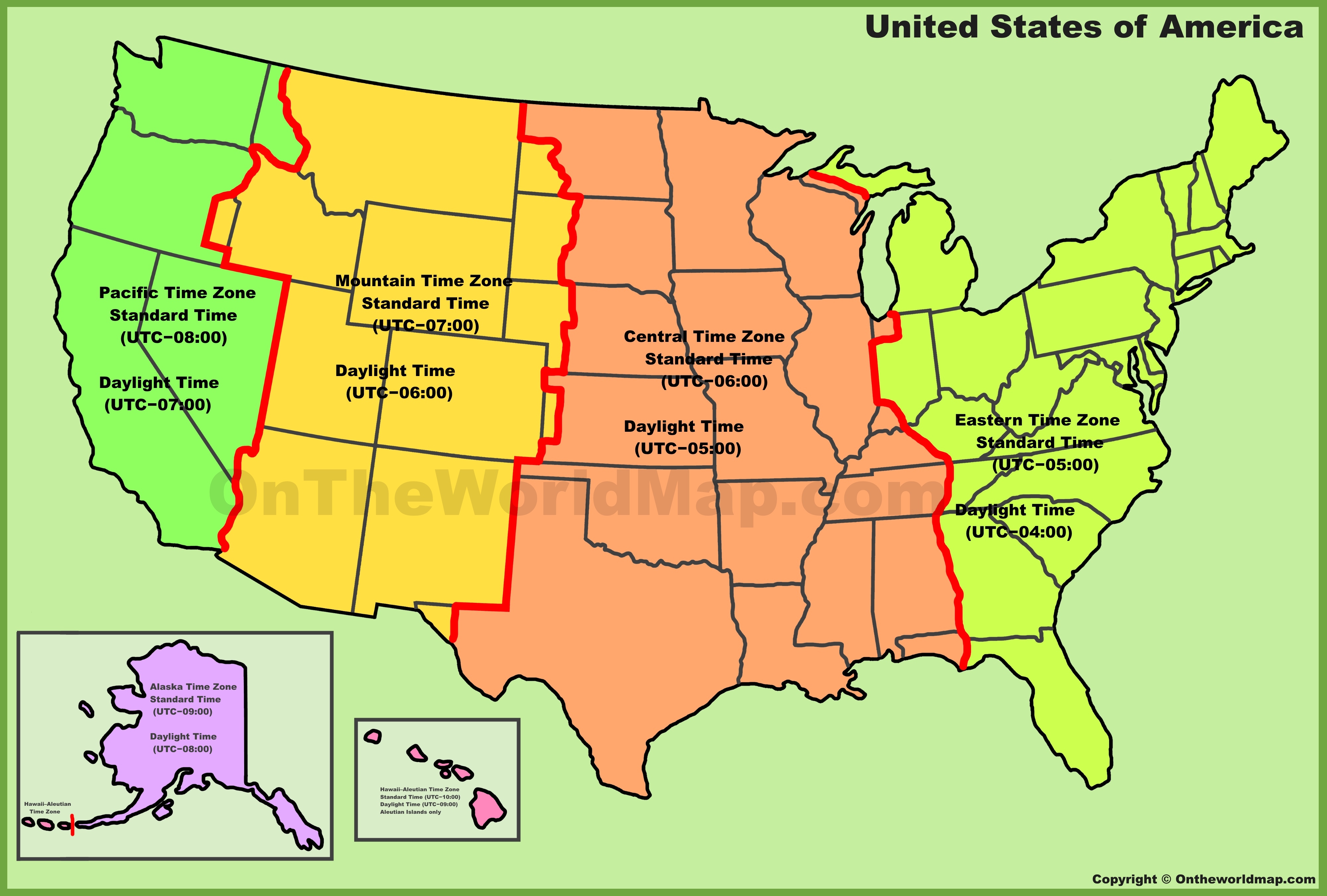
San Francisco is located in the Pacific Time Zone (PT). This time zone is a significant part of the North American time zone system, and it is characterized by its relationship to Coordinated Universal Time (UTC). During standard time, the Pacific Time Zone observes Pacific Standard Time (PST), which is UTC-8. However, like much of the United States, San Francisco observes Daylight Saving Time (DST). When DST is in effect, the time shifts forward by one hour, and the zone becomes Pacific Daylight Time (PDT), which is UTC-7. This shift typically occurs on the second Sunday in March and ends on the first Sunday in November, aligning with the rest of the contiguous United States. This fluctuation between PST and PDT is a crucial element to remember when coordinating with people in San Francisco or when booking flights and accommodations.
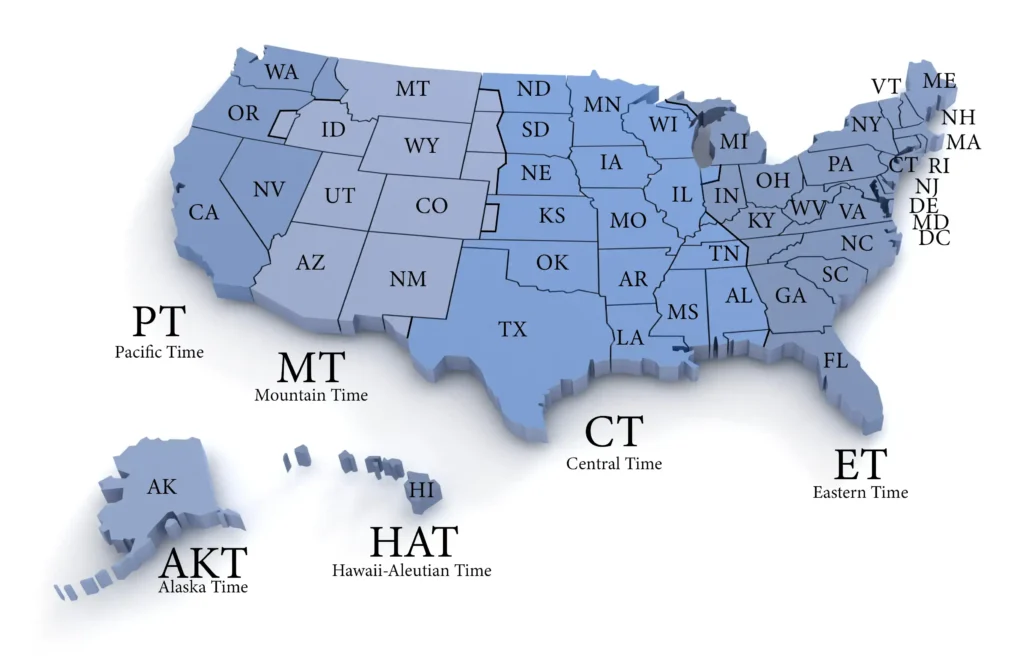
Understanding this time zone is not just about knowing the hour. It impacts how you might schedule calls with business contacts in New York (Eastern Time), plan to catch a live event broadcast from London (Greenwich Mean Time), or simply ensure you arrive at your hotel on time after a long journey. The geographical expanse of the Pacific Time Zone stretches across several states in the western United States, making it a familiar reference point for many travelers, but its specific application to San Francisco remains the key for visitors to this captivating city.
Navigating San Francisco’s Time Zone for Your Travel Plans
The primary concern for any traveler is how the local time zone will affect their itinerary and daily activities. For San Francisco, this means understanding the practical implications of Pacific Time.
Jet Lag and Arrival Times
One of the most immediate impacts of a different time zone is jet lag. Traveling from the East Coast of the United States to San Francisco, for example, means a three-hour difference. This can disrupt your internal body clock, leading to fatigue, difficulty sleeping, and reduced alertness upon arrival. To mitigate jet lag, experts often recommend adjusting your sleep schedule gradually before your trip, staying hydrated, and exposing yourself to natural light upon arrival to help recalibrate your circadian rhythm. When arriving in San Francisco, understanding the local time will help you manage your first day effectively, perhaps by planning lighter activities or an early night to adjust.
For those flying into San Francisco International Airport (SFO), a major gateway to the city, flight arrival times will be listed in Pacific Time. If you are booking flights, cross-referencing these times with your departure city’s time zone is critical. For instance, a flight departing from New York City at 3 PM Eastern Time (ET) would land in San Francisco around 6 PM Pacific Time (PT), considering the three-hour difference and typical flight duration. This kind of calculation is vital for arranging airport transfers and ensuring that your hotel reservation is active for the correct arrival date and time.
Coordinating Communications and Meetings
Effective communication is paramount for a seamless travel experience, and knowing San Francisco’s time zone is key to this. Business travelers, in particular, need to be acutely aware of the time difference when scheduling conference calls, virtual meetings, or even informal check-ins with colleagues or clients. A 9 AM meeting in San Francisco is a much later 12 PM meeting in Chicago (Central Time) and a 1 PM meeting in New York. This can influence the urgency and tone of communications, as well as the availability of individuals.
Beyond business, this knowledge is also useful for coordinating with friends or family who might be waiting for your updates or planning to connect with you. Sharing photos, making video calls, or simply letting someone know you’ve arrived safely all depend on an accurate understanding of when it is in San Francisco. It also helps when booking tours or making reservations for popular attractions and restaurants, ensuring you don’t miss your slot.
Daylight Saving Time Considerations
The observance of Daylight Saving Time in San Francisco, as in most of the United States, means that the UTC offset changes twice a year. This can sometimes lead to confusion, especially if you are dealing with international communications or booking services that might be based in regions that do not observe DST.
For example, if you are arranging a call with someone in the United Kingdom, the time difference will vary depending on whether both locations are observing DST. When San Francisco is on PST (UTC-8) and London is on Greenwich Mean Time (GMT, UTC+0), there is an 8-hour difference. However, when San Francisco switches to PDT (UTC-7) and London switches to British Summer Time (BST, UTC+1), the difference remains 8 hours. The critical point is that these transitions happen on different dates, so there can be a week or two where the time difference is not the standard one you are used to. Always double-check the exact UTC offsets during these transition periods to avoid miscalculations. This is particularly relevant when booking international flights or coordinating with global partners.
Exploring San Francisco: Time Zone’s Impact on Attractions and Activities

San Francisco is brimming with world-renowned landmarks, unique neighborhoods, and diverse cultural experiences. How the time zone affects your exploration of these can be significant, influencing when you can visit, what you can see, and how you can best enjoy your time.
Optimizing Visits to Famous Landmarks
San Francisco boasts a wealth of iconic landmarks, each offering a distinct experience. Visiting these popular spots requires planning, and understanding the time zone can help you maximize your visit.
-
Golden Gate Bridge: This majestic structure is a symbol of San Francisco. For the best views and fewer crowds, consider visiting early in the morning, just as the fog begins to lift, or during the late afternoon for stunning sunset vistas. Knowing the local time will help you time these visits perfectly. For instance, a late afternoon visit for sunset would be around 7 PM to 8 PM Pacific Time during the summer months, whereas in winter, sunset might be as early as 4:30 PM PST.
-
Alcatraz Island: Tours to the infamous Alcatraz Island often sell out well in advance. The ferry departure times are all listed in Pacific Time. Booking an afternoon tour might allow you to experience the island as the sun begins to set over the San Francisco Bay, adding a dramatic flair to the historic prison. Be sure to check the ferry schedules meticulously, especially when accounting for travel time to the departure point at Pier 33.
-
Fisherman’s Wharf and Pier 39: These bustling waterfront areas are popular day and night. Arriving in the late morning or early afternoon allows ample time to explore the sea lions at Pier 39, enjoy fresh seafood, and soak in the lively atmosphere. Evening visits offer a different ambiance, with many restaurants and shops remaining open. If you’re planning to catch a show or a special event at Ghirardelli Square, knowing the exact showtime in Pacific Time is crucial.
Experiencing Local Culture and Cuisine
San Francisco’s rich tapestry of local culture and culinary delights is best savored when you are well-rested and have time to immerse yourself.
-
Culinary Scene: San Francisco is a food lover’s paradise, from Michelin-starred restaurants to iconic sourdough bakeries and vibrant food markets like the Ferry Building Marketplace. Dinner reservations, especially for popular restaurants in neighborhoods like North Beach or the Mission District, can be highly sought after. Booking a table for 7 PM PT might feel like a standard dinner hour, but if you’re coming from further east, it’s a much earlier mealtime. Planning your dining experiences around your daily activities and ensuring you have enough time to digest and enjoy the local flavors is key.
-
Neighborhood Exploration: Each San Francisco neighborhood has its own unique charm. Exploring areas like Chinatown, Japantown, or the colorful streets of The Castro can take an entire afternoon. Scheduling your explorations for when you feel most energetic will allow you to truly appreciate the local ambiance, street art, and hidden gems. For example, enjoying the late afternoon sun in Dolores Park is a quintessential San Francisco experience that benefits from knowing the precise time of day.
Practical Considerations for Accommodation and Stays
Your accommodation choice and booking strategy can also be influenced by your understanding of San Francisco’s time zone, especially when considering various types of stays.
-
Hotel Check-in and Check-out: Standard hotel check-in times are typically in the afternoon, often around 3 PM or 4 PM Pacific Time. Knowing this allows you to plan your arrival accordingly, especially if your flight lands earlier in the day. If you arrive before check-in, you can often leave your luggage with the concierge at hotels like the Fairmont San Francisco or the St. Regis San Francisco and begin exploring. Similarly, check-out times are usually in the late morning, around 11 AM PST, giving you time for a final San Francisco brunch before heading to the airport.
-
Long-Term Stays and Apartments: For those planning a longer visit, renting an apartment or a serviced apartment offers a more localized experience. Understanding the time zone is crucial for coordinating with property managers, scheduling viewings, and setting up utilities or services, especially if you are coordinating from another time zone. The flexibility of a long-term stay allows you to adapt more easily to the local rhythm, but initial planning still requires temporal accuracy.
-
Resorts and Boutique Stays: Whether you opt for a luxurious resort experience, perhaps at a property slightly outside the immediate city center like the Cavallo Point Lodge in Sausalito (across the Golden Gate Bridge), or a charming boutique hotel in a historic district, booking and arrival times are consistent. The allure of a resort might be to unwind, and knowing the local time helps in scheduling spa appointments or enjoying sunset cocktails by the pool without feeling rushed.
In conclusion, while the question “What time zone is San Francisco in?” might seem straightforward, its implications for travel are far-reaching. By understanding that San Francisco operates on Pacific Time (PST/PDT) and by considering the practicalities of jet lag, communication, Daylight Saving Time, and the scheduling of activities and accommodations, travelers can transform a potentially confusing detail into a tool for a more organized, enjoyable, and memorable trip to this magnificent city. Whether you’re marveling at the Golden Gate Bridge, indulging in its world-class culinary scene, or simply navigating the bustling streets, a firm grasp of San Francisco’s temporal landscape will undoubtedly enhance your journey.
LifeOutOfTheBox is a participant in the Amazon Services LLC Associates Program, an affiliate advertising program designed to provide a means for sites to earn advertising fees by advertising and linking to Amazon.com. Amazon, the Amazon logo, AmazonSupply, and the AmazonSupply logo are trademarks of Amazon.com, Inc. or its affiliates. As an Amazon Associate we earn affiliate commissions from qualifying purchases.