
Planning a trip to the Heart of Dixie involves meticulous preparation, from securing the perfect accommodation to mapping out your itinerary of must-see landmarks and cultural experiences. Yet, one fundamental detail often overlooked, but crucial for seamless travel, is understanding the local time zone. For those setting their sights on the captivating landscapes and vibrant cities of Alabama, knowing what time zone the state observes is key to everything from catching your flight to making dinner reservations on time. This comprehensive guide will illuminate Alabama’s time zone, explore its practical implications for visitors, and offer insights into planning an unforgettable Alabama adventure, ensuring you’re perfectly in sync with the rhythm of the South.
Understanding Alabama’s Time Zone: Central Standard Time
At its core, Alabama predominantly operates within the Central Time Zone (CT). This means that for the majority of the year, during Standard Time, the state observes Central Standard Time (CST), which is UTC-6 (Coordinated Universal Time minus six hours). When Daylight Saving Time (DST) comes into effect, usually from early March to early November, Alabama switches to Central Daylight Time (CDT), aligning with UTC-5. This forward shift of one hour during DST is a common practice across many regions to maximize daylight in the evenings.
The uniformity of the time zone across nearly the entire state simplifies planning significantly for travelers. Unlike some states that straddle multiple time zones, presenting a potential source of confusion, Alabama’s adherence to a single primary zone ensures a consistent time reference from its northern mountains to its southern Gulf Coast. This consistency is a boon for tourism, allowing visitors to explore diverse destinations like the historic streets of Mobile, the aerospace marvels of Huntsville, or the lively urban scene of Birmingham without constantly adjusting their watches.
The Dynamics of Daylight Saving Time in Alabama
The shift to and from Daylight Saving Time is an annual event that impacts nearly every aspect of daily life, including travel schedules and tourism activities. In Alabama, residents and visitors “spring forward” one hour in March and “fall back” one hour in November. This means that during the warmer months, when Daylight Saving Time is observed, there is an extra hour of daylight in the evening. For tourists, this offers extended opportunities to enjoy outdoor attractions, explore local culture, and participate in evening events.
Imagine enjoying a sunset stroll along the pristine beaches of Gulf Shores or lingering longer at an outdoor café in Montgomery without feeling rushed by the fading light. This extra hour can be particularly beneficial for those embarking on family trips, allowing children more time to play outdoors, or for individuals seeking to make the most of their visit to historical landmarks such as the Birmingham Civil Rights Institute or the USS Alabama Battleship Memorial Park.
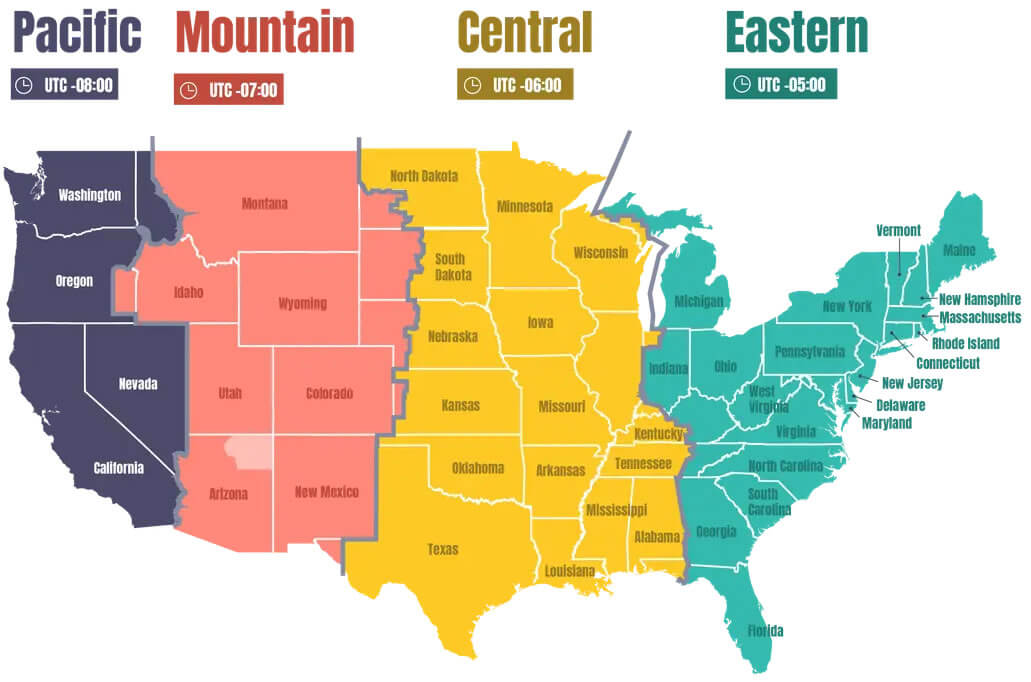
When planning your trip, it’s wise to double-check the exact dates for Daylight Saving Time changes, especially if your travel dates fall around these transitions. Most modern devices automatically adjust, but for critical appointments like flight departures or hotel check-ins, a manual confirmation can prevent any mix-ups. This simple awareness can enhance your travel experience, ensuring you’re always on schedule and never miss out on any of Alabama’s charm.
Travel Planning and Logistics: Navigating Time Zones for a Smooth Trip
Understanding Alabama’s time zone is more than just a trivial detail; it’s a critical component of effective travel planning. For both domestic and international travelers, time zone differences can impact everything from flight connections to tour schedules and even the timing of important business calls if you’re on a business stay. A little foresight in this area can prevent unexpected delays and ensure a stress-free journey through the Yellowhammer State.
Seamless Connections with Neighboring States
Alabama’s central location in the Southeastern United States means it shares borders with several other states, each with its own time zone considerations. To the west, Mississippi is also entirely within the Central Time Zone, making cross-border travel between these two states seamless in terms of time. This is particularly convenient for road trippers exploring the Deep South or travelers making their way to attractions along the Gulf Coast that span both states.
However, to the east, Georgia operates on Eastern Time (ET), meaning there is an hour difference. When crossing the border from Alabama into Georgia, you’ll “lose” an hour, moving from CST/CDT to EST/EDT. The western panhandle of Florida also observes Central Time, aligning perfectly with Alabama. This is fantastic news for visitors heading to destinations like Pensacola from Mobile or Dothan. However, the majority of Florida is on Eastern Time, so be mindful if your journey extends further east into the Sunshine State. Similarly, Tennessee is split, with its western half on Central Time and its eastern half on Eastern Time. For those driving north from Alabama towards Nashville or Memphis, the time zone remains consistent. If your journey takes you towards Knoxville or Chattanooga, you’ll encounter the time change.
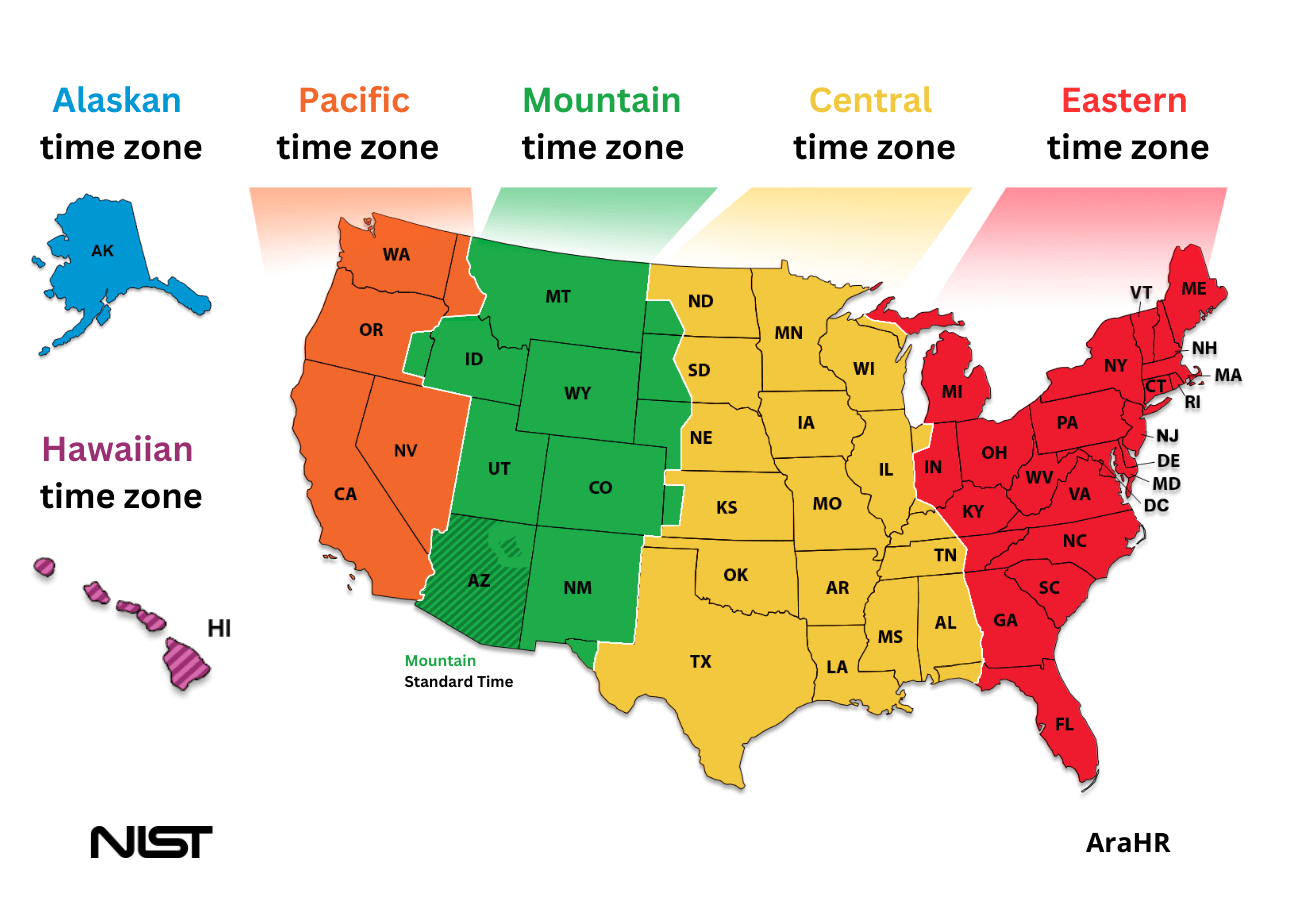
Being aware of these time zone boundaries is crucial when booking multi-state tours, coordinating meetings, or simply ensuring you arrive at attractions at the correct local time. Always confirm the local time of your destination, especially if it’s near a state border, to avoid any scheduling mishaps.
Optimizing Your Itinerary and Flight Schedules
The time zone of your origin city relative to Alabama will significantly influence your arrival experience. Travelers from the Eastern Time Zone will “gain” an hour upon arrival in Alabama, which can be a pleasant surprise, potentially allowing for an earlier check-in or an extra hour of exploration on your first day. Conversely, those coming from the Mountain Time Zone or Pacific Time Zone will face a greater time difference, necessitating more significant adjustments to avoid jet lag.
When booking flights to Alabama’s major airports, such as Birmingham-Shuttlesworth International Airport (BHM), Huntsville International Airport (HSV), or Mobile Regional Airport (MOB), pay close attention to the arrival and departure times listed, noting whether they are local times for each airport. This attention to detail ensures you allocate sufficient time for connections and transfers, especially if you have tight schedules or onward journeys. For group tours or planned activities, communicating the correct time zone to all participants is essential for smooth coordination. Many travel guides emphasize this, but it’s easy to overlook when immersed in the excitement of planning.
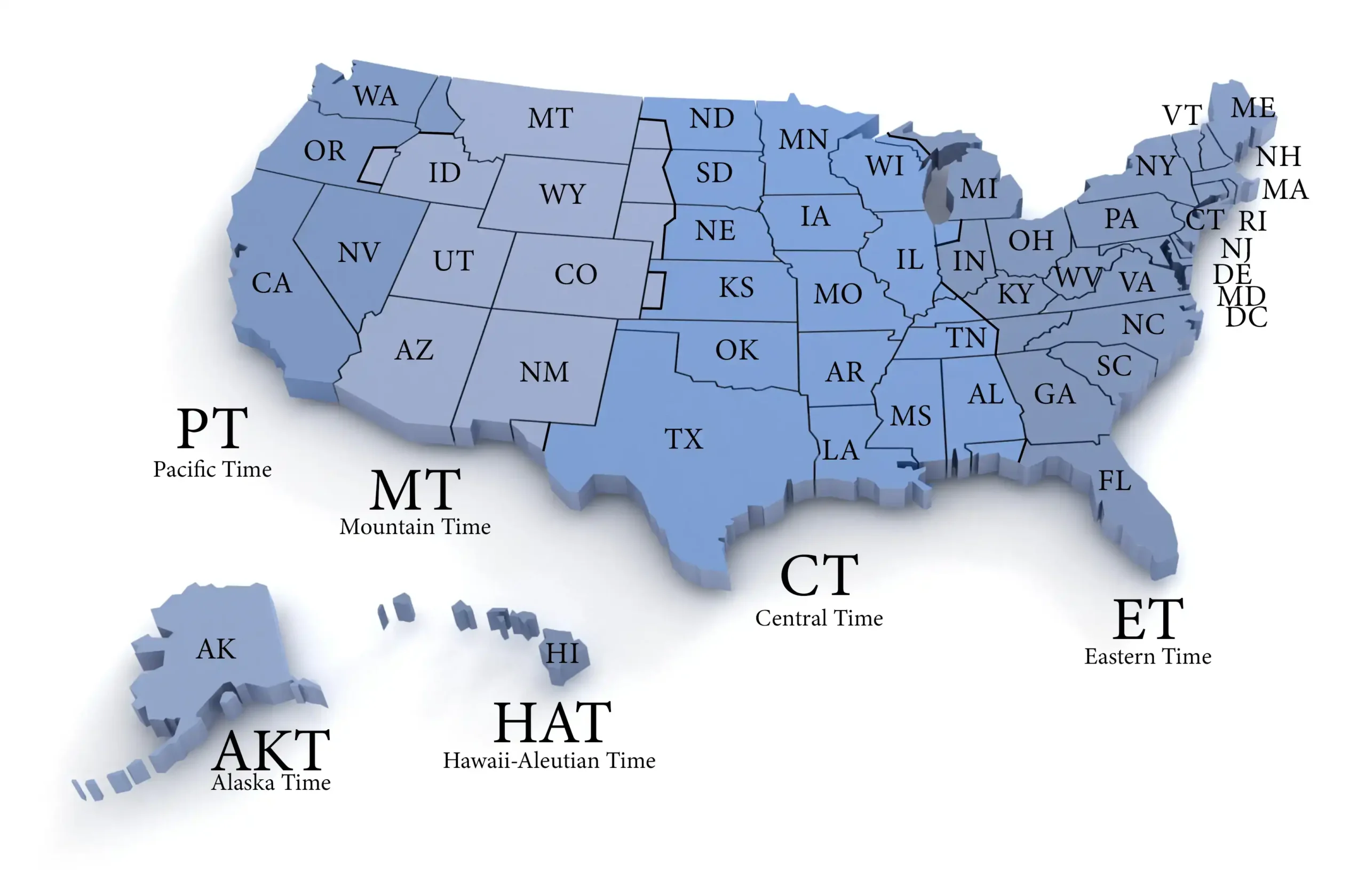
Exploring Alabama: Top Destinations and Time Management
Alabama’s rich tapestry of history, natural beauty, and vibrant urban centers offers something for every traveler. From the serene shores of the Gulf Coast to the majestic Appalachian foothills, your time zone awareness will help you make the most of every moment.
Must-Visit Cities and Attractions
Birmingham, the state’s largest city, is a hub of culture and cuisine. With its museums, revitalized downtown, and the iconic Vulcan Park and Museum, visitors can easily spend days exploring. Being in Central Time, your schedule for catching a show at the Alabama Theatre or dining at one of its acclaimed restaurants will align perfectly with the rest of the state.
Montgomery, the capital city, is steeped in Civil Rights Movement history. Landmarks like the Rosa Parks Museum, the Dexter Avenue King Memorial Baptist Church, and the Civil Rights Memorial Center offer profound insights. Plan your visits to these emotionally powerful sites during CDT to take advantage of longer daylight hours, allowing for more contemplative time.
Mobile, Alabama’s oldest city, boasts a unique French colonial heritage and is famous for its Mardi Gras celebrations. Exploring the historic Dauphin Street or the USS Alabama Battleship Memorial Park is best done with a clear understanding of the local time to ensure you don’t miss any tours or events.
Further north, Huntsville, also known as “Rocket City,” is home to the U.S. Space & Rocket Center, a must-visit for space enthusiasts. Scheduling your interactive exhibits and IMAX movie viewings will be straightforward, as Huntsville follows the same Central Time Zone as the rest of the state.
Coastal Escapes and Mountain Retreats
Beyond its cities, Alabama offers breathtaking natural beauty. The white-sand beaches of Gulf Shores and Orange Beach are prime destinations for relaxation and water sports. Time zone alignment ensures that your bookings for dolphin cruises, fishing charters, or parasailing adventures are accurate, letting you fully immerse yourself in the coastal lifestyle without a hitch. The extended daylight during CDT is particularly beneficial here, allowing for longer beach days and spectacular sunset views.
In contrast, the northern part of Alabama offers scenic mountain retreats. Areas around Mentone and Fort Payne provide opportunities for hiking, exploring waterfalls, and enjoying the tranquility of nature. Whether you’re planning a sunrise hike at Little River Canyon National Preserve or stargazing from a secluded cabin, knowing the local time ensures you arrive prepared for the optimal experience.
Accommodation and Lifestyle: Staying in Sync with Alabama
Your choice of accommodation and how you engage with the local lifestyle are also subtly influenced by time zones. From booking and check-in times to participating in local activities and dining experiences, being time-aware enhances your entire journey.
Finding the Perfect Stay Across Alabama
Whether you prefer the luxury travel of a five-star resort, the charm of a boutique hotel, or the practicality of an apartment rental for a longer stay, time zone consistency in Alabama streamlines the booking and check-in process. Most hotels and resorts will clearly state their check-in and check-out times in local Central Time. If you’re arriving late or departing early, confirming these times relative to your travel schedule can prevent any last-minute stress. Comparison websites and booking platforms usually display times in the local zone of the property, but a quick mental check against your origin time can save headaches. For those exploring unique accommodations like villas or lodges in more remote areas, direct communication with the property owners about arrival times is always recommended.
Embracing Local Culture and Events
Alabama’s vibrant tourism scene is full of festivals, live music, sporting events, and unique dining experiences. From the Talladega Superspeedway races to the National Peanut Festival in Dothan, knowing the exact local time is paramount to fully immersing yourself in these events. Restaurant opening and closing times, tour departures, and showtimes are all meticulously scheduled in Central Time. Embrace the opportunity to try authentic Alabama barbecue or fresh Gulf seafood at restaurants that cater to the local rhythm. During Daylight Saving Time, the longer evenings might encourage a more relaxed dining pace or allow for post-dinner strolls, enhancing the overall lifestyle experience of your trip. Whether you’re on a budget travel adventure or indulging in luxury, synchronizing with the local clock is key to an enjoyable and authentic Alabama experience.
In conclusion, Alabama is firmly rooted in the Central Time Zone, observing CST and CDT throughout the year. This consistency, coupled with an understanding of its interactions with neighboring states and the annual shift for Daylight Saving Time, forms a crucial foundation for any successful visit. By being mindful of the time, travelers can seamlessly navigate flight schedules, optimize their itineraries across Alabama’s diverse destinations, and fully embrace the rich culture and vibrant lifestyle of the Heart of Dixie. So set your watch, and get ready to experience all that this remarkable state has to offer, perfectly in sync with its unique Southern charm.
LifeOutOfTheBox is a participant in the Amazon Services LLC Associates Program, an affiliate advertising program designed to provide a means for sites to earn advertising fees by advertising and linking to Amazon.com. Amazon, the Amazon logo, AmazonSupply, and the AmazonSupply logo are trademarks of Amazon.com, Inc. or its affiliates. As an Amazon Associate we earn affiliate commissions from qualifying purchases.