
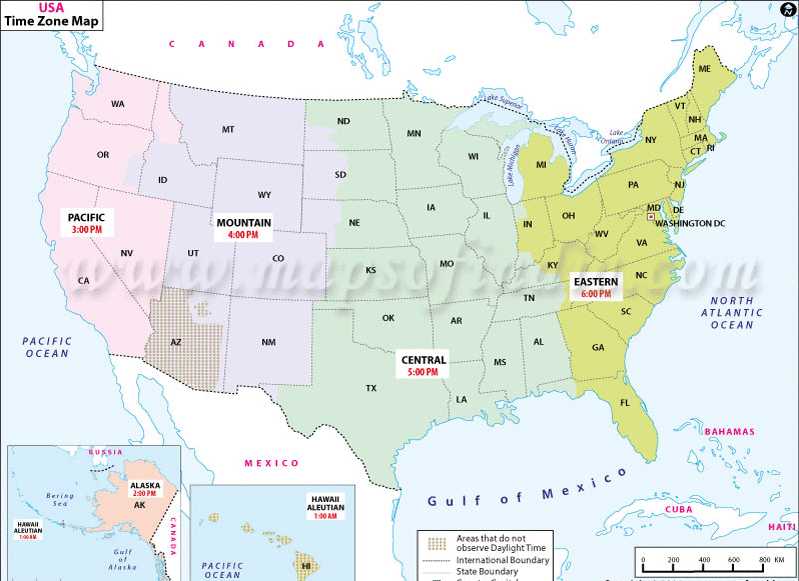
Planning a trip, a business meeting, or simply curious about the daily rhythm of Baton Rouge, Louisiana? One of the fundamental pieces of information you’ll need is its time zone. Understanding the local time is crucial for seamless travel, scheduling, and experiencing a destination without a hitch. Baton Rouge, the vibrant capital city of Louisiana, operates on Central Standard Time (CST) during the winter months and Central Daylight Time (CDT) during the warmer seasons. This places it six hours behind Coordinated Universal Time (UTC-6) during CST and five hours behind (UTC-5) during CDT. This seemingly simple fact is the cornerstone for effectively navigating your visit to this fascinating Southern city.
Understanding Baton Rouge’s Time Zone: Central Standard Time
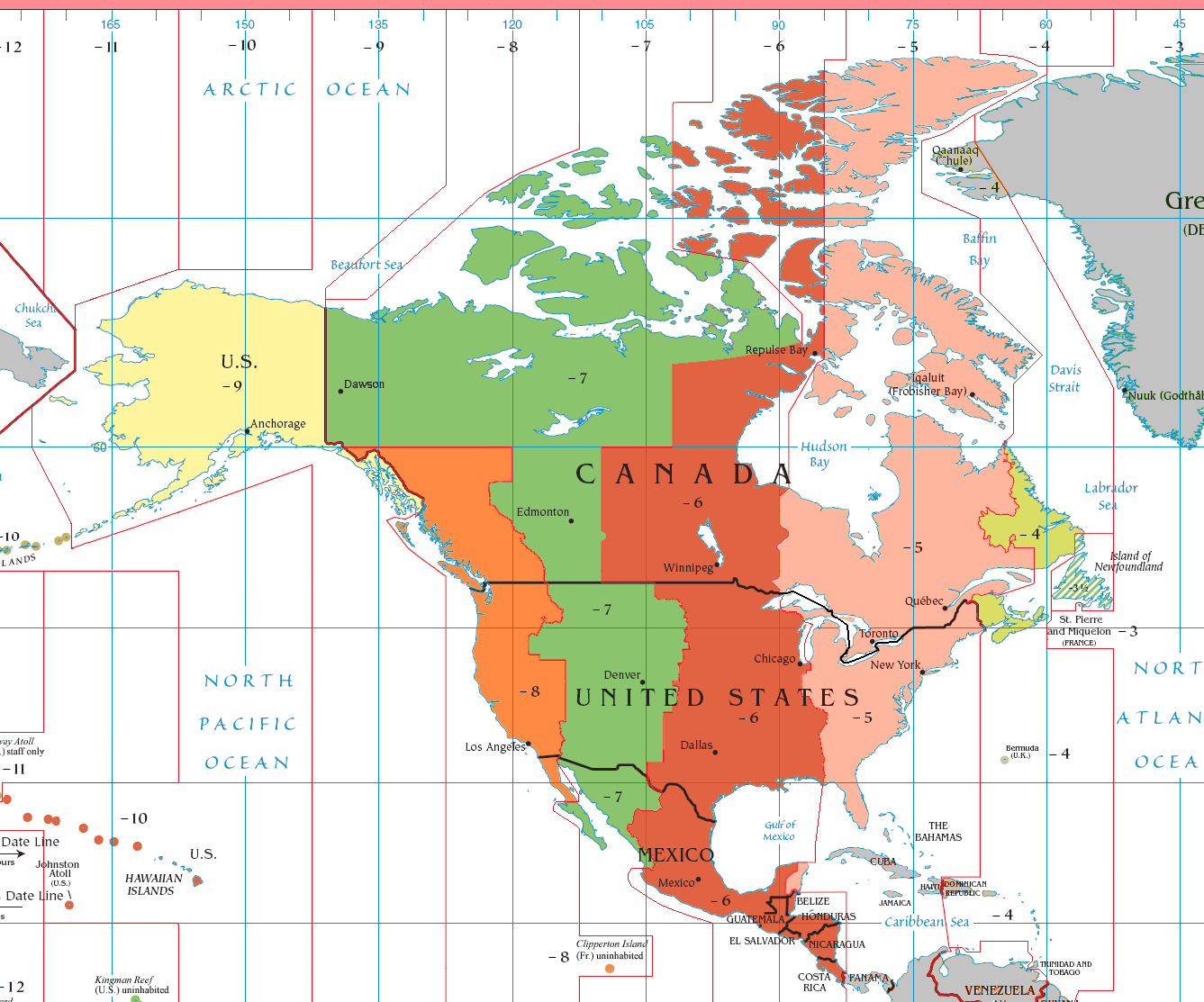
At its core, Baton Rouge falls within the Central Time Zone, a geographical region that primarily covers the central portion of the United States, parts of Canada, Mexico, and Central America. When you hear “Central Standard Time” or “CST,” it refers to the standard offset of UTC-6. This means that if it’s noon UTC, it’s 6:00 AM in Baton Rouge during CST.
The Central Time Zone is designated by its position relative to the prime meridian, allowing for a logical division of time across the vast North American continent. For travelers arriving from time zones further east (like Eastern Time or UTC), this means setting your clock back, while those coming from the west (like Mountain or Pacific Time) will need to set their clocks forward.
Daylight Saving Time in Louisiana
Like the majority of the United States, Louisiana observes Daylight Saving Time (DST). This annual tradition shifts the clocks forward by one hour in the spring, typically on the second Sunday in March, and then back by one hour in the fall, on the first Sunday in November. When DST is in effect, Baton Rouge switches from Central Standard Time (CST) to Central Daylight Time (CDT).
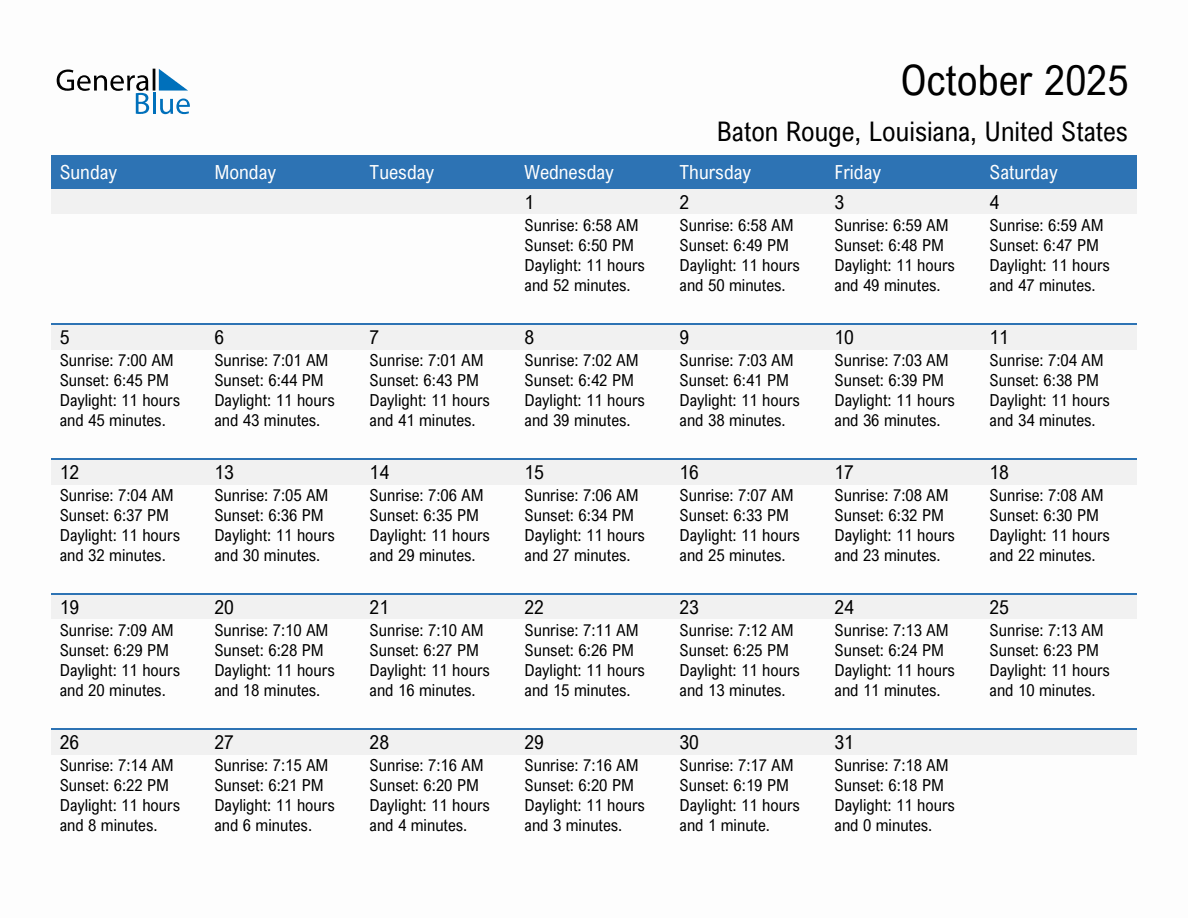
During CDT, the time offset becomes UTC-5, effectively giving residents and visitors an extra hour of daylight in the evenings. This adjustment can significantly impact travel plans, especially for international visitors or those with tight schedules involving different time zones. It’s a key detail to remember, as it affects everything from flight arrival times to museum operating hours and dinner reservations. Always double-check the current local time when planning activities between March and November.
Practical Implications for Travelers
Understanding the time zone and its seasonal shifts is more than just a trivial detail; it’s a practical necessity for any visitor to Baton Rouge.
- Flight Schedules: All flight arrival and departure times for Baton Rouge will be listed in local time. Being aware of the CST/CDT distinction prevents confusion, especially if your itinerary spans multiple time zones or falls around the DST changeover dates.
- Business Meetings and Appointments: If you’re visiting for work or have pre-booked tours and appointments, confirming the local time in advance is critical. A missed meeting due to a time zone miscalculation can be a costly mistake.
- Jet Lag Management: For those traveling from distant time zones, particularly from the East Coast or international locations, a one-to-two-hour time difference can still cause mild jet lag. Knowing the exact shift allows you to prepare and adjust your sleep schedule accordingly upon arrival.
- Opening Hours: Attractions, restaurants, and shops operate on local time. Checking their specific hours of operation in relation to CST or CDT will help you plan your sightseeing and dining experiences efficiently.
- Communication: Staying in touch with family, friends, or colleagues back home requires an understanding of the time difference. This ensures you’re not making calls in the middle of their night.
Being informed about Baton Rouge’s time zone will not only make your trip smoother but also allow you to fully immerse yourself in the city’s unique charm without unnecessary logistical worries.
Beyond the Clock: Discovering the Charms of Baton Rouge
While knowing the time zone is essential for practical reasons, it’s merely the starting point for uncovering the richness that Baton Rouge offers. As the capital city, it’s a hub of political history, vibrant culture, and delicious cuisine, reflecting the diverse tapestry of Louisiana. Positioned majestically on the eastern bank of the Mississippi River, Baton Rouge blends Southern charm with a dynamic urban landscape, offering a compelling array of experiences for every type of traveler. From historic landmarks to modern art centers and family-friendly attractions, the city provides a deep dive into the heart of the Pelican State.
Historical and Architectural Marvels
Baton Rouge boasts an impressive collection of historical sites and architectural wonders that tell the story of Louisiana’s past. These landmarks offer fascinating insights into the state’s political drama, diverse cultural influences, and pivotal moments.
- Louisiana State Capitol: An absolute must-see, the Louisiana State Capitol is the tallest capitol building in the United States. This iconic Art Deco skyscraper, a National Historic Landmark, stands as a testament to the legacy of Governor Huey P. Long, who championed its construction. Visitors can ascend to the observation deck on the 27th floor for breathtaking panoramic views of Baton Rouge and the Mississippi River. The intricate carvings, detailed murals, and solemn memorial to Governor Long himself add layers of historical significance to this architectural masterpiece.
- Old State Capitol: Often referred to as “Louisiana’s Castle,” the Old State Capitol is a stunning example of Gothic Revival architecture. Perched on a bluff overlooking the Mississippi River, this fortified mansion served as the seat of government before the current building was constructed. Today, it houses a museum dedicated to Louisiana’s political history, offering interactive exhibits that bring the state’s tumultuous past, including tales of corruption, war, and powerful personalities like Governor P.B.S. Pinchback, to life. Its stained-glass dome and spiral staircase are particularly captivating.
- Magnolia Mound Plantation: Step back in time to the late 18th century with a visit to Magnolia Mound Plantation. This authentic French Colonial plantation house, complete with its original outbuildings like the kitchen, overseer’s house, and slave quarters, offers a rare glimpse into the early agricultural economy and the lives of those who lived and worked on it. Guided tours provide compelling narratives about the architecture, the domestic life, and the complex social structures of the period, making it a poignant and educational experience.
Engaging Museums and Cultural Experiences
Beyond its governmental landmarks, Baton Rouge is rich with museums and cultural venues that celebrate Louisiana’s unique heritage and artistic spirit.
- USS Kidd Veterans Memorial and Museum: Moored on the Mississippi River waterfront, the USS Kidd Veterans Memorial and Museum offers a powerful tribute to those who served. Visitors can explore a fully restored World War II-era Fletcher-class destroyer, providing an intimate look at naval life during wartime. The adjacent museum houses a fascinating collection of military artifacts, dioramas, and a scaled-down replica of the ship, making it an educational and moving experience for all ages.
- LSU Rural Life Museum: Located on the campus of Louisiana State University, the LSU Rural Life Museum is an open-air museum dedicated to preserving the history of rural Louisiana from the 18th to the early 20th centuries. It features a collection of historic buildings, including a church, a schoolhouse, and various cabins, showcasing the everyday life and folk traditions of the region’s diverse inhabitants. It’s a serene and insightful journey into the agricultural roots of the state.
- Shaw Center for the Arts: For those seeking contemporary culture, the Shaw Center for the Arts is a downtown gem. This multi-use facility houses a performing arts theater, an art museum (the LSU Museum of Art), various galleries, and a rooftop terrace with stunning views. It’s a vibrant hub for visual arts, live performances, and cultural events, reflecting Baton Rouge’s thriving arts scene.
Family Fun and Outdoor Adventures
Baton Rouge is also a fantastic destination for families and outdoor enthusiasts, with options ranging from wildlife encounters to thrilling water parks.
- Baton Rouge Zoo: Home to over 800 animals from around the world, the Baton Rouge Zoo provides an engaging and educational experience for visitors of all ages. From majestic big cats and primates to native Louisiana species, the zoo is committed to conservation and offers various interactive programs and special events throughout the year. It’s a perfect spot for a leisurely day out with the family.
- Blue Bayou Water Park and Dixie Landin’ Theme Park: For adrenaline junkies and those looking to cool off, this dual park complex offers endless fun. Blue Bayou Water Park features thrilling slides, a lazy river, and wave pools, while Dixie Landin’ Theme Park boasts roller coasters, carnival rides, and attractions for all ages. It’s a seasonal destination, so plan your visit during the warmer months when both parks are fully operational.
- Swamp Tours in the Atchafalaya Basin: No trip to Louisiana is complete without experiencing its iconic swamps. Just a short drive from Baton Rouge, the Atchafalaya Basin is the largest river swamp in the United States. Numerous local operators offer guided swamp tours, taking visitors deep into the cypress and tupelo forests where you can spot alligators, various bird species, and other unique wildlife in their natural habitat. It’s an unforgettable ecological adventure.
A Taste of Louisiana: Culinary Delights
Baton Rouge’s culinary scene is a vibrant reflection of Louisiana’s rich heritage. The city serves up an authentic blend of Cajun and Creole flavors, influenced by French, Spanish, African, and Native American traditions.
Expect to savor dishes like spicy gumbo, rich jambalaya, flavorful étouffée, and crispy fried seafood. From upscale dining establishments to casual diners and bustling farmers’ markets, the city offers a diverse array of culinary experiences. Don’t miss the chance to try local specialties like boudin, cracklins, and fresh Gulf of Mexico seafood. Many restaurants also feature live music, adding to the immersive cultural experience. Exploring Baton Rouge through its food is an adventure in itself, a true highlight for any traveler.
Planning Your Baton Rouge Journey: Accommodation and Logistics
With its unique blend of history, culture, and Southern hospitality, Baton Rouge promises an unforgettable travel experience. Beyond the attractions and the time zone, thoughtful planning regarding your stay and how you’ll navigate the city will enhance your visit.
Where to Stay: Hotels and Resorts
Baton Rouge offers a wide range of accommodation options to suit every budget and travel style, from luxury resorts to comfortable budget-friendly hotels and charming boutique stays.
- Downtown: Staying downtown puts you within walking distance of many key attractions like the Louisiana State Capitol, the Old State Capitol, the USS Kidd Veterans Memorial and Museum, and the Shaw Center for the Arts. Here, you’ll find modern hotels like the Hilton Baton Rouge Capitol Center which offers upscale amenities and easy access to the riverfront.
- Near LSU: If you’re visiting Louisiana State University or prefer a more collegiate atmosphere, there are several hotels and extended-stay options around the university area, including popular chains like SpringHill Suites by Marriott, offering comfortable suites perfect for families or longer stays.
- Perimeter and Suburbs: For those seeking more economical options or proximity to specific areas, hotels are also available along major roadways and in surrounding suburban areas, providing convenient access to attractions like the Baton Rouge Zoo or the water parks.
Consider your itinerary and budget when choosing your accommodation. Many hotels offer amenities such as pools, fitness centers, and complimentary breakfast, catering to leisure and business travelers alike. Booking in advance, especially during peak season or major events, is always advisable.
Getting Around and Travel Tips
Navigating Baton Rouge is relatively straightforward. While downtown is walkable, a car is generally recommended for exploring the wider city and its surrounding attractions.
- Car Rental: Renting a car at the Baton Rouge Metropolitan Airport (BTR) or from a city location provides the most flexibility for exploring at your own pace.
- Ride-Sharing & Taxis: Services like Uber and Lyft are available throughout the city, as are traditional taxi services, offering convenient options for shorter trips or evenings out.
- Public Transportation: The Capital Area Transit System (CATS) operates bus routes throughout Baton Rouge, which can be a cost-effective option for getting around certain areas. Check their schedules and routes online.
- Best Time to Visit: The fall and spring months offer the most pleasant weather for exploring Baton Rouge, with comfortable temperatures ideal for outdoor activities and cultural festivals. Summers can be very hot and humid, but this is also when the water parks are open. Winters are generally mild.
In conclusion, knowing that Baton Rouge, Louisiana, observes Central Standard Time (and Central Daylight Time during DST) is your first step to a well-organized visit. Once you’ve set your watch, you’re free to dive into the rich history, vibrant culture, delicious food, and friendly atmosphere that make this Southern gem a truly rewarding destination. Whether you’re exploring historic capitols, meeting fascinating animals, or indulging in authentic Cajun and Creole cuisine, Baton Rouge offers a unique and memorable experience that lingers long after you’ve reset your clock.
LifeOutOfTheBox is a participant in the Amazon Services LLC Associates Program, an affiliate advertising program designed to provide a means for sites to earn advertising fees by advertising and linking to Amazon.com. Amazon, the Amazon logo, AmazonSupply, and the AmazonSupply logo are trademarks of Amazon.com, Inc. or its affiliates. As an Amazon Associate we earn affiliate commissions from qualifying purchases.