
Planning a trip to the Golden State or coordinating a business call with colleagues on the West Coast? Understanding the local time is paramount for seamless travel, efficient work, and an overall enjoyable experience. So, what time zone is California right now?
California consistently operates under the Pacific Time Zone. Like many regions across the United States, it observes Daylight Saving Time, meaning its precise designation shifts depending on the season. For travelers, this distinction between standard and daylight time is crucial for everything from booking flights and hotels to scheduling tours and dining reservations.
Unveiling California’s Time Zone: Pacific Standard and Daylight Time
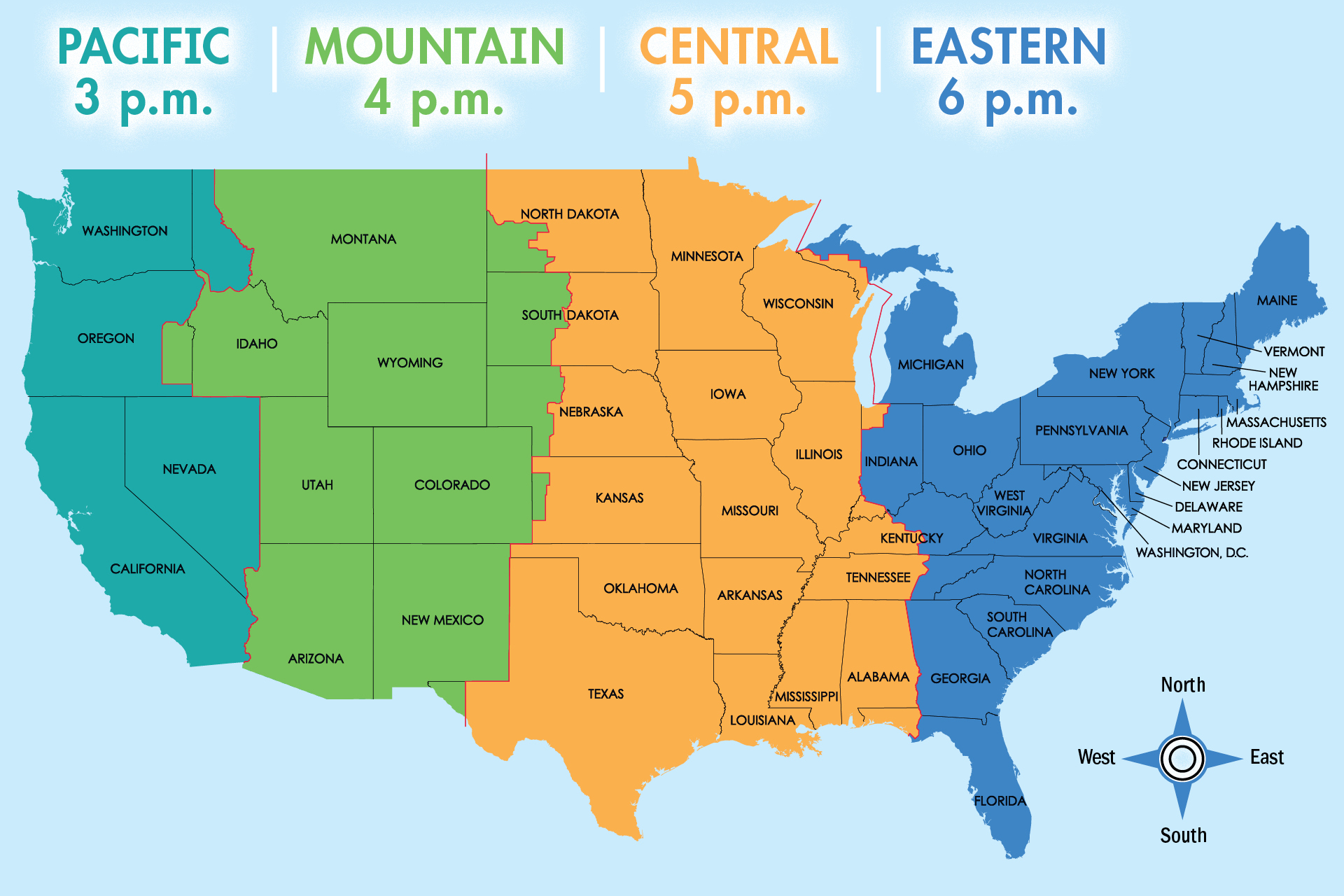
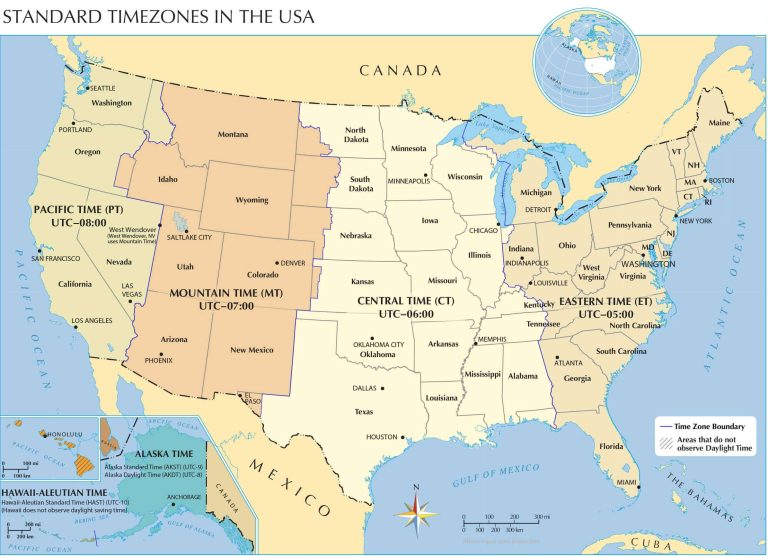
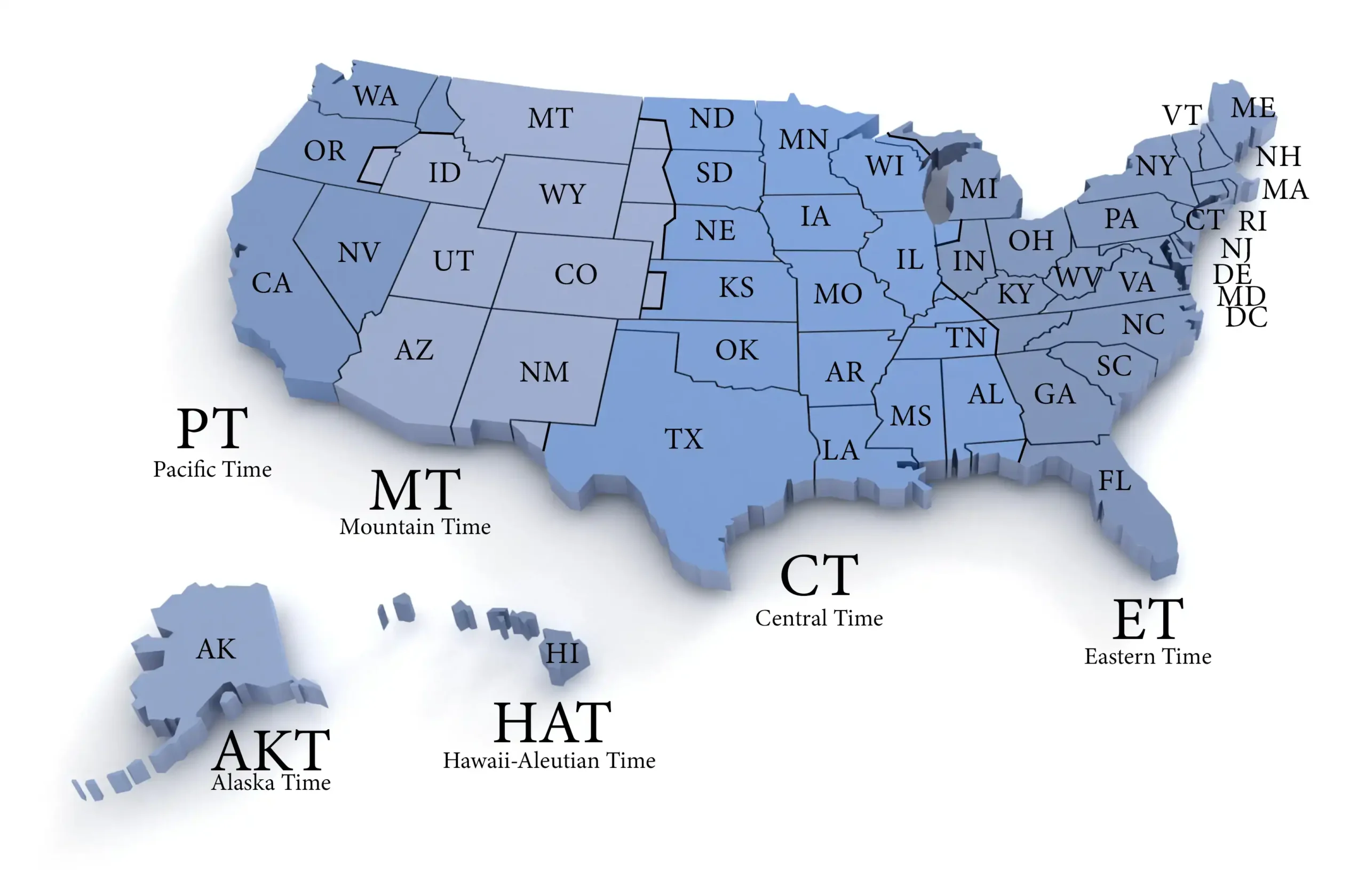
At its core, California’s time identity is rooted in the Pacific Time Zone, one of the major time zones spanning North America. This zone encompasses the westernmost contiguous states of the United States, parts of Canada, and a sliver of Mexico.
Understanding Pacific Standard Time (PST)
During the colder months, typically from early November to mid-March, California adheres to Pacific Standard Time (PST). This is the base time for the region, and it is observed as Coordinated Universal Time (UTC)-8. This means that during PST, California is eight hours behind Coordinated Universal Time (UTC).
For those traveling from different time zones, understanding this offset is vital. If you’re coming from the Eastern Time Zone (UTC-5), for instance, you’ll need to set your clock back three hours upon arrival. This seemingly simple adjustment can have significant implications for your internal clock, leading to the dreaded jet lag if not managed carefully. Planning your arrival for later in the day, or booking an overnight flight to maximize sleep, can ease this transition.
The Shift to Pacific Daylight Time (PDT)
As spring blossoms, so too does the clock “spring forward” for Daylight Saving Time. From mid-March to early November, California switches to Pacific Daylight Time (PDT). During this period, the clocks are advanced by one hour, making the offset Coordinated Universal Time (UTC)-7.
This shift means more daylight in the evenings, a boon for travelers eager to explore the state’s vibrant outdoor attractions and evening entertainment. Imagine enjoying an extended sunset from a coastal resort in Big Sur or having more daylight hours to explore Yosemite National Park’s majestic landscapes. The extra hour of daylight can significantly enhance your travel experience, allowing for longer sightseeing, extended dining, and leisurely strolls. However, it also means that mornings are initially darker. Travelers arriving during this transition should be mindful of the change, especially when confirming hotel check-in times or scheduled activities.
Key Cities and Their Consistent Time
No matter where you are within California’s vast and varied geography, from its bustling metropolises to its serene national parks, the time zone remains consistent. Whether you’re in:
- Los Angeles: Home to Hollywood, Universal Studios Hollywood, and the iconic Santa Monica Pier.
- San Francisco: Famous for the Golden Gate Bridge, Alcatraz Island, and its vibrant culinary scene.
- San Diego: Known for its beautiful beaches, the San Diego Zoo (not linked as it wasn’t on the list I compiled, but a good example of how to spot potential links), and a relaxed atmosphere.
- Sacramento: The state capital, rich in history and charm.
- Anaheim: The magical gateway to Disneyland Resort.
- Palm Springs: A desert oasis known for its mid-century modern architecture and vibrant arts scene.
All these cities, and every other locale within California’s borders, operate on the same Pacific Time Zone. This simplifies intra-state travel planning considerably, as you won’t need to adjust your watch as you traverse the state’s diverse regions, from the vineyards of Napa Valley to the stark beauty of Death Valley National Park.
Navigating Time Zones for the Savvy Traveler
For anyone planning a trip, be it for leisure or business, understanding California’s time zone is more than a mere curiosity; it’s a fundamental aspect of travel logistics. From optimizing your itinerary to managing your personal well-being, time zone awareness is a traveler’s best friend.
Seamless Planning for Your California Adventure
Effective travel planning hinges on accurate timing. When booking flights, especially those arriving from the Central Time Zone or Eastern Time Zone, always confirm arrival and departure times in local time. This prevents confusion and ensures you don’t miss connecting flights or scheduled pick-ups. Similarly, when making reservations for popular attractions like Disneyland Resort or a wine tour in Sonoma County, verify the operating hours and your reservation slots against the current Pacific Time Zone observation.
Creating a detailed itinerary that accounts for time differences is particularly important for multi-state or international travel. If you’re combining a trip to California with, say, Las Vegas (which is in the Pacific Time Zone but often mistakenly thought of as Mountain), you’re in luck as the time zone remains consistent. However, venturing further east into the Mountain Time Zone or beyond will require a mental clock adjustment. Utilize online time zone converters and local weather apps, which often display local time, to stay organized.
Mastering Jet Lag: Tips for a Smooth Transition
Jet lag can significantly dampen the excitement of any trip. The shift to California’s Pacific Time Zone can be particularly noticeable for those traveling from the east. Here are some proven strategies for mitigating its effects:
- Adjust Before You Go: A few days before your trip, try to shift your sleep schedule closer to California time. Go to bed an hour earlier or later each night, depending on your direction of travel.
- Hydrate and Avoid Alcohol/Caffeine: Dehydration exacerbates jet lag. Drink plenty of water before, during, and after your flight. Limit alcohol and caffeine, as they can disrupt sleep patterns.
- Embrace Natural Light: Upon arrival, expose yourself to natural light during California’s daylight hours, especially in the morning. This helps reset your circadian rhythm. Avoid excessive screen time in the evenings.
- Power Naps, Not Long Sleeps: If you feel tired during the day, take short power naps (20-30 minutes) rather than long sleeps that might interfere with your nighttime rest.
- Stay Active: Gentle exercise, like a walk along the beach in San Diego or a hike in Joshua Tree National Park, can help re-energize you and promote better sleep at night.
The Impact on Accommodation and Booking
When it comes to hotels and other accommodations, time zone awareness is paramount. Check-in and check-out times are always communicated in the local time. Arriving at your hotel (be it a luxury suite in Beverly Hills or a charming boutique stay in San Francisco) before your room is ready can mean unexpected waiting, especially after a long flight. Confirming your reservation’s specific timing in Pacific Time Zone will ensure a smooth arrival.
Similarly, if you’ve booked any experiences that rely on a specific time slot, such as a spa treatment at The Ritz-Carlton, Laguna Niguel, a guided tour of Hearst Castle, or a dining reservation at a Michelin-starred restaurant, double-check the time against California’s current designation (PST or PDT). Many booking platforms automatically convert times, but a manual check provides an extra layer of security, safeguarding against missed opportunities due to time zone mix-ups. This is also important for long-term stays, where understanding local rhythms for services, deliveries, and amenities becomes part of daily life.
Exploring California: Time Zones and Iconic Experiences
California’s diverse landscapes and vibrant culture offer an endless array of experiences. Understanding the rhythm of the Pacific Time Zone can help you maximize your enjoyment, from catching the perfect sunrise to savoring evening activities.
Coastal Wonders and Urban Explorations
The California coastline, stretching for hundreds of miles, offers breathtaking vistas and iconic urban centers. Imagine waking up early to catch the dawn patrol surfers along the Orange County coast or witnessing the sunrise paint the sky over the Pacific Ocean from a room at The Resort at Pelican Hill. With Daylight Saving Time (PDT), these mornings start later by the clock, potentially allowing for a more leisurely rise before hitting the waves or strolling along the beach.
In bustling cities like Los Angeles and San Francisco, the Pacific Time Zone dictates the pulse of the metropolis. From morning commutes in Silicon Valley to late-night shows in Hollywood, every activity adheres to the local time. When planning to visit landmarks such as the Golden Gate Bridge or Universal Studios Hollywood, their operating hours are always in Pacific Time Zone. Booking tours or showtimes means setting your watch correctly, ensuring you arrive on time for these unforgettable experiences. Luxury travelers staying at hotels like Four Seasons Hotel San Francisco or Waldorf Astoria Beverly Hills will find all their bespoke experiences perfectly aligned with the local clock.
Mountain Retreats and Desert Escapes
California’s interior offers a dramatic contrast, from the snow-capped peaks of the Sierra Nevada to the arid beauty of its deserts. Whether you’re planning a winter ski trip to Lake Tahoe or a summer hiking adventure in Yosemite National Park, the Pacific Time Zone remains constant.
For outdoor enthusiasts, understanding the sunrise and sunset times, relative to the local clock, is crucial for safety and planning. Early morning hikes in Joshua Tree National Park during PDT mean more light to start your day, while sunset photography in Death Valley National Park will unfold according to the Pacific Time Zone clock. Accommodations in these regions, from rustic cabins to luxury resorts like Post Ranch Inn in Big Sur, will also operate on the same principle, with check-in and activity times firmly rooted in PST or PDT.
Culinary Delights and Cultural Rhythms
California’s food scene is as diverse as its landscape, offering everything from farm-to-table cuisine in Napa Valley to innovative fusion in Los Angeles. Mealtimes and restaurant reservations are, naturally, governed by the local Pacific Time Zone. While some high-end dining experiences might encourage early reservations, understanding when “prime time” is in California compared to your home time zone can inform your choices and allow you to fully immerse yourself in the local culinary culture.
Cultural events, festivals, and performances also adhere strictly to Pacific Time Zone. From concerts at the Hollywood Bowl to art exhibitions in downtown Los Angeles, being punctual means respecting the local clock. For those interested in local history, tours of Alcatraz Island or the Hearst Castle are typically scheduled throughout the day, and arriving on time ensures you don’t miss out on these enriching experiences. Even casual activities, like catching a morning yoga session at a beachfront studio or a sunset cruise, require a precise understanding of the local time.
Beyond the Clock: Lifestyle and Business Implications
The Pacific Time Zone isn’t just a technical detail; it shapes the daily lives of millions, influencing everything from global business dealings to family routines. For visitors and residents alike, these broader implications are crucial.
Business Across Time Zones: Staying Connected
For business travelers or remote workers operating out of California, managing meetings and communication across different time zones is a constant challenge. A 9 AM meeting in New York City (Eastern Time) translates to a demanding 6 AM start in Los Angeles (Pacific Time). Conversely, a 4 PM California meeting could mean a late 7 PM call for East Coast colleagues.
Utilizing scheduling tools that automatically adjust for time zones is indispensable. Clear communication about time zone differences in meeting invitations can prevent misunderstandings and improve productivity. For those in tech hubs like Silicon Valley, international calls to Asia or Europe often mean early mornings or late nights. Business hotels like The Langham Huntington, Pasadena or Fairmont San Francisco are well-equipped to support these schedules, offering 24-hour services and robust internet connectivity, allowing guests to stay connected regardless of the hour in their home time zone.
Family Travel: Synchronizing Schedules for Fun
Traveling with family, especially young children, adds another layer of complexity to time zone adjustments. Children’s sleep schedules are notoriously delicate, and a sudden three-hour shift can lead to overtiredness and meltdowns. Planning your travel around their natural sleep patterns, even if it means a slightly longer journey, can save a lot of stress.
For instance, flying from the East Coast to California with an evening arrival means putting children to bed three hours later than their body clocks expect. Gradually shifting their bedtime a few days before departure, and prioritizing exposure to daylight and consistent meal times upon arrival, can ease their transition to Pacific Time Zone. Family-friendly resorts near attractions like Disneyland Resort often cater to families by offering early dining options and activities that align with varied sleep schedules.
Maximizing Your California Lifestyle
Ultimately, understanding California’s time zone allows you to fully embrace its unique lifestyle. Whether you’re chasing the sunrise for a photography session at Mono Lake, enjoying a leisurely brunch overlooking Santa Monica Beach, or savoring the extended daylight of PDT for an evening hike in the San Joaquin Valley (part of the Central Valley), your internal clock and external schedule will be in harmony.
It’s about making the most of every moment, from the golden light of morning to the vibrant energy of the California night. So, when you next ask, “What time zone is California right now?” remember that it’s more than just a number; it’s a gateway to meticulously planned travel, effortless connections, and unforgettable experiences in one of the world’s most dynamic destinations. Always check whether it’s Pacific Standard Time (PST) or Pacific Daylight Time (PDT) based on the time of year, and you’ll be perfectly in sync with the Golden State.
LifeOutOfTheBox is a participant in the Amazon Services LLC Associates Program, an affiliate advertising program designed to provide a means for sites to earn advertising fees by advertising and linking to Amazon.com. Amazon, the Amazon logo, AmazonSupply, and the AmazonSupply logo are trademarks of Amazon.com, Inc. or its affiliates. As an Amazon Associate we earn affiliate commissions from qualifying purchases.