
Planning a trip to the Golden State means considering a myriad of details, from stunning destinations and exciting attractions to comfortable accommodations and unforgettable experiences. Among these crucial considerations, understanding the local time zone often gets overlooked, yet it plays a pivotal role in ensuring a smooth and enjoyable journey. So, what time zone is California, USA? The answer is Pacific Time (PT), which alternates between Pacific Standard Time (PST) and Pacific Daylight Time (PDT) depending on the time of year. This seemingly simple fact carries significant implications for travel planning, managing jet lag, and fully immersing yourself in the vibrant lifestyle of this iconic American state.
For travelers journeying from different parts of the United States or, even more so, from international locales, adjusting to California’s time zone is key to optimizing every aspect of their visit. From perfectly timed flight connections and punctual hotel check-ins to making the most of early morning excursions and late-night entertainment, an awareness of PT/PDT is indispensable. Our guide delves into the specifics of California’s time zone, offering practical advice on how it impacts your travel plans, accommodation bookings, and overall experience, ensuring your adventure in the Golden State is as seamless as it is spectacular.
Understanding California’s Time Zone: PT and PDT
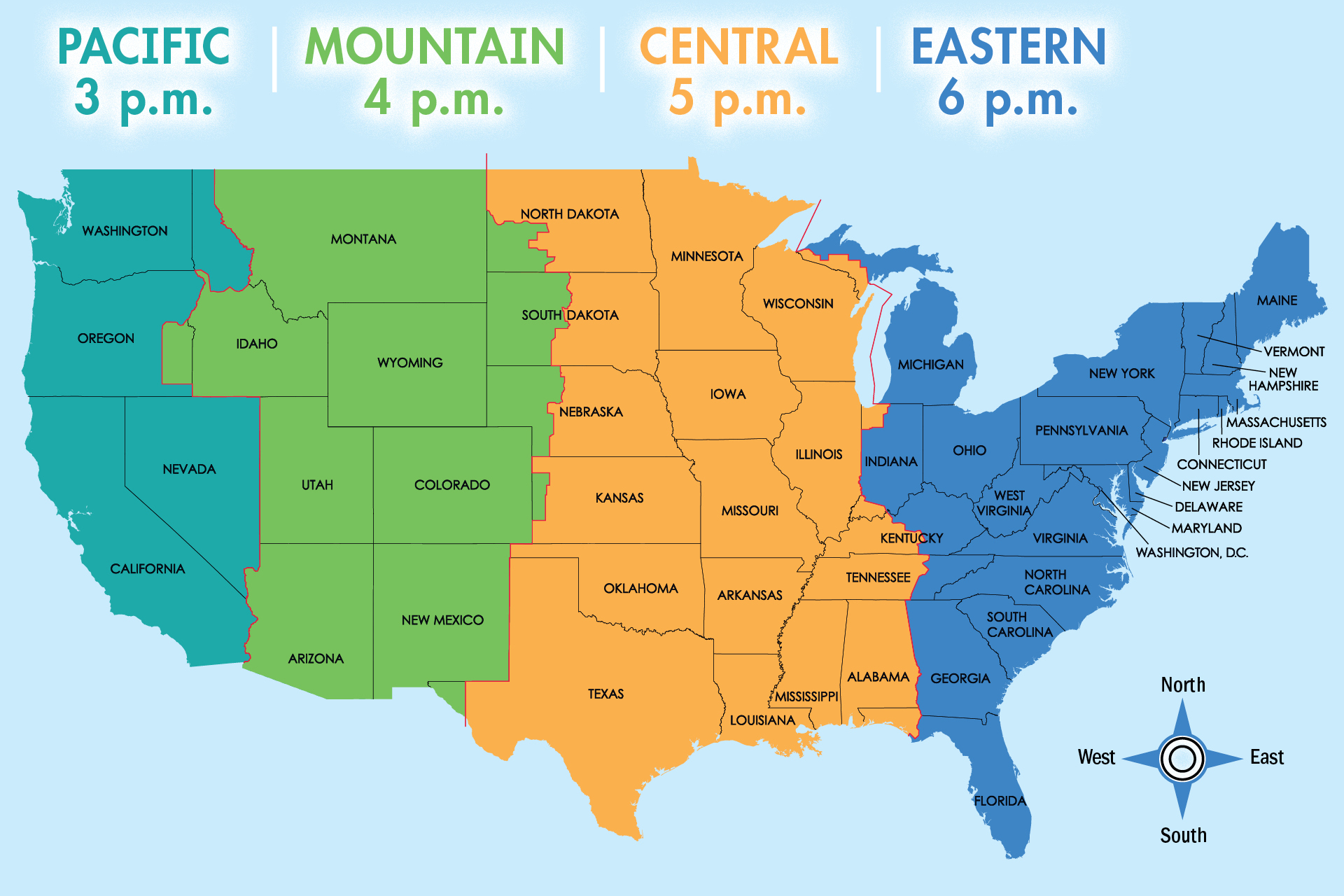
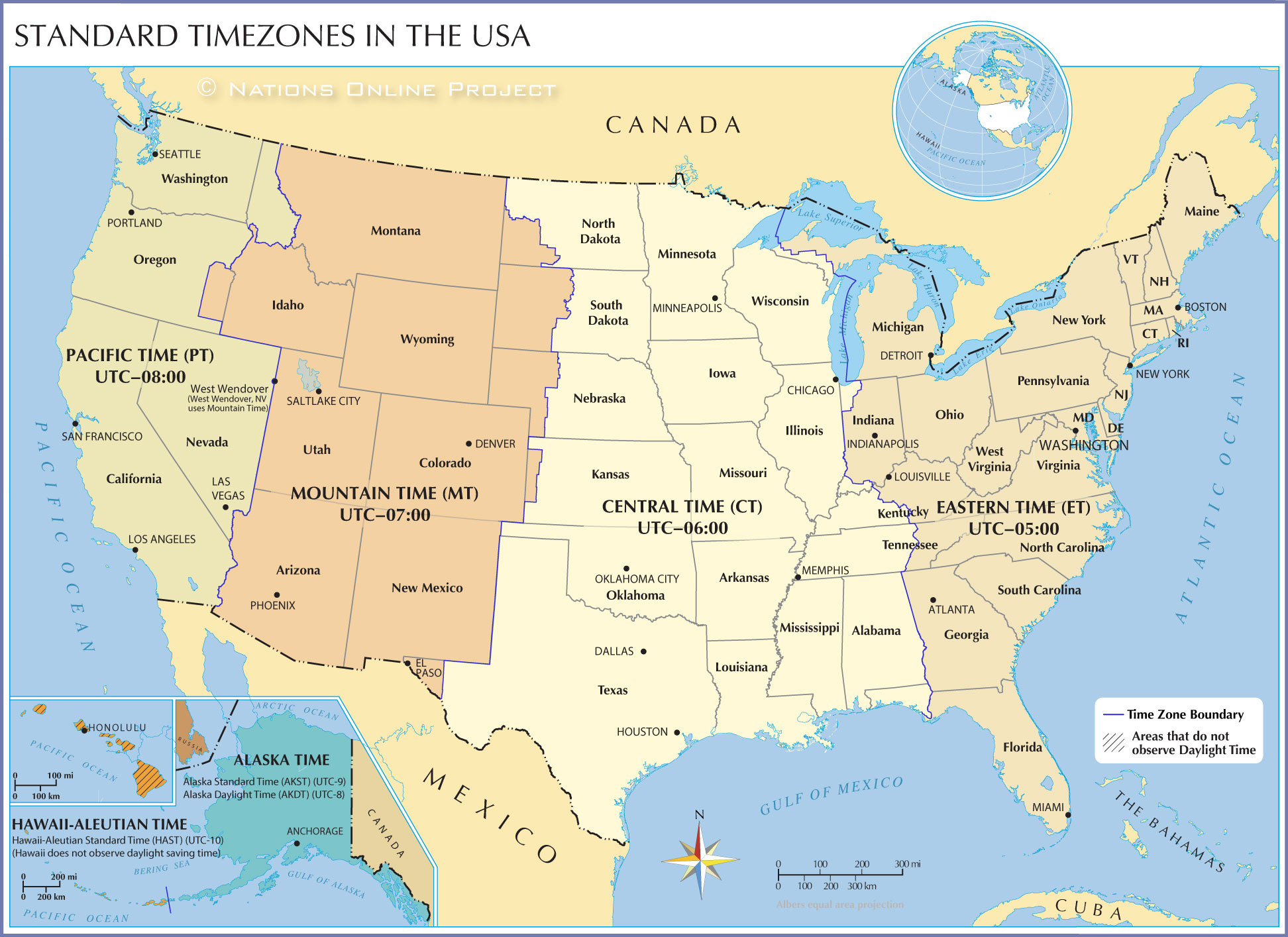
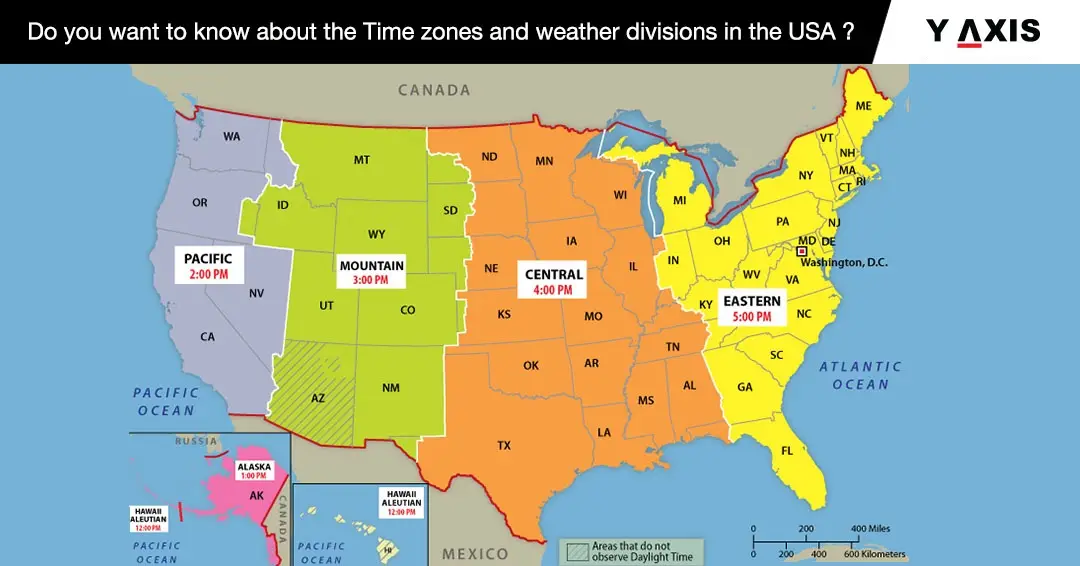
The United States spans multiple time zones, a testament to its vast geographical expanse. California is firmly situated within the Pacific Time Zone, which is observed across much of the western continental United States and parts of Canada and Mexico. However, understanding California’s time requires differentiating between its standard and daylight saving variants.
Pacific Standard Time (PST) vs. Pacific Daylight Time (PDT)
The fundamental distinction lies between Pacific Standard Time (PST) and Pacific Daylight Time (PDT).
- Pacific Standard Time (PST): This is the baseline, observed during the winter months. It is eight hours behind Coordinated Universal Time (UTC), often expressed as UTC-8.
- Pacific Daylight Time (PDT): This is observed during the warmer months, typically from early March to early November. During this period, clocks are moved forward by one hour, making PDT seven hours behind Coordinated Universal Time (UTC-7). This shift, known as Daylight Saving Time, aims to make better use of daylight, pushing sunsets later into the evening.
For travelers, this change is significant. A flight booked for 9 AM in November will adhere to PST, while the same flight in June will operate under PDT. This one-hour difference can impact everything from connecting flights to pre-booked tours. Imagine arriving from New York City (Eastern Time, [UTC-5]/UTC-4) or London (GMT/BST). The time difference will vary by an hour depending on whether California is observing PST or PDT, adding an extra layer to your jet lag calculations and scheduling. Always double-check flight times, hotel reservation confirmations, and activity bookings, noting whether they are specified in local time or UTC to avoid any confusion, especially around the transition dates in spring and fall.
Geographical Scope of Pacific Time
While our focus is California, it’s useful to know that the Pacific Time Zone encompasses several other states and regions. This includes all of Washington and Oregon, the entire state of Nevada, and the northern part of Idaho. Additionally, parts of Baja California in Mexico and the Yukon Territory in Canada also observe Pacific Time.
For travelers embarking on a wider West Coast adventure, this consistency across states like California, Oregon, and Washington simplifies cross-state itinerary planning. You won’t face additional time zone shifts when driving from Los Angeles to Seattle or flying from San Francisco to Portland. However, if your journey takes you eastward into states like Arizona (which observes Mountain Standard Time year-round without Daylight Saving Time in most areas) or into the eastern parts of Idaho that fall under Mountain Time, you will encounter another time shift. Always be mindful of time zone boundaries if your travel plans extend beyond the immediate Pacific Time region to avoid missing appointments or check-ins.
The Traveler’s Perspective: Navigating Time in the Golden State
For any traveler, especially those visiting California for the first time or from a significantly different time zone, the local time impacts almost every facet of their journey. From the moment you book your trip to your departure, understanding and accounting for Pacific Time is essential for a stress-free and enjoyable experience.
Planning Your Itinerary: Flights, Bookings, and Attractions
Effective itinerary planning hinges on accurate time management. When booking flights, it’s crucial to confirm all times are in local time at both departure and arrival points, especially for long-haul or international journeys. A flight departing from Tokyo or Sydney may involve crossing the International Date Line as well as multiple time zones, potentially altering your arrival day. For domestic flights, particularly those crossing multiple zones, be aware of how the time difference affects your actual travel time versus the clock time. For example, a three-hour flight from Denver to Los Angeles will feel like a two-hour flight on the clock because you gain an hour moving from Mountain Time to Pacific Time.
Accommodation bookings, whether for luxury hotels in Beverly Hills, a charming boutique hotel in Napa Valley, or a vacation rental in Santa Monica, invariably have standard check-in (often 3:00 PM or 4:00 PM) and check-out times (usually 11:00 AM or 12:00 PM). Arriving too early due to an overnight flight or miscalculating the time change could leave you waiting for your room, potentially impacting early plans. Similarly, attractions and activities operate on strict schedules. Visiting Disneyland Park in Anaheim, exploring the Golden Gate Bridge in San Francisco, or experiencing the magic of Universal Studios Hollywood in Los Angeles requires you to be aware of their opening and closing times, which are always local. The same applies to sought-after restaurant reservations in bustling culinary hubs or tours of Napa Valley wineries – punctuality is paramount to avoid disappointment and make the most of your travel budget. Business travelers, in particular, must carefully coordinate conference calls and meetings with colleagues in different time zones, often leading to early mornings or late evenings to accommodate the Pacific Time schedule.
Combating Jet Lag for an Optimal Experience
Jet lag is a common adversary for travelers crossing multiple time zones. For those arriving in California from the East Coast or, more significantly, from international destinations, the shift to Pacific Time can be disorienting. Symptoms like fatigue, insomnia, headaches, and digestive issues can quickly dampen the excitement of your trip. However, with proactive strategies, you can minimize its effects.
Start adjusting your sleep schedule a few days before you depart, gradually shifting towards Pacific Time. On your flight, stay hydrated, avoid excessive alcohol and caffeine, and try to sleep during what would be nighttime in California. Upon arrival, immediately immerse yourself in the local rhythm. Expose yourself to natural light during the day, even if you feel tired, and avoid napping for too long. If you arrive in the afternoon, try to stay awake until the local bedtime. Engaging in light physical activity, such as a stroll along the Santa Monica Pier or a gentle hike in Griffith Park, can help reset your body clock. For vital activities like hiking through Yosemite National Park’s majestic trails, learning to surf in Malibu, or exploring the vibrant streets of Hollywood, being well-rested and fully adjusted to the local time will significantly enhance your experience, allowing you to appreciate the natural beauty and cultural richness without the fog of fatigue. Remember, your first few days are crucial for adjustment, so plan less strenuous activities to allow your body to acclimate.
Accommodation and Lifestyle: Time Zone Impact on Your Stay
Beyond the initial logistics, California’s time zone influences your entire stay, from the practicalities of booking to fully embracing the local lifestyle. Understanding these nuances ensures that your trip is not just efficient but also deeply immersive.
Booking Your Perfect Stay: Timing is Everything
When it comes to accommodation, the time zone plays a subtle yet critical role. Whether you’re seeking a lavish suite at a Grand Hyatt Hotel in San Francisco, a family-friendly resort near Disneyland, a cozy apartment in San Diego, or a secluded villa in Palm Springs, timing impacts availability and pricing. Popular destinations and premium properties, especially during peak seasons like summer or spring break, get booked up months in advance. If you’re calling a hotel directly from another time zone, be mindful of their operating hours. Answering a call at 3 AM local California time might not yield the best customer service. Most online booking platforms will display times in your local time zone by default, but always verify if you’re traveling internationally or booking via a third-party site to avoid miscalculations for check-in/check-out.
For those planning long-term stays or considering serviced apartments as part of their lifestyle travel, adjusting to the daily rhythm of Pacific Time becomes even more integral. Communication with property managers or hosts for vacation rentals is streamlined when you understand their working hours. Requesting an early check-in or late check-out might be easier to coordinate when you contact them during their regular business hours in Pacific Time. Furthermore, pricing can sometimes fluctuate based on demand tied to local events or holidays, making early booking during opportune times (often during the slower off-season, which requires knowing the local calendar) a strategic move for both budget travel and luxury travel alike. Utilizing review platforms and comparison sites is helpful, but confirm availability and pricing in the context of the local Pacific Time schedule.
Experiencing California’s Lifestyle on Pacific Time
California’s lifestyle is undeniably captivating, and being synchronized with Pacific Time allows you to fully embrace it. Mornings in California often start with an active flair, whether it’s an early surf session in Huntington Beach, a run along the scenic coast of Santa Barbara, or enjoying a gourmet coffee at a bustling café in Oakland. If your body clock is still on Eastern Time, you might be rising at 4 AM California time, which could be an advantage for catching a spectacular sunrise or hitting popular attractions before the crowds.
Daytime activities range from exploring world-class museums in Los Angeles, driving the iconic Pacific Coast Highway to Big Sur, or indulging in wine tasting in Sonoma County. These activities are all structured around local Pacific Time hours, and your adjusted internal clock will help you maintain energy throughout the day. Evenings in California are equally vibrant, offering everything from sophisticated dining experiences at renowned restaurants like The French Laundry in Yountville to catching a live performance in San Diego’s Gaslamp Quarter or enjoying the glittering nightlife of West Hollywood. Synchronizing with the local time allows you to fully participate in these experiences, connect with locals, and avoid feeling out of sync. For example, if you aim to dine at a highly-rated restaurant, making a reservation that aligns with local dining customs and ensures you’re not too tired will enhance the experience. Whether your trip is a family trip, a business stay, or a solo adventure, living on Pacific Time allows for effortless engagement with the local culture, cuisine, and countless activities.
Beyond Time Zones: Essential California Travel Tips
While understanding California’s time zone is foundational, a truly exceptional trip also requires attention to other practical aspects of travel planning. California is a diverse state, offering something for every type of traveler.
Key Destinations and Experiences
California is a treasure trove of destinations, each with its unique allure.
- San Francisco: Famous for its iconic Golden Gate Bridge, historic Alcatraz Island, bustling Fisherman’s Wharf, and charming cable cars. Explore vibrant neighborhoods, enjoy world-class cuisine, and soak in the city’s bohemian spirit.
- Los Angeles: The entertainment capital, home to Hollywood, Universal Studios Hollywood, and the Griffith Observatory with its stunning views. Experience the glamour of Beverly Hills, relax on the beaches of Santa Monica and Venice, and delve into a diverse culinary scene.
- San Diego: Known for its beautiful beaches, Balboa Park (home to the renowned San Diego Zoo), and the historic Gaslamp Quarter. It’s a haven for outdoor activities and offers a laid-back Southern California vibe.
- National Parks: California boasts some of the most spectacular National Parks in the USA, including Yosemite National Park with its towering granite cliffs and waterfalls, the scorching desert landscapes of Death Valley National Park, and the giant sequoias of Sequoia National Park.
- Wine Country: Napa Valley and Sonoma County offer world-class wineries, gourmet dining, and picturesque vineyards, perfect for a luxurious getaway or a romantic escape.
- Coastal Drives: Embark on an unforgettable journey along Highway 1, particularly the stretch through Big Sur, renowned for its dramatic cliffs and breathtaking ocean views.
Each region offers unique cultural experiences, food adventures, and activities that cater to varied interests, from adventure travel to tranquil relaxation.
Practical Travel Advice
- Transportation: While major cities like San Francisco and Los Angeles have public transportation options, a rental car is highly recommended for exploring California’s diverse landscapes, especially if you plan to visit national parks or drive the coast. Book your car in advance, particularly during peak seasons.
- Best Time to Visit: California enjoys a varied climate. Spring (April-May) and Fall (September-October) generally offer the most pleasant weather, fewer crowds, and often better prices for accommodation and flights. Summer (June-August) is popular for beaches and national parks but comes with higher prices and larger crowds. Winter can be ideal for skiing in the Sierra Nevada or enjoying milder temperatures in Southern California.
- Packing Essentials: Due to the diverse climates, pack layers. Even in summer, evenings can be cool, especially near the coast. Always include sun protection (sunscreen, hat, sunglasses) and comfortable walking shoes. If visiting the mountains, proper hiking gear is a must.
- Currency: The official currency is the United States Dollar (USD). Credit cards are widely accepted, but it’s wise to carry some cash for smaller purchases or tips.
- Emergency Services: In case of emergency, dial 911 for police, fire, or ambulance services.
In conclusion, understanding that California, USA, operates on Pacific Time (PST/PDT) is more than just a trivial fact; it’s a foundational piece of information for planning a successful and enjoyable trip. From managing your flight schedules and hotel bookings to combating jet lag and fully immersing yourself in the vibrant local lifestyle, being aware of the time difference will enhance every aspect of your Golden State adventure. By combining this knowledge with thoughtful itinerary planning and practical travel tips, you’re well-equipped to explore the diverse beauty, rich culture, and endless attractions that California has to offer. Start planning your dream California adventure today, keeping Pacific Time at the forefront of your preparations, and get ready for an unforgettable journey!
LifeOutOfTheBox is a participant in the Amazon Services LLC Associates Program, an affiliate advertising program designed to provide a means for sites to earn advertising fees by advertising and linking to Amazon.com. Amazon, the Amazon logo, AmazonSupply, and the AmazonSupply logo are trademarks of Amazon.com, Inc. or its affiliates. As an Amazon Associate we earn affiliate commissions from qualifying purchases.