
For any traveler planning a visit to the stunning Colorado Springs, understanding the local time zone is a fundamental piece of information, as crucial as knowing where to find the best views of Pikes Peak – America’s Mountain or the iconic red rocks of Garden of the Gods Park. Time zone awareness ensures smooth travel logistics, punctual arrival at attractions, and seamless coordination with locals and travel companions.
Navigating Time in the Pikes Peak Region
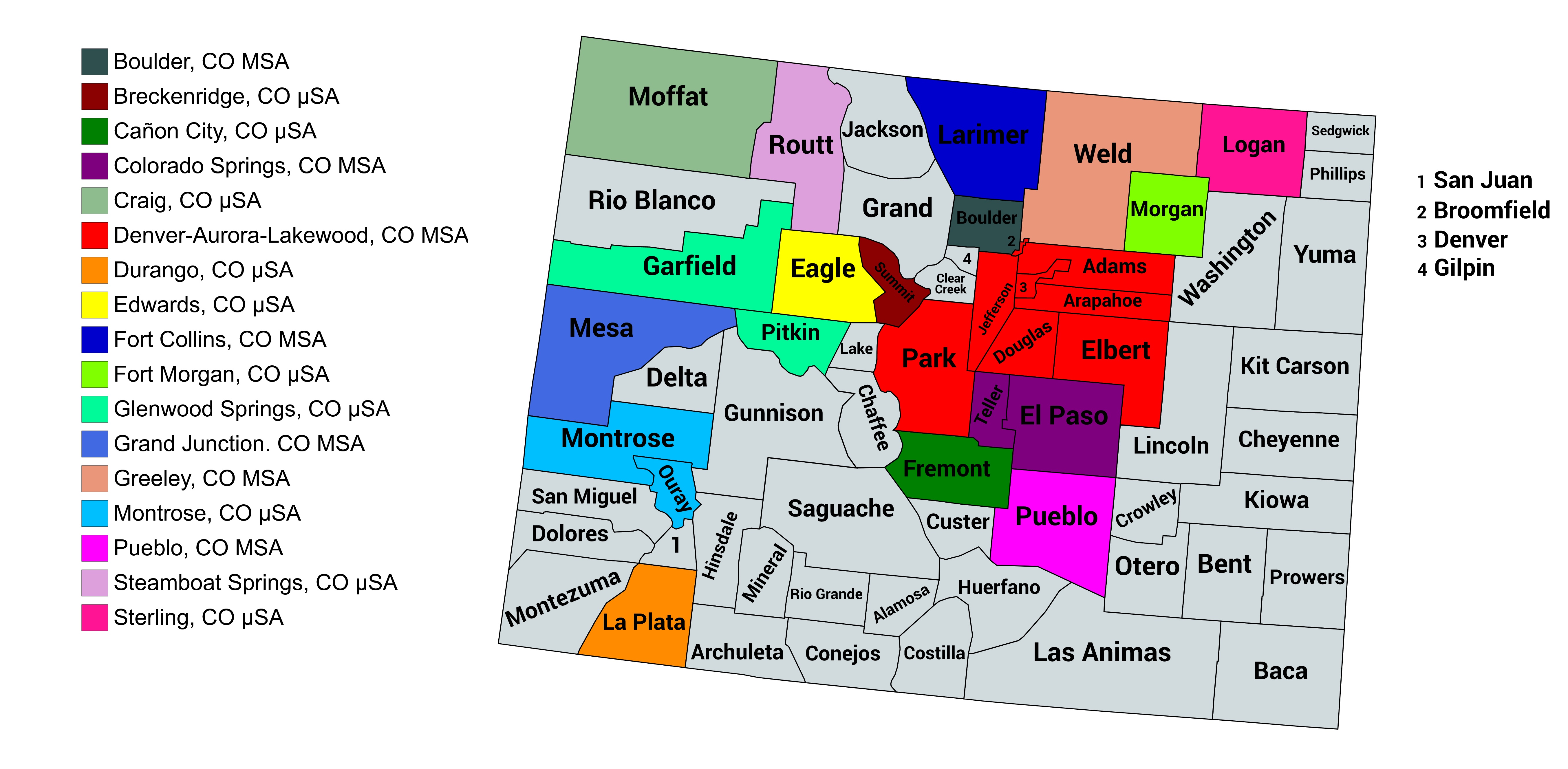
Colorado Springs, like the entirety of Colorado, operates on Mountain Standard Time (MST) for part of the year and Mountain Daylight Time (MDT) during Daylight Saving Time. This places the city firmly within a distinct time zone that travelers from other parts of the United States or international destinations will need to account for.
Mountain Standard Time (MST) Explained
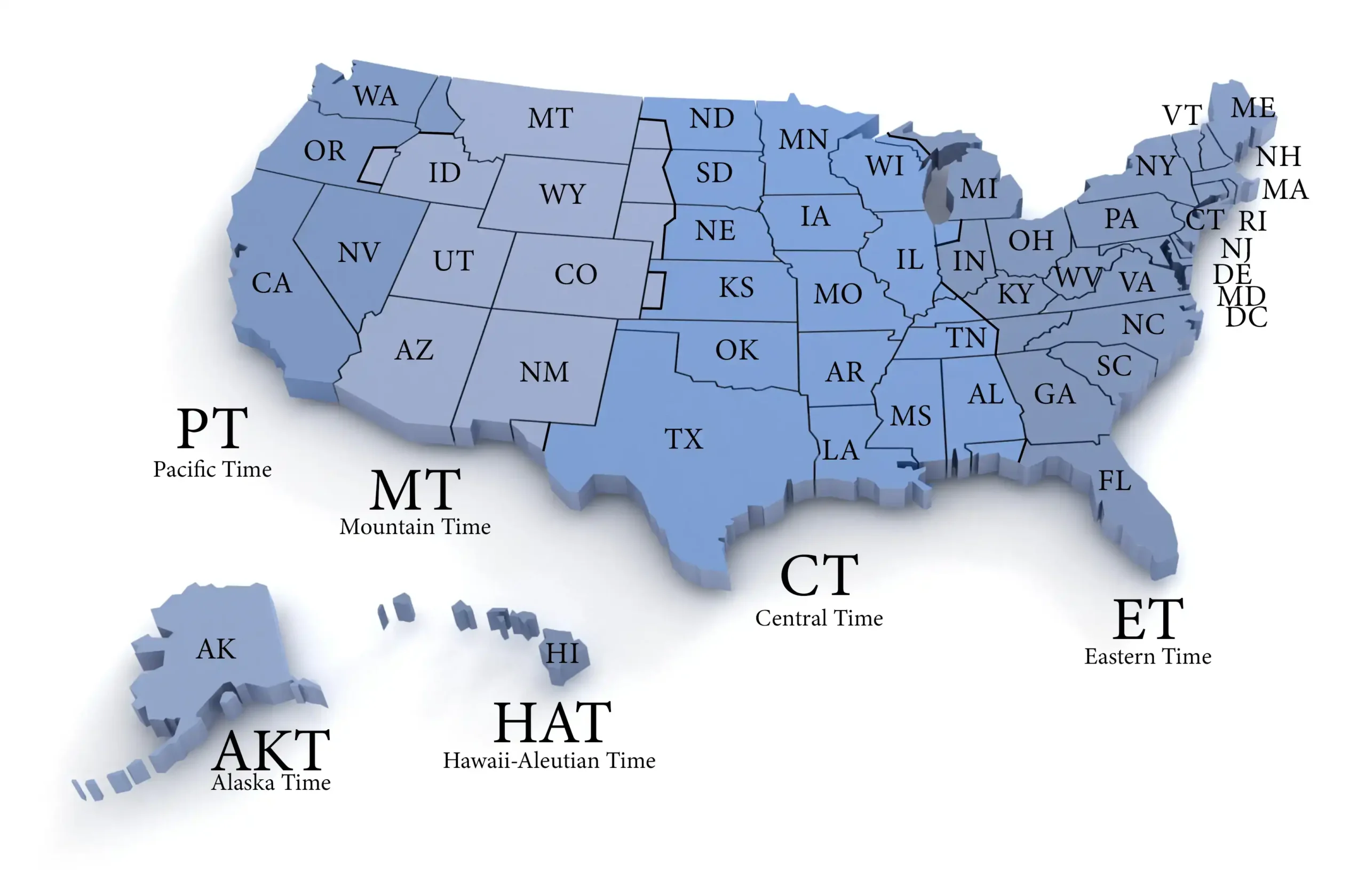
Mountain Standard Time (MST) is observed during the fall and winter months. It is seven hours behind Coordinated Universal Time (UTC-7). This means that when it is noon UTC, it is 5:00 AM MST. This time zone encompasses a significant portion of the western United States and parts of Canada and Mexico. For instance, if you’re flying in from New York, which is on Eastern Standard Time (EST), you’ll need to set your watch back two hours upon arrival in Colorado Springs during MST. Similarly, if you’re coming from the Pacific Coast, you’ll move your watch forward one hour.
The transition to and from Daylight Saving Time is a key factor. Each year, on the second Sunday in March, clocks “spring forward” one hour to Mountain Daylight Time (MDT). This shift means the time zone becomes UTC-6, providing an extra hour of daylight in the evenings. On the first Sunday in November, clocks “fall back” one hour, returning to MST. These changes are synchronized across the region, making it predictable but still requiring attention, especially when planning travel dates around these transitions.
Practical Tips for Travelers
Understanding and adjusting to the local time zone is paramount for a stress-free trip. Here are some practical tips:
- Adjusting Your Devices: Most modern smartphones, smartwatches, and laptops automatically update to the local time zone when connected to the internet. Double-check your device settings to ensure automatic time updates are enabled. This is the simplest way to stay in sync.
- Manual Adjustments: If your devices don’t update automatically, or you prefer a traditional watch, remember to manually adjust it upon arrival or shortly before.
- Combatting Jet Lag (if applicable): While travel within the continental U.S. might not induce severe jet lag, crossing even one or two time zones can affect your internal clock. Try to adjust your sleep schedule a few days before your trip by going to bed earlier or later, depending on the direction of travel. Once in Colorado Springs, expose yourself to natural light during the day, stay hydrated, and try to stick to the local meal and sleep times.
- Confirming Reservations: Always confirm flight times, hotel check-in/check-out, tour departure times, and restaurant reservations in the local Colorado Springs time. Do not assume your home time zone applies. This is particularly crucial for early morning tours or flights, where a miscalculation of even an hour could lead to missing your activity.
- Communication with Home: If you’re coordinating with family, friends, or colleagues in different time zones, make sure to clearly state times in relation to their local time or UTC to avoid confusion. For instance, “I’ll call you at 6 PM MST, which is 8 PM EST.”
Why Understanding Colorado Springs’ Time Zone Matters for Your Trip
The significance of knowing the time zone extends far beyond merely setting your watch. It underpins almost every aspect of your travel itinerary, ensuring you maximize your time and avoid any logistical headaches.
Planning Your Itinerary and Activities
A clear grasp of the time zone is crucial for scheduling your days effectively. Colorado Springs is rich with attractions, and many have specific operating hours or peak times.
- Morning Excursions: If you plan an early morning hike in Garden of the Gods Park to catch the sunrise over the red rocks or an ascent up Pikes Peak – America’s Mountain (whether by driving the Pikes Peak Highway or taking the Pikes Peak Cog Railway), knowing the local time ensures you’re up and out the door punctually. The Pikes Peak Cog Railway, for example, operates on a strict schedule, and missing your departure time means missing your trip.
- Afternoon Visits: Attractions like the U.S. Olympic & Paralympic Museum or the Cheyenne Mountain Zoo have definite closing times. Factoring in travel time and sufficient time to explore each site within the local schedule prevents rushed visits or, worse, arriving after closing.
- Evening Dining and Entertainment: Dinner reservations, show times, or events in downtown Colorado Springs are all set to MST/MDT. A missed reservation due to time zone confusion can be disappointing and inconvenient, especially during peak travel seasons.
Coordinating with Others
Whether you’re traveling solo or with a group, precise timekeeping is vital for smooth interactions.
- Friends and Family Back Home: Keeping track of the time difference allows you to schedule calls and video chats at convenient hours for everyone, avoiding late-night disturbances for those in different time zones.
- Business Stays: If your trip to Colorado Springs includes any remote work or business meetings, knowing the local time and how it relates to your clients’ or colleagues’ time zones is critical for professionalism and productivity.
- Guided Tours and Group Activities: Many of Colorado Springs’ best experiences, from rafting trips on the Arkansas River to guided hikes, operate with strict departure times. Arriving late means inconveniencing the entire group and potentially missing out on a pre-paid experience.
Impact on Travel Logistics
Every aspect of your journey, from arrival to departure, is time-sensitive.
- Flight Arrivals/Departures: All flight schedules to and from Colorado Springs Airport (COS) are listed in local time. Ensure your personal schedule aligns to avoid missing your flight.
- Hotel Check-in/Check-out: Hotels typically have specific check-in times (e.g., 3:00 PM MST/MDT) and check-out times (e.g., 11:00 AM MST/MDT). Adhering to these prevents additional charges or complications with your accommodation.
- Rental Car Pickup/Drop-off: Rental car agencies also operate on the local time zone. Missing your pickup window or returning a vehicle late can lead to extra fees or a loss of your reservation.
Popular Attractions and Their Timings in Colorado Springs
To further illustrate the practical implications of Colorado Springs’ time zone, let’s look at some popular attractions and their typical operating hours. Always check the official websites for the most current information, as hours can vary seasonally or due to special events.
Iconic Natural Wonders
- Garden of the Gods Park: This breathtaking National Natural Landmark is typically open from 5:00 AM until 9:00 PM MST/MDT in the colder months and 5:00 AM until 10:00 PM MST/MDT in the warmer months. The Garden of the Gods Visitor & Nature Center has more defined hours, often from 9:00 AM to 5:00 PM. Knowing these timings helps you plan for an early morning hike or a sunset drive without unexpected closures.
- Pikes Peak – America’s Mountain: The Pikes Peak Highway opening times vary significantly by season and weather conditions, but generally, it opens around 7:30 AM – 9:00 AM and closes for uphill traffic between 3:00 PM – 6:00 PM. The Pikes Peak Cog Railway also has specific departure times, often starting early in the morning and running throughout the day. These are all strictly on local time.
- Seven Falls: Often open from 9:00 AM to 6:00 PM MST/MDT, with extended hours during summer evenings for the beautiful light show. Confirming these times ensures you don’t miss the dramatic illumination of the falls.
Family-Friendly Fun
- Cheyenne Mountain Zoo: As “America’s Mountain Zoo,” it usually operates from 9:00 AM to 5:00 PM MST/MDT, with the last admission an hour before closing. Planning your arrival well before the last entry time is essential for a full experience.
- Cave of the Winds Mountain Park: Tour departure times are staggered throughout the day, typically beginning mid-morning and running until late afternoon. Arriving with ample time to purchase tickets and join the next available tour is important.
Cultural and Historical Sites
- U.S. Air Force Academy: The Barry Goldwater Air Force Academy Visitor Center usually welcomes guests from 9:00 AM to 5:00 PM MST/MDT. Special events like cadet parades also have specific start times that require punctual arrival.
- Manitou Cliff Dwellings Museum: This historical site generally opens mid-morning and closes in the late afternoon. Early afternoon visits allow for thorough exploration without feeling rushed.
Beyond Colorado Springs: Time Zones in Broader Colorado Travel
While this article focuses on Colorado Springs, it’s reassuring for travelers to know that the time zone consistency extends across the entire state of Colorado.
Consistency Across the State
All cities and regions within Colorado observe Mountain Standard Time (MST) and Mountain Daylight Time (MDT). This simplifies travel planning considerably if your itinerary includes multiple Colorado destinations. Whether you’re heading north to Denver and Boulder for urban adventures, west to the ski resorts of Vail or Aspen, or south to the historical sites near Pueblo, the time on your watch will remain consistent with Colorado Springs. This eliminates the need for repeated time adjustments within the state, allowing you to focus purely on enjoying the diverse landscapes and activities Colorado offers.

Planning Multi-State Trips
For those embarking on a larger Western U.S. adventure that includes neighboring states, being mindful of time zone boundaries becomes essential. Colorado borders states in various time zones:
- To the east, parts of Kansas and Nebraska observe Central Time (CT).
- To the west, Utah is also in MST/MDT. Arizona generally observes MST year-round, without adjusting for Daylight Saving Time (with the exception of the Navajo Nation).
- New Mexico to the south and Wyoming to the north are also in MST/MDT.
When crossing state lines, especially into areas like the parts of Kansas or Nebraska on Central Time, or factoring in Arizona’s unique DST observance, travelers should double-check their time settings. This foresight will prevent scheduling mishaps and ensure a smooth continuation of your journey across the diverse regions of the American West.
In conclusion, Colorado Springs operates on Mountain Standard Time (MST) and Mountain Daylight Time (MDT). A small piece of information, perhaps, but one that forms the bedrock of a well-planned, enjoyable, and punctual travel experience in this magnificent destination.
LifeOutOfTheBox is a participant in the Amazon Services LLC Associates Program, an affiliate advertising program designed to provide a means for sites to earn advertising fees by advertising and linking to Amazon.com. Amazon, the Amazon logo, AmazonSupply, and the AmazonSupply logo are trademarks of Amazon.com, Inc. or its affiliates. As an Amazon Associate we earn affiliate commissions from qualifying purchases.