
Florida, often affectionately known as the Sunshine State, is a premier destination for travelers worldwide, celebrated for its pristine beaches, vibrant cities, world-class theme parks, and lush natural landscapes. From the magical allure of Orlando to the Art Deco charm of Miami and the tranquil shores of the Panhandle, the state offers an unparalleled diversity of experiences. Planning a trip to this popular destination involves meticulously arranging flights, booking hotels or unique accommodations, and mapping out an itinerary to explore its numerous landmarks and attractions. However, one crucial detail that often goes overlooked but can significantly impact your travel experience is understanding Florida’s time zones.
Unlike many states that uniformly observe a single time zone, Florida is divided between two, primarily operating on Eastern Standard Time (EST) / Eastern Daylight Time (EDT) but with a significant portion of its western Panhandle adhering to Central Standard Time (CST) / Central Daylight Time (CDT). This seemingly minor geographical division can have major implications for everything from flight connections and hotel check-ins to scheduling your visits to tourism hot spots and coordinating with loved ones. For savvy travelers and those considering long-term stays, being well-versed in Florida’s temporal landscape is key to a seamless and enjoyable lifestyle in the state. This comprehensive guide will delve into the intricacies of Florida’s time zones, highlight the areas within each, and offer practical advice to ensure your visit is perfectly timed.
The Dual Time Zones of Florida: Eastern and Central
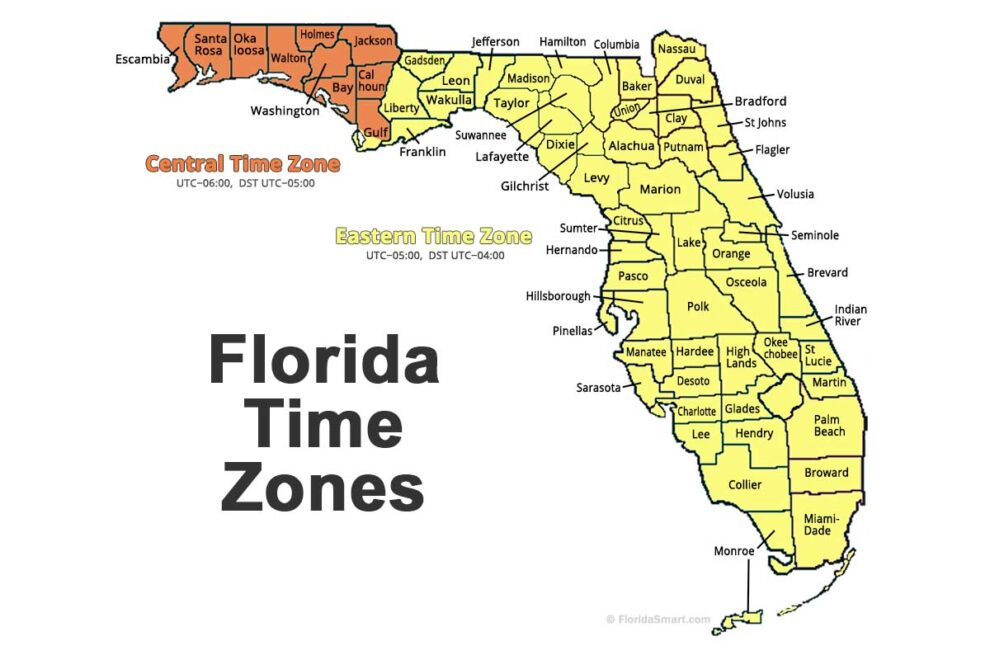
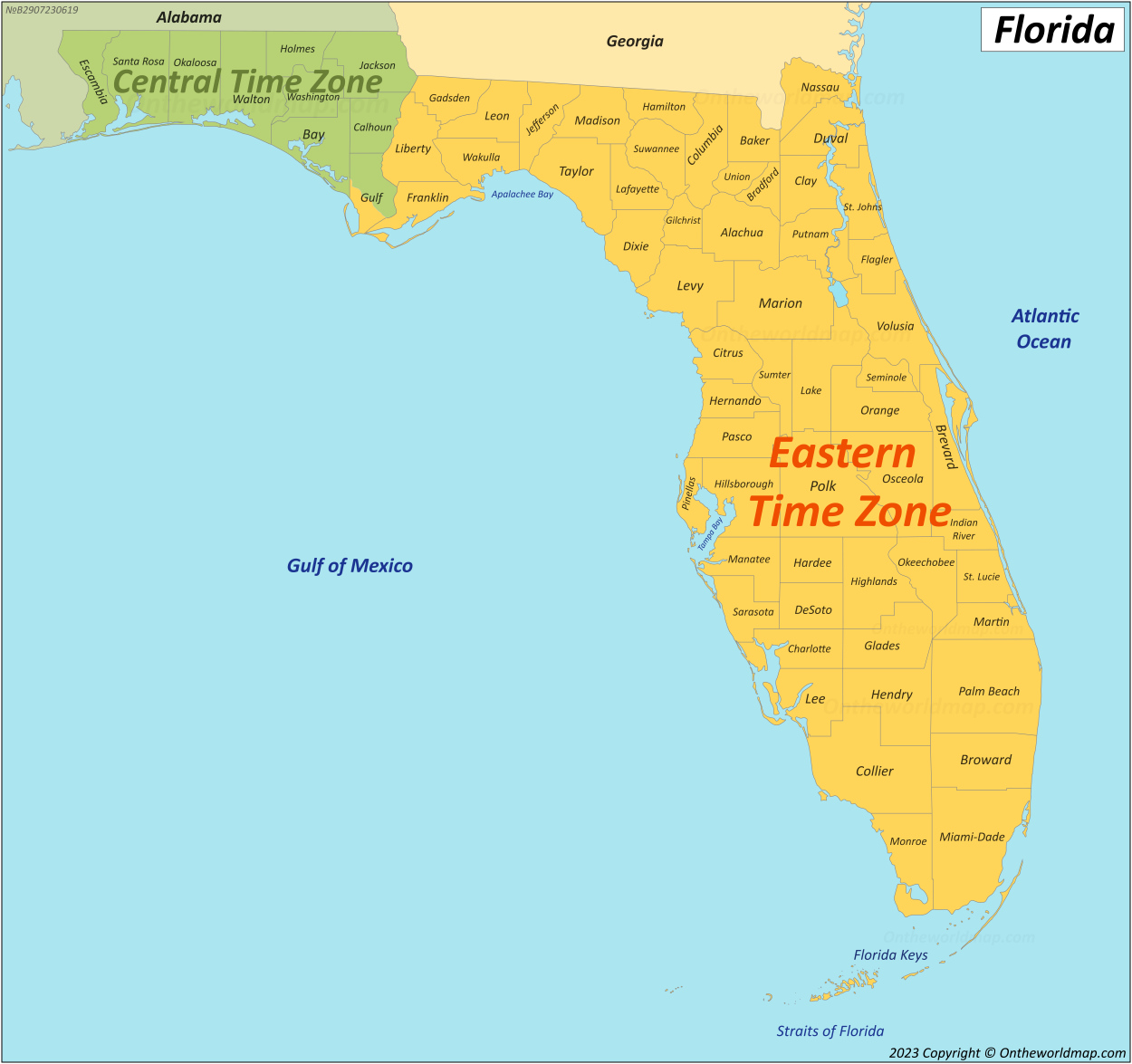
Florida’s unique shape and extensive east-west reach mean it straddles two distinct time zones, a characteristic that adds a layer of complexity to planning, but one that is easily navigable with the right information. The vast majority of the state, encompassing its most famous cities and tourist hubs, falls under the Eastern Time Zone. However, the elongated western tip of the Panhandle operates on Central Time.
Eastern Standard Time (EST) / Eastern Daylight Time (EDT) Dominance
The dominant time zone across Florida is the Eastern Time Zone, observing EST during the colder months (UTC-5) and shifting to EDT (UTC-4) during Daylight Saving Time. This zone covers the entire peninsula and extends into the central and eastern portions of the Panhandle.
Major Cities and Regions in Eastern Time:
Virtually all of Florida’s most famous destinations and largest population centers are within the Eastern Time Zone. This includes:
- Miami: The bustling metropolis known for its vibrant nightlife, stunning beaches, and rich cultural tapestry, including South Beach.
- Orlando: Home to world-renowned theme parks like Walt Disney World Resort, Universal Orlando Resort, and SeaWorld Orlando.
- Tampa Bay Area: A dynamic region on the Gulf Coast offering cultural attractions, historical sites, and beautiful waterways.
- Jacksonville: The largest city by land area in the contiguous United States, boasting extensive beaches and a thriving urban core.
- Fort Lauderdale: Known as the “Venice of America” with its intricate canal system and upscale resorts.
- Palm Beach: A luxurious destination famous for its opulent estates, high-end shopping, and the iconic The Breakers Palm Beach hotel.
- The Florida Keys: A tropical archipelago extending from the southern tip of Florida to Key West, offering unparalleled natural beauty and a laid-back island lifestyle.
- Daytona Beach: Famous for its hard-packed sand beaches allowing cars, and the Daytona International Speedway.
- The Space Coast: Encompassing areas like Cape Canaveral and the Kennedy Space Center Visitor Complex, where space exploration history comes alive.

For travelers focusing on these popular destinations, the Eastern Time Zone will be your primary concern. This means aligning your flight arrivals at Miami International Airport (MIA) or Orlando International Airport (MCO) with hotel check-in times at luxurious properties like the Four Seasons Resort Orlando at Walt Disney World Resort or the historic Fontainebleau Miami Beach. Booking dining reservations, scheduling guided tours through the Everglades National Park, or planning a day at Disney’s Magic Kingdom will all adhere to Eastern Time.
Central Standard Time (CST) / Central Daylight Time (CDT) in the Panhandle
The western part of the Florida Panhandle observes the Central Time Zone, which is one hour behind the Eastern Time Zone. During standard time, this is CST (UTC-6), and during Daylight Saving Time, it becomes CDT (UTC-5). This region is celebrated for its stunning white-sand beaches, emerald waters, and a more relaxed, family-friendly atmosphere compared to the bustling peninsula.
Key Cities and Counties in Central Time:
The counties that predominantly operate on Central Time include:
- Escambia County: Home to Pensacola, a city rich in history and naval heritage, including the National Naval Aviation Museum.
- Santa Rosa County: Featuring cities like Gulf Breeze.
- Okaloosa County: Which includes popular beach towns such as Destin and Fort Walton Beach.
- Walton County: Home to scenic Highway 30A and picturesque communities.
- Bay County: Known for Panama City Beach, a hub for spring break and family vacations.
- Most of Gulf County: Though the time zone line technically passes through it.
The Time Zone Boundary:
The exact demarcation line between Eastern and Central Time in Florida is somewhat jagged but generally follows the Apachicola River and the St Marks River in the Big Bend region. Specifically, the boundary roughly runs along the Apalachicola River north to the Georgia border. Communities west of the river, like Port St Joe (which is partly in both zones, but generally observes Central Time), are in the Central Time Zone. Tallahassee, the state capital, technically lies within the Eastern Time Zone, but its proximity to the boundary means visitors and residents often need to be mindful of this transition.
When planning a trip to the Florida Panhandle, particularly to destinations like Destin or Panama City Beach, remember that they are an hour behind Orlando or Miami. This affects flight arrivals at Pensacola International Airport (PNS) or Northwest Florida Beaches International Airport (ECP), and check-in times for popular family-friendly resorts like Sandestin Golf and Beach Resort. Whether you’re planning a fishing charter in the Gulf of Mexico or exploring the natural beauty of the Gulf Islands National Seashore, coordinating your activities in Central Time is essential for a stress-free travel experience.
Navigating Daylight Saving Time (DST) in the Sunshine State
Like most of the United States, Florida observes Daylight Saving Time (DST). This annual practice involves “springing forward” by moving clocks one hour ahead in the spring (typically the second Sunday in March) and “falling back” by moving them one hour behind in the fall (the first Sunday in November). This adjustment means that what is EST for part of the year becomes EDT, and CST becomes CDT.
The primary reason for DST is to make better use of daylight hours, particularly in the evening, aligning with recreational activities and potentially saving energy. For a state like Florida, which thrives on tourism and outdoor lifestyle, extended daylight in the evenings is often seen as a significant benefit. It allows visitors more time to enjoy theme parks, beaches, outdoor dining, and other attractions after typical business hours.
The “Sunshine Protection Act”: A Move Towards Permanent DST
Interestingly, Florida has been a vocal proponent of making Daylight Saving Time permanent. In 2018, the Florida Legislature passed the “Sunshine Protection Act,” which would keep the state on Daylight Saving Time year-round. This would mean that during the months when the rest of the country “falls back” to standard time, Florida would remain an hour ahead, effectively making EDT its year-round time.
However, for this act to take effect, it requires congressional approval from the U.S. federal government, which has not yet been granted. As of now, despite the state’s aspirations, Florida continues to observe the traditional “spring forward, fall back” schedule for Daylight Saving Time. This means that for travelers and residents, the twice-yearly time change remains a reality, and it’s essential to factor these shifts into any long-term planning or scheduling across time zones. Staying updated on current time zone statuses is crucial, especially if you’re planning a trip around the spring or fall time change dates.
Practical Implications for Travelers and Residents
Understanding Florida’s dual time zones and the observance of Daylight Saving Time is more than just a trivial detail; it has tangible implications for various aspects of travel and daily life. Being aware of these nuances can prevent confusion, missed appointments, and unnecessary stress, ensuring a smoother journey and a more enjoyable experience in the Sunshine State.
Planning Your Itinerary Across Time Zones
For visitors whose travel plans might take them from the peninsula to the Panhandle, or even just involve coordinating with people in different parts of the state, time zone awareness is paramount.
- Flights and Airports: If you’re flying into a Panhandle airport like Pensacola International Airport (PNS) after a layover in Atlanta (which is on Eastern Time), you’ll gain an hour. Conversely, flying from Pensacola to Orlando means you’ll “lose” an hour, effectively making the short flight feel longer in terms of arrival time relative to your departure zone. Always double-check your arrival and departure times against the local time zone of each airport.
- Road Trips Crossing the Boundary: A scenic drive from Tallahassee (Eastern Time) to Destin (Central Time) or Panama City Beach will involve crossing the time zone line. Be mindful of this when setting your GPS or making plans along the way. Your phone might automatically adjust, but it’s good to be manually aware, especially for things like gas station closures or restaurant hours in smaller towns near the border.
- Booking Accommodations: Confirm check-in and check-out times with your hotel, resort, or vacation rental (e.g., an apartment or villa). A “3 PM check-in” in Miami is 3 PM EDT, but a 3 PM check-in in Panama City Beach is 3 PM CDT, an hour earlier relative to Eastern Time. This is especially critical for those arriving by car from the other time zone.
- Scheduling Activities and Tours: Whether it’s a sunrise kayaking tour in the Florida Keys, a sunset cruise off Destin, or an early entry to Universal Studios Florida, all activities are scheduled in local time. Ensure your personal clock or device is set correctly to avoid missing out on prepaid experiences.
Communication and Coordination
Time zone differences become particularly relevant when coordinating with others.
- Family and Friends: If you’re traveling from California (Pacific Time) or Europe to visit family in Florida, or if you’re a Floridian coordinating with relatives in New York (Eastern Time) while you’re in Pensacola (Central Time), always state the time zone when arranging calls or video chats. A simple “Let’s chat at 7 PM” could be confusing if not specified.
- Business Travelers: For professionals traveling for work or engaging in remote meetings, understanding the local time is non-negotiable. Missing a critical conference call with clients in New York because you’re in Central Time can have serious repercussions. Use tools like world clock features to schedule meetings accurately.
- Emergencies or Critical Appointments: While hopefully not needed, in situations requiring urgent communication or adherence to specific medical or legal appointment times, absolute clarity on the time zone is crucial.
Local Culture, Events, and Daily Life
The time zones can subtly influence the daily rhythms and local culture of different Florida regions.
- Event Timings: Concerts, festivals, and local sporting events will adhere to their respective local times. A 7 PM concert start in Tallahassee might feel like 6 PM for someone just arriving from Panama City Beach, potentially leading to an early arrival.
- Food Culture and Dining: While not a strict rule, general dining habits can sometimes vary. For instance, some areas in the Panhandle might have slightly earlier dinner rush times compared to the later dining culture often found in South Florida cities like Miami. This is a subtle nuance, but it contributes to the unique lifestyle and rhythm of each region.
- Attractions with Fixed Schedules: Theme park opening and closing times, museum hours, and tour departure times are always local. If you’re driving from a Central Time zone hotel to an Eastern Time attraction, remember to factor in the one-hour difference in addition to driving time.
Maximizing Your Florida Experience with Time Zone Savvy
Armed with a clear understanding of Florida’s time zones, you are well-equipped to navigate the Sunshine State like a seasoned traveler. The goal is to ensure that your carefully planned travel itinerary, whether it focuses on luxury travel in Palm Beach or a budget travel family trip to Panama City Beach, proceeds without a hitch.
Here are some key tips to maximize your Florida experience:
- Always Confirm Local Times: When booking flights, accommodations, tours, or making reservations, explicitly confirm the local time zone for each specific location. Most booking platforms will specify this, but a quick double-check can save immense hassle.
- Utilize Modern Technology: Your smartphone, smartwatch, and laptop are invaluable tools. Ensure they are set to automatically update their time zone, especially when crossing the Eastern/Central Time boundary in the Panhandle. World clock apps can also be useful for quickly comparing times across different zones.
- Account for Travel Time Between Zones: If your itinerary includes driving between the Eastern and Central Time Zones, remember to add or subtract an hour in addition to the actual driving duration. This ensures you arrive at your next destination or activity exactly when you intend to.
- Consider the “Jet Lag” Effect, Even on Short Hops: While not true jet lag, the one-hour shift can subtly affect your body clock, especially if you’re very sensitive to routine. Allow yourself a little grace period to adjust, particularly if you have early morning activities planned after crossing the time zone line.
- Embrace the Regional Nuances: The time zone difference is just one of many charming distinctions between Florida’s diverse regions. Understanding these differences contributes to a richer appreciation of the local culture and unique characteristics that make each part of the state special.
By keeping these points in mind, you can effortlessly navigate Florida’s temporal landscape. Whether you are exploring historical landmarks in St. Augustine, enjoying the thrilling attractions of Orlando, or relaxing on the serene beaches of the Panhandle, your awareness of the time zones will ensure that every moment of your journey is enjoyed to its fullest. A well-timed trip is a stress-free trip, and that’s precisely what Florida promises to deliver for every kind of traveler, from those on a business stay to adventure seekers and families on vacation.
In conclusion, while the question “What Time Zone Is Florida In?” might seem straightforward, the answer reveals a fascinating detail about the Sunshine State’s geography and the practicalities of travel within its borders. Its dual time zones, coupled with the annual dance of Daylight Saving Time, require a modicum of attention. However, with this knowledge, you are fully prepared to synchronize your watches and immerse yourself in all the incredible experiences Florida has to offer, without missing a single beat.
LifeOutOfTheBox is a participant in the Amazon Services LLC Associates Program, an affiliate advertising program designed to provide a means for sites to earn advertising fees by advertising and linking to Amazon.com. Amazon, the Amazon logo, AmazonSupply, and the AmazonSupply logo are trademarks of Amazon.com, Inc. or its affiliates. As an Amazon Associate we earn affiliate commissions from qualifying purchases.