
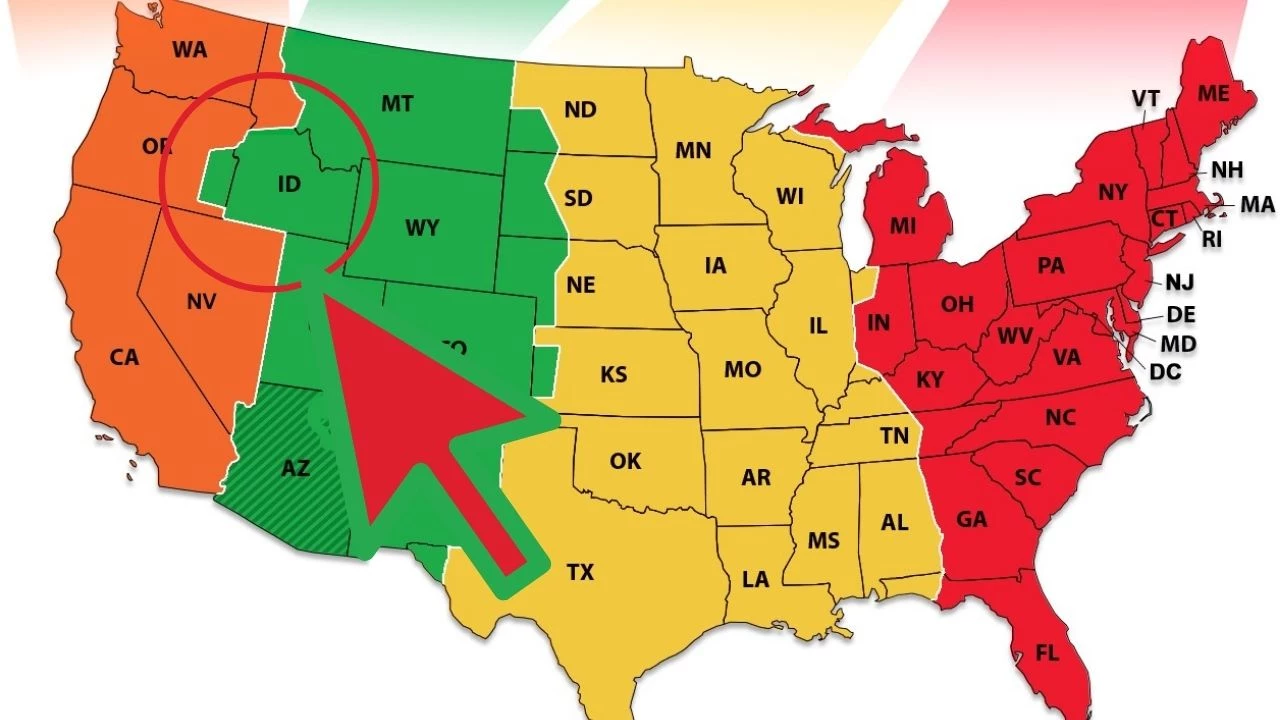
Idaho, often hailed as the “Gem State” for its breathtaking natural beauty and rich resources, presents a unique geographical and temporal puzzle for travelers and residents alike: it spans two distinct time zones. While most of the state observes the Mountain Time Zone (MT), a significant portion of its northern region, particularly the Idaho Panhandle, adheres to the Pacific Time Zone (PT). This intriguing division is more than a mere curiosity; it profoundly impacts travel planning, business operations, and daily life within the state, making it a crucial aspect to understand when exploring Idaho as a premier travel destination.
Understanding Idaho’s time zone configuration is essential for anyone planning a trip, booking accommodations, or engaging in activities across its diverse landscapes. From the bustling capital city of Boise to the serene waters of Lake Coeur d’Alene, the time difference can influence everything from flight schedules and restaurant reservations to the timing of outdoor adventures. This comprehensive guide will delve into the intricacies of Idaho’s time zones, offer practical advice for navigating them, and highlight how this unique temporal characteristic contributes to the state’s allure for various travel lifestyles.
Understanding Idaho’s Dual Time Zones
The allocation of time zones in the United States is governed by federal law, primarily based on geographical lines of longitude. However, these lines are often adjusted for convenience, economic integration, and community cohesion, leading to states like Idaho straddling multiple zones. The split in Idaho is primarily dictated by its rugged terrain, particularly the Rocky Mountains and Bitterroot Mountains, and its historical economic ties with neighboring states.
The Mountain Time Zone Dominance
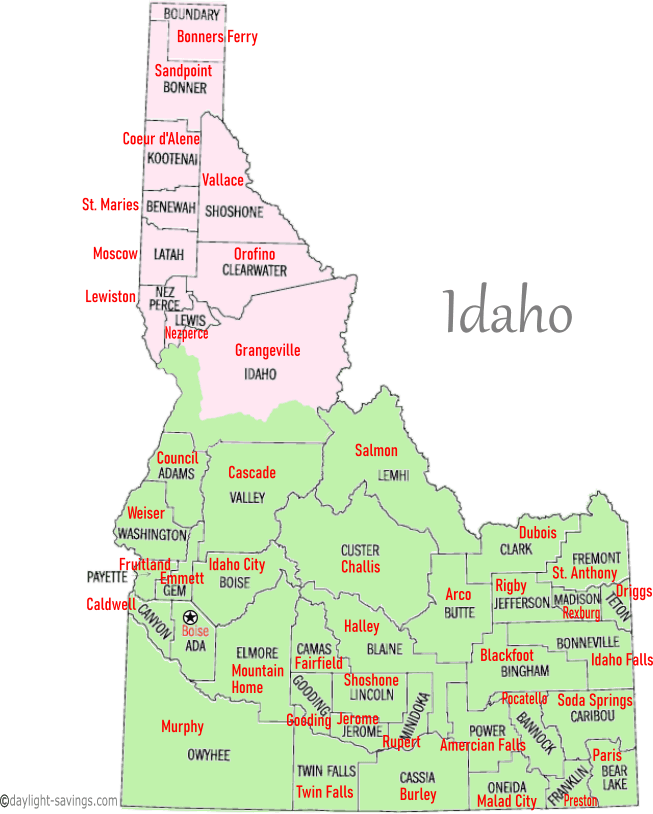
The vast majority of Idaho, including its most populous areas and the capital, Boise, operates on Mountain Time. This covers the entire southern, central, and most of the eastern parts of the state. Cities like Twin Falls, Pocatello, Idaho Falls, and the renowned resort town of Sun Valley all observe Mountain Time. This alignment connects these regions seamlessly with neighboring states to the east, such as Montana, Utah, and Wyoming, facilitating interstate commerce, communication, and travel.
For travelers exploring Southern Idaho, this means aligning with a time zone that is one hour ahead of the Pacific Time Zone and two hours behind the Eastern Time Zone. When planning visits to iconic landmarks like Craters of the Moon National Monument and Preserve or embarking on adventures along the Snake River, knowing you are in Mountain Time is key to a smooth experience.
The Pacific Time Zone Pockets
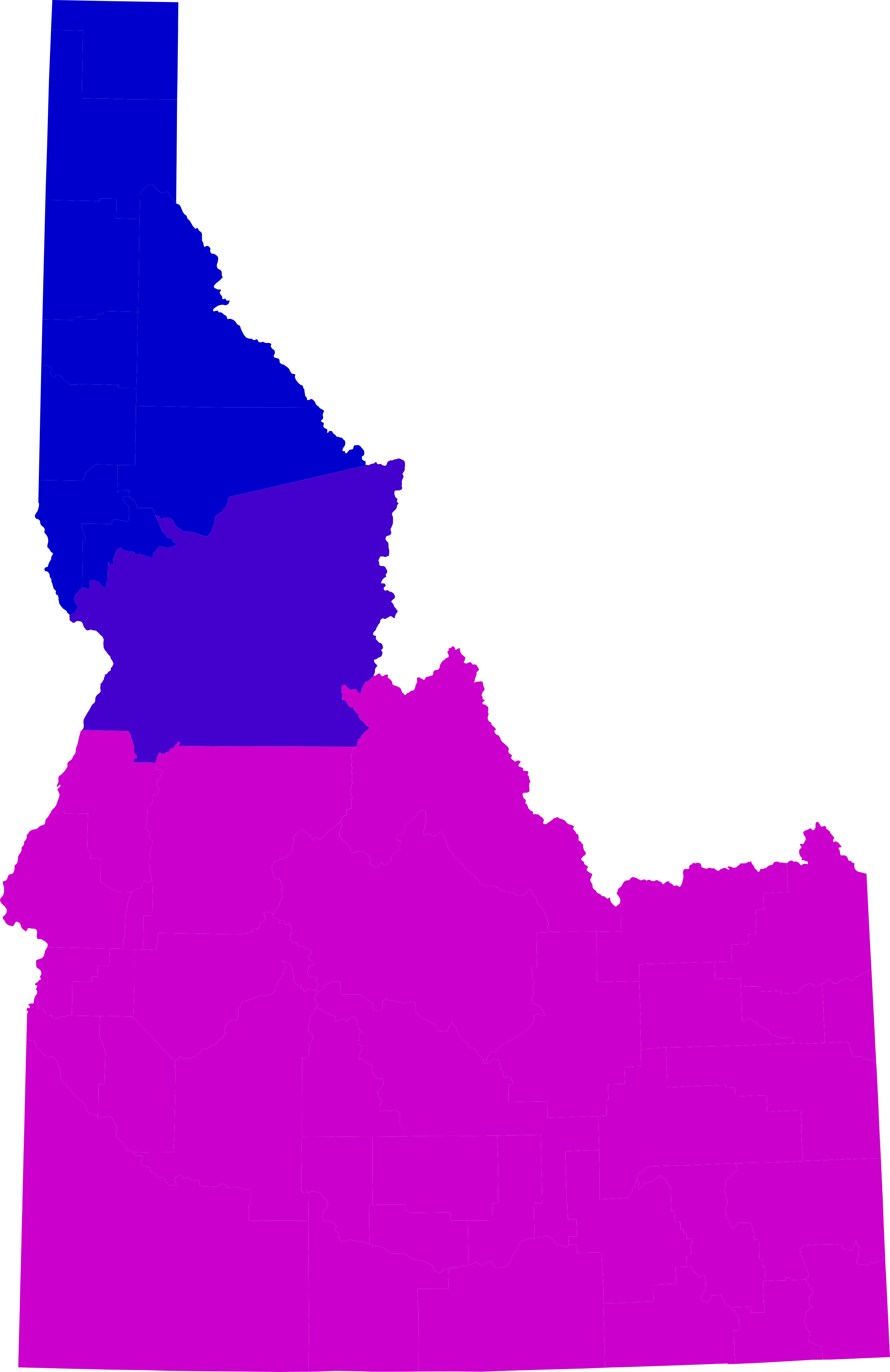
The unique exception to Idaho’s primary time zone is its northernmost region, the Idaho Panhandle. This area, bordering Washington and Oregon to the west, and Canada (specifically British Columbia) to the north, adheres to the Pacific Time Zone. Major cities and towns in this region, including Coeur d’Alene, Sandpoint, and Moscow, all fall under Pacific Time.
The decision to place the Panhandle in Pacific Time is largely due to its geographical proximity and economic ties with Eastern Washington and Spokane. Daily commuters, businesses, and essential services often operate across the state line, making a unified time zone crucial for efficiency and convenience. For travelers arriving from the Pacific Northwest, staying in Pacific Time in this part of Idaho simplifies planning and reduces potential confusion.
The Rationale Behind the Division
The division of Idaho into two time zones is a testament to the practicalities of geography and human interaction. The natural barrier formed by the Bitterroot Mountains historically separated the Panhandle from the rest of the state, making travel and communication challenging until modern infrastructure developed. Economically, Southern Idaho’s agricultural and mining industries historically looked eastward, connecting with markets and transportation hubs in the Mountain West. Conversely, the Panhandle’s timber industry and urban centers developed stronger ties with the coastal regions of Washington and Oregon.
This pragmatic approach ensures that communities can align with their primary economic and social partners, minimizing disruption. While it might seem complex on a map, the time zone boundary often follows county lines or natural geographic features, making it relatively straightforward for residents and visitors to ascertain their local time.
Navigating Time Zones for Idaho Travelers
For those planning a memorable trip to Idaho, awareness of the time zone split is not just a detail but a fundamental aspect of itinerary planning. From booking flights to scheduling outdoor excursions, considering the local time can prevent missed connections and ensure a seamless travel experience.
Planning Your Itinerary
When crafting your Idaho adventure, meticulously check the time zone of each destination. If your journey involves traversing the state from south to north, or vice versa, be prepared for a one-hour time change. For example, if you fly into Boise (MT) and then drive north to Coeur d’Alene (PT), remember to set your watch back an hour upon crossing the time zone boundary. This boundary roughly follows the Salmon River country and is generally well-marked on maps and by local signage.
Travel guides and GPS systems are invaluable tools, but always double-check their time zone settings, especially when dealing with border regions. This is particularly relevant for those planning to explore vast areas, perhaps combining a ski trip to Sun Valley with a summer lake getaway in Sandpoint.
Accommodation and Activity Considerations
Booking accommodations in Idaho requires careful attention to time zones. Whether you’re reserving a luxury suite in a Boise downtown hotel, a cozy cabin near Lake Pend Oreille, or a rustic lodge in the Sawtooth National Recreation Area, confirm the local time for check-in and check-out. Many booking platforms automatically adjust for local time, but a quick verification can save you from an unexpected early departure or late arrival.
Similarly, when scheduling activities like whitewater rafting on the Salmon River, guided tours through Hells Canyon, or dinner reservations at a farm-to-table restaurant in Moscow, be mindful of the local time. Outdoor adventure operators, especially those conducting multi-day trips that might cross the time zone boundary, will usually provide clear instructions, but it’s always wise to clarify.
Essential Tips for Visitors
- Set Your Devices Automatically: Most smartphones and smartwatches automatically update to the correct time zone based on your location. Ensure this feature is enabled to minimize manual adjustments.
- Confirm with Locals: If in doubt, don’t hesitate to ask hotel staff, tour guides, or local residents for the correct time zone. They are often the best resource for on-the-ground information.
- Daylight Saving Time: Idaho observes Daylight Saving Time, meaning clocks spring forward in March and fall back in November. This applies to both the Mountain and Pacific Time Zones, so the one-hour difference between them remains constant.
- Travel Documents and Confirmations: Always check your flight, train, or bus tickets, as well as hotel and tour confirmations, to ensure the times listed correspond to the local time zone of your departure or arrival point.
Exploring Idaho’s Diverse Regions
Beyond its unique temporal characteristic, Idaho offers an incredible array of landscapes, cultures, and experiences, catering to every travel style, from luxury getaways to budget-friendly family trips.
Southern Idaho: Mountain Time Delights
Southern Idaho, primarily within the Mountain Time Zone, is the heart of the state’s urban and recreational offerings. Boise, the capital, blends vibrant city life with easy access to outdoor adventures. Here, visitors can explore the Boise River Greenbelt, visit the Old Idaho Penitentiary, or indulge in the burgeoning culinary scene. Accommodation options range from upscale hotels to charming boutique stays, reflecting a comfortable lifestyle.
Further east, Sun Valley stands as a beacon for luxury travel and outdoor enthusiasts. This world-renowned resort offers unparalleled skiing in winter and a plethora of activities like hiking, mountain biking, and fly fishing in summer. The Sawtooth National Recreation Area, with its jagged peaks and pristine alpine lakes, is a paradise for adventurers and nature lovers seeking rugged beauty. The Craters of the Moon National Monument and Preserve offers a surreal, lunar-like landscape, a must-see landmark for its geological significance. For budget travelers, numerous campgrounds and more modest lodging options provide access to these natural wonders.
Northern Idaho: Pacific Time Adventures
The Idaho Panhandle, operating on Pacific Time, provides a different flavor of Idaho charm. Coeur d’Alene, often called the “Playground of the Pacific Northwest,” is famous for its stunning lake, championship golf courses, and vibrant downtown. Luxury resorts and waterfront hotels offer exquisite experiences, while family-friendly hotels and vacation rentals cater to diverse accommodation needs. The area is a hub for water sports, scenic cruises, and lakeside dining.
North of Coeur d’Alene, the charming town of Sandpoint sits on the shores of Lake Pend Oreille, the largest and deepest lake in Idaho. It’s a gateway to the Schweitzer Mountain Resort, another top-tier destination for skiing and summer activities. This region also offers access to vast wilderness areas, perfect for hunting, fishing, and backcountry exploration, appealing to those seeking immersive nature experiences. The local culture here often reflects a blend of influences from Washington and Montana, with a strong emphasis on outdoor lifestyle and community events.
Bridging the Zones: Eastern and Central Regions
Between these two primary time zone areas lies a mosaic of landscapes that seamlessly transition from the Pacific Northwest vibe to the rugged Mountain West. Central Idaho, with its untouched wilderness and the famous Salmon River — “River of No Return” — offers unparalleled opportunities for whitewater rafting, fishing, and backcountry hiking. Towns like Stanley, nestled in the heart of the Sawtooths, are popular bases for such adventures, offering rustic cabins and charming lodges.
Eastern Idaho, firmly in Mountain Time, is the gateway to some of the nation’s most iconic national parks. From cities like Idaho Falls and Rexburg, travelers can easily access Yellowstone National Park and Grand Teton National Park in neighboring Wyoming. The Teton Valley, encompassing towns like Driggs and Victor, offers stunning views of the Tetons and a vibrant local culture, making it a perfect spot for those who appreciate natural beauty and community spirit. Accommodation here includes everything from quaint bed and breakfasts to full-service resorts catering to ski and outdoor enthusiasts.
Beyond Time: What Makes Idaho a Premier Destination?
While the time zone aspect adds an interesting layer to planning, Idaho’s true appeal lies in its unparalleled natural beauty, diverse activities, and welcoming local culture, all supported by a wide range of accommodation options.
Outdoor Adventures and Natural Wonders
Idaho is an outdoor enthusiast’s paradise. Its vast wilderness areas, including over 80 state parks and recreational areas, provide endless opportunities for adventure. From the thrill of whitewater rafting and kayaking on the Payette River or Salmon River to peaceful fly-fishing in pristine mountain streams, the state’s waterways are a major draw. Hiking and backpacking trails crisscross the Sawtooth Mountains, Seven Devils Mountains, and Selkirk Mountains, offering routes for all skill levels.
Winter transforms Idaho into a snowy wonderland, with world-class ski resorts like Sun Valley, Schweitzer, and Bogus Basin offering exhilarating downhill and cross-country skiing, snowboarding, and snowshoeing. The state’s natural landmarks, from the majestic Shoshone Falls (often called the “Niagara of the West”) to the unique geological formations of Craters of the Moon, offer breathtaking sights for every traveler.
Cultural Experiences and Local Flavors
Idaho’s culture is deeply rooted in its pioneer history, Native American heritage, and agricultural traditions. Travelers can immerse themselves in local festivals, explore historic sites like the Fort Boise and Old Idaho Penitentiary, or visit tribal museums to learn about the Shoshone-Bannock, Nez Perce, and Coeur d’Alene tribes. The state’s culinary scene, while famous for its potatoes, extends far beyond, with a growing emphasis on farm-to-table dining, craft breweries, and local wineries, particularly in the Snake River Valley AVA. Farmers’ markets in cities like Boise and Moscow offer a taste of local produce and artisan goods, providing an authentic tourism experience.
Accommodation Choices for Every Lifestyle
Whether you’re planning a luxurious escape, a budget-conscious family vacation, a romantic honeymoon, or a productive business trip, Idaho offers a diverse range of accommodation options. High-end resorts in Sun Valley and Coeur d’Alene provide spa services, gourmet dining, and concierge support for an indulgent lifestyle. Mid-range hotels in urban centers offer convenient amenities for family trips and business stays, often with swimming pools and fitness centers. For those seeking a more immersive nature experience or on a budget, state parks and national forests provide numerous campsites and rustic cabins. Boutique hotels, vacation rentals, and charming bed and breakfasts scattered throughout the state offer personalized experiences and a touch of local character, catering to long-term stays or unique experiences.
In conclusion, while the question “What time zone is Idaho?” reveals a fascinating temporal split, it also opens the door to understanding the state’s rich geography, historical development, and the myriad of experiences it offers. By being mindful of the Mountain and Pacific Time Zones, travelers can seamlessly navigate this diverse state and fully immerse themselves in the adventures, relaxation, and cultural encounters that await in the “Gem State.” Idaho truly is a destination where every moment counts, no matter what time it is.
LifeOutOfTheBox is a participant in the Amazon Services LLC Associates Program, an affiliate advertising program designed to provide a means for sites to earn advertising fees by advertising and linking to Amazon.com. Amazon, the Amazon logo, AmazonSupply, and the AmazonSupply logo are trademarks of Amazon.com, Inc. or its affiliates. As an Amazon Associate we earn affiliate commissions from qualifying purchases.