
For travelers planning a trip to the sun-drenched landscapes and vibrant cities of Arizona, understanding the local time zone can be surprisingly nuanced. While most of the United States observes Daylight Saving Time (DST), Arizona stands as a proud exception, maintaining a consistent schedule throughout the year. This unique approach to timekeeping has fascinating implications for everything from planning your itinerary to catching a flight, and it adds another layer to the distinctive Arizona experience.
Imagine waking up to the breathtaking sunrise over the Grand Canyon, exploring the red rocks of Sedona, or delving into the vibrant arts scene of Scottsdale. While you’re immersed in these incredible experiences, the clock isn’t ticking quite the same way it might be back home. This article will unravel the mystery of Arizona’s time zone, explore the historical and practical reasons behind its steadfast position, and provide essential tips for navigating time differences to ensure your visit is as seamless and enjoyable as possible. Whether you’re considering a luxurious stay at one of Phoenix’s acclaimed resorts, embarking on a budget-friendly road trip, or simply curious about this intriguing aspect of the state, understanding Arizona’s time will significantly enhance your travel planning and overall appreciation of this captivating destination.
Understanding Arizona’s Unique Time Zone
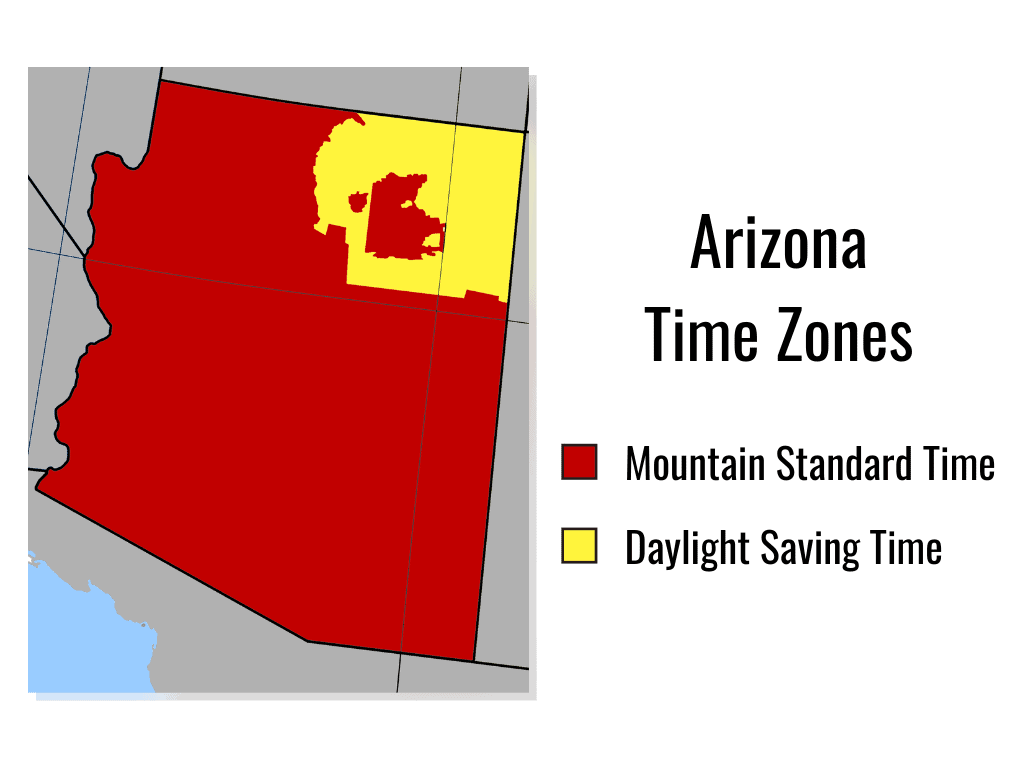
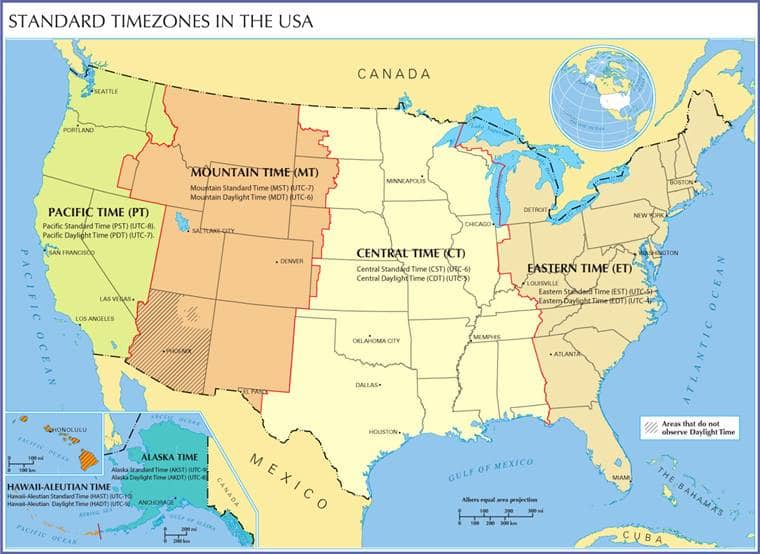
At its core, Arizona primarily operates on Mountain Standard Time (MST) throughout the entire year. This means that while states around it, like California, Nevada, Utah, Colorado, and New Mexico, adjust their clocks forward an hour for Daylight Saving Time from March to November, Arizona remains constant. This consistency is a defining characteristic of the state and often surprises first-time visitors or those less familiar with its unique regulations.
Mountain Standard Time (MST) Year-Round
Mountain Standard Time (MST) is generally observed in the Mountain Time Zone of North America. It is seven hours behind Coordinated Universal Time (UTC-7). When the rest of the continental United States “springs forward” for Daylight Saving Time, the clocks in neighboring states shift to Mountain Daylight Time (MDT), which is UTC-6. However, since Arizona does not participate in this shift, it effectively means that for roughly half the year (from early March to early November), Arizona observes the same time as Pacific Daylight Time (PDT) and is three hours behind Eastern Daylight Time (EDT). During the winter months, when other states revert to standard time, Arizona aligns with the official Mountain Standard Time of neighboring states.
This constant MST observance is a significant factor for travelers. If you’re flying in from Los Angeles or San Francisco during the summer, there’s no time difference to contend with. However, if you’re coming from Denver or Salt Lake City during the same period, you’ll gain an hour when you arrive in Arizona, as those cities will be an hour ahead on MDT. This subtle shift can impact flight arrival times, hotel check-ins, and scheduled tours, making it crucial to be aware.
The Daylight Saving Time Exemption
The primary reason Arizona opted out of Daylight Saving Time dates back to the late 1960s. The Uniform Time Act of 1966 mandated that all states observe DST, but it also included a provision allowing states to opt out. Arizona chose to do so, driven by compelling reasons related to its climate and lifestyle.
The overwhelming heat for much of the year in Arizona is the most significant factor. With temperatures often soaring above 100 degrees Fahrenheit during the summer, extending daylight into the evening would simply mean more hours of intense heat. Most outdoor activities, including sports, leisure, and even simple errands, are preferably conducted in the cooler mornings or later evenings. Shifting the clocks forward would push sunset back an hour, meaning the hottest part of the day would extend even further into the evening, making it less practical for residents to enjoy outdoor pursuits after work or school. For example, a Phoenix resident looking to hike Camelback Mountain in the evening would prefer the sun to set earlier, allowing temperatures to drop to a more comfortable level.

Furthermore, energy conservation, often cited as a benefit of DST, was deemed negligible or even counterproductive in Arizona. While an extra hour of daylight might reduce the need for artificial lighting in some climates, the intense Arizona sun means air conditioning runs longer and harder during daylight hours. Keeping the clocks steady effectively aligns the hottest part of the day with the evening commute, allowing people to return to cooler homes and reducing demand for peak-hour energy consumption. This decision reflects a profound understanding of the local climate and a commitment to the well-being and convenience of its residents.
The Navajo Nation Anomaly
Just when you think you’ve got Arizona’s time zone figured out, there’s an important exception: the Navajo Nation. This vast indigenous territory, which extends across parts of northeastern Arizona, New Mexico, and Utah, does observe Daylight Saving Time. This creates a unique time discrepancy within the state itself, presenting an interesting challenge and a fascinating cultural insight for travelers.
Why the Navajo Nation Observes DST
The Navajo Nation’s decision to observe Daylight Saving Time is primarily a matter of practicality and consistency with its tribal lands that extend into neighboring states. Since the Navajo Nation spans three states (Arizona, New Mexico, and Utah), and both New Mexico and Utah observe DST, aligning with their timekeeping practices simplifies communication, commerce, and governance across the reservation. Imagine the confusion if different parts of the same nation operated on different times!
For residents and businesses within the Navajo Nation, observing DST means that during the summer months, they are on Mountain Daylight Time (MDT), which is one hour ahead of the rest of Arizona. This means that if it’s 3:00 PM in Phoenix, it would be 4:00 PM in Window Rock, the capital of the Navajo Nation. This time change is particularly important for those visiting attractions such as Monument Valley, Antelope Canyon (near Page, which is itself just outside the Navajo Nation but deeply intertwined), or other stunning natural wonders located within the reservation boundaries. Tour operators, local businesses, and government offices within the Navajo Nation will operate on MDT during the DST period.
Adding another layer of complexity, the Hopi Nation, which is entirely surrounded by the Navajo Nation, does not observe Daylight Saving Time. This creates a donut hole effect: during DST, you could theoretically drive into the Navajo Nation (clocks jump forward), then into the Hopi Nation (clocks jump back), and then back into the Navajo Nation (clocks jump forward again), all within a relatively short distance. While this is more of a fascinating geographical curiosity than a practical travel headache for most, it underscores the intricate nature of time zones in this part of the country. For the average traveler, the key takeaway is simply to be mindful of the Navajo Nation’s DST observance, particularly if your itinerary includes visits to its spectacular attractions. Always confirm local times for tours and reservations when traveling through this region.
Practical Implications for Travelers and Residents
Navigating Arizona’s unique time zone situation, including the Navajo Nation exception, can have several practical implications for both visitors and those residing in the state. Being aware of these nuances is key to a smooth and stress-free experience, whether you’re on a family vacation, a business trip, or settling in for a long-term stay.
Planning Your Arizona Itinerary
When planning your Arizona adventure, especially during the months when Daylight Saving Time is in effect elsewhere (March to November), time differences are crucial.
- Flights and Transportation: If you’re flying into Phoenix Sky Harbor International Airport (PHX) or Tucson International Airport (TUS), always double-check your arrival time relative to your departure city. During DST, a flight from Los Angeles (PDT) to Phoenix (MST) will show the same clock time, making for a seemingly quicker journey. However, coming from Denver (MDT), you’ll effectively “gain” an hour upon arrival in Arizona. This can affect connections, car rental pickups, and hotel check-in times.
- Hotel and Accommodation Bookings: Most hotels and resorts in major Arizona cities like Phoenix, Tucson, and Sedona will operate on MST year-round. Ensure your booking confirmations align with this understanding. If you’re staying within the Navajo Nation, remember that hotels there will observe MDT during DST months. This is particularly relevant for unique accommodation options like cultural stays or lodges on the reservation.
- Tours and Attractions: Many popular attractions, especially those with timed entry or guided tours like Antelope Canyon or the Grand Canyon National Park (especially its east entrance), might be located near or within the Navajo Nation. For example, tours departing from Page to Antelope Canyon typically operate on the Navajo Nation’s time during DST, meaning they’ll be one hour ahead of Page proper. Always confirm the local time zone for your specific tour departure point to avoid missing your slot. Similarly, planning sunrise or sunset visits to viewpoints requires knowing the exact local time the sun will perform its daily spectacle.
- Meeting and Event Scheduling: For business travelers or those attending conferences, clarity on the time zone is paramount. Always specify “MST” when scheduling calls or meetings with Arizona contacts to prevent confusion, especially if participants are spread across different time zones.
Business and Communication Considerations
Beyond leisure travel, Arizona’s time zone has important implications for business and general communication.
- Remote Work and Collaboration: With the rise of remote work, companies with teams in Arizona need to be mindful of the state’s consistent MST. During DST, an Arizona employee will be at the same time as their colleagues in California but an hour behind those in Colorado. This requires clear communication and flexible scheduling to accommodate team meetings and deadlines.
- Customer Service and Support: Businesses offering customer service or support to clients across the US must account for Arizona’s unique timing. A customer in New York might assume a 9-to-5 Arizona business operates 3 hours behind them year-round, but during DST, that difference shrinks to 2 hours. Clear communication of operating hours, often specifying the time zone (e.g., “9 AM – 5 PM MST”), is crucial.
- Logistics and Shipping: For industries involved in logistics and shipping, accurate time zone understanding is vital for scheduling deliveries, managing supply chains, and meeting deadlines, particularly when goods are transported across state lines. The consistent MST in Arizona simplifies this somewhat by removing one variable (the DST shift), but coordination with neighboring states still requires attention.
In essence, while Arizona’s consistent time zone can simplify things by eliminating the twice-yearly clock change, its deviation from the national norm (and the Navajo Nation’s exception) means that a little extra diligence in planning and communication goes a long way. This ensures that your focus remains on enjoying the incredible attractions and experiences the state has to offer, rather than on calendar confusion.
Historical Context and Local Perspectives
Arizona’s steadfast refusal to observe Daylight Saving Time is not merely a modern quirk; it’s a decision rooted in historical reasoning, climatic realities, and a strong sense of local identity. Understanding this background helps visitors and residents alike appreciate why the Grand Canyon State marches to the beat of its own drum when it comes to timekeeping.
The Logic Behind the Exemption
The concept of Daylight Saving Time was first widely adopted in the United States with the Standard Time Act of 1918, primarily as a wartime measure to conserve energy. After World War I, it was repealed due to unpopularity but later reinstated during World War II. The modern, uniform system across the nation was established by the Uniform Time Act of 1966, which allowed states to opt out. Arizona initially experimented with DST but quickly found it impractical.
The core of Arizona’s decision, as previously mentioned, is the intense summer heat. Phoenix, for instance, experiences over 100 days a year with temperatures above 100°F (38°C). During these brutal summer months, an extra hour of daylight in the evening, which DST provides, is not desirable. Locals prefer the sun to set earlier, allowing the air to cool down sooner so outdoor activities can commence. Imagine children wanting to play outside, families gathering for evening barbecues, or friends enjoying a leisurely dinner on a patio – all these activities are much more pleasant after the sun has begun to dip and temperatures become more bearable. Shifting the clock forward would simply extend the sweltering heat, making evenings less comfortable and increasing the strain on air conditioning systems.
Furthermore, for a state that prides itself on its outdoor lifestyle and natural landmarks like the Grand Canyon, Saguaro National Park, and Petrified Forest National Park, the consistent time means that morning activities are cooler, and evening enjoyment isn’t pushed into unbearable heat. Farmers, too, benefit from the consistency, as their work cycles are often dictated by the sun and traditional hours rather than an artificial clock shift. The idea of “saving daylight” doesn’t quite resonate when you’re actively trying to escape it.
From a lifestyle perspective, this consistent MST reflects a certain pragmatic independence and a deep connection to the land and its climate. It’s a choice that prioritizes local comfort and energy efficiency over nationwide conformity. For residents, it means no twice-yearly confusion about resetting clocks or adjusting sleep schedules, offering a small but significant advantage in daily life. This unwavering approach also contributes to Arizona’s distinctive character, making it one of the few places in the United States where time literally stands still in a meaningful way while the rest of the country “springs forward” and “falls back.” It’s a testament to the state’s commitment to its unique environment and the practical needs of its people, a fascinating detail that adds to the allure of Arizona as a premier travel destination.
Conclusion: Embracing Arizona’s Timeless Charm
Arizona’s approach to time is as distinctive and memorable as its vibrant sunsets and awe-inspiring landscapes. By primarily observing Mountain Standard Time (MST) year-round, the state has carved out a unique identity that prioritizes local climate and convenience over the national norm of Daylight Saving Time. This decision, deeply rooted in historical context and pragmatic considerations concerning the intense summer heat, shapes daily life and offers a consistent rhythm for both residents and the millions of tourists who flock to its diverse destinations annually.
While the general rule is straightforward, the fascinating exception of the Navajo Nation (which does observe DST to maintain consistency with its interstate territories) adds an intriguing layer of complexity. This particular detail is crucial for travelers venturing into iconic areas like Monument Valley or Antelope Canyon, underscoring the importance of verifying local times for tours and reservations.
For anyone planning an Arizona escape, understanding these time zone nuances is a small but significant step towards a seamless and enjoyable journey. Whether you’re booking a luxurious stay at a resort in Scottsdale, exploring the spiritual vortexes of Sedona, or embarking on an epic road trip through its vast wilderness, a mindful approach to time differences ensures you maximize your experience. This awareness will help you schedule everything from flight arrivals and hotel check-ins to tourism activities and dining experiences without a hitch.
Ultimately, Arizona’s unique time zone policy is more than just a chronological detail; it’s a testament to the state’s independent spirit and its deep connection to its environment. It’s an invitation to embrace a slightly different pace, allowing you to fully immerse yourself in the natural beauty, rich culture, and warm hospitality that define the Grand Canyon State. So, as you prepare to discover the wonders of Arizona, remember that while the clocks may not change, the timeless memories you’ll create certainly will.
LifeOutOfTheBox is a participant in the Amazon Services LLC Associates Program, an affiliate advertising program designed to provide a means for sites to earn advertising fees by advertising and linking to Amazon.com. Amazon, the Amazon logo, AmazonSupply, and the AmazonSupply logo are trademarks of Amazon.com, Inc. or its affiliates. As an Amazon Associate we earn affiliate commissions from qualifying purchases.