
Embarking on a journey across the vast expanse of the United States often involves more than just packing your bags and plotting a route; it requires a keen awareness of the invisible lines that govern our clocks: time zones. For travelers heading to the heartland, specifically the Sunflower State, the question “What time zone is Kansas?” is particularly pertinent. Unlike many states that reside entirely within a single time zone, Kansas proudly straddles two, offering a unique geographical quirk that adds an intriguing layer to travel planning and daily life. Whether you’re navigating the bustling metropolitan areas of the east or exploring the serene, expansive prairies of the west, understanding this temporal division is key to a seamless and enjoyable experience. This guide will unravel the mystery of Kansas’s time zones, providing essential insights for adventurers, business travelers, and locals alike.
The Dual Time Zones of Kansas
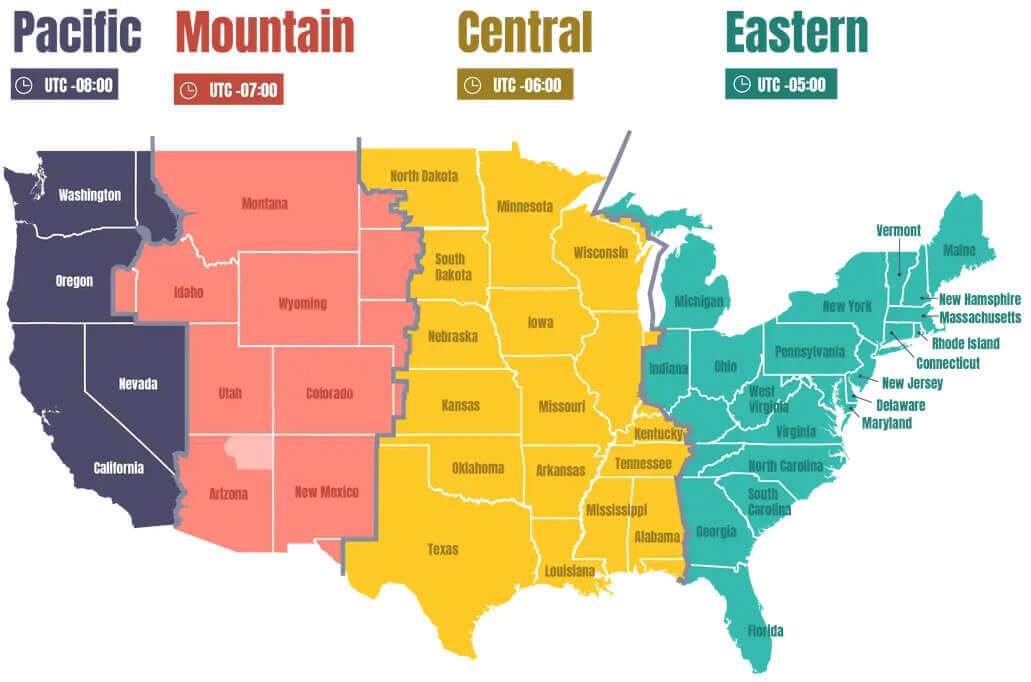
At first glance, it might seem straightforward, but Kansas is divided, albeit unevenly, between the Central Time Zone and the Mountain Time Zone. The vast majority of the state, including its most populous cities and vibrant cultural hubs, observes Central Time. However, a distinct western sliver of Kansas operates on Mountain Time. This geographical split is a fascinating detail that influences everything from flight schedules to dinner reservations, underscoring the importance of checking your clock when traversing the state. For those planning a cross-state road trip or a multi-day itinerary, knowing where these boundaries lie can be crucial for a smooth journey.
Central Time Zone (CT): The Eastern Majority
The predominant time zone across Kansas is Central Time Zone (CT), which is UTC-6 during standard time and UTC-5 during Daylight Saving Time (DST). This encompasses the state’s major economic, cultural, and political centers. From the eastern border with Missouri to roughly two-thirds of the way west, residents and visitors alike synchronize their watches to CT. This includes the sprawling metropolitan area of Kansas City, a dynamic hub for entertainment, dining, and historical exploration. Travelers flock to Kansas City for its world-renowned barbecue, jazz heritage, and impressive fountains, all experienced on Central Time.
Further south and west within the CT zone lies Wichita, the state’s largest city, often referred to as the “Air Capital of the World” due to its rich aviation history. Wichita offers a wealth of attractions, from the Sedgwick County Zoo to Botanica, The Wichita Gardens, providing diverse experiences for tourists. The state capital, Topeka, also observes Central Time, home to significant landmarks and a vibrant local culture. Other prominent cities like Lawrence, known for its youthful energy and university town charm, and Manhattan, the “Little Apple,” also fall squarely within the Central Time Zone. When booking accommodation, exploring local eateries, or planning visits to attractions like the Tallgrass Prairie National Preserve in the Flint Hills, rest assured your Central Time setting will serve you well. Many luxury hotels and boutique accommodations in these cities cater to a wide range of lifestyles, ensuring comfort and convenience for all guests operating on CT.

Mountain Time Zone (MT): The Western Frontier
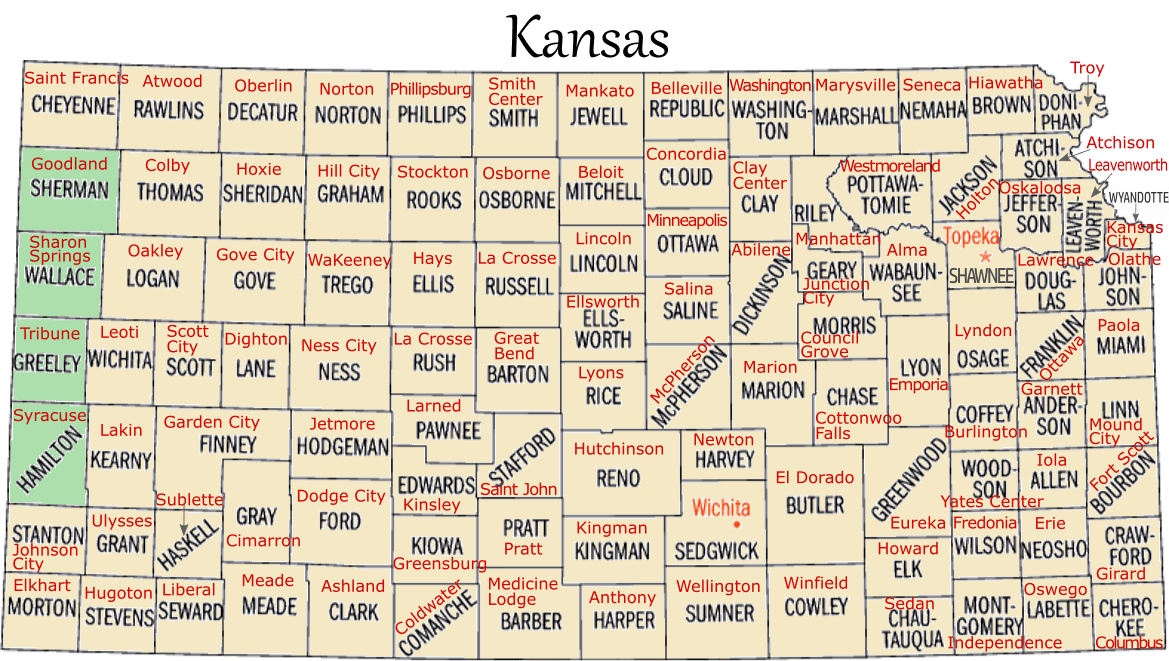
Venturing into the far western reaches of Kansas, a distinct shift occurs: the clocks fall back by one hour as you enter the Mountain Time Zone (MT). Mountain Time is UTC-7 during standard time and UTC-6 during Daylight Saving Time. This area is less densely populated but offers its own unique charm and attractions, characterized by vast open landscapes and a strong sense of frontier history. Specifically, four counties in the extreme west of Kansas observe Mountain Time year-round: Sherman County, Wallace County, Greeley County, and Hamilton County. These counties share a border with Colorado, a state predominantly on Mountain Time, which historically influenced this time zone alignment.
For travelers exploring the scenic beauty and historical sites of western Kansas, such as the remnants of the Pony Express trail or the expansive agricultural lands, remembering this time change is vital. While these counties might not boast the large resorts or extensive hotel chains found in the east, they offer charming local accommodations and a chance to experience the authentic rural lifestyle. The city of Goodland in Sherman County is one of the more notable communities in the Mountain Time Zone portion of Kansas. Understanding this boundary is especially important for those traveling from eastern Kansas or neighboring Central Time states like Nebraska and Oklahoma into these western areas, as a simple one-hour adjustment can affect appointments, business meetings, or simply catching the sunset at your preferred time. The slower pace of life in this region perfectly complements the extra hour you gain when traveling westward, inviting visitors to unwind and savor the beauty of the high plains.
Navigating Time Across the Sunflower State
Understanding the time zone split in Kansas is more than just a trivial fact; it’s a practical necessity for any well-planned trip. From coordinating flights and hotel check-ins to making restaurant reservations and scheduling meetings, the temporal nuances of the Sunflower State can significantly impact your itinerary. For those who frequently travel, especially across multiple states or time zones, the subtle shift between Central Time and Mountain Time within Kansas highlights the importance of precise planning. Whether you’re on a luxury travel adventure or a budget-friendly family trip, a misplaced hour can lead to missed connections or unexpected delays, making informed travel decisions essential.
Practical Implications for Travelers
Imagine booking a train ticket from Kansas City (CT) to a destination in Wallace County (MT) or vice versa. A departure time of 3:00 PM in Central Time means you would arrive at 2:00 PM Mountain Time if the journey took less than an hour, effectively “gaining” an hour. Conversely, traveling eastward from MT to CT would mean “losing” an hour. This shift is crucial for connecting flights at major airports like Kansas City International Airport (MCI), especially if your onward journey takes you through another time zone, like to Denver which is always on Mountain Time.
Hotel check-in and check-out times, usually around 3:00 PM and 11:00 AM respectively, also depend on the local time zone. If you’ve booked a hotel in, say, Colby (CT) and plan to move to an apartment rental in Sharon Springs (MT), be mindful of the one-hour difference in your arrival and departure calculations. Restaurant reservations, especially for popular dining spots or unique local food experiences, should always be confirmed in local time to avoid disappointment. For business travelers, missing a virtual meeting or a scheduled call due to a time zone oversight can have significant consequences. It’s always advisable to use a time zone converter tool or rely on your smartphone’s automatic time adjustment feature when crossing the boundary, particularly since Daylight Saving Time further complicates matters by shifting the offset by an additional hour for half the year.
Planning Your Kansas Itinerary with Time Zones in Mind
When crafting your ideal Kansas itinerary, integrating time zone awareness can enhance your trip considerably. If you’re planning a scenic road trip from east to west, consider the “extra” hour you’ll gain upon entering Mountain Time. This could be used to extend your exploration of a charming small town, linger a bit longer at a roadside attraction, or simply enjoy a more relaxed evening. Conversely, traveling from west to east means you’ll “lose” an hour, so schedule accordingly to ensure you arrive at your destination or appointment without feeling rushed.
For example, a trip starting in Wichita (CT) and heading towards the Boot Hill Museum in Dodge City (CT) will remain in the same time zone. However, if your ultimate destination is Goodland (MT), you’ll need to adjust your expectations for sunset, local business hours, and any pre-booked tours. Many travelers enjoy stopping at sites close to the time zone border, such as the Fick Fossil and History Museum in Oakley, which is in Central Time but relatively close to the MT line. Always double-check event times for festivals, concerts, or local sports, as these will invariably be listed in local time. Utilise mapping applications that automatically adjust for time zones, and consider setting reminders on your devices to prompt you about the upcoming time change when crossing the invisible line.
A Glimpse into Kansas’s Allure Beyond the Clock
While time zones provide a fascinating logistical challenge, Kansas offers a rich tapestry of experiences that extend far beyond the tick-tock of the clock. From its rolling prairies and historic trails to its vibrant cities and friendly communities, the Sunflower State is a destination brimming with unique attractions and authentic American charm. Whether you’re drawn to historical landmarks, natural wonders, or the simple pleasure of discovering local culture, Kansas has something for every type of traveler.
For those interested in natural beauty and conservation, the Tallgrass Prairie National Preserve near Strong City offers a breathtaking immersion into the once-vast ecosystem that covered much of North America. Here, you can hike among bison herds and learn about the delicate balance of the prairie. The Flint Hills, where the preserve is located, are particularly stunning during spring and fall, offering picturesque landscapes perfect for photography and outdoor adventures.
Urban explorers will find plenty to love in cities like Wichita and Kansas City. In Wichita, the Old Cowtown Museum transports visitors back to the 1870s, while the Exploration Place provides interactive science exhibits for families. Kansas City, a twin city shared with Missouri, boasts world-class museums like the Nelson-Atkins Museum of Art and the National WWI Museum and Memorial, alongside its legendary jazz clubs and barbecue joints. Both cities offer a diverse range of accommodation options, from luxury hotels to charming boutique stays and serviced apartments, catering to various travel lifestyles.
History buffs should not miss a visit to Dodge City, where the spirit of the Old West is kept alive at the Boot Hill Museum and through daily reenactments. Another unique attraction is Strataca, an underground salt museum located 650 feet below the surface in Hutchinson, offering a fascinating glimpse into the state’s industrial heritage. For a deeper dive into the state’s cultural fabric, exploring local food scenes, from juicy Kansas steaks to classic diner fare, is a must. Many towns also host lively festivals and events throughout the year, celebrating everything from sunflowers to hot air balloons, offering a vibrant taste of local life. These varied experiences highlight that regardless of the time zone, Kansas is a destination rich in attractions, culture, and opportunities for unforgettable travel experiences.
Why the Split? A Brief History and Geography
The reason behind Kansas’s dual time zone system is rooted in both geography and historical pragmatism. Spanning a considerable width from east to west, Kansas covers several degrees of longitude. The establishment of standardized time zones in the United States in the late 19th century was primarily driven by the needs of the burgeoning railroad industry. Before this, towns set their clocks based on local apparent solar time, leading to chaotic scheduling. The introduction of time zones sought to streamline operations and prevent confusion across vast distances.
While most states are narrow enough to comfortably fit within a single time zone, or their geography dictates a clear natural divide, Kansas falls into a somewhat ambiguous middle ground. The western portion of the state aligns more closely geographically with Colorado, which is entirely in the Mountain Time Zone. The decision to place the four westernmost counties in Mountain Time was a practical one, ensuring consistency for communities that shared stronger economic and social ties with their Colorado neighbors than with the eastern part of Kansas. This demarcation facilitates easier communication, trade, and travel for residents and businesses along the Kansas-Colorado border, allowing them to operate on a consistent schedule with a significant adjacent market like Denver. The eastern two-thirds of the state, meanwhile, naturally aligns with the Central Time Zone, connecting it seamlessly with major population centers like Kansas City and neighboring states such as Missouri, Oklahoma, and Texas. This historical and geographical context explains the enduring, albeit sometimes confusing, dual time zone reality of the Sunflower State.
In conclusion, understanding that Kansas operates on both Central Time Zone and Mountain Time Zone is a fundamental piece of knowledge for any traveler or resident. While the split is concentrated in a small western portion, its implications are significant for accurate scheduling and seamless transitions across the state. By keeping this geographical quirk in mind, you can fully immerse yourself in the rich history, diverse attractions, and welcoming communities of Kansas, ensuring your journey through the heartland is as smooth as it is memorable. From booking your ideal accommodation to planning your sightseeing adventures, a little temporal awareness goes a long way in making your Kansas experience truly exceptional.
LifeOutOfTheBox is a participant in the Amazon Services LLC Associates Program, an affiliate advertising program designed to provide a means for sites to earn advertising fees by advertising and linking to Amazon.com. Amazon, the Amazon logo, AmazonSupply, and the AmazonSupply logo are trademarks of Amazon.com, Inc. or its affiliates. As an Amazon Associate we earn affiliate commissions from qualifying purchases.