
Navigating the temporal landscape of travel can sometimes feel as intricate as deciphering an ancient map. When planning a visit to a particular destination, understanding its time zone is a fundamental yet crucial piece of information, impacting everything from flight schedules and itinerary planning to simply knowing when to call home. For those setting their sights on the picturesque landscapes of Maine, a common query arises: “What time zone is Maine in?” This seemingly simple question unlocks a gateway to a more organized and enjoyable travel experience, especially for those who appreciate meticulous planning, whether for a luxurious resort stay, a budget-friendly adventure, or a family-focused exploration of its many attractions.

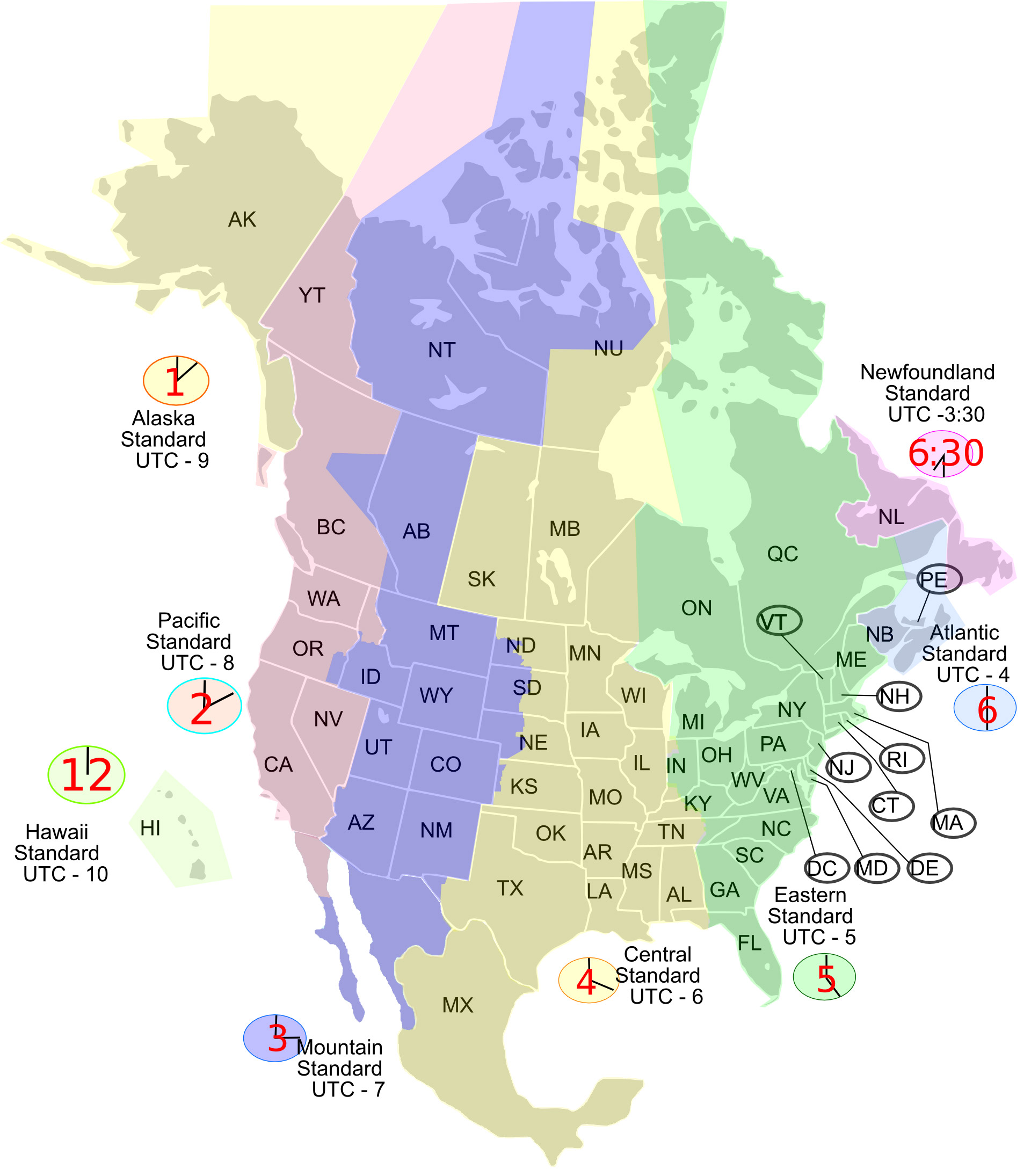
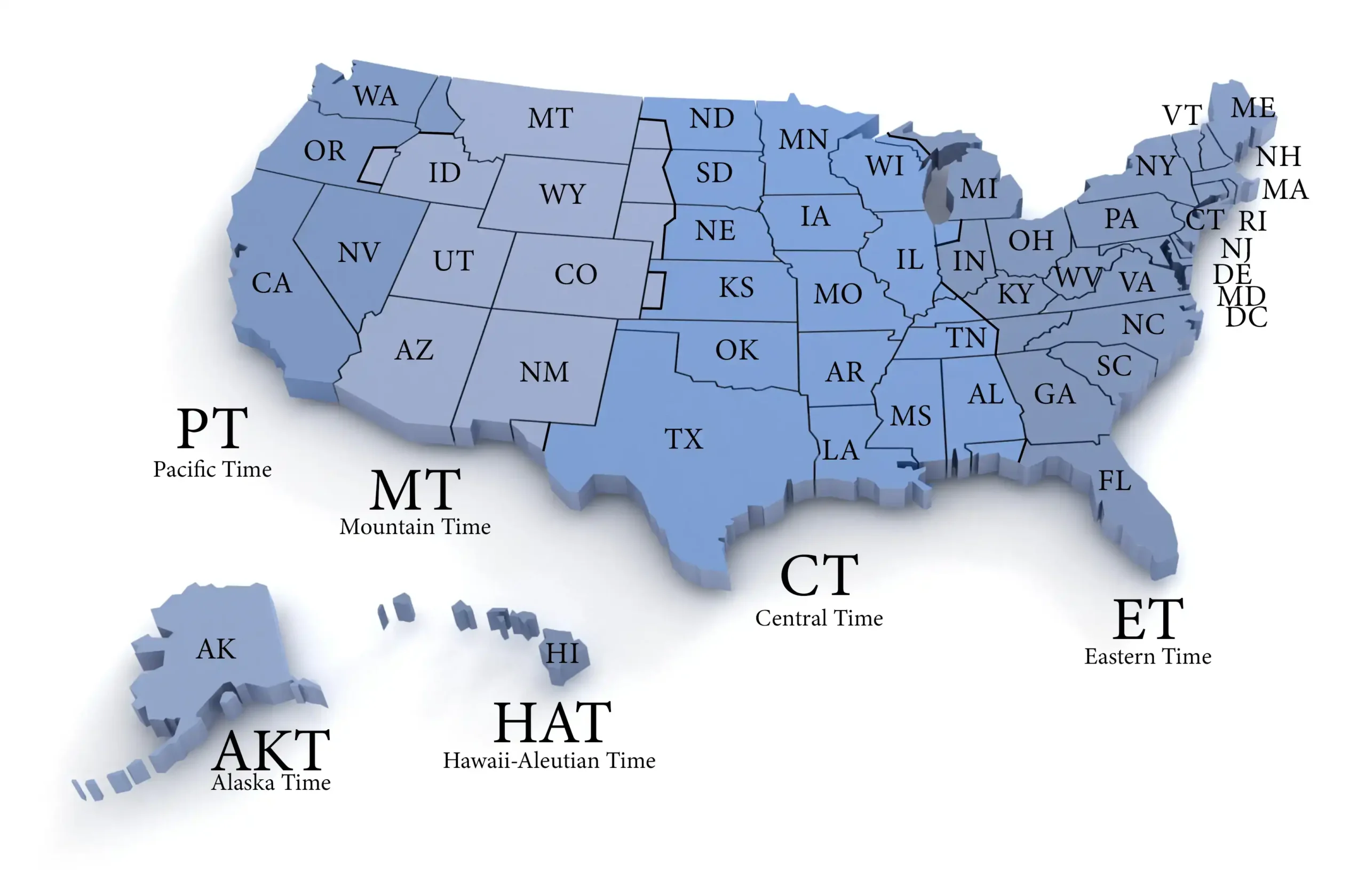
Maine, the northeasternmost state in the United States, operates under the Eastern Time Zone (ET). This means that Maine observes both Eastern Standard Time (EST) during the winter months and Eastern Daylight Time (EDT) during the warmer months, following the general practice of Daylight Saving Time (DST). Understanding this temporal framework is the first step in harmonizing your travel plans with the rhythm of this beautiful state.
The Eastern Time Zone: A Snapshot
The Eastern Time Zone is one of the most populous time zones in North America, encompassing a vast swathe of the United States and parts of Canada. It is currently observing Eastern Daylight Time (EDT), which is UTC-4, until the clocks are set back to Eastern Standard Time (EST), UTC-5, in the autumn. This practice of shifting clocks forward by one hour during spring and summer is designed to maximize daylight during waking hours, a concept that has been embraced by many regions around the world for various societal and economic reasons.
Daylight Saving Time in Maine
Maine faithfully adheres to Daylight Saving Time. This means that for a significant portion of the year, from the second Sunday in March to the first Sunday in November, the state operates on EDT. During these months, the sun effectively “sets” an hour later in the evening, a welcome change for those who enjoy lingering outdoor activities, perhaps exploring the charming coastal towns or hiking through the magnificent Acadia National Park.
Conversely, from the first Sunday in November through the second Sunday in March, Maine reverts to EST. This shift brings the official time back to UTC-5, aligning with the standard time for the region. For travelers, this temporal transition is a subtle yet important detail. It influences when the sun rises and sets, impacting the perceived length of daylight and, consequently, the planning of outdoor excursions, dining times, or simply enjoying the vibrant nightlife of cities like Portland.
Why Time Zones Matter for Your Maine Adventure
The time zone in which Maine resides is more than just a number; it’s a practical consideration that affects numerous aspects of your travel experience. Whether you’re booking your stay at a charming bed and breakfast in Kennebunkport, planning a fishing trip out of Bar Harbor, or coordinating a business meeting in Augusta, awareness of Eastern Time is paramount.
Coordinating Travel Plans
The most immediate impact of understanding Maine’s time zone is in coordinating travel. Flight schedules, train times, and bus routes are all published according to the destination’s local time. When booking flights into Portland International Jetport or Bangor International Airport, ensuring you’re looking at Eastern Time prevents any last-minute confusion or missed connections. For instance, if your flight departs from a city observing Pacific Time (PT), which is three hours behind Eastern Time, you’ll need to accurately calculate the arrival time in Maine to avoid any discrepancies. This is especially true when considering the length of your journey and potential layovers.
Itinerary Planning and Experiences
Beyond mere logistics, the time zone directly influences how you can experience Maine. Imagine planning a sunset cruise along the coast or a stargazing session in the sparsely populated northern regions. Knowing that Eastern Time means later sunsets during the summer months allows for more extended enjoyment of these natural phenomena. Conversely, during the winter, when EST is in effect and daylight hours are shorter, you might adjust your plans to incorporate more indoor attractions, such as visiting the Portland Museum of Art or exploring the historic lighthouses that dot the coastline.
Activities often have specific operating hours, and these are invariably listed in the local time. Whether it’s a guided tour of a historic site like the Pemaquid Point Light, a reservation at a highly sought-after restaurant in Old Port, or the opening hours of a local craft brewery, aligning with Eastern Time is essential for a seamless experience.
Understanding Local Rhythms and Culture
Each time zone carries its own set of rhythms and cultural norms. While Maine operates within the broad framework of Eastern Time, local customs and daily schedules can still vary. Understanding the time zone helps you to better appreciate these nuances. For example, you might observe that shops in smaller towns tend to open a bit later and close earlier than those in larger urban centers like Portland. This awareness can enrich your interactions with the local culture, allowing you to engage more authentically with the community.
Experiencing the local food scene is a cornerstone of any travel adventure. From sampling fresh lobster rolls in a seaside shack to indulging in fine dining in Portland, knowing the local meal times will help you make the most of Maine’s culinary offerings. You’ll be able to secure reservations at popular eateries without the frustration of arriving too early or too late.
The Impact on Business and Communication
For those traveling to Maine for business purposes, understanding the time zone is critical for professional communication. When scheduling calls with colleagues or clients based in different time zones, accurately knowing the difference between your Maine location and theirs ensures punctuality and avoids misunderstandings. Maine’s adherence to Eastern Time makes it align with a significant portion of the United States’ business hubs, simplifying some aspects of inter-state communication.
Navigating Time Zone Differences for Families
Family trips often involve a delicate balance of activities for all ages. For parents traveling with children, understanding the time zone can help maintain a semblance of routine, especially for younger ones who may be more sensitive to changes in sleep schedules. Planning excursions to places like Ogunquit Beach or visiting attractions like the Children’s Museum & Theatre of Maine becomes easier when you can anticipate daylight hours and factor in meal times and nap schedules according to Eastern Time.
Beyond the Clock: Embracing Maine’s Unique Charm
While knowing Maine’s time zone is a practical necessity for any traveler, it’s also important to remember that the true magic of Maine lies beyond the ticking of the clock. The allure of this captivating state extends far beyond its temporal positioning.
The Natural Splendor of Maine
Maine is renowned for its breathtaking natural beauty. From the rugged coastline dotted with picturesque lighthouses like the iconic Pemaquid Point Light to the vast, forested interior, there’s an abundance of natural wonders to explore. Acadia National Park, a jewel of the National Park Service, offers unparalleled opportunities for hiking, biking, and scenic drives. The Bold Coast in Washington County presents a wilder, more remote coastal experience. Even within its specified time zone, the rhythm of nature dictates the best times for certain activities, such as witnessing the sunrise from Cadillac Mountain or exploring the tide pools along the shore.
Quaint Towns and Coastal Villages
The state is peppered with charming towns and villages, each with its own unique character. Kennebunkport exudes a quintessential New England coastal charm, while Ogunquit is celebrated for its beautiful beaches and Marginal Way coastal path. Bar Harbor, the gateway to Acadia, offers a lively atmosphere with a plethora of shops, restaurants, and galleries. Each of these destinations, regardless of the hour, offers a distinct flavor of Maine life.
A Culinary Journey
Maine’s culinary scene is a significant draw for visitors. Famous for its fresh seafood, particularly lobster, the state offers a delicious array of dining experiences. From casual lobster shacks to upscale restaurants in Portland, the timing of your meals can enhance your enjoyment. Experiencing a traditional clambake at the right time of day, for instance, adds to the authentic flavor of the experience. Don’t forget to explore the burgeoning craft beer scene or sample the renowned Maine blueberries.
The Warmth of Maine Hospitality
Beyond its geographical and temporal coordinates, Maine is cherished for its warm and welcoming people. Whether you’re staying in a luxurious resort, a cozy apartment, or a quaint bed and breakfast, the hospitality you encounter will be a highlight of your trip. The genuine nature of Maine residents adds another layer of richness to the travel experience, making you feel at home no matter the hour.
In conclusion, while the answer to “What time zone is Maine in?” is a straightforward Eastern Time Zone, this knowledge serves as a crucial foundation for planning a successful and enjoyable trip. It allows for efficient coordination of travel, thoughtful itinerary design, and a deeper appreciation of the local rhythms. By understanding and respecting Maine’s temporal framework, you can unlock the full potential of your visit to this extraordinary state, ensuring that your journey is as seamless and memorable as its stunning landscapes and welcoming culture. Whether you’re seeking adventure in the wilderness, relaxation by the sea, or cultural immersion in its historic towns, let the understanding of Eastern Time be your guide, but don’t let it overshadow the timeless beauty and unique spirit of Maine.
LifeOutOfTheBox is a participant in the Amazon Services LLC Associates Program, an affiliate advertising program designed to provide a means for sites to earn advertising fees by advertising and linking to Amazon.com. Amazon, the Amazon logo, AmazonSupply, and the AmazonSupply logo are trademarks of Amazon.com, Inc. or its affiliates. As an Amazon Associate we earn affiliate commissions from qualifying purchases.