
Navigating the world often involves more than just understanding languages and currencies; it also requires a grasp of temporal differences. For travelers planning a visit to the vibrant Sunshine State, and specifically to the cosmopolitan hub of Miami, Florida, knowing the local time zone is a fundamental piece of information. This seemingly simple question, “What time zone is Miami, FL?”, unlocks a cascade of practical considerations for any itinerary, from booking flights and hotel rooms to scheduling tours and anticipating daily activities.
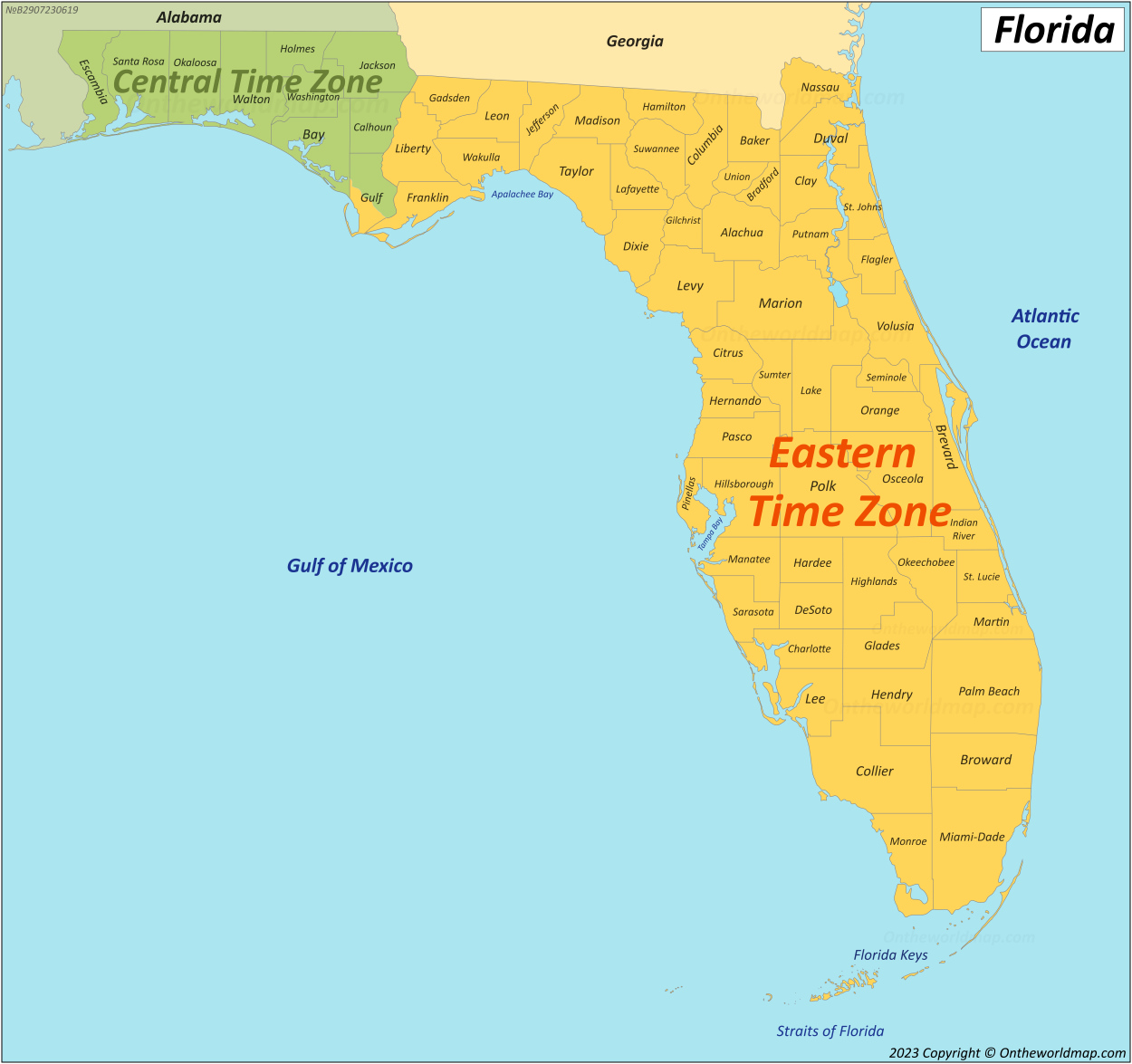
Miami, Florida is situated in the Eastern Time Zone. This means it observes Eastern Standard Time (EST) during the fall and winter months and Eastern Daylight Time (EDT) during the spring and summer months. EST is UTC-5, while EDT is UTC-4. This distinction is crucial for understanding how Miami’s time aligns with other parts of the United States and the rest of the world. Understanding this temporal framework is not just about avoiding missed connections; it’s about seamlessly integrating your travel plans with the rhythm of this dynamic city.

Understanding Time Zones: A Global Perspective
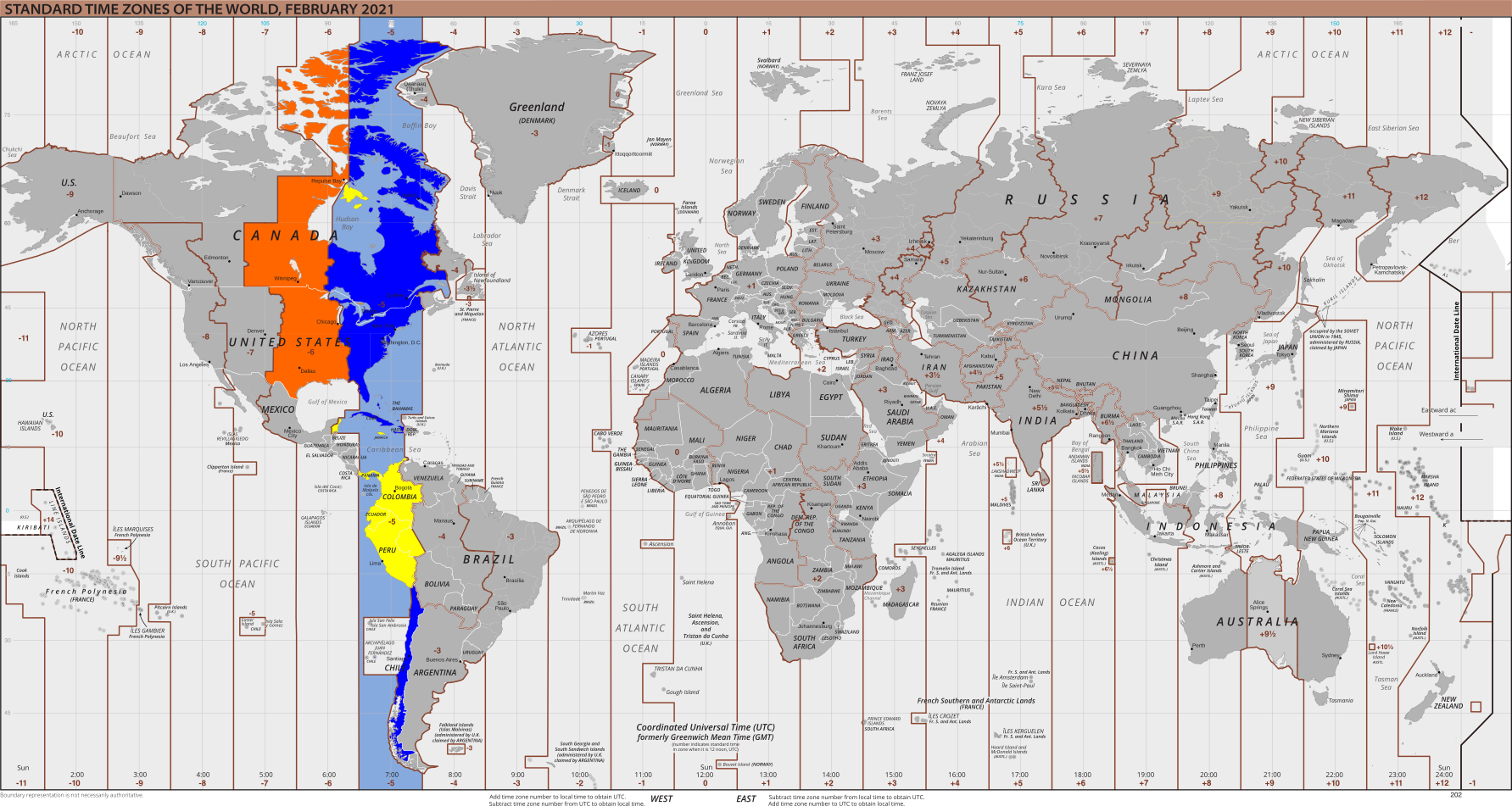
Time zones are a system of temporal coordination designed to standardize time across geographical regions. The Earth is divided into 24 theoretical time zones, each roughly 15 degrees of longitude wide, based on the rotation of the planet relative to the Sun. The Prime Meridian, located in Greenwich, London, serves as the reference point for Coordinated Universal Time (UTC).
In the United States, there are multiple time zones, each following a specific longitudinal band. From east to west, these include Eastern Time, Central Time, Mountain Time, and Pacific Time. States that span more than one time zone, like Texas or North Dakota, present their own unique temporal landscapes. Florida, however, primarily falls within the Eastern Time Zone, with the exception of a small portion of the western panhandle that observes Central Time. Miami, being on the southeastern coast, firmly resides within the Eastern Time Zone.
Daylight Saving Time: Shifting Sands of Time
A significant aspect of Miami’s temporal identity is its observance of Daylight Saving Time (DST). DST is the practice of advancing clocks during warmer months so that darkness falls at a later hour of the day. In the United States, DST typically begins on the second Sunday in March and ends on the first Sunday in November. During this period, clocks are moved forward by one hour. Therefore, Miami, like most of the Eastern Time Zone, will be on EDT. Outside of these DST periods, it operates on EST.
This annual shift can sometimes cause confusion for travelers, especially those less familiar with the practice. For instance, a flight booked from New York to Miami during the DST period will operate on EDT for both cities, maintaining a consistent one-hour difference from Central Time. However, if traveling outside of DST, the time difference would remain the same, but the clock readings would reflect EST. Understanding this ebb and flow of DST is essential for accurate scheduling and avoiding any disorientation.
Implications for Travelers: Planning Your Miami Adventure
The time zone of Miami, Florida, has several practical implications for visitors, influencing everything from flight bookings to daily itineraries.
1. Flight and Travel Arrangements
When booking flights to Miami International Airport (MIA), it’s crucial to pay close attention to the departure and arrival times listed in the local time of each city. For example, a flight departing Chicago (Central Time) at 10:00 AM CT will arrive in Miami at approximately 1:00 PM ET, considering the one-hour difference and typical flight duration. Always confirm that the times displayed are indeed local to the respective airports to prevent misunderstandings. The same applies to booking train tickets or any other mode of transportation that relies on precise scheduling.
2. Hotel Bookings and Check-in/Check-out Times
Most hotels, including renowned establishments like the Fontainebleau Miami Beach or the Ritz-Carlton South Beach, operate on the local time of their city. This means that check-in and check-out times, as well as any scheduled hotel activities, will be based on Miami’s Eastern Time. If you’re arriving from a different time zone, particularly one significantly west of Miami, you might feel a sense of arriving “earlier” or “later” than your body clock anticipates. This is a common phenomenon for jet-lagged travelers and can be managed with preparation. For example, if you’re accustomed to Pacific Time, Miami will be three hours ahead.
3. Scheduling Activities and Tours
Miami offers an abundance of attractions, from the art deco charm of the Art Deco Historic District to the vibrant energy of South Beach and the natural beauty of the Everglades National Park. When booking tours, excursions, or making dinner reservations, all times will be in Eastern Time. A popular boat tour departing from Bayside Marketplace at 1:00 PM will be in Miami’s local time. If you plan to visit theme parks or attractions in nearby cities like Orlando, remember that Orlando also observes Eastern Time, so there’s no temporal discrepancy between these popular Florida destinations.
4. Connecting with Loved Ones
Keeping in touch with family and friends back home requires an awareness of the time difference. If you’re calling someone in California (Pacific Time), remember that Miami is three hours ahead. A 7:00 PM call from Miami would be 4:00 PM in Los Angeles. This is particularly important for coordinating business calls or checking in with family at specific times of the day.
5. Local Culture and Daily Rhythms
Understanding the local time zone also provides insight into the daily rhythms of Miami. The city comes alive early, with many businesses and restaurants opening by mid-morning and evening activities extending late into the night, especially in areas like Brickell and South Beach. Knowing the time zone helps in fully immersing yourself in the local culture, whether it’s enjoying a sunrise stroll along the Atlantic Ocean or experiencing the bustling nightlife.
Embracing the Miami Experience
The question of “What time zone is Miami, FL?” is more than just a geographical inquiry; it’s a gateway to understanding how to best experience this vibrant city. By being aware of Miami’s position within the Eastern Time Zone and its adherence to Daylight Saving Time, travelers can plan their trips with greater confidence and efficiency.
Whether you’re indulging in the luxury resorts, exploring the rich history of Little Havana, or simply relaxing on the sandy shores, a clear understanding of the local time will enhance your journey. From securing the best hotel deals in districts like Midtown Miami to arranging captivating excursions through the mangroves, temporal awareness is a silent but indispensable travel companion. So, as you pack your bags for Miami, remember that while the Sun may shine brightly, its timing is dictated by the reliable rhythm of Eastern Time. This fundamental knowledge will ensure your adventure in Miami is as seamless and enjoyable as its famous beaches.
LifeOutOfTheBox is a participant in the Amazon Services LLC Associates Program, an affiliate advertising program designed to provide a means for sites to earn advertising fees by advertising and linking to Amazon.com. Amazon, the Amazon logo, AmazonSupply, and the AmazonSupply logo are trademarks of Amazon.com, Inc. or its affiliates. As an Amazon Associate we earn affiliate commissions from qualifying purchases.