Embarking on a journey to the majestic landscapes of Montana, often called the “Big Sky Country,” is an adventure many travelers dream of. From its towering mountain peaks and pristine wilderness areas to its vibrant small towns and rich cultural heritage, Montana offers an unparalleled array of experiences. However, before you pack your bags and set your sights on a Montana escape, one crucial detail for seamless travel planning is understanding the local time zone. For any itinerary, whether it involves booking a boutique hotel in Bozeman, catching a flight into Billings, or embarking on an early morning hike in Glacier National Park, knowing the correct time is paramount.
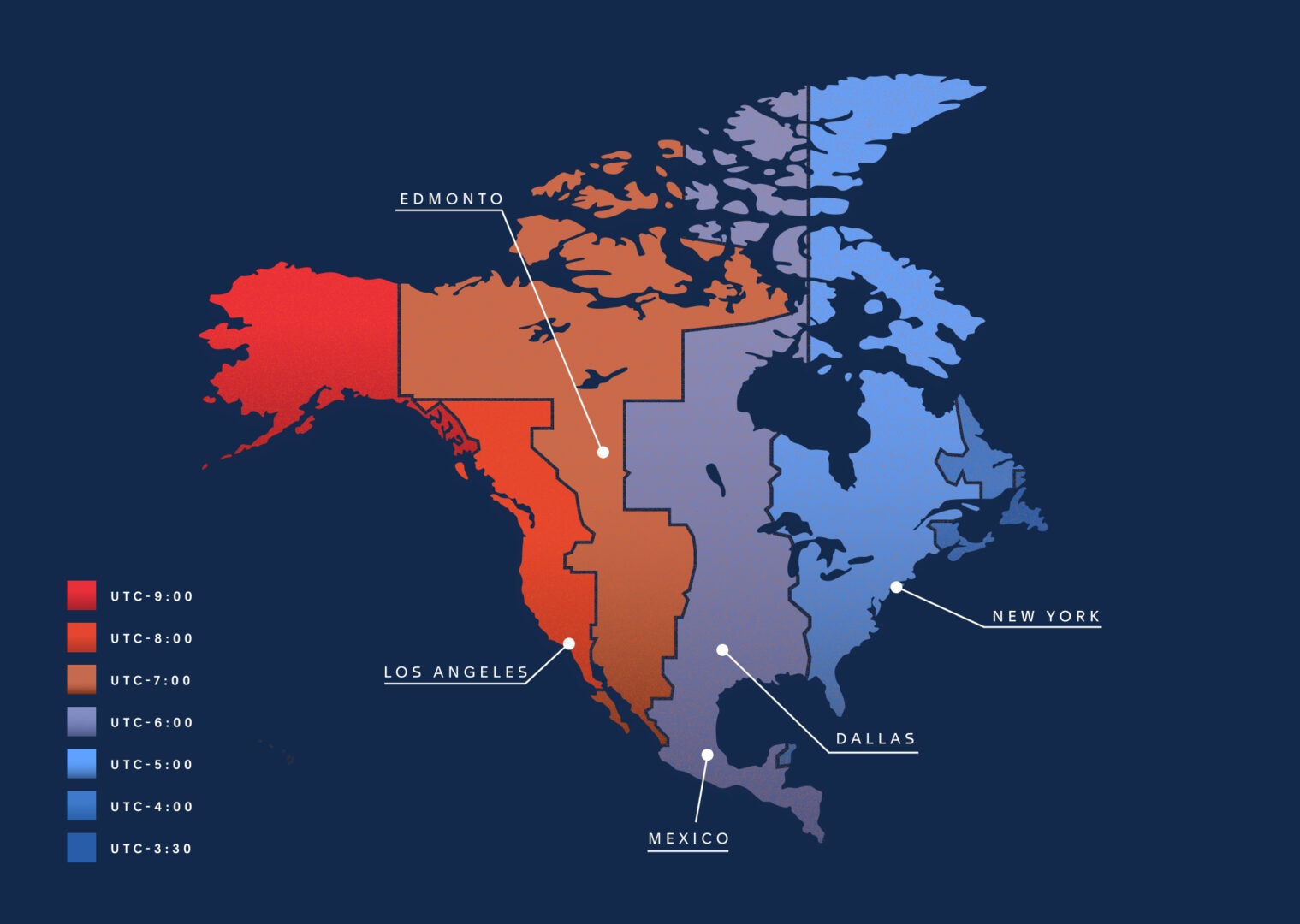
The simple answer to the question “What time zone is Montana?” is that the entire state observes the Mountain Time Zone (MT). This means that during standard time, it operates on Mountain Standard Time (MST), which is UTC-7. When Daylight Saving Time is in effect, Montana switches to Mountain Daylight Time (MDT), moving forward one hour to UTC-6. For travelers coming from different parts of the United States or international destinations, this time difference can significantly impact travel logistics, from flight schedules and hotel check-ins to coordinating guided tours and simply enjoying the local rhythm of life. This comprehensive guide will delve into the intricacies of Montana’s time zone, explain why it matters for your travel plans, and offer tips to ensure your Montana adventure runs as smoothly as the Flathead River.

Understanding Montana’s Time Zone: MST and MDT Explained
The Mountain Time Zone is one of the six standard time zones observed in the United States, encompassing a vast stretch of the Rocky Mountain states. For Montana, this designation is consistent across all its counties and cities, eliminating any confusion about fractional time zone shifts within the state borders, which can sometimes occur in larger states.
Mountain Time: The Standard
When not observing Daylight Saving Time, Montana operates on Mountain Standard Time (MST). MST is seven hours behind Coordinated Universal Time (UTC), often expressed as UTC-7. This period typically spans from early November to mid-March. During these months, the days are shorter, and the vast Montana landscape is often blanketed in snow, inviting winter sports enthusiasts to destinations like Big Sky Resort or the slopes near Whitefish. Understanding MST is crucial for planning winter activities, especially those that are daylight-dependent, such as skiing, snowmobiling, or exploring the frosty beauty of Yellowstone National Park‘s northern entrance from West Yellowstone.
Daylight Saving Time in Montana
Like most of the United States, Montana observes Daylight Saving Time (DST). On the second Sunday in March, clocks “spring forward” one hour, and the state transitions from Mountain Standard Time to Mountain Daylight Time (MDT). MDT is six hours behind Coordinated Universal Time (UTC), or UTC-6. This change provides an extra hour of daylight in the evenings, which is particularly cherished during the long summer days of Montana. It allows for extended outdoor activities, from late-evening hikes and fishing trips on Flathead Lake to leisurely dinners on a patio in Missoula. The shift back to Mountain Standard Time occurs on the first Sunday in November, when clocks “fall back” one hour. Travelers planning trips during these transition periods should be particularly mindful of the time change to avoid missing flights, hotel reservations, or tour departures.
Why Time Zones Matter for Montana Travelers
Understanding Montana’s time zone goes beyond just setting your watch. It’s a fundamental aspect of effective travel planning, impacting everything from your initial booking stages to your daily activities and overall travel experience.
Planning Your Itinerary and Activities
For any successful trip, a well-planned itinerary is key, and time zone differences play a significant role. If you’re flying from the East Coast (observing Eastern Standard Time or Eastern Daylight Time, 2 hours ahead of MT) or even the Midwest (Central Standard Time or Central Daylight Time, 1 hour ahead of MT), you’ll gain hours upon arrival in Montana. Conversely, travelers from the West Coast (Pacific Standard Time or Pacific Daylight Time, 1 hour behind MT) will lose an hour.
This time shift affects not only your arrival time but also how you schedule your days. Early morning tours, like a sunrise photography workshop in Glacier National Park or a fly-fishing excursion on the Yellowstone River, will feel very different depending on your origin. For example, an 8:00 AM Montana tour might feel like 10:00 AM to someone from New York City but 7:00 AM to someone from Seattle. Factor in potential jet lag, and you’ll realize the importance of building in buffer time, especially for the first day or two of your trip. Many attractions and local businesses in Montana, particularly in smaller towns, adhere strictly to local operating hours, which can vary seasonally. Checking these times in advance, always using the Mountain Time Zone as your reference, will prevent disappointment.
Accommodation and Travel Logistics
From the moment you begin searching for luxury hotels in Montana or considering a cozy cabin rental near Glacier National Park, time zones impact booking and logistics. Flight schedules are always listed in local time. When booking connecting flights, ensure you account for any time zone changes between layovers to avoid tight connections.
Hotel check-in and check-out times are strictly enforced according to local Montana time, typically 3:00 PM for check-in and 11:00 AM for check-out. If you arrive early after a long flight, knowing the local time can help you manage expectations regarding early check-in availability or plan for luggage storage while you explore the local area. Similarly, if you’re taking a shuttle or car service from the airport to your resort, clear communication of arrival times in Mountain Time Zone is essential. For those planning a longer stay, coordinating with hosts for vacation rentals or extended-stay apartments also requires careful attention to time zone differences, especially for key handoffs or introductory meetings.
Exploring Montana: Destinations and Time Considerations
Montana’s allure lies in its diverse offerings. Whether you’re chasing thrilling outdoor adventures or soaking in the tranquil beauty of its landscapes, understanding the time context of your chosen activities enhances the experience.
Iconic National Parks and Natural Wonders
Montana is home to some of the United States’ most spectacular natural treasures, most notably Glacier National Park and a significant portion of Yellowstone National Park. These parks often require early starts to beat crowds, secure parking, or witness wildlife at its most active. For instance, driving the famous Going-to-the-Sun Road in Glacier National Park often necessitates entering the park well before 8:00 AM [MDT] during peak summer months.
Sunrise and sunset times, calculated in Mountain Daylight Time or Mountain Standard Time, become critical for photographers, hikers, and stargazers. In summer, the long hours of daylight (up to 16 hours around the summer solstice) in Montana allow for extended exploration, but conversely, winter’s shorter days mean daylight-dependent activities conclude earlier. Always check park operating hours for visitor centers, road closures, and specific trail access, keeping Montana’s time zone firmly in mind.
Vibrant Cities and Local Culture
Montana’s cities, though smaller than metropolitan hubs in other states, burst with unique character, local culture, and a burgeoning food scene. Bozeman, Missoula, Helena (the state capital), and Kalispell each offer distinct experiences. When exploring their art galleries, enjoying farm-to-table dining, or visiting local breweries, remember that business hours will strictly adhere to the Mountain Time Zone.
Restaurants in Bozeman might open for dinner at 5:00 PM [MDT], which could feel like 7:00 PM to someone arriving from the Eastern Time Zone, making early reservations a consideration to adjust to the local rhythm. Similarly, coordinating meetups with local guides for cultural tours or fishing excursions must always be done in reference to Montana time. The laid-back lifestyle of [Montana](https://lifeoutofthebox.com/montana] often means a slightly earlier start to the day for outdoor activities and an earlier closing for some businesses compared to larger cities, which is something to factor into your plans.
Navigating Time Differences with Other Regions
To fully appreciate the impact of Montana’s time zone, it’s helpful to see it in context with other common time zones across the United States.
From Coast to Coast: A Quick Comparison
Here’s a quick look at how Montana’s Mountain Time Zone (MT) compares to others during both standard and daylight saving periods:
- Eastern Time Zone (ET): 2 hours ahead of MT. (e.g., When it’s 10:00 AM in Montana, it’s 12:00 PM in New York City).
- Central Time Zone (CT): 1 hour ahead of MT. (e.g., When it’s 10:00 AM in Montana, it’s 11:00 AM in Chicago).
- Pacific Time Zone (PT): 1 hour behind MT. (e.g., When it’s 10:00 AM in Montana, it’s 9:00 AM in Los Angeles).
- Alaska Time Zone (AKT): 2 hours behind MT.
- Hawaii Standard Time (HST): 4 hours behind MT (Hawaii does not observe DST).
These differences are crucial for communicating with family or colleagues back home, especially for business travelers or those managing family needs while away. A perfectly timed morning call from Montana could be disrupting an early lunch on the East Coast or waking someone up on the West Coast.
Tips for Adjusting to Montana Time
- Adjust Before You Arrive: If possible, try to shift your sleep schedule by an hour or two in the days leading up to your trip, especially if you’re coming from the East Coast.
- Hydrate and Stay Active: Dehydration can worsen jet lag symptoms. Drink plenty of water and try to get some light exercise upon arrival to help reset your body clock.
- Embrace Natural Light: Spend time outdoors, especially in the morning, to expose yourself to natural light. This helps regulate your circadian rhythm.
- Set Your Devices: Immediately upon landing or even before your flight, set all your watches, phones, and other devices to Montana time.
- Be Flexible with Meals: Your internal clock might initially dictate hunger at odd hours. Try to eat meals according to local Montana meal times to help your body adjust.
- Prioritize Sleep: Ensure you get adequate rest, especially during your first few nights. A comfortable hotel suite or quiet villa can make a significant difference in your ability to unwind and adjust.
Embracing the Montana Lifestyle, One Hour at a Time
Ultimately, knowing that Montana is entirely within the Mountain Time Zone is a straightforward piece of information with far-reaching implications for your travel experience. From budgeting time for exploring landmarks to ensuring smooth check-ins at your chosen accommodation, integrating this knowledge into your planning process will undoubtedly enhance your journey.
Whether you’re visiting for its world-class fly fishing, exploring the wilderness of its national parks, seeking a peaceful retreat at a resort, or diving into the local culture of its charming towns, Montana invites you to slow down and immerse yourself. By understanding and respecting its time zone, you can synchronize with the rhythm of Big Sky Country and ensure your memories are filled with breathtaking vistas and unforgettable experiences, rather than missed appointments or rushed schedules. So, set your watch to Mountain Time, and prepare to discover the wonders of Montana, where every hour is an opportunity for adventure.