
Nebraska, often celebrated for its vast agricultural landscapes, iconic Sandhills, and rich pioneer history, is a state that offers travelers a unique blend of experiences. From the bustling metropolitan areas of Omaha and Lincoln to the rugged beauty of its western regions, the Cornhusker State promises diverse attractions and a warm Midwestern welcome. However, for those planning a visit, an often-overlooked yet crucial detail is Nebraska’s intriguing time zone situation. Unlike many states that uniformly adhere to a single time zone, Nebraska is a state split between two, presenting both a logistical nuance and an interesting facet of its geography.
Understanding Nebraska’s time zones is paramount for seamless travel planning, timely hotel bookings, and making the most of local attractions and cultural experiences. This article will delve into the specifics of Nebraska’s time zones, offering insights for every type of traveler, from those seeking luxury resorts to budget-conscious adventurers, ensuring your Nebraska journey is perfectly timed.
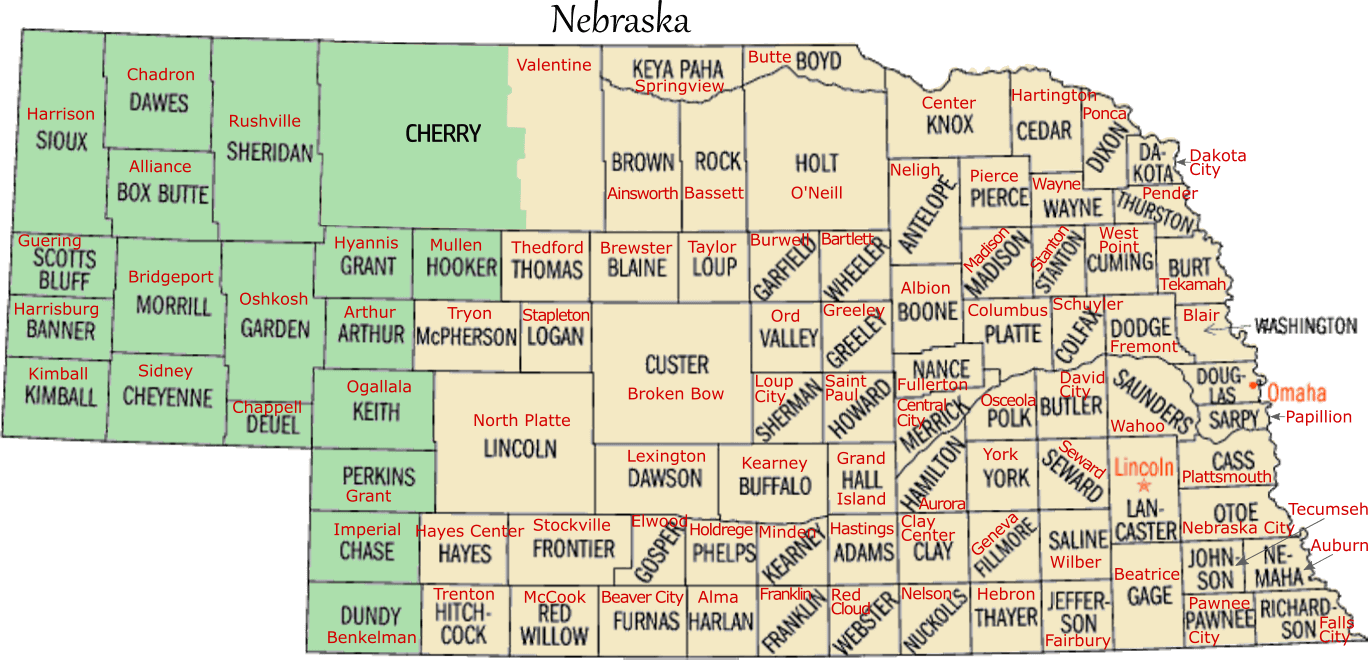
The Dual Nature of Nebraska’s Time Zones
At its core, Nebraska is divided between the Central Time Zone (CT) and the Mountain Time Zone (MT). This division is a result of the state’s expansive east-to-west geography and historical decisions regarding the convenience of commerce and communication for its residents. The precise boundary isn’t a straight line but rather follows county lines, largely determined by the 100th Meridian West, an important longitudinal marker in United States geography.
Central Time Zone Dominance
The majority, and certainly the most populous areas, of Nebraska operate on Central Time. This includes the state’s major cities and economic hubs.
- Omaha: As Nebraska’s largest city, Omaha is firmly in the Central Time Zone. Home to the world-renowned Henry Doorly Zoo and Aquarium, the vibrant Old Market district, and numerous corporate headquarters, all activities in Omaha, from business meetings to dinner reservations at upscale restaurants, will adhere to Central Time. Luxury travelers might find themselves booking suites at the Kimpton Cottonwood Hotel or enjoying the amenities of the Hyatt Regency Omaha, all operating on CT.
- Lincoln: The state capital, Lincoln, also falls within the Central Time Zone. Visitors exploring the magnificent Nebraska State Capitol Building, attending a University of Nebraska-Lincoln Cornhuskers game, or enjoying the city’s burgeoning food scene will be on Central Time. Accommodations in Lincoln range from boutique hotels in the Haymarket District to family-friendly resorts, all coordinating their operations with CT.
- Eastern Nebraska and the Platte River Valley: Cities like Kearney, Grand Island, Columbus, and the regions along the Platte River that are famous for the Sandhill Crane migration, all observe Central Time. This means planning for activities such as visiting the Strategic Air Command & Aerospace Museum near Ashland or exploring Indian Cave State Park requires accounting for Central Time.
The Western Expanse and Mountain Time
As you venture further west into Nebraska, the landscape shifts, and so does the time zone. The western panhandle counties, bordering Colorado and Wyoming, operate on Mountain Time. This change typically occurs around the 100th Meridian West, though the exact county lines are the determinant.
- Counties in Mountain Time: Counties such as Arthur, Banner, Box Butte, Cheyenne, Dawes, Deuel, Garden, Kimball, Morrill, Perkins, Scotts Bluff, and Sheridan observe Mountain Time. This means they are one hour behind Central Time.
- Scottsbluff and Gering: These twin cities in the panhandle are major hubs for Western Nebraska and operate on Mountain Time. Visitors to Scottsbluff can explore the iconic Scotts Bluff National Monument or delve into local history at the Legacy of the Plains Museum, all while adhering to MT. Hotels and accommodation providers in these areas, from cozy bed and breakfasts to chain hotels, will set their clocks to Mountain Time.
- North Platte: North Platte presents a particularly interesting case. While technically the majority of the city is in Central Time, some western parts and surrounding areas lean into Mountain Time due to proximity and local preference, though the official line generally puts it in CT. This highlights the importance of checking specific locations. Attractions like Buffalo Bill Ranch State Historical Park are typically on Central Time. However, travelers venturing further west from North Platte into counties like Perkins will cross into MT.
- Other Western Towns: Towns like Chadron, home to Chadron State Park, and Alliance, famous for Carhenge, are firmly in the Mountain Time Zone. Exploring sites like Chimney Rock National Historic Site near Bayard or Agate Fossil Beds National Monument near Harrison requires awareness of the MT difference.
Travelers should always confirm the exact time zone for their specific destination, especially if their itinerary involves traversing the state. A quick check on a reliable time website like Time.gov or by consulting local accommodation providers is always a good practice.
Navigating Time Zones as a Traveler
For visitors to Nebraska, the split time zone isn’t just a geographical curiosity; it has practical implications for planning and enjoying a trip. From coordinating flights and hotel check-ins to making dinner reservations and attending events, being aware of the time difference is key to a smooth travel experience.
Planning Your Nebraska Itinerary
When crafting your Nebraska itinerary, particularly if it’s a cross-state road trip or involves multiple destinations, actively account for the time zone change.
- Road Trips: If you’re driving from Omaha (CT) to Scottsbluff (MT), remember you’ll effectively “gain” an hour when crossing into Mountain Time. Conversely, driving east from Scottsbluff to Lincoln means you’ll “lose” an hour. This can significantly impact your arrival times for pre-booked tours, museum visits, or even simply reaching your next accommodation before the front desk closes.
- Flight Connections: While most major airports like Omaha’s Eppley Airfield or Lincoln Airport are in Central Time, if you’re flying into or out of smaller regional airports in the west, or connecting through other states, confirm all flight times in relation to your current location. A layover schedule might be tight if you miscalculate the time difference.
- Attractions and Events: Many of Nebraska’s unique attractions, from historic sites to state parks like Eugene T. Mahoney State Park (CT) or Fort Robinson State Park (MT), have specific operating hours. Check their websites or call ahead to confirm times based on the local zone. Missing an event or finding a landmark closed due to a time zone miscalculation can be a frustrating setback for any traveler.
Accommodation and Booking Considerations
Accommodation is a cornerstone of any travel plan, and Nebraska’s dual time zones directly influence this aspect, from booking to check-out.
- Check-in/Check-out Times: Hotels, resorts, apartments, and villas across Nebraska will operate on their respective local time zones. A hotel in Gering (MT) might advertise a 3:00 PM check-in, which is 4:00 PM Central Time. If you’re arriving from the east, this gives you an “extra” hour, but if you’re departing west, you might arrive later than anticipated. Always verify the local time.
- Online Bookings and Reservations: When using online booking platforms, pay close attention to the time zone displayed for reservation confirmations. While most systems default to the local time of the property, an oversight could lead to a missed reservation for a restaurant, a spa treatment, or a specific amenity at your chosen accommodation.
- Long-Term Stays and Work Trips: For business travelers or those planning long-term stays, especially those that involve working remotely across different regions of Nebraska, understanding the time difference for virtual meetings and communication is vital. A 9:00 AM meeting for an Omaha-based team is 8:00 AM for a colleague in Scottsbluff, requiring careful coordination.
- Amenities and Services: Hotel amenities such as pool hours, fitness center availability, or breakfast service times will always be advertised in the local time zone. This is particularly relevant for families traveling with children who might have strict schedules or those on a tight budget relying on complimentary breakfast before an early start.
Daylight Saving Time in Nebraska
Like most of the United States, Nebraska observes Daylight Saving Time (DST). This means that on the second Sunday in March, clocks “spring forward” one hour, and on the first Sunday in November, they “fall back” one hour. This adjustment applies universally across both the Central Time Zone and the Mountain Time Zone portions of the state.
“Spring Forward, Fall Back” Across the State
The observance of Daylight Saving Time doesn’t alter the one-hour difference between Central Time and Mountain Time in Nebraska. During DST, Central Time becomes Central Daylight Time (CDT), and Mountain Time becomes Mountain Daylight Time (MDT). The core principle remains: the western part of the state is consistently an hour behind the eastern part.
For travelers, this primarily means remembering that the time zone designations (CT/MT) shift to (CDT/MDT) for part of the year, but the relative difference remains constant. It’s an important detail to keep in mind, particularly for coordinating activities that span the “spring forward” or “fall back” weekends, as it can cause temporary confusion.
Local Impact and Visitor Experience
Beyond the technicalities of time zones, understanding Nebraska’s split has a deeper impact on the local lifestyle and, by extension, the overall visitor experience.
Dining, Attractions, and Business Hours
Local businesses, from charming Main Street boutiques in Valentine (CT) to historic ranches offering tours in the Pine Ridge region (MT), will strictly adhere to their local time. This influences everything from when a restaurant opens for dinner to the last entry time for a museum.
- Dining and Nightlife: If you’re planning a dinner reservation at a popular Omaha restaurant like The Boiler Room at 7:00 PM CT, and then traveling to Scottsbluff the next day, remember that a 7:00 PM MT reservation there is effectively an hour later relative to your previous day’s schedule. This difference can impact how much time you have to explore beforehand.
- Cultural Attractions: Many of Nebraska’s cultural attractions, such as the Joslyn Art Museum in Omaha or the Museum of the Fur Trade in Chadron, will have opening and closing times published in their local time. Confirming these details ensures you don’t miss out on enriching experiences.
- Local Festivals and Events: Nebraska hosts numerous local festivals, rodeos, and community events throughout the year. The start times for these will be based on the local time zone of the host community. Always double-check event schedules to avoid arriving too early or too late.
Connecting with Local Culture
The subtle shift in time zones also reflects, in a small way, the varied lifestyles within Nebraska. The eastern, more urbanized areas tend to operate on a pace reflective of larger Midwestern cities, while the western regions, with their vast open spaces and strong ties to ranching and outdoor recreation, might embrace a slightly different rhythm.
Being mindful of the time zone difference is not just about logistics; it’s about respecting the local way of life. It’s a part of understanding the geography and the cultural nuances that make Nebraska such a fascinating state to explore. From experiencing the vibrant arts scene in Lincoln to marveling at the geological formations around Chimney Rock, a well-timed trip ensures you fully immerse yourself in all that the Cornhusker State has to offer.

In conclusion, while the question “What time zone is Nebraska?” might seem straightforward, the answer reveals a fascinating dual system that shapes travel and daily life within the state. For any visitor, whether planning a short getaway or an extended adventure, a simple awareness of the Central and Mountain Time Zones will pave the way for a more enjoyable, stress-free, and perfectly timed exploration of this beautiful and diverse state.
LifeOutOfTheBox is a participant in the Amazon Services LLC Associates Program, an affiliate advertising program designed to provide a means for sites to earn advertising fees by advertising and linking to Amazon.com. Amazon, the Amazon logo, AmazonSupply, and the AmazonSupply logo are trademarks of Amazon.com, Inc. or its affiliates. As an Amazon Associate we earn affiliate commissions from qualifying purchases.